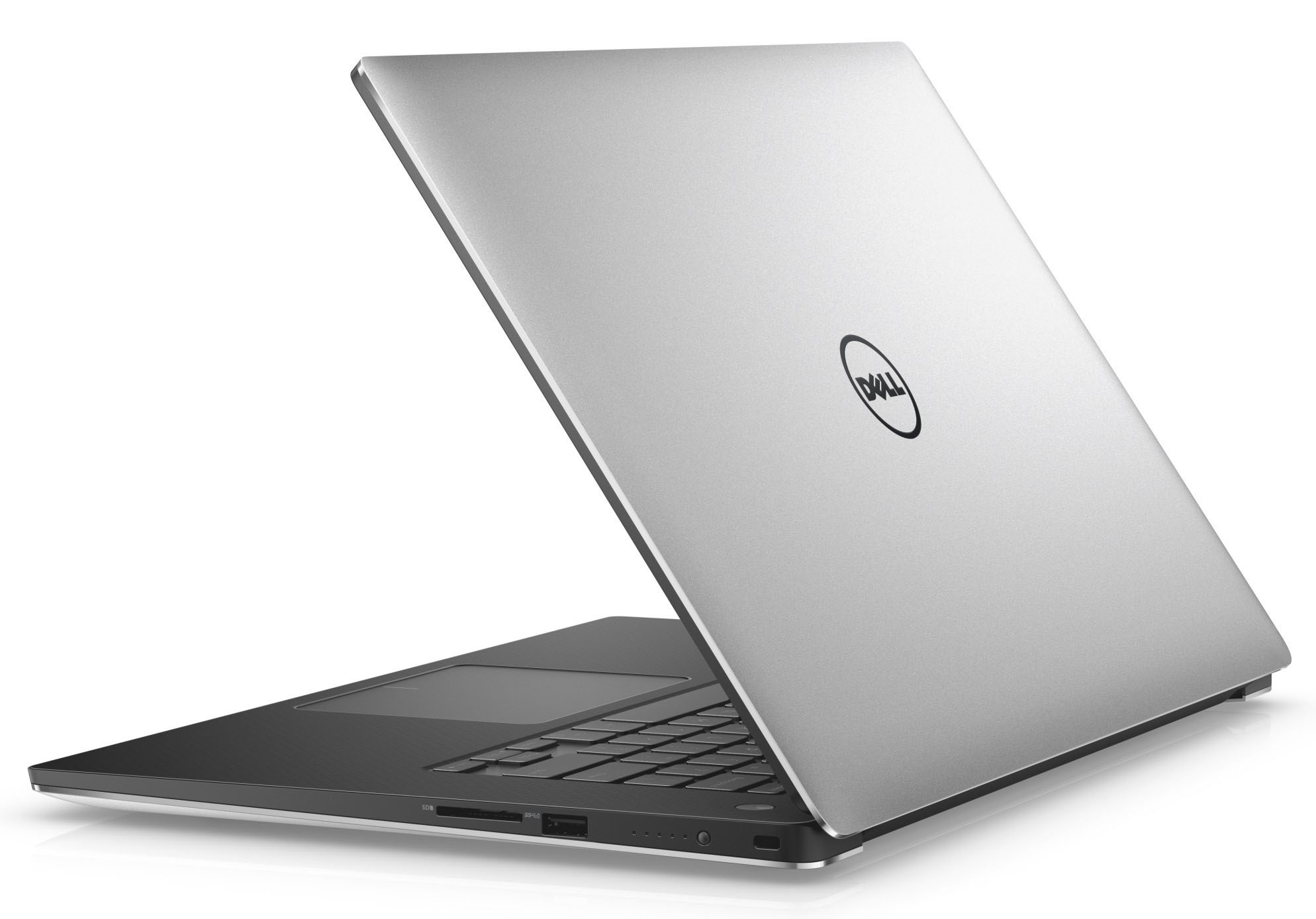
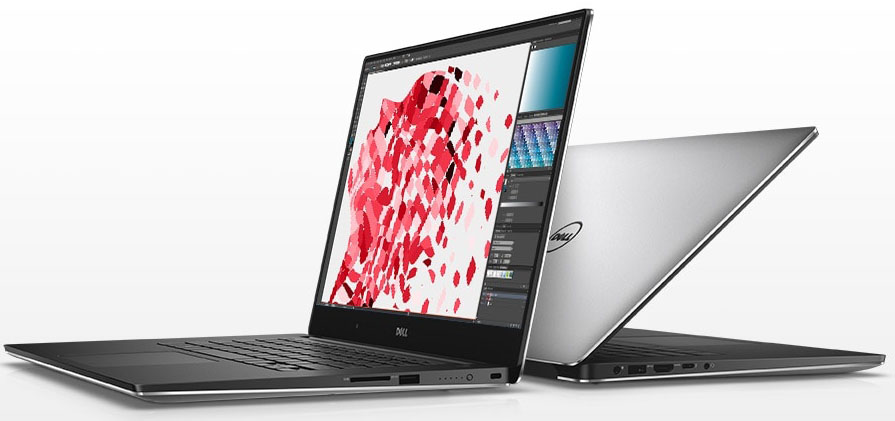
Dell Precision 15 5520
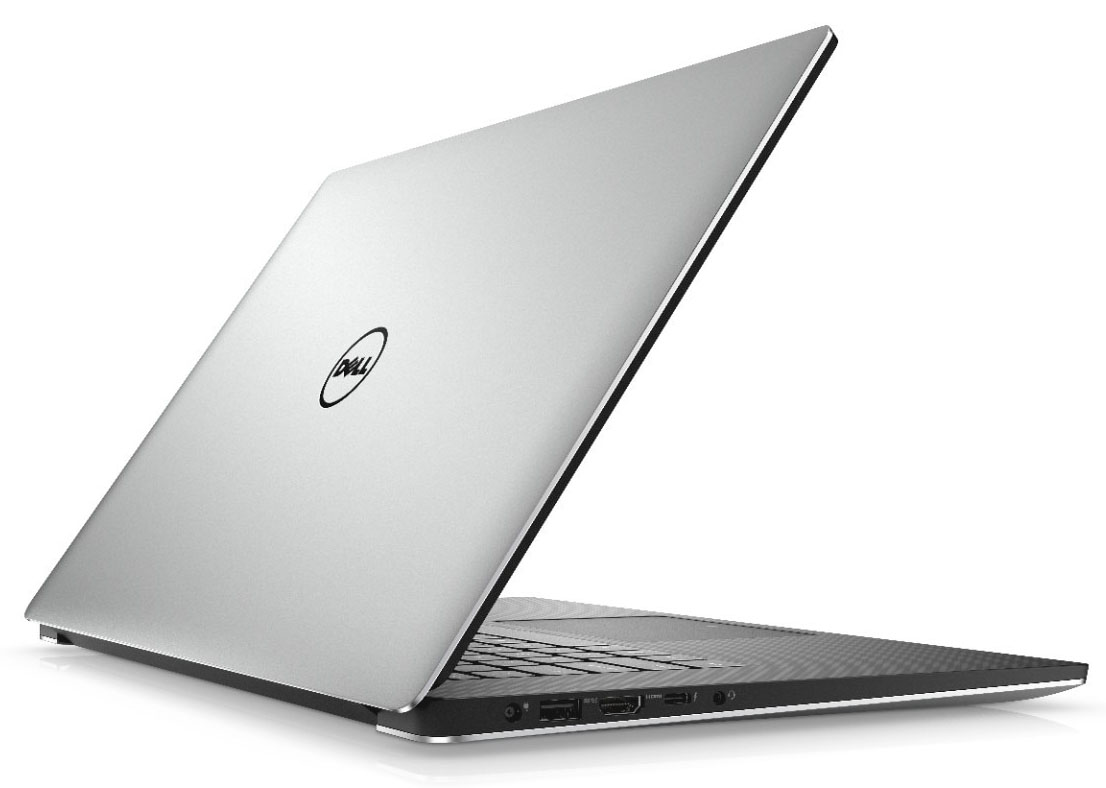
- Date de publication: 06 Dec 2017
- Intel Core i7-7820HQ
- NVIDIA Quadro M1200 (4GB GDDR5)
- 15.6”, Full HD (1920 x 1080), IPS
- 512GB SSD
- 16GB DDR4, 2400 MHz
- 1.78 kg (3.9 lbs)
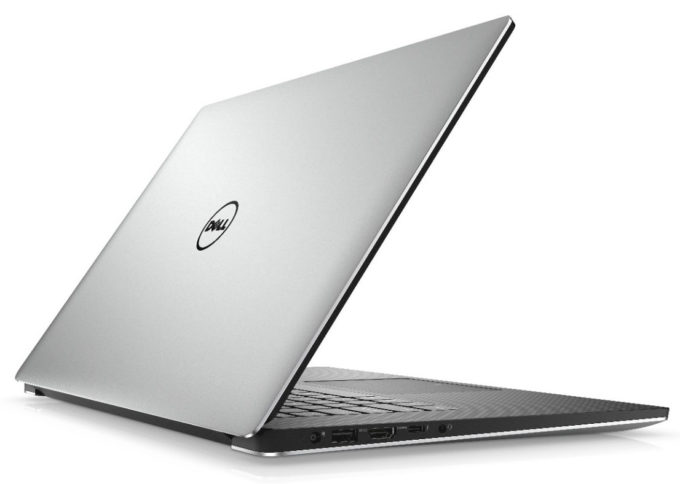
Specs

- HDD/SSD
- 512GB SSD
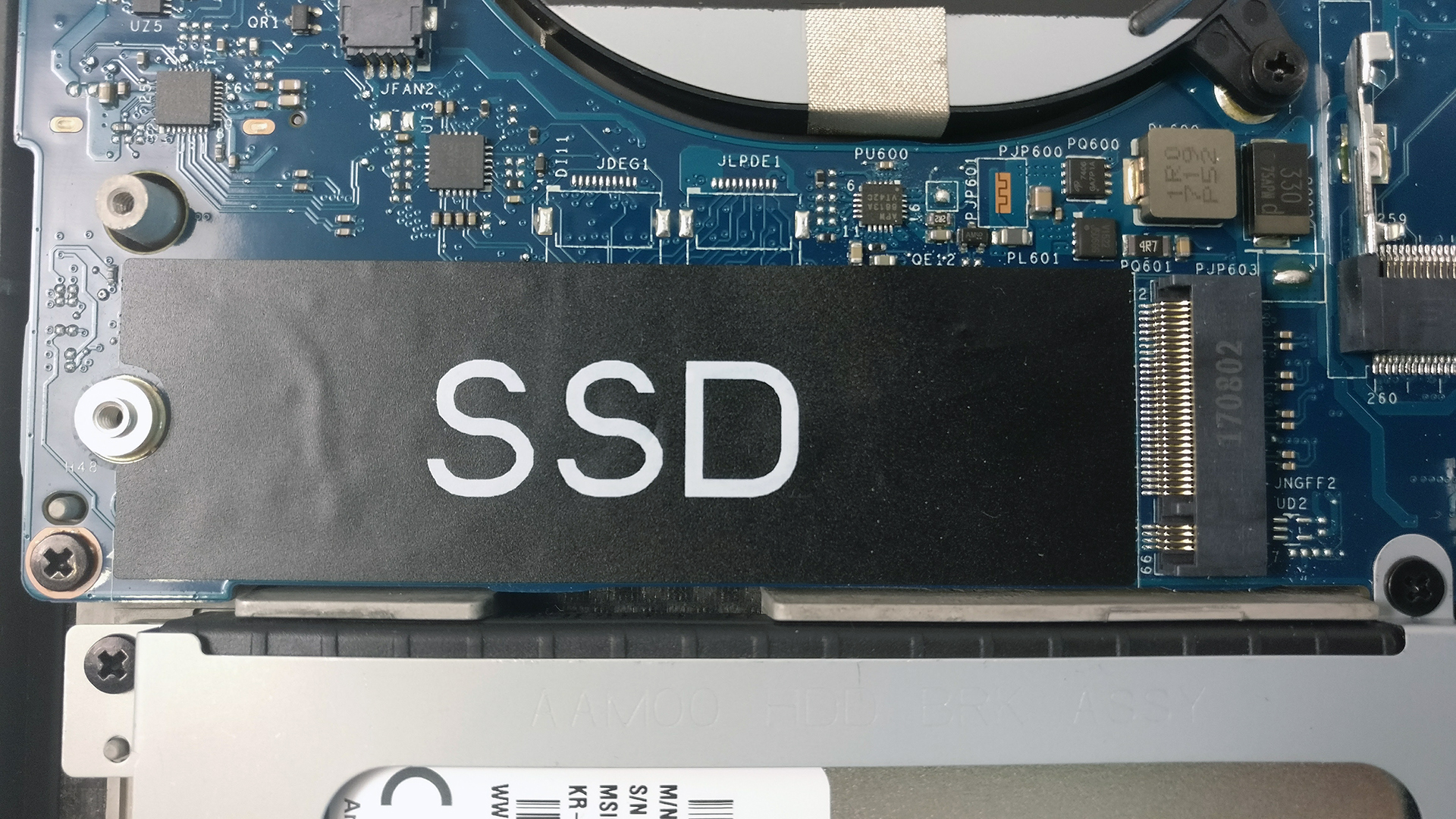
- Emplacement M.2
- M.2 PCIe NVMe SSD slot Voir photo
- RAM
- 16GB DDR4, 2400 MHz
- OS
- Windows 10 Pro
- Matériau du corps
- Aluminium, Carbone
- Dimensions
- 357 x 235 x 11.1 mm (14.06" x 9.25" x 0.44")
- Poids
- 1.78 kg (3.9 lbs)
- Ports et connectivité
- 2x USB Type-A
- 3.2 Gen 1 (5 Gbps)
- 1x USB Type-C
- 3.2 Gen 2 (10 Gbps), Thunderbolt 3
- HDMI
- Lecteur de cartes
- SD
- Ethernet LAN
- Wi-Fi
- 802.11ac
- Bluetooth
- 4.2
- Audio jack
- headphone/microphone
- Caractéristiques
- Webcam
- Microphone
- Haut-parleurs
- Emplacement de sécurité
- Battery-status button
Portabilité
Revue
Dell Precision 15 5520 critique approfondie
The XPS series from Dell have been praised for their extraordinary design, build quality paired with performance. This has been proven to be a successful approach to the premium business segment and looks like Dell wants to bring the same concept into its professional mobile workstations. With the Precision 5520 (and its predecessor, the 5510), it's clear to see that the lineup is receiving the XPS treatment and that's probably a good thing.Although the XPS 15 and the Precision 5520 look exactly the same, there are several key differences even in the design department. The XPS 15 remains as a slightly more portable option as the Precision 5520 sports a bit thicker chassis so a better cooling can be provided, especially since the laptop will have to handle long and heavy workloads. [...]
Lire la critique complète
Pour
- Premium all-aluminum build with carbon fiber base
- Thin, light, portable chassis
- Good input devices
- Excellent IPS display (conditionally suitable for color-sensitive work) - high peak brightness, extremely high contrast, wide sRGB coverage
- The panel doesn't use PWM for regulating screen brightness
- Outstanding battery runtimes
Cons
- The cooling system can't withstand heavy workloads for long periods of time (near 100% CPU and GPU usage)
- Pricey


![[Août 2026] Classement mondial des cartes graphiques pour ordinateurs portables les plus vendues sur Amazon : Apple règne en maître, la RTX 5060 de NVIDIA arrive en tête du classement des cartes dédiées](https://laptopmedia.com/wp-content/uploads/2026/09/Best-Selling-GPUs-GLOBAL-Top-10-400x225.jpg)
![[Août 2026] Classement mondial des processeurs d’ordinateurs portables les plus vendus sur Amazon : Apple domine aussi bien le segment économique que le segment haut de gamme. Les modèles A18 Pro et M5 écrasent Intel et AMD en août 2026](https://laptopmedia.com/wp-content/uploads/2026/09/Best-Selling-CPUs-GLOBAL-Top-10-400x225.jpg)
![[Août 2026] Amazon Global : le top 10 des ordinateurs portables les plus vendus – L’Apple MacBook Neo domine le classement tandis que les portables Windows d’entrée et de milieu de gamme se disputent les parts de marché](https://laptopmedia.com/wp-content/uploads/2026/09/Best-Selling-Laptops-GLOBAL-Top-10-400x225.jpg)
![[Août 2026] Les marques d’ordinateurs portables les plus vendues sur Amazon Global : Apple domine en termes de chiffre d’affaires tandis que HP se distingue par la diversité de ses modèles](https://laptopmedia.com/wp-content/uploads/2026/09/GLOBAL-Best-Brands-400x225.jpg)
![[Août 2026] Amazon Global : le top 10 des ordinateurs portables de jeu les plus vendus – Le HP Victus 15 s’empare de la première place alors que les modèles abordables dominent le classement](https://laptopmedia.com/wp-content/uploads/2026/09/Best-Selling-Gaming-Laptops-GLOBAL-Top-10-400x225.jpg)