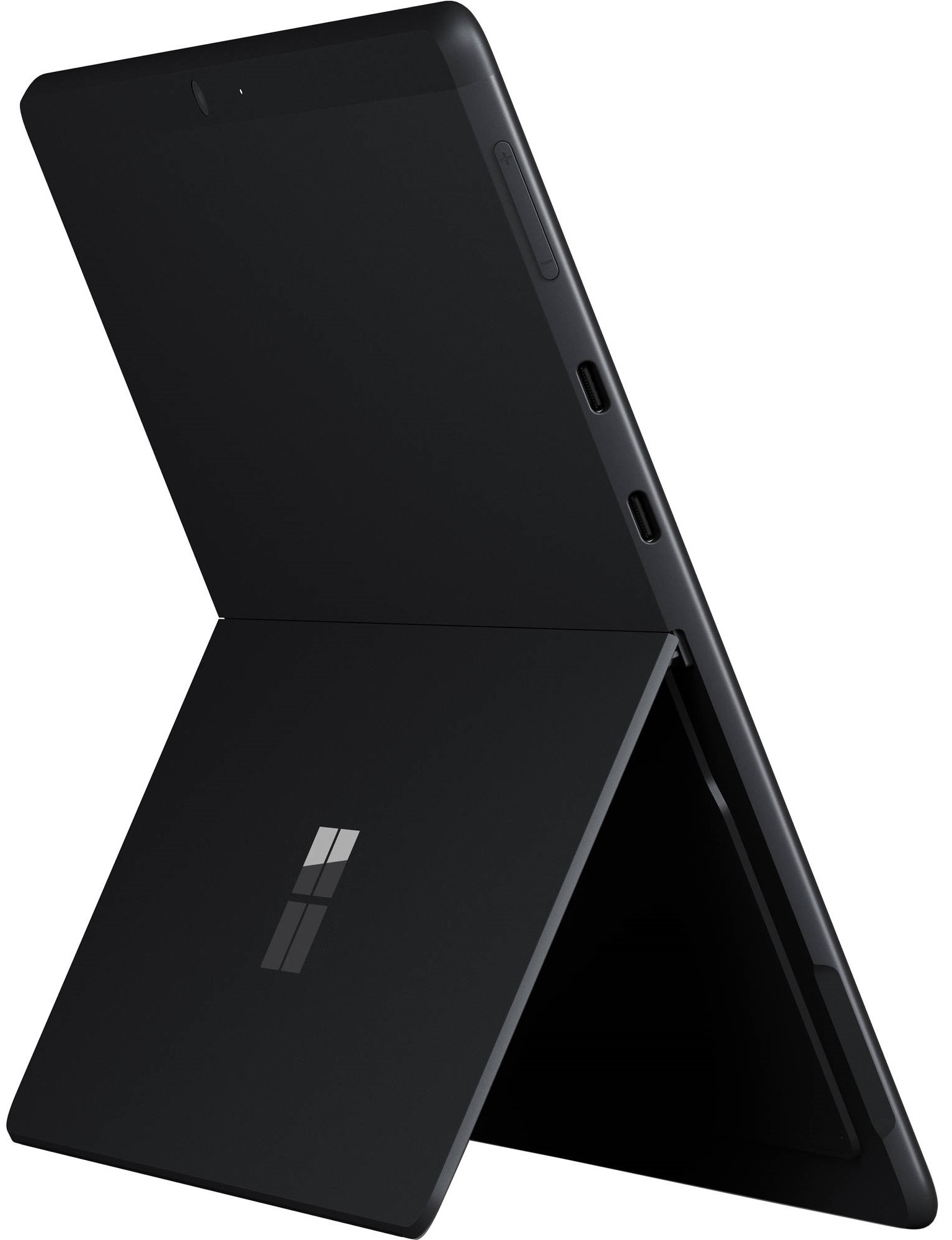
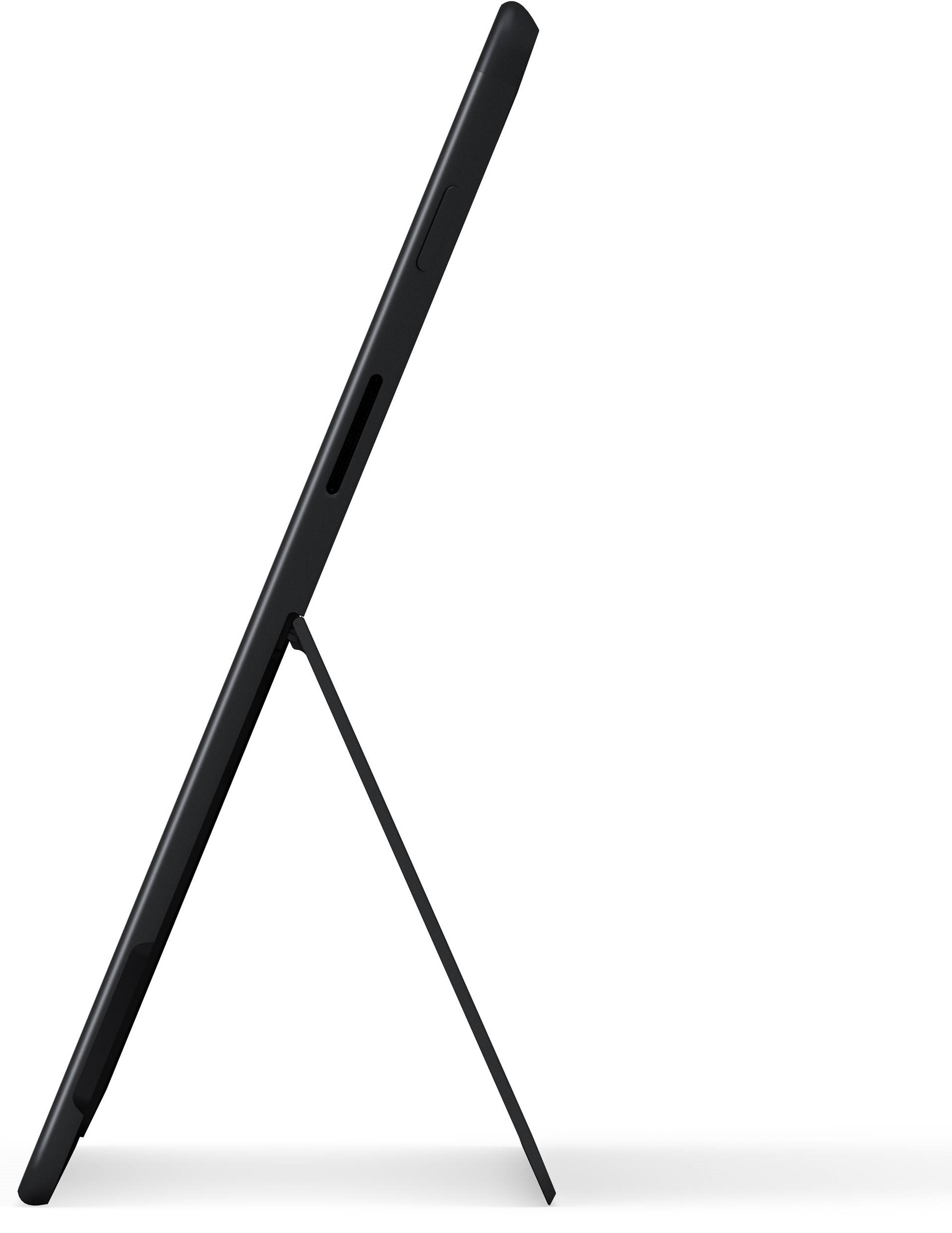
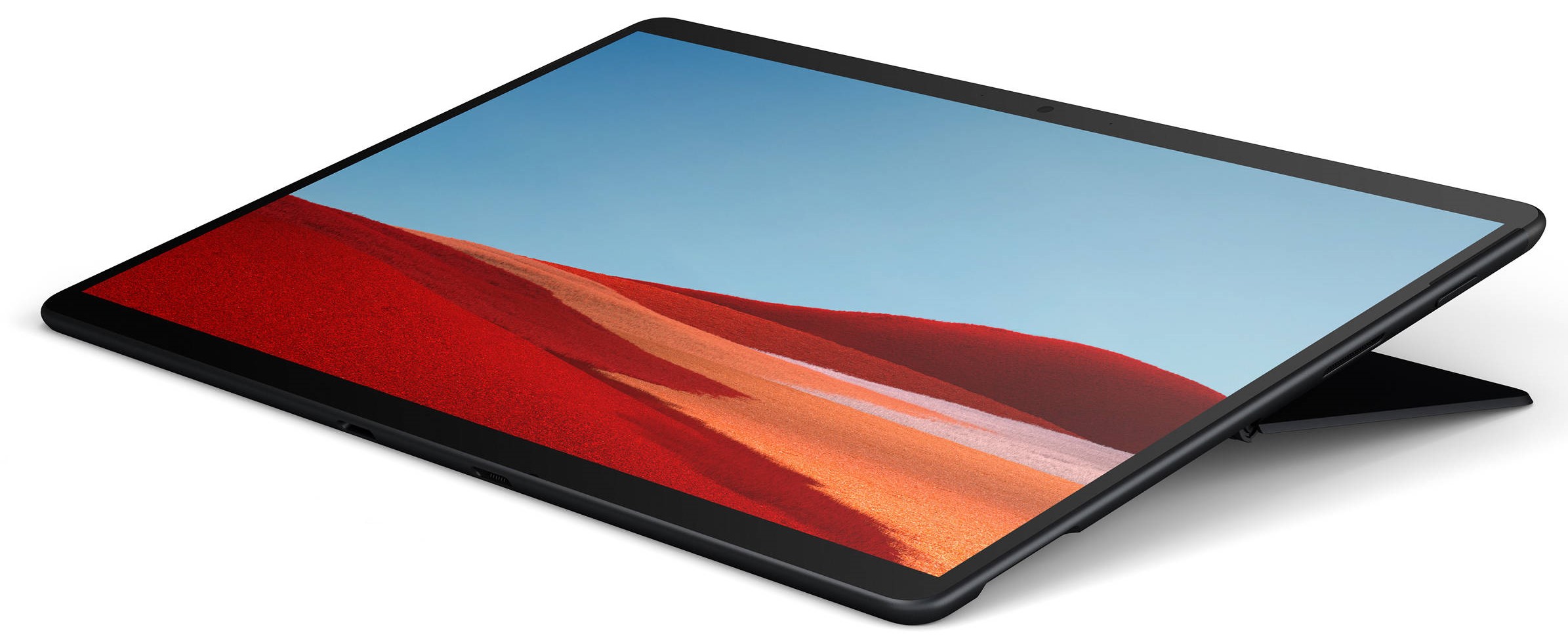
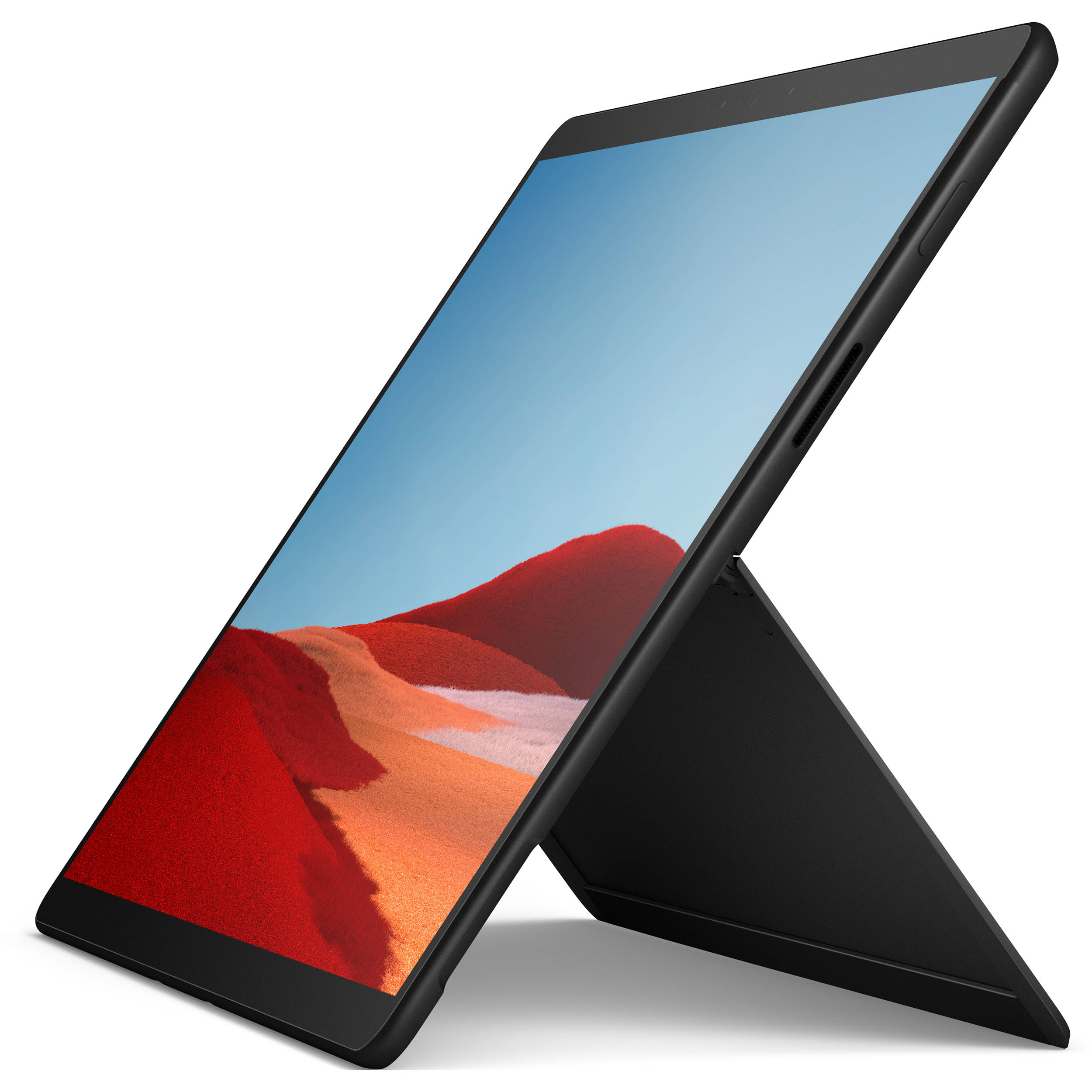
Microsoft Surface Pro X

- Data di Pubblicazione: 25 Jun 2025
- Microsoft SQ1
- Qualcomm Adreno 685
- 13.0" , PixelSense (2880 x 1920), IPS
- 128GB SSD
- 8GB RAM
- 0.77 kg (1.7 lbs)
Specifiche
- CPU
- Microsoft SQ1
- HDD/SSD
- 128GB SSD
- RAM
- 8GB RAM
- OS
- Windows 11 Home
- Materiale del corpo
- Alluminio
- Dimensioni
- 287 x 208 x 7.3 mm (11.30" x 8.19" x 0.29")
- Peso
- 0.77 kg (1.7 lbs)
- Porte e connettività
- 2x USB Type-C
- 3.2 Gen 2 (10 Gbps)
- Wi-Fi
- 802.11ac
- Bluetooth
- 5.0
- Caratteristiche
- Lettore di impronte digitali
- Webcam
- 5.0MP Front-Facing + 10.0MP Rear-Facing
- Tastiera retroilluminata
- Microfono
- Dual far-field Studio Mics
- Altoparlanti
- 2x 2W, Dolby Audio
Portabilità
Recensire
Microsoft Surface Pro X recensione approfondita
Not long ago we managed to snatch a Surface Pro 7 for review, and we were baffled by the versatility this tablet offered. Without a doubt, its strongest ace was the Ice Lake processor inside, which meant you can run pretty much every app on Windows. Now, we have the Surface Pro X, which has a pretty euphonious name but is an inferior device, compared to the Surface Pro 7.One of the main reasons why is the ARM architecture it uses. This means that 64-bit programs are pretty much out of the question. However, the Microsoft SQ1 CPU is based on the Snapdragon 8sx and features a higher clock (3.00 GHz, compared to 2.84 GHz for the latter). It includes 8 cores, 4 of which are Kryo 495 Gold (ARM Cortex-A76), and 4 more Kryo 495 Silver units (ARM Cortex-A55).As for the graphics card, it c[...]
Leggi la recensione completa
Pro
- Covers 93% of the sRGB gamut (Chi Mei P130ZFA-BA1) and has a great color accuracy
- Thin, light, and premium design
- Very good build quality
- High maximum brightness (450 nits)
- IR face recognition and LTE support
Contro
- Very limited I/O
- Memory is soldered to the motherboard
- Windows is not very well suited for ARM integration in 2020



![[Maggio 2026] Amazon Global: i 10 laptop da gaming più venduti – L’ASUS TUF Gaming A15, modello economico, domina il mercato](https://laptopmedia.com/wp-content/uploads/2026/06/Best-Selling-Gaming-Laptops-GLOBAL-Top-10-400x225.jpg)
![[Maggio 2026] Amazon Global: i 10 laptop più venduti – Il conveniente “MacBook Neo” di Apple conquista il primo posto, nonostante le ottime vendite dei modelli Air e Pro](https://laptopmedia.com/wp-content/uploads/2026/06/Best-Selling-Laptops-GLOBAL-Top-10-400x225.jpg)
![[Maggio 2026] Le marche di laptop più vendute su Amazon Global: Apple domina sia in termini di unità vendute che di fatturato](https://laptopmedia.com/wp-content/uploads/2026/06/GLOBAL-Best-Brands-400x225.jpg)