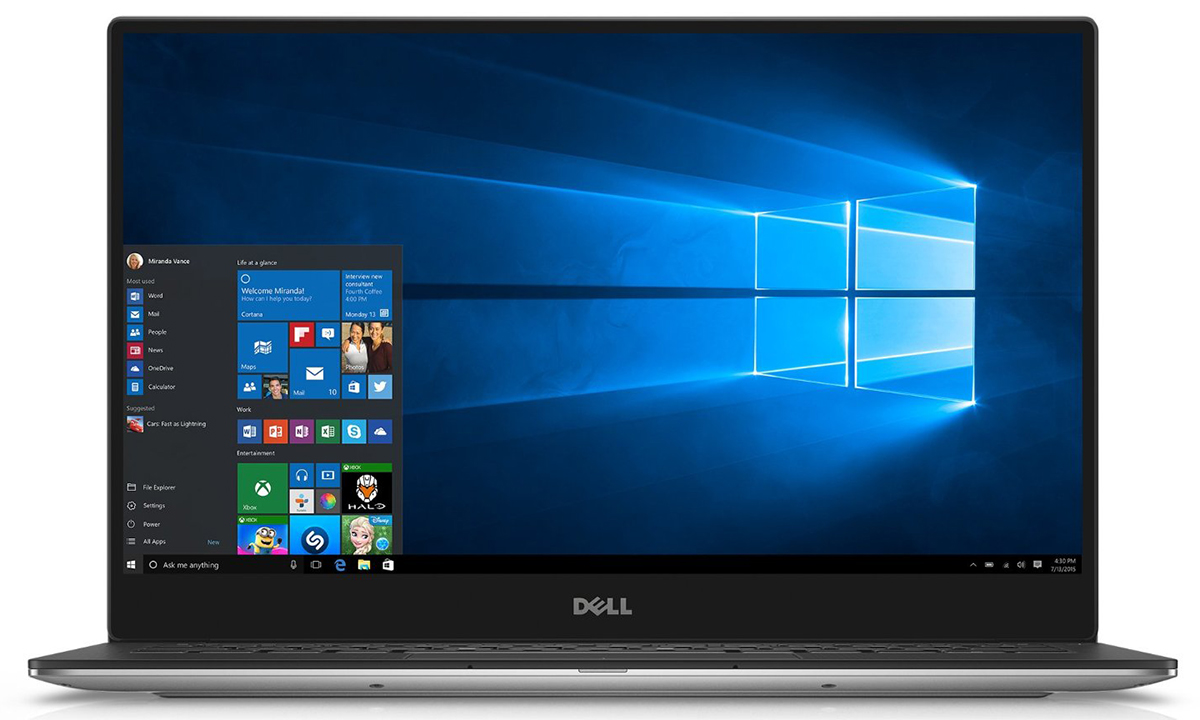
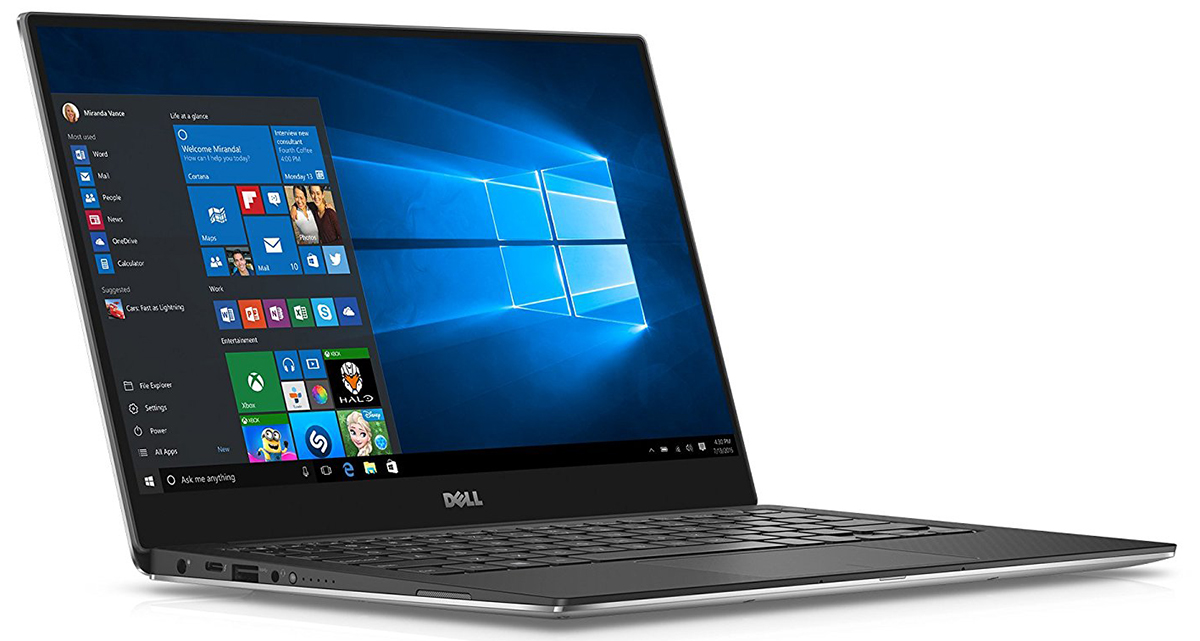
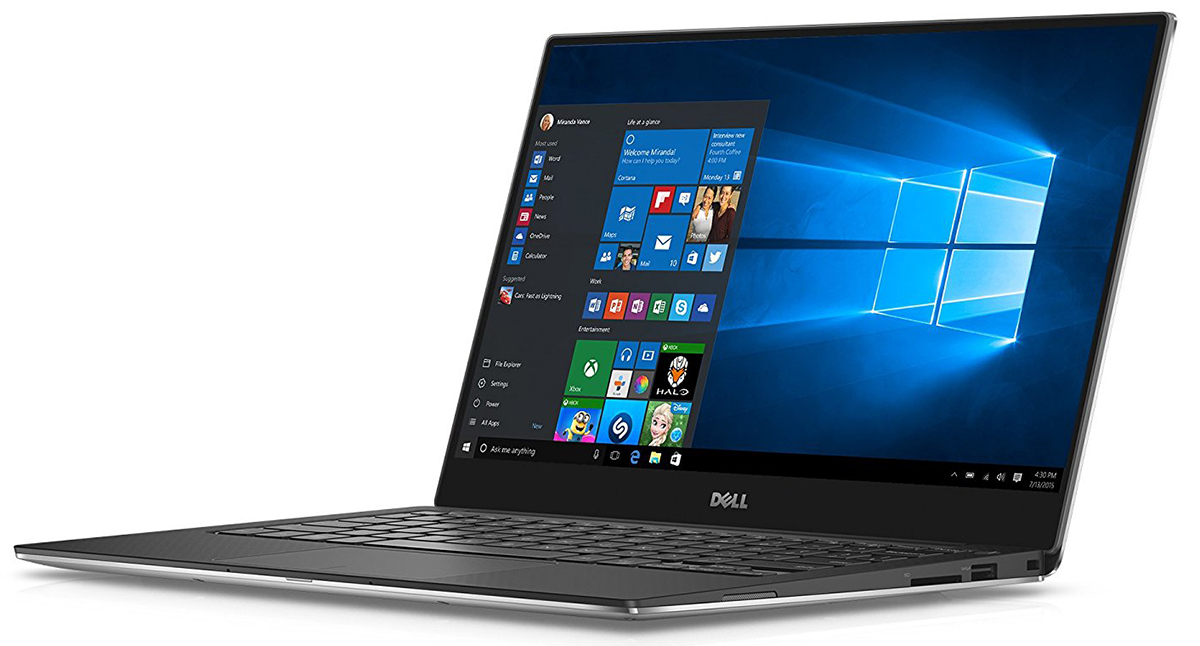
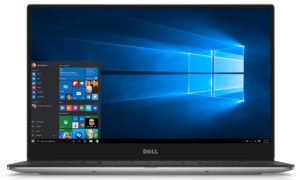
Dell XPS 13 9350 (2017)
Dell XPS 13 9350 (2017) - 规格
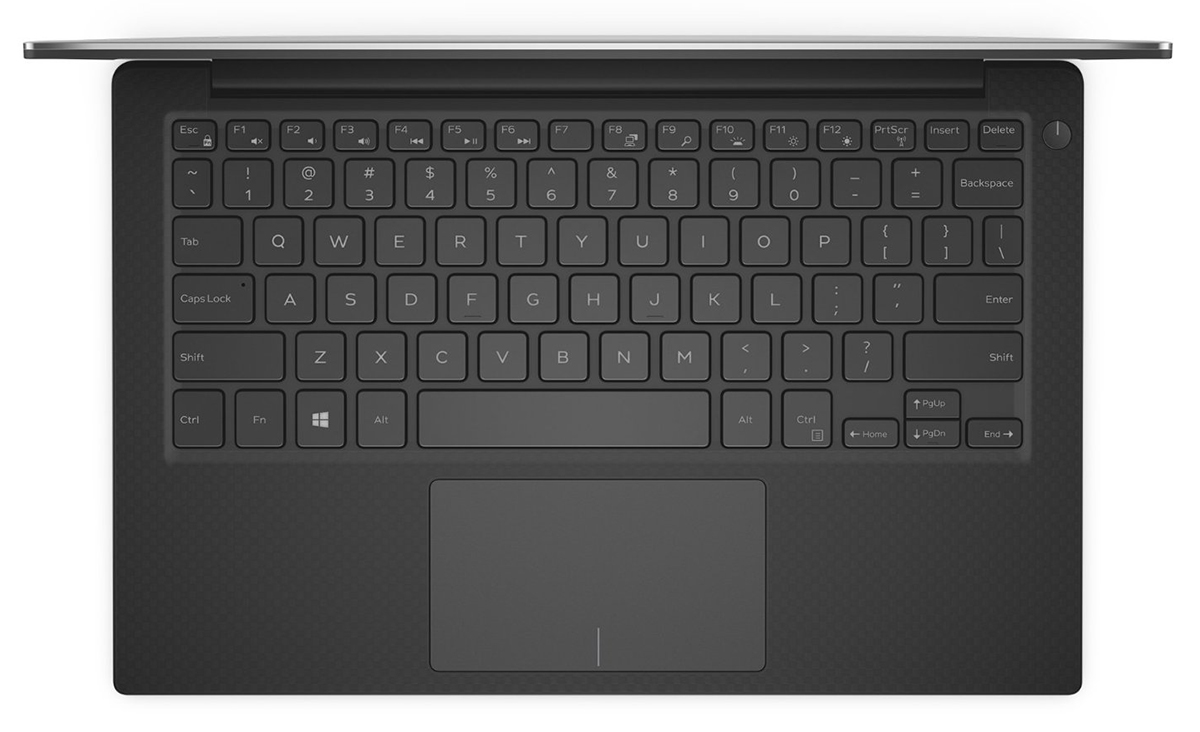
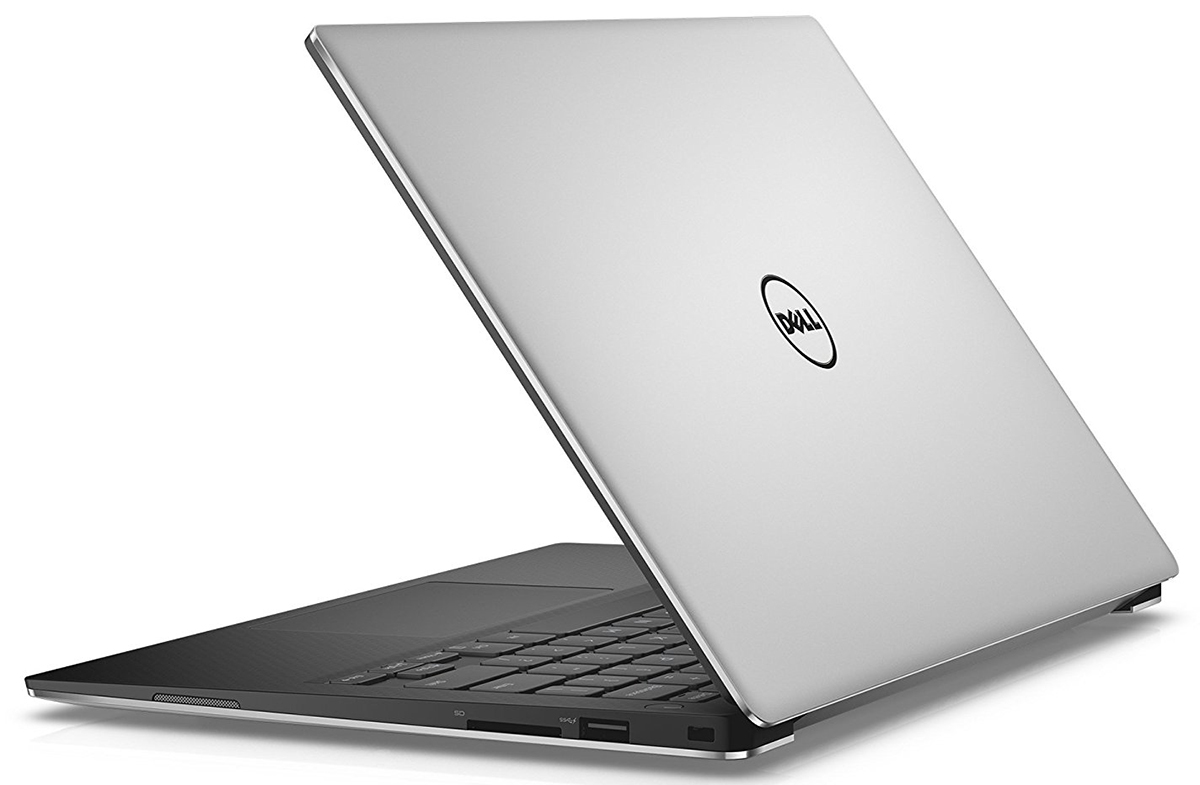
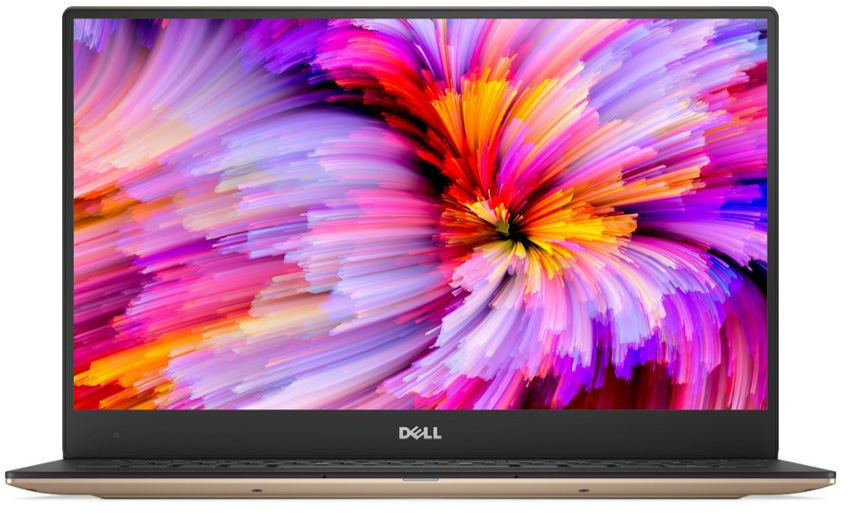
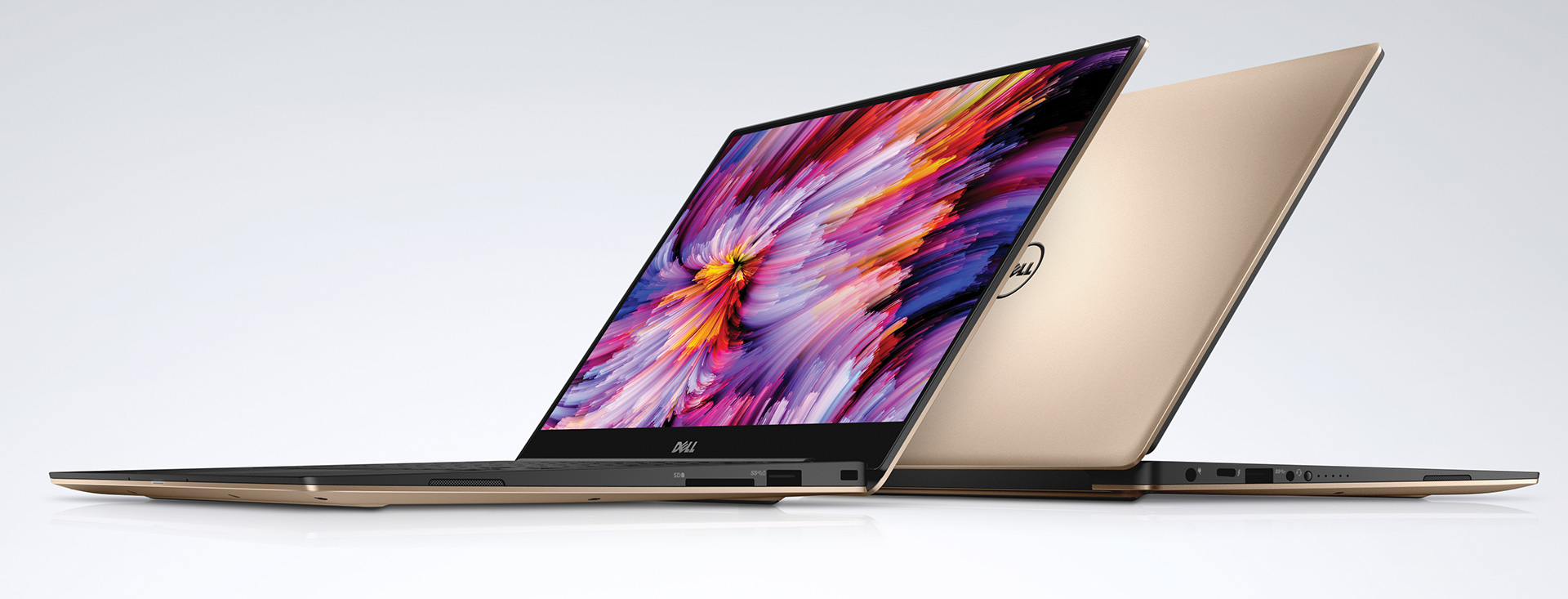
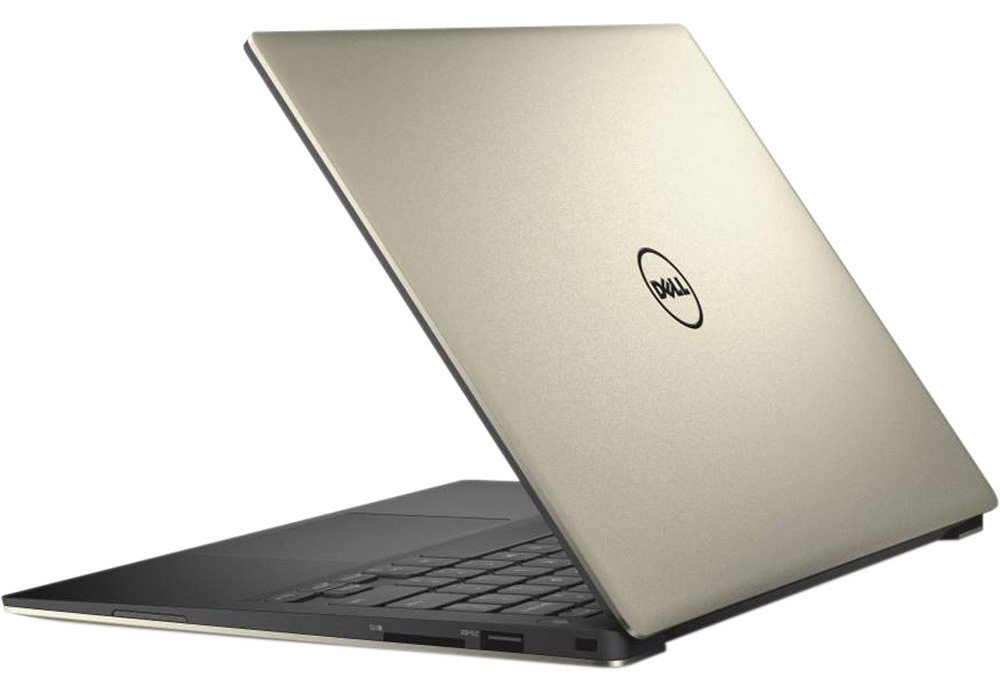
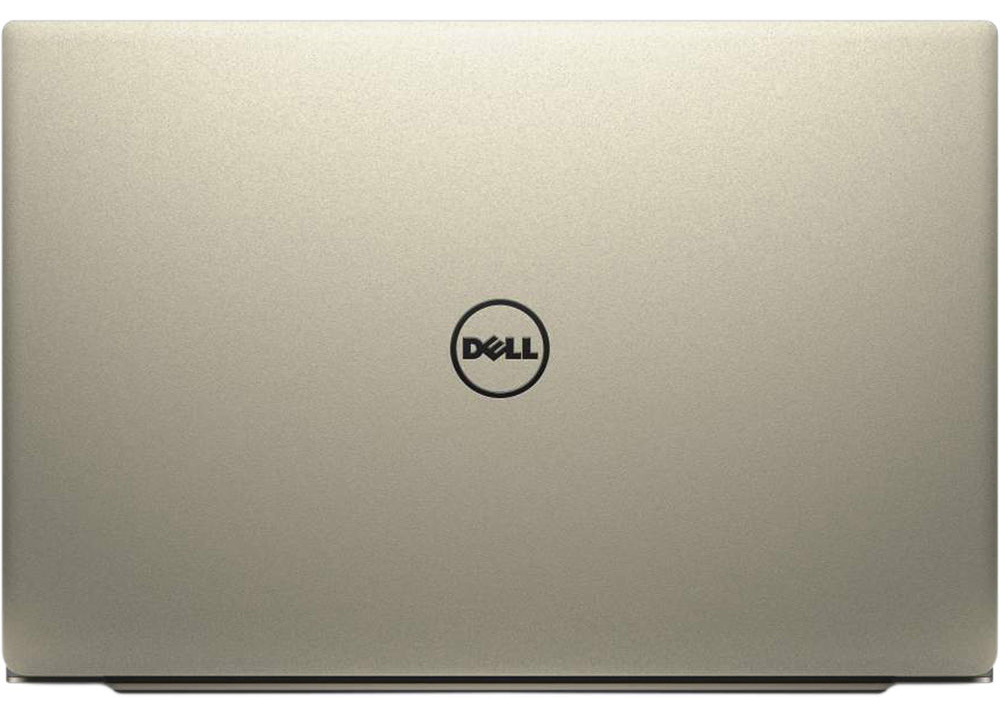
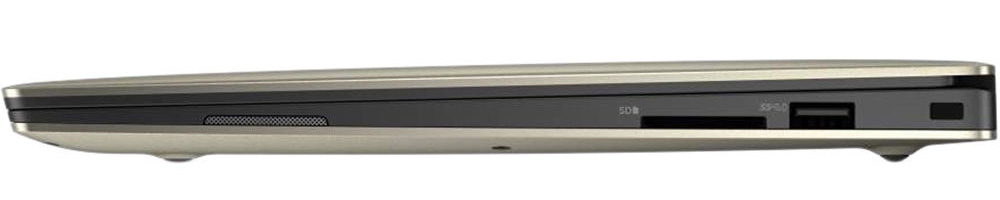

- HDD/SSD
- 高达 1000GB SSD
- M.2 插槽
- 1x 2280 PCIe 3.0 x4 NVMe (M key)
- RAM
- up to 16GB
- 操作系统
- Windows 10 Home, Windows OS, Windows 10 Pro
- 电池
- 56Wh, Li-Ion, 4-cell, 56Wh, 4-cell, 56Wh, lithium-ion, 4-cell, 56Wh, 4-Cell, 56Wh
- 机身材质
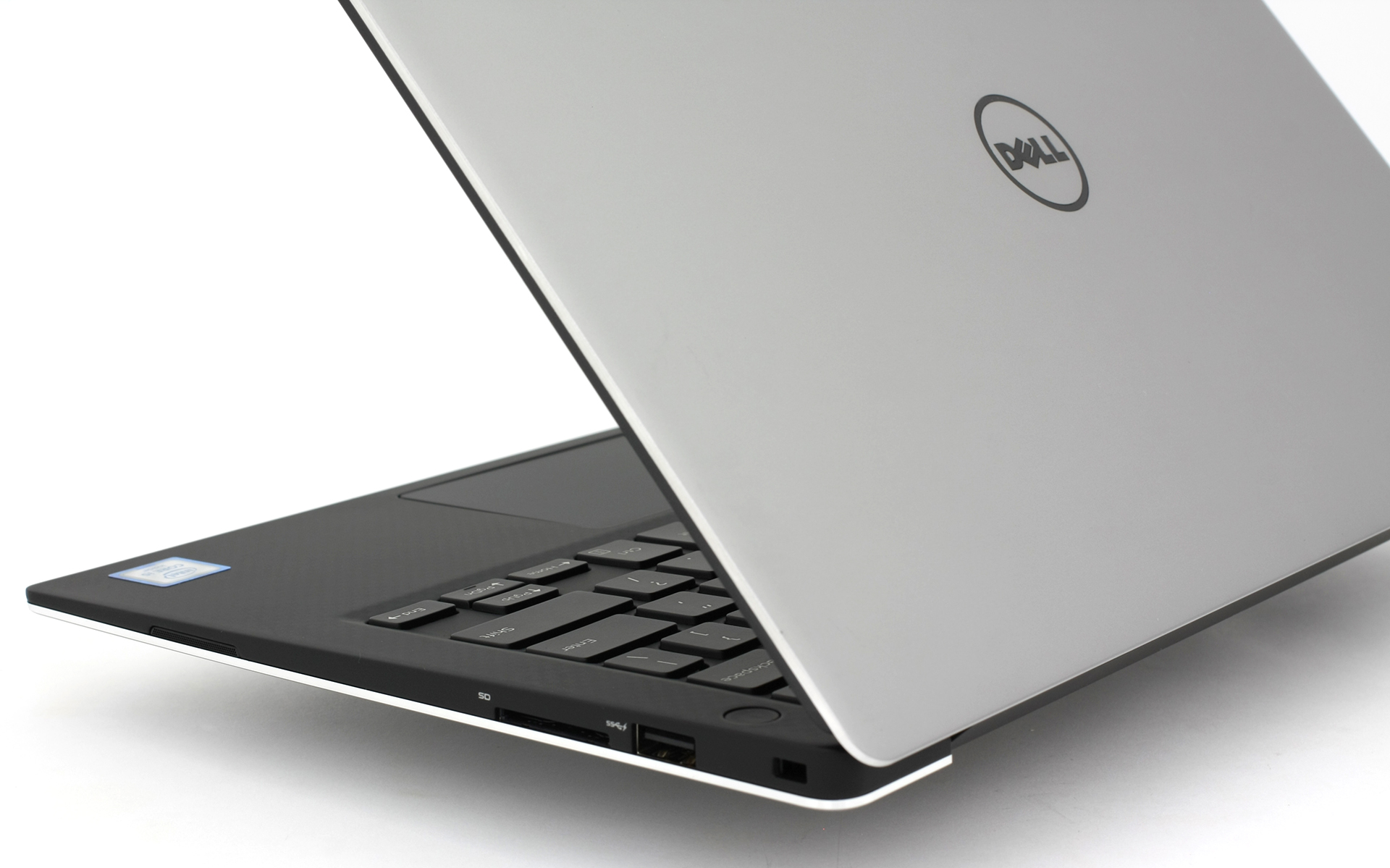
- Aluminum
- 尺寸
- 304 x 200 x 9-15 mm (11.97" x 7.87" x 0.35")
- 重量
- 1.20 kg (2.6 lbs)
- 端口和连接
- 2x USB Type-A
- 3.2 Gen 1 (5 Gbps)
- 1x USB Type-C
- 3.2 Gen 2 (10 Gbps), Thunderbolt 3
- HDMI
- VGA
- DVI
- 读卡器
- SD
- 以太网 LAN
- Wi-Fi
- 802.11ac
- 蓝牙
- 4.0
- 音频插孔
- headphone/microphone
- 功能
- 指纹识别器
- optional
- 网络摄像头
- 背光键盘
- optional
- 麦克风
- 扬声器
- 光驱
- 安全锁槽
全部 Dell XPS 13 9350 (2017) 配置
#CommissionsEarned
CPU 性能
在这里,您可以找到内置的所有CPU之间的价格/性能差异 Dell XPS 13 9350 (2017) 系列.
结果来自Cinebench 20多核测试(分数越高越好)。
GPU 性能
在这里,您可以找到内置的所有GPU之间的价格/性能差异。 Dell XPS 13 9350 (2017) 系列.
结果来自 3DMark Time Spy (Graphics)。分数越高越好。
Dell XPS 13 9350 (2017) 深度评测
We've reviewed the XPS 13 a few months ago and we are now back to see how far the successor has gone. Honestly, it's not much of an upgrade but there are some points to consider given the fact that the new XPS 13 boasts a 6th generation Intel CPU and all the goodies that come with it, especially the USB 3.1 Type-C port available. There's also the LPDDR3 RAM ticking at 1866 MHz. It looks like Dell hasn't gone full-on with the newest DDR4 memory but still offers slightly faster memory than the usual DDR3-1600. This will surely affect the GPU performance since the machine uses the iGPU Intel [...]
优点
- Exceptional design and build quality
- Good keyboard and touchpad
- Rigid construction
- Cool and quiet
- Unique design keeping dimensions small (9-15 mm) and weight low (1.29 kg)
- The screen has 94% sRGB color gamut coverage and extremely high contrast ratio 1400:1
- Unmatched battery runtimes
弊端
- The interior is prone to smudges and fingerprints
- Too low maximum brightness
- PWM across all brightness levels (0-100%)
- Too pricey


![[2026年8月] 亚马逊全球畅销笔记本电脑显卡排行榜——苹果独占鳌头,英伟达RTX 5060领跑独立显卡榜单](https://laptopmedia.com/wp-content/uploads/2026/09/Best-Selling-GPUs-GLOBAL-Top-10-400x225.jpg)
![[2026年8月] 亚马逊全球畅销笔记本电脑处理器排行榜——苹果同时称霸平价和高端市场:2026年8月,A18 Pro和M5大获全胜,碾压英特尔和AMD](https://laptopmedia.com/wp-content/uploads/2026/09/Best-Selling-CPUs-GLOBAL-Top-10-400x225.jpg)
![[2026年8月] 亚马逊全球:销量前十的笔记本电脑——苹果MacBook Neo独占鳌头,而平价和中端Windows笔记本则在销量上展开激烈角逐](https://laptopmedia.com/wp-content/uploads/2026/09/Best-Selling-Laptops-GLOBAL-Top-10-400x225.jpg)
![[2026年8月] 亚马逊全球畅销笔记本电脑品牌——苹果在营收方面占据主导地位,而惠普在机型种类方面领跑](https://laptopmedia.com/wp-content/uploads/2026/09/GLOBAL-Best-Brands-400x225.jpg)
![[2026年8月] 亚马逊全球:畅销游戏本前十名——惠普Victus 15荣登榜首,高性价比机型占据榜单主导地位](https://laptopmedia.com/wp-content/uploads/2026/09/Best-Selling-Gaming-Laptops-GLOBAL-Top-10-400x225.jpg)