ASUS ProArt at COMPUTEX 2026: 128GB Unified Memory, OLED Displays, and Local AI
 While big gaming laptops usually grab the most attention at COMPUTEX, the real story for ASUS this year was in its ProArt line. ASUS revealed its first NVIDIA RTX Spark systems: the ProArt P16, ProArt P14, and a compact ProArt Mini PC.
Read our COMPUTEX 2026 recap here:
The Most Interesting Laptop and PC Hardware We Saw at COMPUTEX 2026
Here is why these new machines matter for creators.
Why ProArt is the Right Fit for RTX Spark
ASUS could have easily put RTX Spark into a flashy gaming laptop to show off fast benchmark numbers. Instead, they chose the creator-focused ProArt line, which shows what the chip is actually built to do. Creators dealing with large 3D scenes, dense video timelines, and local AI tools don’t need a decorative “AI” badge. They need massive memory, GPU acceleration, color-accurate displays, and stable software.
RTX Spark: It’s All About Unified Memory
The headline for RTX Spark is “1 petaflop of AI performance,” but the spec you should actually care about is the 128GB of unified memory. The platform combines a 20-core NVIDIA Grace CPU with a Blackwell RTX GPU. Giving both the CPU and GPU access to a massive, shared memory pool allows you to run heavy tasks—like 12K video editing or local 120B-parameter language models—without relying on the cloud.
| Platform | NVIDIA RTX Spark |
| CPU | 20-core NVIDIA Grace CPU |
| GPU | NVIDIA Blackwell RTX GPU |
| CUDA cores | 6144 |
| Tensor Cores | 5th Gen Tensor Cores |
| Memory | Up to 128GB unified memory |
| AI performance | Up to 1 petaflop, according to ASUS / NVIDIA |
ProArt P16: Maximum Workspace vs ProArt P14: The Portable Alternative
The ProArt P16 is the larger laptop in the lineup, designed for visual workflows that demand screen space. Because display quality is just as crucial as processing power for creators, ASUS packed this machine with a heavily calibrated 4K OLED screen.
If you want RTX Spark power without carrying a 16-inch laptop everywhere, the ProArt P14 is your answer. It delivers the same creator-focused display features in a much smaller footprint. The biggest question here will be the price—packing 128GB of unified memory into a highly portable machine will not be cheap.
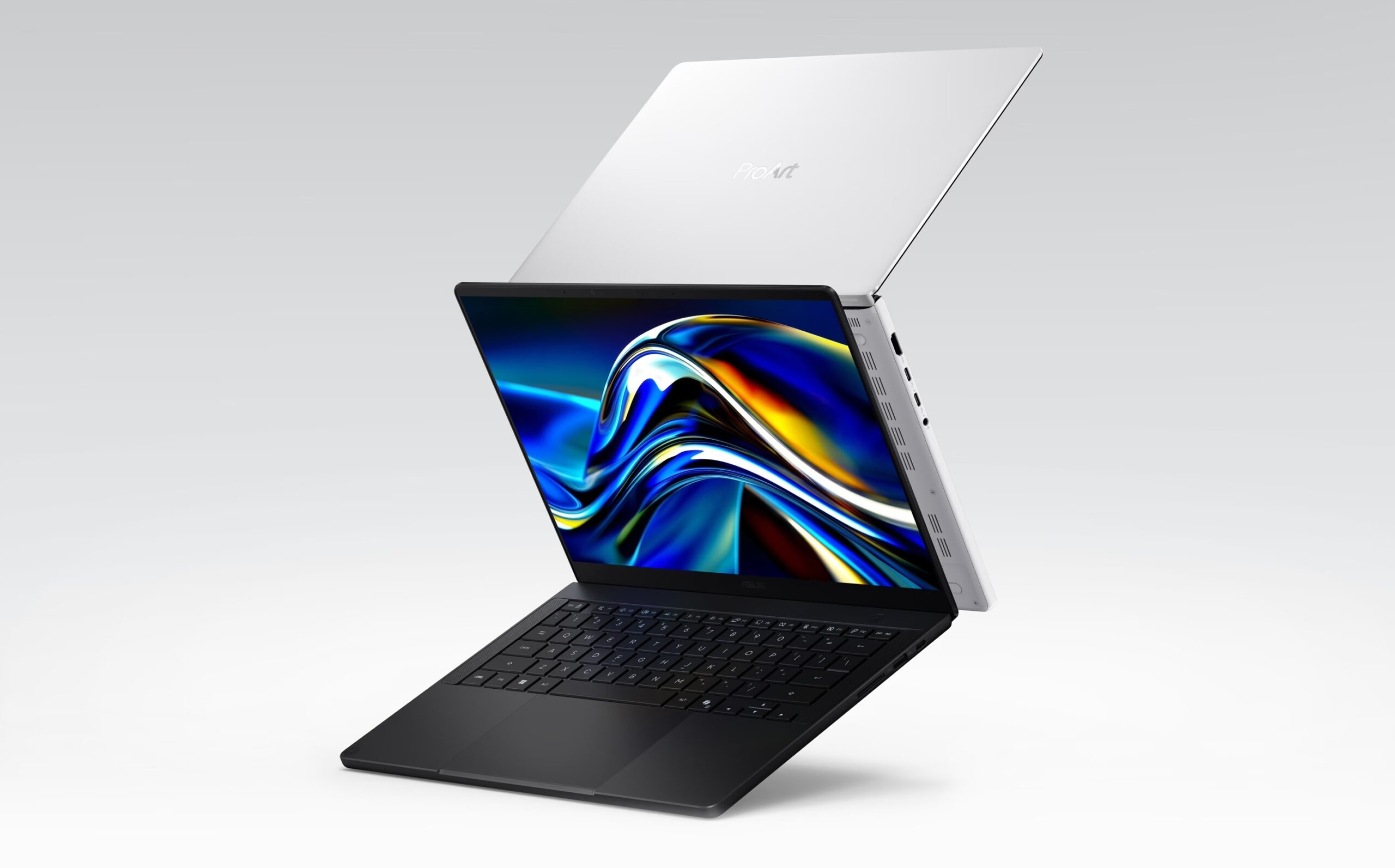
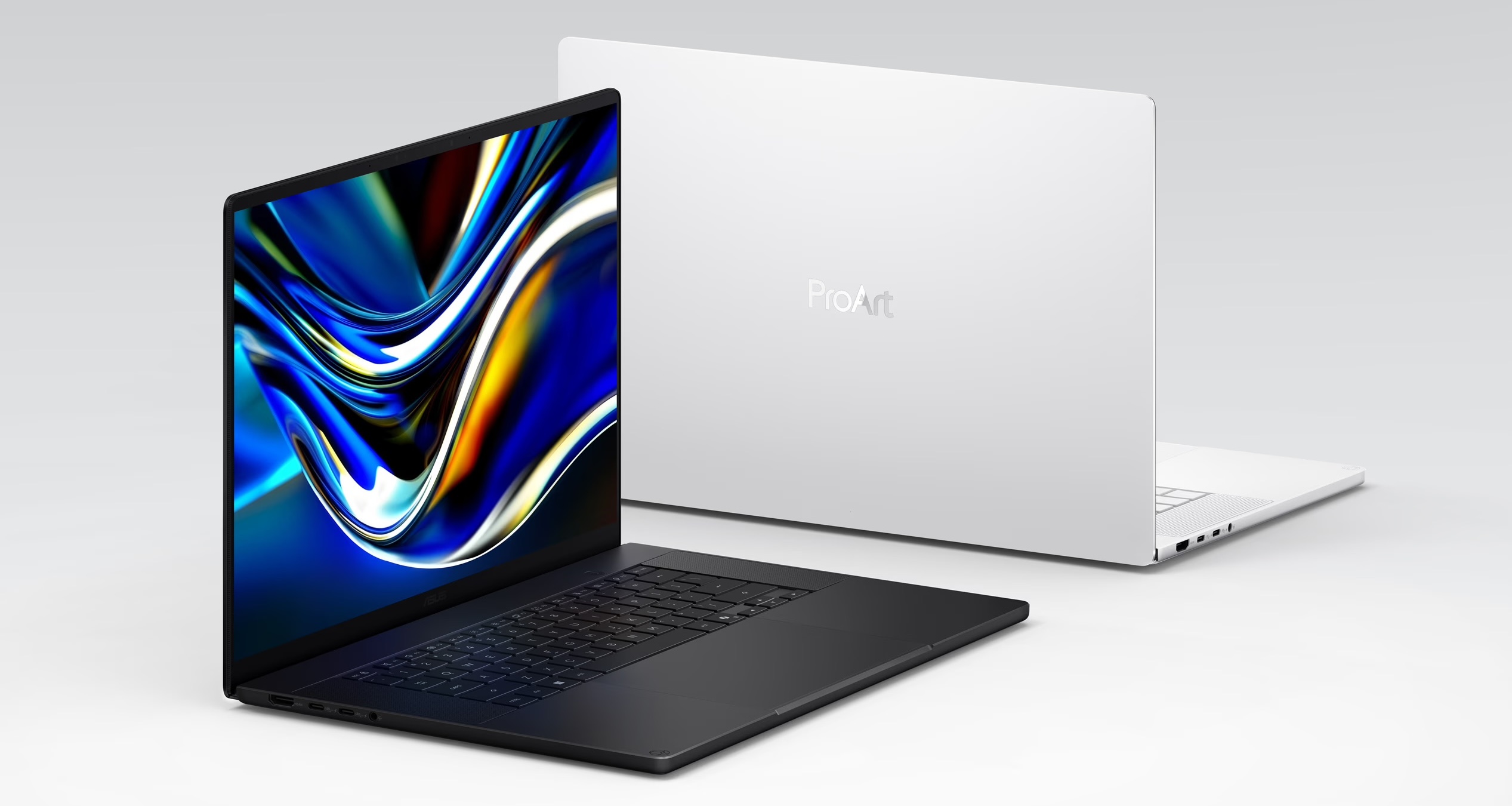
| Model | ASUS ProArt P14 (H7407) | ASUS ProArt P16 (H7607) |
| Configuration listed | H7407BA | H7607BA |
| Colors | Neo White / Nano Black | Neo White / Nano Black |
| Operating system | Windows 11 Pro / Windows 11 Home | Windows 11 Pro |
| Platform | NVIDIA RTX Spark Superchip | NVIDIA RTX Spark Superchip |
| Processor | 20-core NVIDIA Grace CPU | 20-core NVIDIA Grace CPU |
| Graphics | NVIDIA Blackwell RTX GPU | NVIDIA Blackwell RTX GPU |
| Memory | 128GB LPDDR5X on board | 128GB LPDDR5X on board |
| Maximum memory | Up to 128GB | Up to 128GB |
| Storage | 1TB M.2 NVMe PCIe 4.0 SSD | 2TB M.2 NVMe PCIe 4.0 SSD |
| Expansion slots | 1x M.2 2280 PCIe 4.0 x4 | 2x M.2 2280 PCIe 5.0 x4 |
| Display size | 14.0-inch | 16.0-inch |
| Display resolution | 3K, 2880 x 1800 | UHD+ / WQUXGA, 3840 x 2400 |
| Aspect ratio | 16:10 | 16:10 |
| Panel type | OLED touchscreen | OLED touchscreen |
| Refresh rate | 120Hz | 120Hz |
| Response time | 0.2ms | 0.2ms |
| Brightness | 700 nits or 500 nits, depending on display option | 700 nits |
| HDR peak brightness | 1600 nits or 1100 nits, depending on display option | 1600 nits |
| Color gamut | 100% DCI-P3 | 100% DCI-P3 |
| Contrast ratio | 1,000,000:1 | 1,000,000:1 |
| Color depth | 1.07 billion colors | 1.07 billion colors |
| HDR certification | VESA DisplayHDR True Black 1000 | VESA DisplayHDR True Black 1000 |
| Color validation | PANTONE Validated | PANTONE Validated |
| Display coating | Anti-reflection display | Anti-reflection display |
| Blue light reduction | 70% less harmful blue light | 70% less harmful blue light |
| Screen-to-body ratio | 88% | 90% |
| Stylus support | Yes | Yes |
| USB-C ports | 3x USB 4.0 Gen 3 Type-C with display / power delivery, up to 40Gbps | 3x USB 4.0 Gen 3 Type-C with display / power delivery, up to 40Gbps |
| USB-A | 1x USB 3.2 Gen 2 Type-A, up to 10Gbps | 1x USB 3.2 Gen 2 Type-A, up to 10Gbps |
| HDMI | HDMI 2.1 FRL | HDMI 2.1 FRL |
| Card reader | SD 4.0 card reader | SD Express 7.0 card reader |
| Audio jack | 3.5mm combo audio jack | 3.5mm combo audio jack |
| Keyboard | Backlit chiclet keyboard, 1.5mm key travel | Backlit chiclet keyboard, 1.7mm key travel |
| Touchpad | Haptic touchpad | Haptic touchpad |
| Camera | FHD IR camera with Windows Hello | FHD IR camera with Windows Hello |
| Audio | Built-in array microphone, built-in speaker, Smart Amp Technology | Built-in array microphone, built-in speaker, Smart Amp Technology |
| Wireless | Wi-Fi 7, triple-band 2×2 + Bluetooth 5.4 | Wi-Fi 7, triple-band 2×2 + Bluetooth 5.4 |
| Battery | 90Wh, 4-cell Li-ion | 99.9Wh, 4-cell Li-ion |
| Weight | 1.48 kg / 3.26 lbs | 1.77 kg / 3.90 lbs |
| Dimensions | 31.07 x 21.89 x 1.39 ~ 1.59 cm | 35.41 x 24.30 x 1.29 ~ 1.59 cm |
| Built-in apps | GlideX, ScreenXpert, ProArt Creator Hub, MyASUS, StoryCube, MuseTree | GlideX, ScreenXpert, ProArt Creator Hub, MyASUS, StoryCube, MuseTree |
| Security | TPM 2.0, Microsoft Pluton, IR webcam with Windows Hello, BIOS and HDD user password protection | TPM 2.0, Microsoft Pluton, IR webcam with Windows Hello, BIOS and HDD user password protection |
| Military grade | US MIL-STD 810H | US MIL-STD 810H |
ProArt Mini PC: Built for the Studio
The ProArt Mini PC is the least flashy device here, but it makes the most sense. It is a compact desktop built for heavy, continuous workloads like rendering and local AI development. It doesn’t have to balance battery life or an ultra-thin chassis, and the inclusion of a 10GbE port shows ASUS designed it for real studio environments.
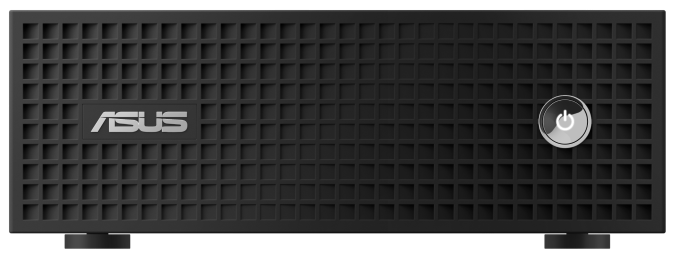
| Model | ASUS ProArt Mini PC |
| Operating system | Windows |
| Platform | NVIDIA RTX Spark |
| CPU | Up to 20-core ultra-efficient CPU |
| Graphics | Up to 6,144-core Blackwell RTX GPU |
| AI performance | Up to 1 Petaflop FP4 AI performance |
| Memory | Up to 128GB shared high-bandwidth unified memory |
| Storage | M.2 NVMe PCIe 5.0 / 4.0 SSD storage slots |
| Wireless | AW-EM637 Wi-Fi 7 (Gig+) 2×2 + Bluetooth 5.4 |
| Front I/O | Power button with LED |
| Rear USB-C | 3x USB 3.2 Gen 2×2 Type-C, 20Gbps, DisplayPort Alt Mode |
| Power input / USB-C PD | 1x USB 3.2 Gen 2×2 Type-C with 180W EPR PD 3.1 input |
| Display output | 1x HDMI 2.1 |
| Networking | 1x 10G LAN |
| Additional power input | 1x DC-in or Type-C PD input |
| Security slot | 1x Kensington Lock |
| Dimensions | 150 x 150 x 51 mm |
The Software Factor
Hardware only works if the software supports it. ASUS is pushing its own tools like ProArt Creator Hub and MuseTree, but the real test is how well RTX Spark accelerates industry-standard apps like Adobe, Blender, and Blackmagic Design. If the app support is seamless, this hardware will be incredibly useful.
| Software / ecosystem element | Why it matters |
| ProArt Creator Hub | System control and workflow optimization for creators. |
| MuseTree | AI-assisted creative workflow tool. |
| Adobe apps | Photo, video, design, and production workflows. |
| Blender | 3D modeling, rendering, and animation workflows. |
| Blackmagic Design apps | Video editing, grading, and production workflows. |
| Local AI tools | AI processing without relying entirely on cloud services. |
The Takeaway
Putting RTX Spark in the ProArt line was the right move. The combination of huge unified memory, local AI processing, and top-tier OLED displays is exactly what professionals need. Now, ASUS just needs to deliver on the practical side: fair pricing, good thermals, and rock-solid software support.
Read our COMPUTEX 2026 recap here:
The Most Interesting Laptop and PC Hardware We Saw at COMPUTEX 2026
 Author: Simeon NikolovEditor-in-Chief at LaptopMedia.com with 20+ years of experience in testing and analyzing laptops and mobile devices.

![[July 2026] Amazon Canada: Top 10 Best-Selling Laptops – Apple MacBook Neo Dominates the Market to Claim the #1 Spot](https://laptopmedia.com/wp-content/uploads/2026/08/Best-Selling-Laptops-CA-Top-10-2-400x225.jpg)
![[July 2026] Best-Selling Laptop Brands on Amazon Japan – HP and Lenovo Dominate Units and Revenue Amid Fierce Competition](https://laptopmedia.com/wp-content/uploads/2026/08/CO.JP-Best-Brands-2-400x225.jpg)
![[July 2026] Amazon Italy: Top 10 Best-Selling Laptops – Apple MacBook Neo Claims the #1 Spot Amid Budget-Friendly Dominance](https://laptopmedia.com/wp-content/uploads/2026/08/Best-Selling-Laptops-IT-Top-10-400x225.jpg)
![[July 2026] Amazon Italy: Top 5 Best-Selling Gaming Laptops – ASUS V16 Claims the Crown While Mid-Range Powerhouses Dominate Sales](https://laptopmedia.com/wp-content/uploads/2026/08/Best-Selling-Gaming-Laptops-IT-Top-10-400x225.jpg)
![[July 2026] Best-Selling Laptop Brands on Amazon Italy – HP Leads in Volume While Apple Dominates Revenue](https://laptopmedia.com/wp-content/uploads/2026/08/IT-Best-Brands-400x225.jpg)
This is the first “AI laptop” concept that actually sounds useful for creators instead of just marketing.