ASUS Vivobook 15 OLED (X1505) – Top 5 Pros and Cons
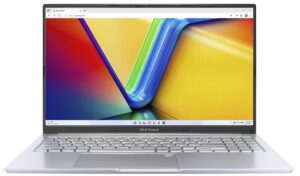
 The ASUS Vivobook 15 OLED (X1505) is another budget-conscious laptop at first glance, however, the OLED display and the availability of Alder Lake H-series processors make this a serious contender for a Creator laptop. Of course, if you just need a laptop for lighter work and daily use, you can stick with the Alder Lake U-series, which will undoubtedly increase efficiency, while costing less as well.
Today we’re presenting you with LaptopMedia’s top 5 picks about the ASUS Vivobook 15 OLED (X1505).
ASUS Vivobook 15 OLED (X1505): Full Specs / In-depth Review
3 reasons to BUY the ASUS Vivobook 15 OLED (X1505)
1. Display quality
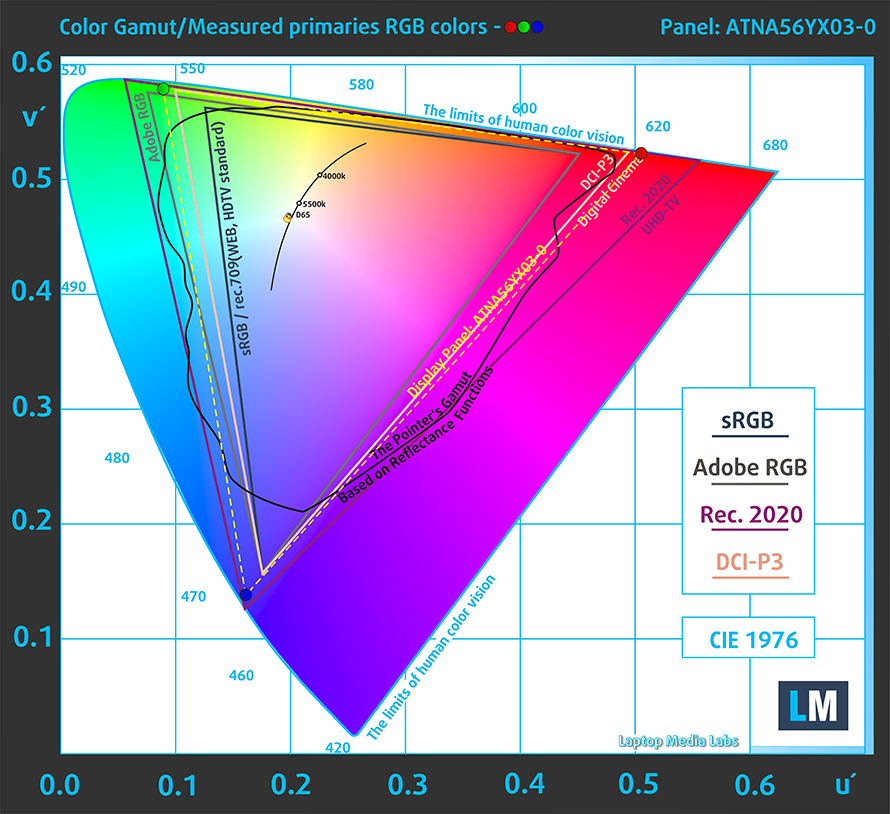
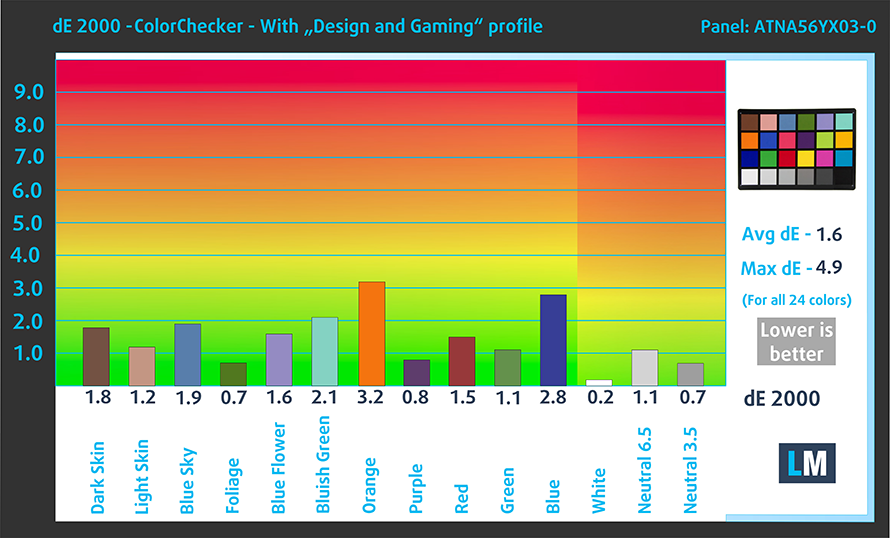
The OLED panel comes in two variants, with either a Full HD or a 2.8K resolution. The latter has a 120Hz refresh rate, while both panels have a standard 16:9 aspect ratio. We tested the Full HD versions, which are still very impressive, with great viewing angles and a peak brightness of 391 nits. Thanks to OLED technology, the contrast ratio is infinite, so you’re getting the deepest imaginable blacks. The panel also fully covers the sRGB and DCI-P3 color gamuts, while delivering incredible accuracy in the DCI-P3 color gamut with our Design and Gaming profile.
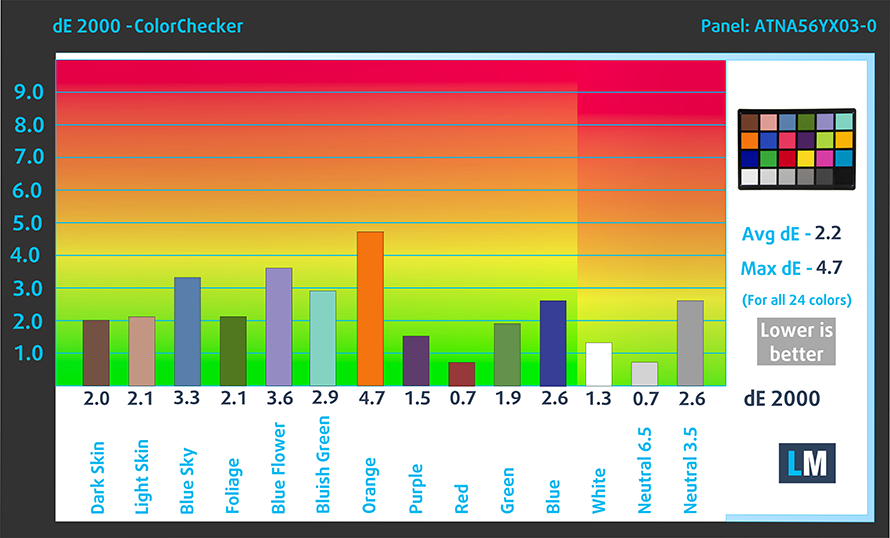
Here are the results of our accuracy test with the stock settings (left) and with our profile applied (right). With a dE value of 1.6, the laptop is perfectly ready for Creator work.
Buy our profiles
Since our profiles are tailored for each individual display model, this article and its respective profile package are meant for ASUS Vivobook 15 OLED (X1505) configurations with 15.6″ Samsung ATNA56YX03-0 (SDC4161) (1920 x 1080) OLED.
*Should you have problems with downloading the purchased file, try using a different browser to open the link you’ll receive via e-mail. If the download target is a .php file instead of an archive, change the file extension to .zip or contact us at [email protected].
Read more about the profiles HERE.
Εκτός από τη λήψη αποδοτικών και φιλικών προς την υγεία προφίλ, αγοράζοντας τα προϊόντα της LaptopMedia υποστηρίζετε επίσης την ανάπτυξη των εργαστηρίων μας, όπου δοκιμάζουμε συσκευές για να παράγουμε τις πιο αντικειμενικές δυνατές αξιολογήσεις.

Office Work
Το Office Work πρέπει να χρησιμοποιείται κυρίως από χρήστες που περνούν τον περισσότερο χρόνο τους κοιτάζοντας κείμενα, πίνακες ή απλώς σερφάροντας. Αυτό το προφίλ στοχεύει στην παροχή καλύτερης ευκρίνειας και σαφήνειας διατηρώντας μια επίπεδη καμπύλη γάμμα (2.20), εγγενή θερμοκρασία χρώματος και αντιληπτικά ακριβή χρώματα.

Design and Gaming
Αυτό το προφίλ απευθύνεται σε σχεδιαστές που εργάζονται επαγγελματικά με χρώματα, καθώς και για παιχνίδια και ταινίες. Το Design and Gaming ωθεί τα πάνελ οθόνης στα όριά τους, καθιστώντας τα όσο το δυνατόν πιο ακριβή στο πρότυπο sRGB IEC61966-2-1 για Web και HDTV, σε λευκό σημείο D65.

Health-Guard
Το Health-Guard εξαλείφει την επιβλαβή διαμόρφωση πλάτους παλμού (PWM) και μειώνει το αρνητικό Μπλε Φως που επηρεάζει τα μάτια και το σώμα μας. Δεδομένου ότι είναι ειδικά προσαρμοσμένο για κάθε πάνελ, καταφέρνει να διατηρεί τα χρώματα αντιληπτικά ακριβή. Το Health-Guard προσομοιώνει το χαρτί, οπότε η πίεση στα μάτια μειώνεται σημαντικά.
Αποκτήστε και τα 3 προφίλ με 33% έκπτωση

2. Input devices
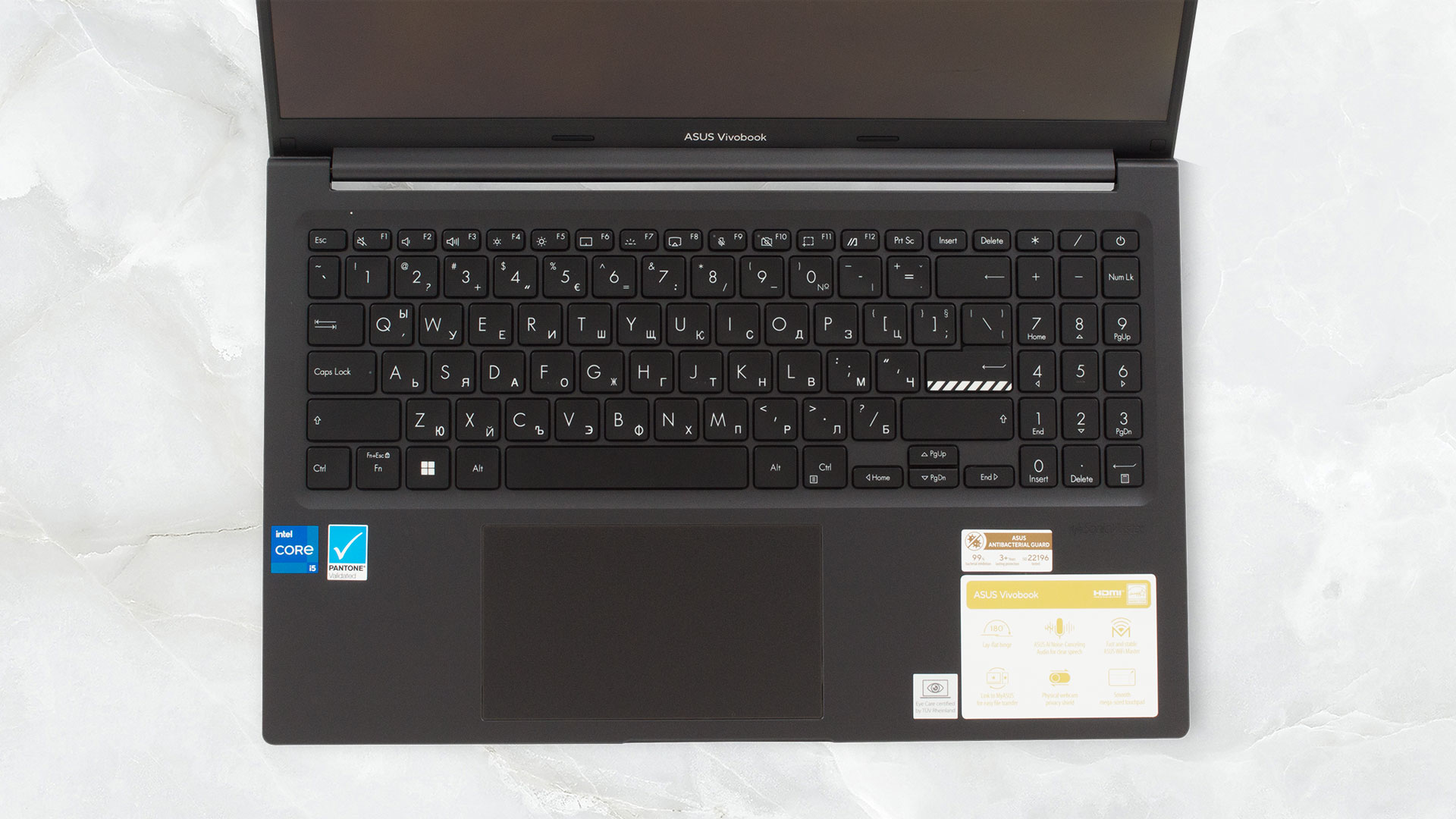
The base of the Vivobook is first of all protected by ASUS’s Antibacterial guard, which prevents the growth and spread of bacteria, which is useful in the post-COVID era. As for what’s on the base, we have a full-sized backlit keyboard with long key travel and clicky feedback. The touchpad is also pretty big, while the responsiveness and accuracy are up there as well.
3. Upgradeability
The Vivobook has decent upgradeability, with some soldered memory and one SODIMM slot. You get up to 8GB of soldered DDR4 RAM, with up to an additional 32GB through the slot. For storage, there’s one M.2 slot for both Gen 3 and Gen 4 drives.
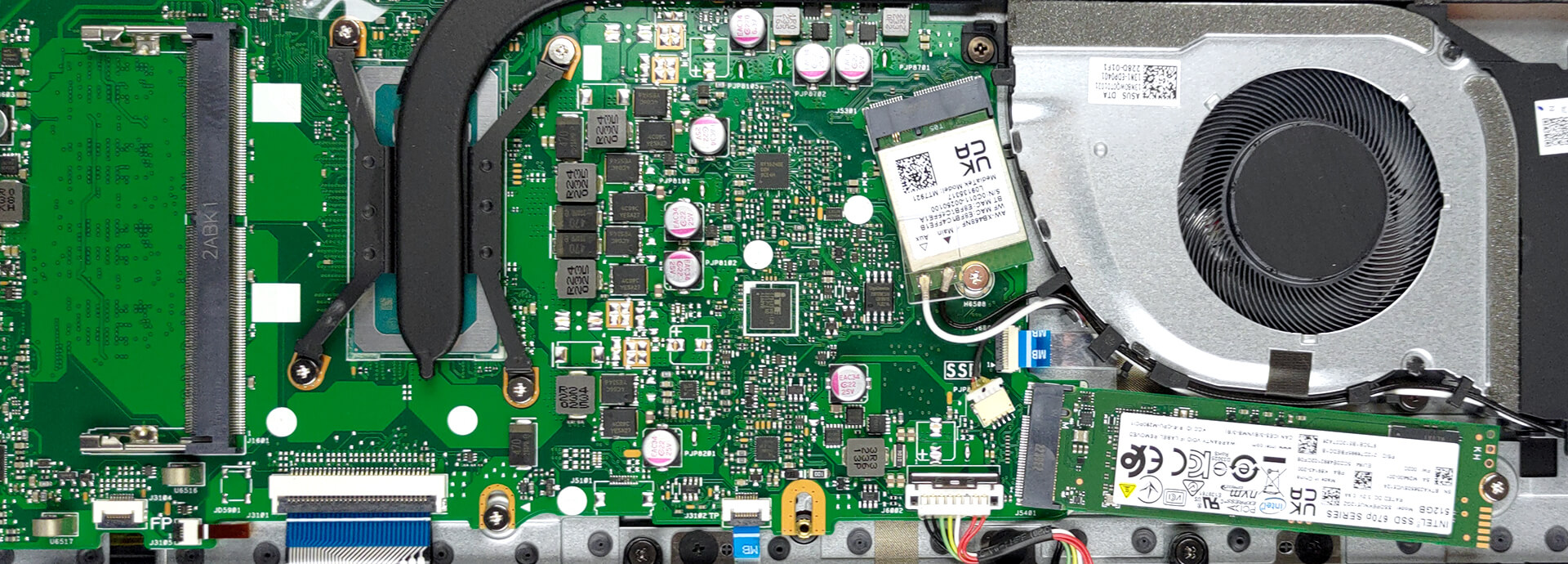
Here’s our teardown video, which shows how to access both the RAM and the SSD slot.
2 reasons NOT to buy the ASUS Vivobook 15 OLED (X1505)
1. Plastic chassis
Similar to the previous Vivobook 16 that we reviewed, we’ve got a fully plastic chassis. It doesn’t boast very good durability, with a good degree of flex from both the lid and the base. It’s a magnet for fingerprints, however, the material feels good to the touch, so better bring a cleaning cloth with you. Plastic also helps with keeping the weight down, as the Vivobook weighs only 1.70 kg and has a profile of 19.9 mm.
2. I/O
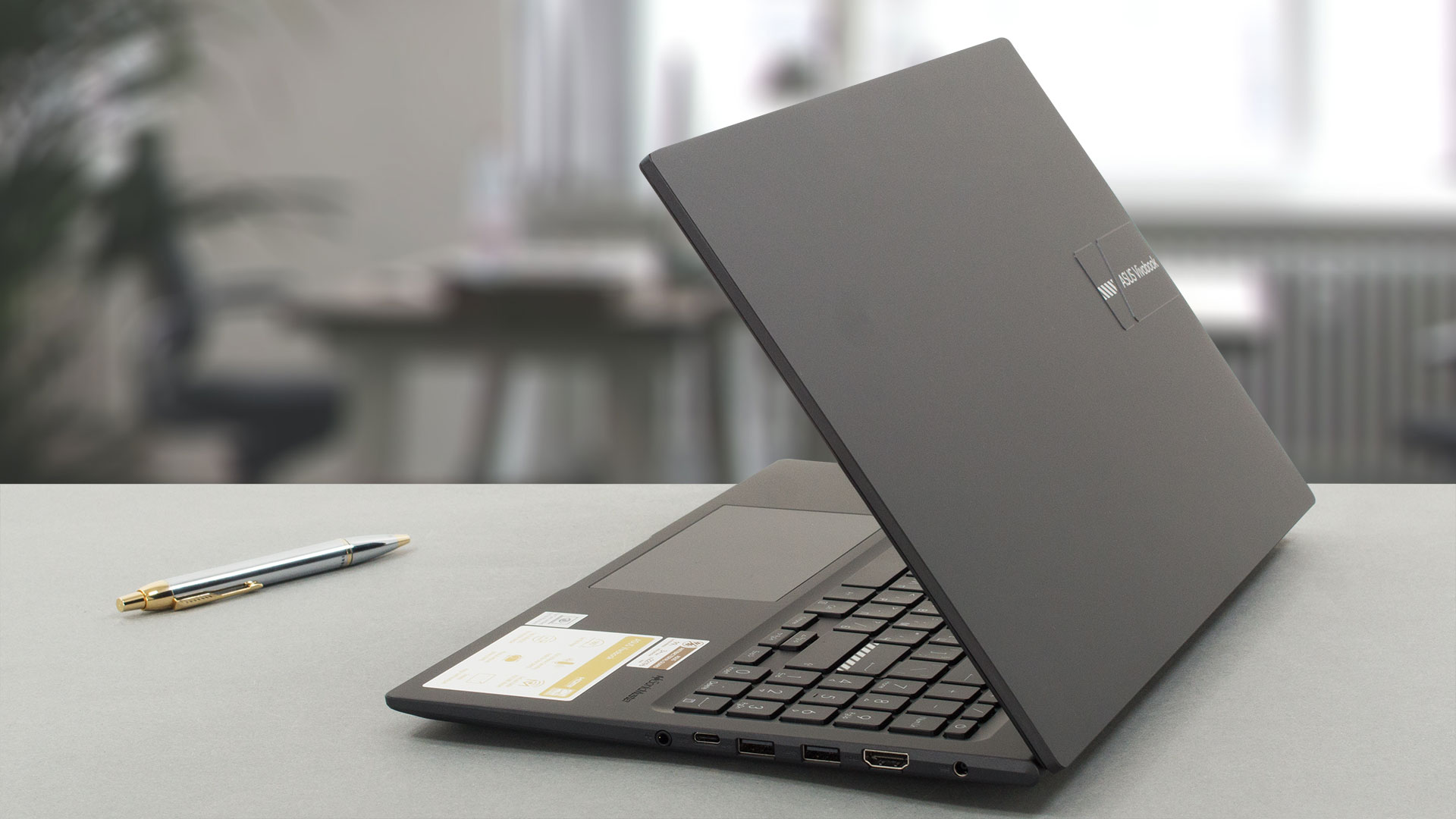
The port selection of the laptop lacks some stuff, with one USB 2.0 port, two USB Type-A 3.2 (Gen. 1) ports, one USB Type-C 3.2 (Gen. 1) port, an HDMI 1.4 port, and an audio jack. Thunderbolt is missing, as well as any memory card slot, which is weird in a laptop that will be curated towards creators, whether ASUS wants it to be or not.


All ASUS Vivobook 15 OLED (X1505) configurations:
 Author: Severin Kolakov

![[Ιούνιος 2026] Οι μάρκες φορητών υπολογιστών με τις μεγαλύτερες πωλήσεις στο Amazon Global – Η ασύγκριτη κυριαρχία της Apple σε αριθμό μονάδων και έσοδα](https://laptopmedia.com/wp-content/uploads/2026/07/GLOBAL-Best-Brands-400x225.jpg)
![[Ιούνιος 2026] Amazon Global: Οι 10 πιο δημοφιλείς φορητοί υπολογιστές – Το νέο MacBook Neo της Apple κατακτά την πρώτη θέση, αναδιαμορφώνοντας την αγορά χάρη στην προσιτή τιμή του](https://laptopmedia.com/wp-content/uploads/2026/07/Best-Selling-Laptops-GLOBAL-Top-10-400x225.jpg)
![[Ιούνιος 2026] Amazon Global: Οι 10 πιο δημοφιλείς φορητοί υπολογιστές για παιχνίδια – Το Nitro V 16S AI της Acer κυριαρχεί στις πωλήσεις, ενώ η ASUS προηγείται σε συνολικά έσοδα](https://laptopmedia.com/wp-content/uploads/2026/07/Best-Selling-Gaming-Laptops-GLOBAL-Top-10-400x225.jpg)
![[Ιούνιος 2026] Παγκόσμια κατάταξη των πιο δημοφιλών GPU για φορητούς υπολογιστές στο Amazon – Η NVIDIA RTX 5060 είναι η πιο δημοφιλής ειδική GPU](https://laptopmedia.com/wp-content/uploads/2026/07/Best-Selling-GPUs-GLOBAL-Top-10-400x225.jpg)
![[Ιούνιος 2026] Παγκόσμια κατάταξη των πιο δημοφιλών επεξεργαστών για φορητούς υπολογιστές στο Amazon – Ο Apple M5 κυριαρχεί, ενώ ο AMD Ryzen 7 260 καταλαμβάνει σημαντικό μερίδιο στην κατηγορία premium](https://laptopmedia.com/wp-content/uploads/2026/07/Best-Selling-CPUs-GLOBAL-Top-10-400x225.jpg)