Myth or Reality: Startup Flow Computing Claims To Offer 100x Performance Improvement to Any CPU
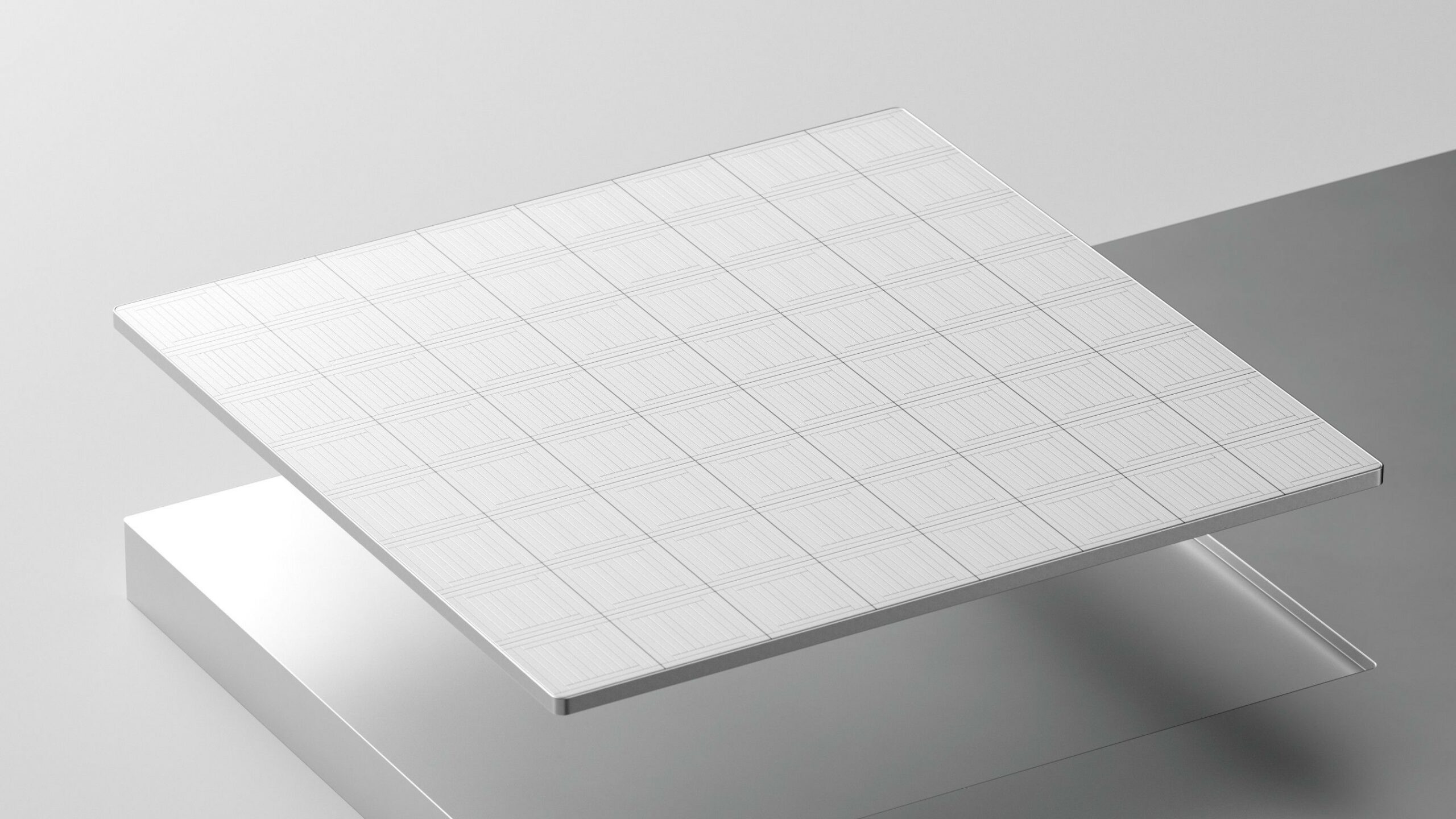 The world has seen many startups make wild claims, from Theranos apparently revolutionizing blood tests, to Humane AI and its Pin that you need to wear on you all the time. Today we’ve got something totally different, though. Flow Computing is a Finish startup. Now they’ve made a piece of silicon that’s not really a CPU on its own but has to be integrated into an existing processor die.
First of all, though, let’s do a quick rundown of how a CPU works. CPUs are serial processors, which means that it can perform only one thing at a time. Yes, it can switch between tasks very quickly, but at the end of the day, it’s a one-lane road so only one car at a time. On the other hand, though, it can handle a lot of different tasks, making them very versatile.
What Flow is doing is adding a Parallel Processing Unit or a PPU for short. It’s a pipeline management processor that can assist the main CPU, giving it all the tools it needs for each task, so the CPU doesn’t have to lose time with requesting them and having them delivered. It can also swap tasks in nanoseconds, so it feels like the CPU has multiple working lanes. It makes sense on paper, but we’d like to see some actual results and not just claims. According to Flow, every CPU could expect a 2x increase in performance, while with further software tweaks, CPUs can expect up to 100x improvements in certain workloads.
This new PPU solution is made with every device in mind, so if successful, we could see smartphones, smartwatches, and pretty much any device with a CPU to utilize a PPU too. The PPU can work with any instruction set, so both ARM chips and x86 chips can potentially utilize it.
This new PPU doesn’t put any extra strain on the CPU that would generate excessive heat or require more power, it just uses the performance of the chip more efficiently. The fact is that CPUs haven’t seen much improvement in terms of groundbreaking technology, so if Flow’s method actually works well, it could give processors a much-needed shot in the arm that can allow them to stay on par with GPU performance in what’s starting to be an AI race.

 Author: Severin Kolakov

![[2026. június] Az Amazon Global legkelendőbb laptopmárkái – az Apple páratlan dominanciája az eladott darabszám és a bevétel tekintetében](https://laptopmedia.com/wp-content/uploads/2026/07/GLOBAL-Best-Brands-400x225.jpg)
![[2026. június] Amazon Global: A 10 legkelendőbb laptop – Az Apple új MacBook Neo-ja az első helyre tör, és megfizethető árával újjáformálja a piacot](https://laptopmedia.com/wp-content/uploads/2026/07/Best-Selling-Laptops-GLOBAL-Top-10-400x225.jpg)
![[2026. június] Amazon Global: A 10 legkelendőbb játékos laptop – az Acer Nitro V 16S AI vezeti az eladási listát, míg az ASUS az összbevétel tekintetében áll az élen](https://laptopmedia.com/wp-content/uploads/2026/07/Best-Selling-Gaming-Laptops-GLOBAL-Top-10-400x225.jpg)
![[2026. június] Az Amazonon legkelendőbb laptop-grafikus kártyák globális ranglistája – az NVIDIA RTX 5060 a legkelendőbb dedikált grafikus kártya](https://laptopmedia.com/wp-content/uploads/2026/07/Best-Selling-GPUs-GLOBAL-Top-10-400x225.jpg)
![[2026. június] Az Amazonon legkelendőbb laptop-processzorok globális rangsora – az Apple M5 vezet, az AMD Ryzen 7 260 pedig jelentős részesedést szerez a prémium szegmensben](https://laptopmedia.com/wp-content/uploads/2026/07/Best-Selling-CPUs-GLOBAL-Top-10-400x225.jpg)

This would be great if RAM didn’t exist. But it does. And they do nothing to improve the RAM bus speed. So it isn’t going to speed anything up than the existing RAM bus permits. 100x is laughable.