NVIDIA GeForce MX130 vs Intel Iris Plus G7 – equivalent battle
 At least for us, a comparison between iGPU and dedicated graphics cards is always interesting and we are curious to see the end result. That’s why we are so impatient to test the upcoming integrated AMD RX Vega iGPUs in the Zen 2 processors – perhaps, at last, we will see an integrated graphics solution that is faster than NVIDIA MX250 because even Iris Plus G7 and RX Vega 10 are slower than NVIDIA’s budget champion.
We are still looking for a low-end video card that has the same performance as the iGPU king – the Intel Iris Plus G7. At least for now, the latter is faster than the MX110 and slower than MX250. The next one on the list is the GeForce MX130. This video card has the same shader unit count as MX250 which is a good sign for a decent performance.
See all configurations with GeForce MX130 / Intel Iris Plus G7
Contents
Specs overview
The MX130 has 384 shader units, 8 ROPs, 1122 MHz / 1242 MHz base and boost frequencies, 7000MHz memory clock, a 64-bit memory bus, and up to 4GB memory. It’s a Maxwell GPU.
The Intel Iris Plus G7 has 64 EUs, 300 MHz / 1000 MHz base and boost clocks. It has variable memory size and its memory clock is related to the RAM frequency.
GPU comparison table
| MX130 | Intel Iris Plus G7 | |
|---|---|---|
| Architecture | Maxwell | iGPU in 10th gen SoCs |
| GPU chip | N16S-GTR | Iris G7 |
| Shader units | 384 (+500%) | 64 |
| ROPs | 8 | – |
| Base Clock (MHz) | 1122 (+274%) | 300 |
| Boost clock (MHz) | 1242 (+13%) | 1100 |
| Memory clock (MHz) | 5012 | depends on RAM frequency |
| Memory size (MB) | 2048-4096 | variable |
| Memory type | DDR3/GDDR5 | DDR4 |
| Memory bus width (bit) | 64 | – |
| TGP (Total Graphics Power) | TDP:15(+13%)-30W(+20%) | TDP: 12-25+W |
| DirectX version | 12.0 | 12.1 |
| Technology | 28nm | 10nm |
| RTX capabilities | No | No |
| Release date | 02.2018 | 01.2019 |
| Detailed specs | Link | Link |
This time the Iris G7 competitor doesn’t look that potent as the MX250 so maybe we found a GPU with the same power as Intel’s one? Maybe, let’s continue.
Synthetic benchmarks
The Intel Iris Plus G7 is faster in those four synthetic benchmarks and especially in Unigine Superposition which shows that it has better software optimizations for newer games.
| NVIDIA GeForce MX130 over Intel Iris Plus G7 | 3Dmark Fire Strike (G) | Unigine Heaven 3.0 | Unigine Heaven 4.0 | Unigine Superposition | Average difference % |
|---|---|---|---|---|---|
| NVIDIA GeForce MX130 | |||||
| Intel Iris Plus G7 | 15% | 16% | 9% | 45% | 21% |
Gaming tests
Ok, the Iris G7 is faster in the synthetics but the main focus here is the real-life tests.

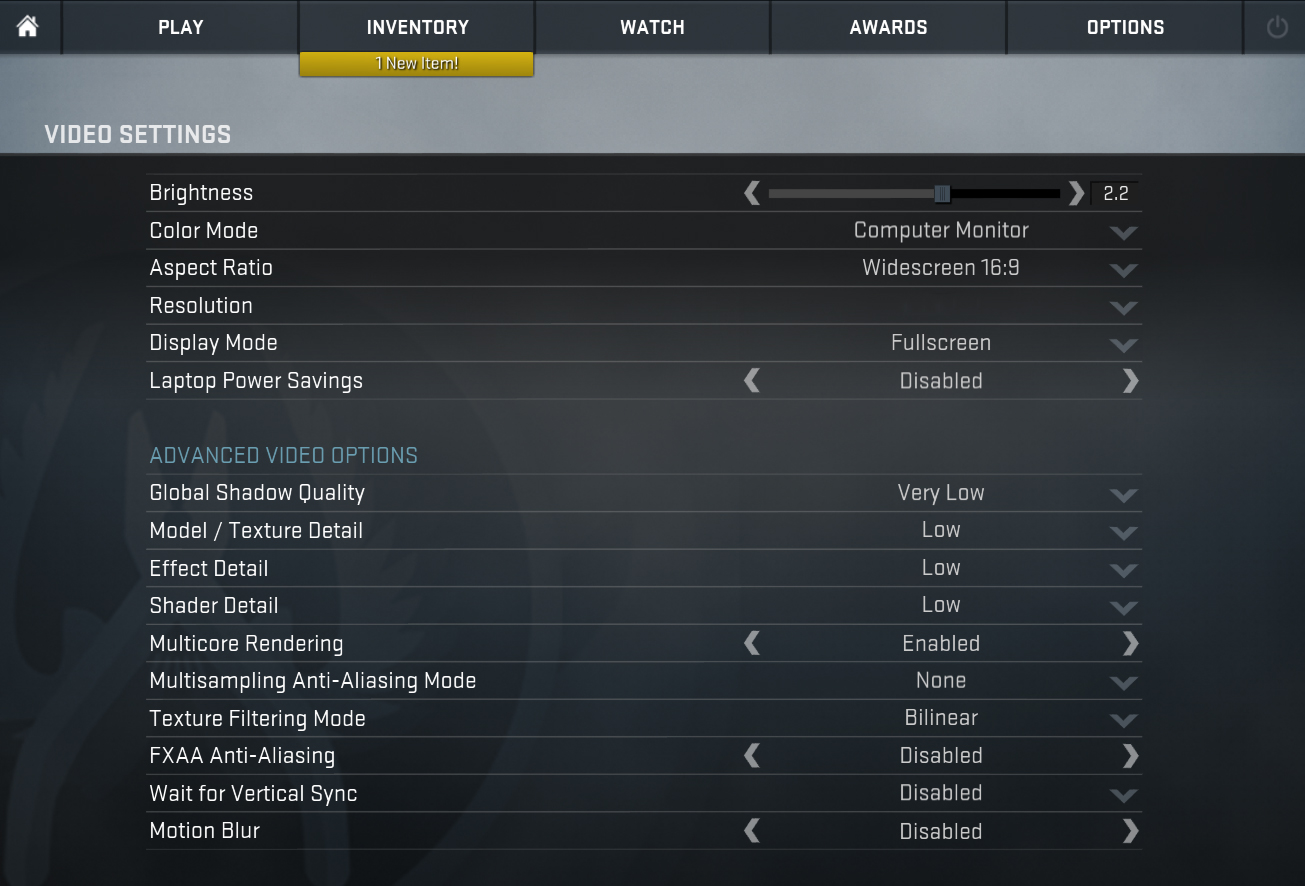
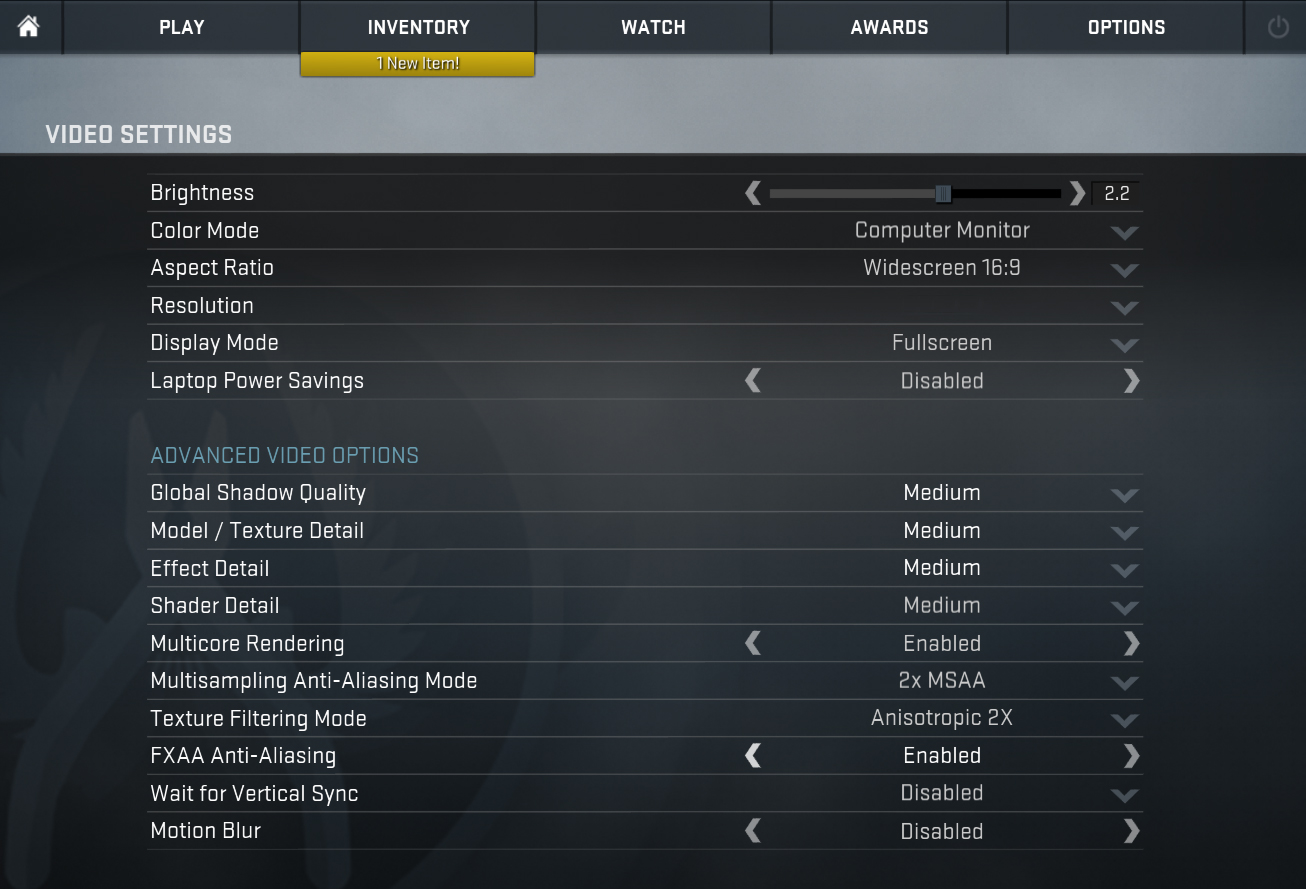
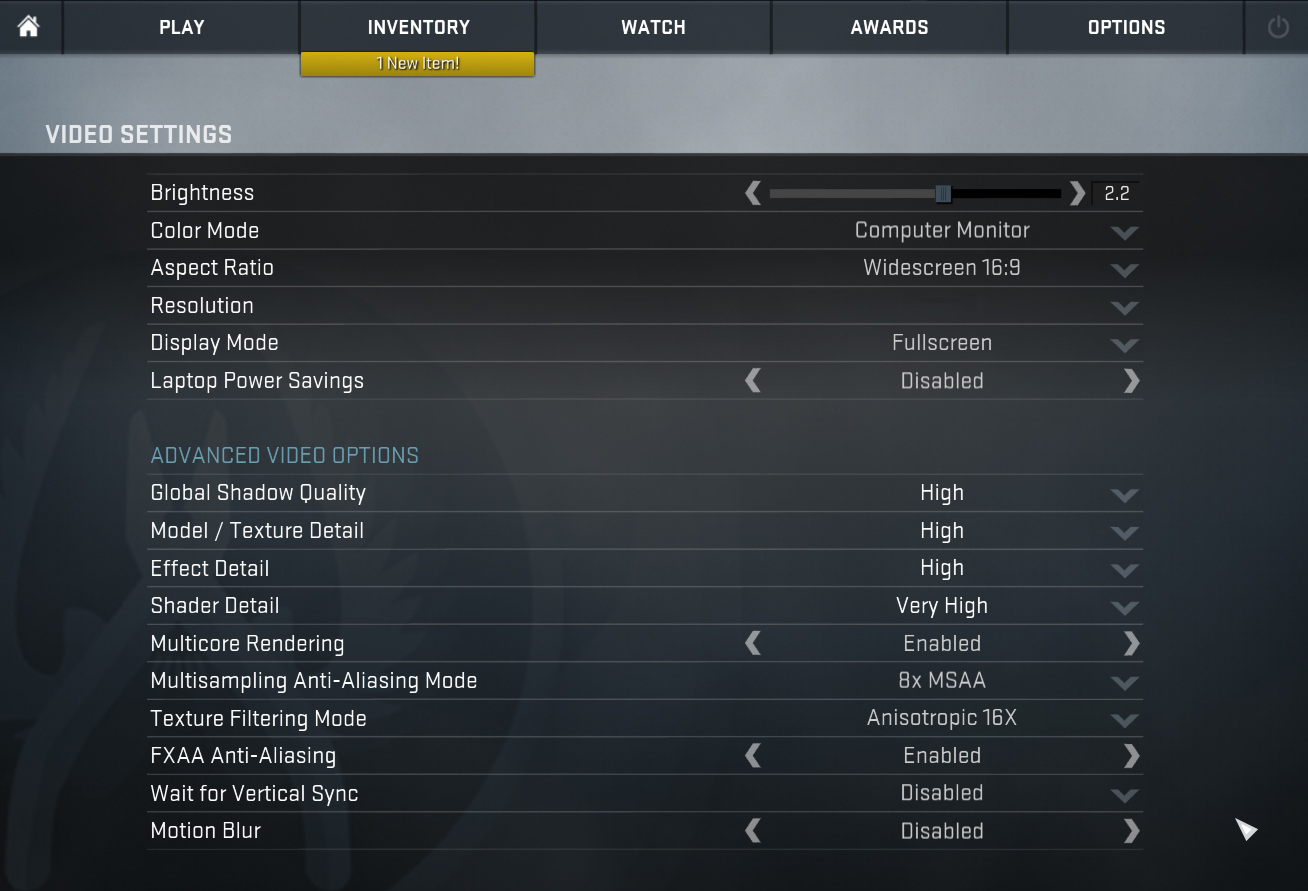
| CS:GO | HD 1080p, Low (Check settings) | HD 1080p, Medium (Check settings) | HD 1080p, MAX (Check settings) |
|---|---|---|---|
| NVIDIA GeForce MX130 | 93 fps | 57 fps (+2%) | 41 fps (+37%) |
| Intel Iris Plus G7 | 93 fps | 56 fps | 30 fps |
Both GPUs perform on par at Low and Medium settings. The MX130 has the upper hand at Max preset but 41 FPS are not enough for smooth gameplay in CS:GO.

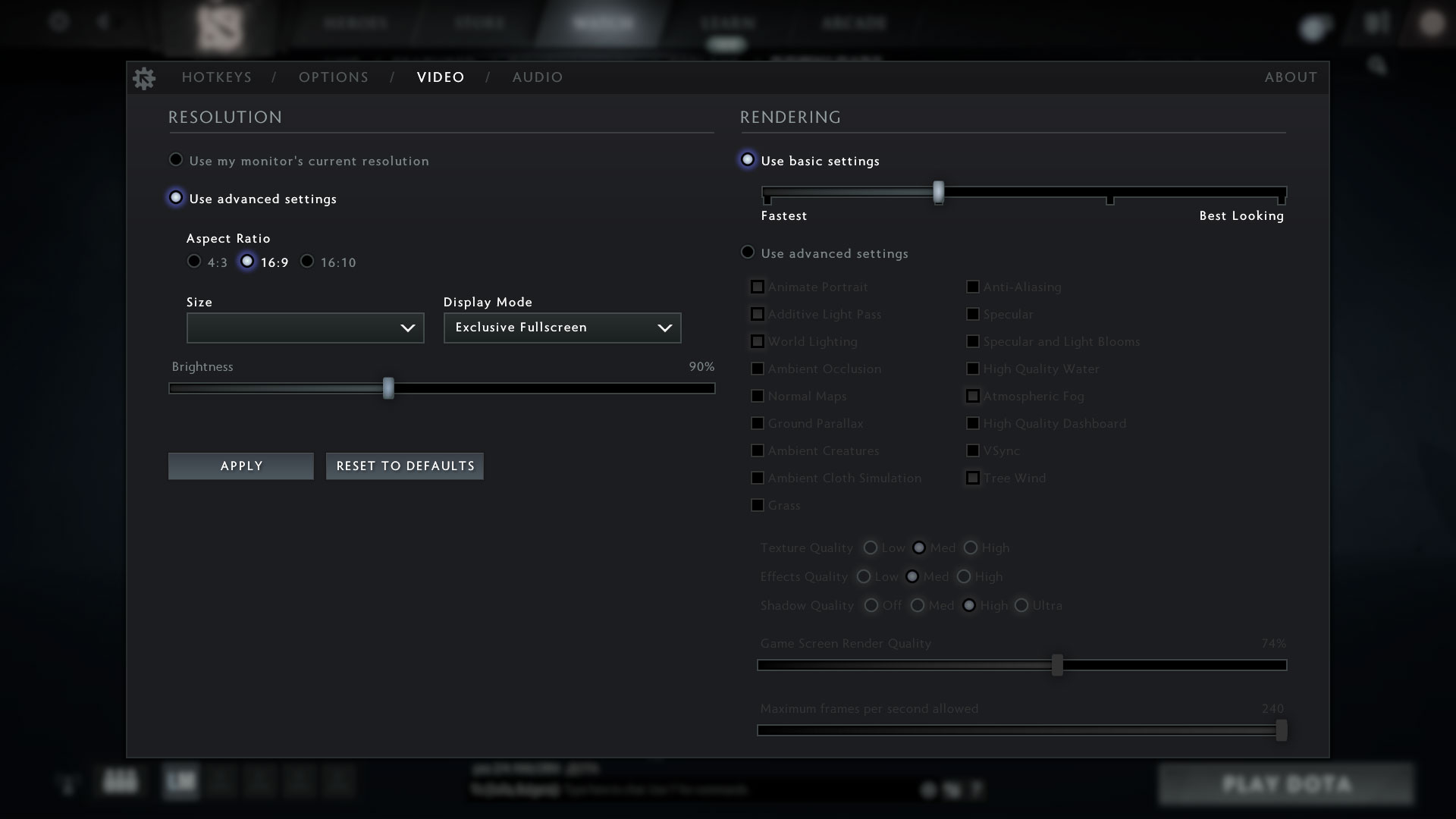
| DOTA 2 | HD 1080p, Low (Check settings) | HD 1080p, Normal (Check settings) | HD 1080p, High (Check settings) |
|---|---|---|---|
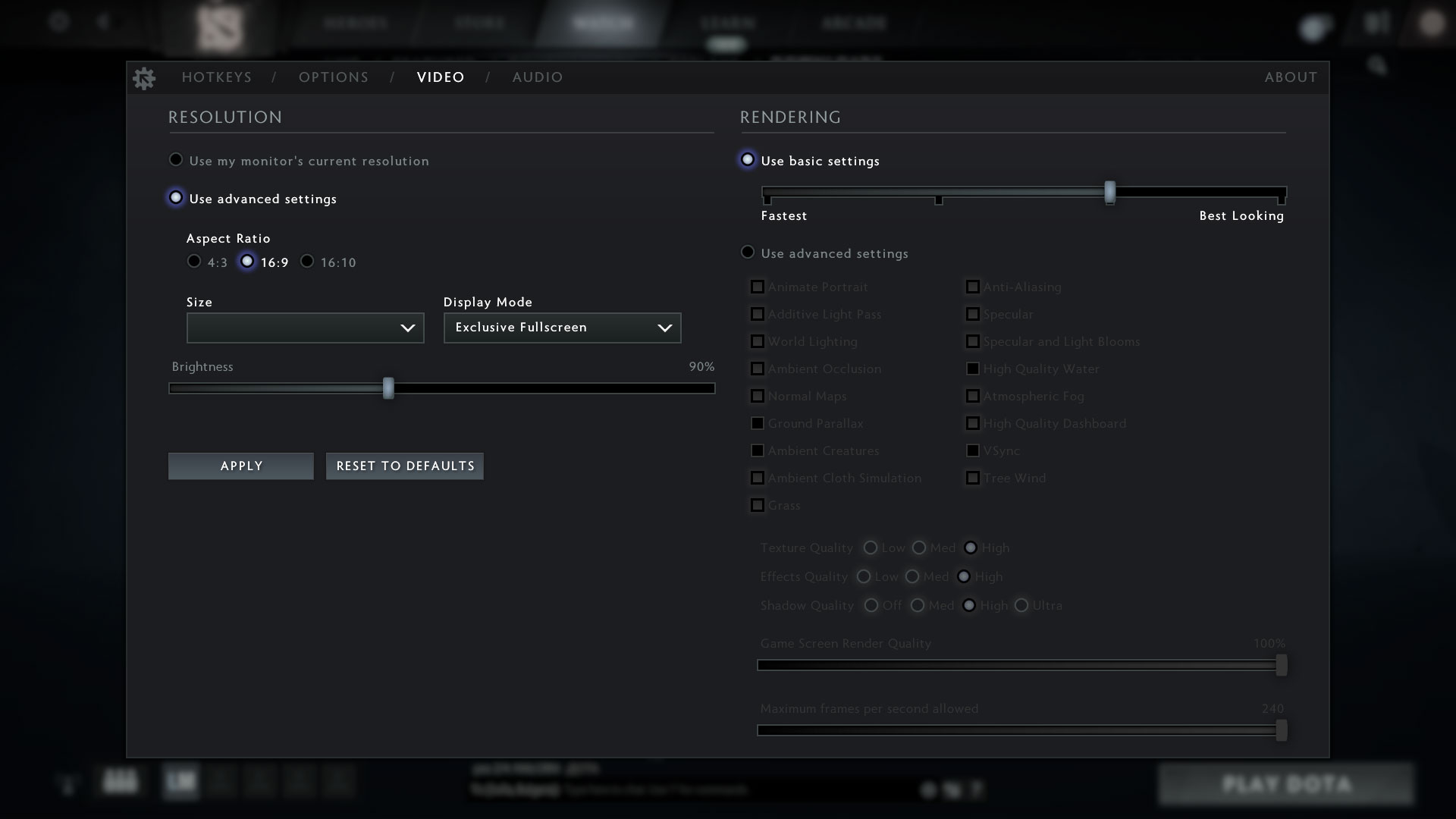
| NVIDIA GeForce MX130 | 87 fps | 65 fps | 29 fps |
| Intel Iris Plus G7 | 99 fps (+14%) | 74 fps (+14%) | 35 fps (+21%) |
The Intel Iris Plus G7 is faster in DOTA 2 (which uses the same Source engine as CS:GO) from 14% to 21%. An excellent result for an iGPU.
Performance summary (gaming tests)
If we have to summarize it, Intel’s representative is a bit faster than MX130.
| NVIDIA GeForce MX130 over Intel Iris Plus G7 | Full HD, Low | Full HD, Normal | Full HD, High | Average difference % |
|---|---|---|---|---|
| NVIDIA GeForce MX130 | +8% | |||
| Intel Iris Plus G7 | +14% | +6% | +4% |
Verdict
Finally, we found a dedicated GPU that has a close performance to Intel Iris Plus G7 and that is GeForce MX130. Don’t forget the fact that the Intel iGPU can be even faster with a dual channel mode memory (unfortunately or test device uses a single stick of RAM) – if we have an opportunity to test an optimal Ice Lake configuration with this iGPU we will update the article.
No matter what, both video cards are worthy. The MX130 is for the ones who seek the best bang for their money and they can live with a bit thicker machine that consumes a bit more power (ergo, shorter battery life) than an Ice Lake device. If you need an affordable CPU / GPU combo an MX130-based device is a good choice.
The Intel Iris G7 can be found in five Ice Lake CPUs. They all have 4 cores and 8 threads and acceptable performance. This is the main advantage of the Intel iGPU – it’s part of the whole CPU package, that’s why the power consumption and the heat dissipation are lower and that allows those SoCs to be fitted in some really thin and compact machines with great portability and battery life. The main drawback of those configurations is their hefty price tag.
All laptops equipped with the NVIDIA GeForce MX130

All laptops equipped with the Intel Iris Plus G7
 Author: Nikolay Palaozov

![[September 2026] Best-Selling Laptop Brands on Amazon Global – Apple Dominates the Market with Over 70% Revenue Share](https://laptopmedia.com/wp-content/uploads/2026/10/GLOBAL-Best-Brands-400x225.jpg)
![[September 2026] Amazon Global: Top 10 Best-Selling Laptops – Apple’s MacBook Neo Claims the #1 Spot as Budget and Premium Devices Dominate](https://laptopmedia.com/wp-content/uploads/2026/10/Best-Selling-Laptops-GLOBAL-Top-10-400x225.jpg)
![[September 2026] Amazon Global: Top 10 Best-Selling Gaming Laptops – ASUS ROG Strix G16 Dominates the Market with Record-Breaking Unit Sales](https://laptopmedia.com/wp-content/uploads/2026/10/Best-Selling-Gaming-Laptops-GLOBAL-Top-10-400x225.jpg)
![[September 2026] Global Ranking of Best-Selling Laptop GPUs on Amazon – Apple’s M5 Chip Obliterates NVIDIA in Premium Laptops, But the RTX 5060 Is the Only Dedicated GPU to Crack the Top 10](https://laptopmedia.com/wp-content/uploads/2026/10/Best-Selling-GPUs-GLOBAL-Top-10-400x225.jpg)
![[September 2026] Global Ranking of Best-Selling Laptop CPUs on Amazon – Apple’s M5 Crushes Intel as Premium Market Becomes a One-Horse Race](https://laptopmedia.com/wp-content/uploads/2026/10/Best-Selling-CPUs-GLOBAL-Top-10-400x225.jpg)