Lenovo IdeaPad 3 (15″, 2022) review
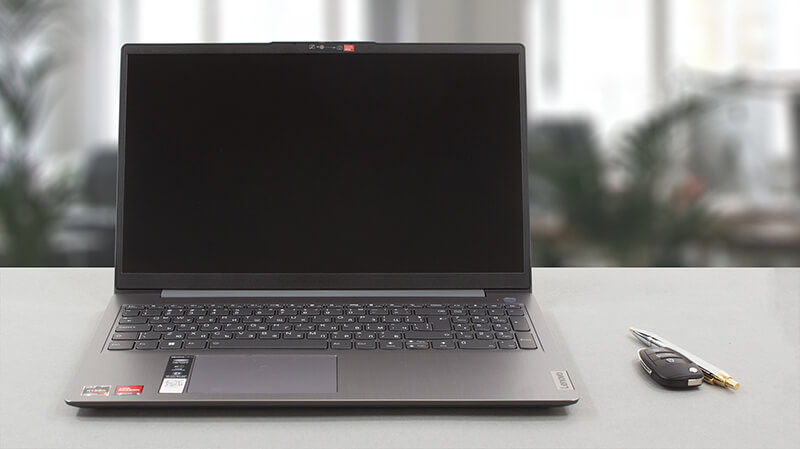 The IdeaPad 3 (15″, 2022) is an everyday machine. However, it can be equipped with the pretty powerful Ryzen 7 5825U. Now, it’s worth mentioning that Lenovo chose not to integrate the latest Ryzen 6000U processors from AMD. Perhaps, the main reason for this is cost.
Indeed, the new series of CPUs have amazing integrated graphics cards, part of the RDNA2 architecture. Unfortunately, Lenovo thought it will go bankrupt if it uses this processor for the IdeaPad 3, so it chose the recently updated Ryzen 5000U series.
Yes, we may be all critical about that, but we have to keep one thing in mind. Today, it is very easy to find a deal on a good gaming notebook. One that will have a lot of power, decent battery life, and will look pretty sleek at the same time. What would be the incentive to pay $50 less or even the same price for a laptop that doesn’t have all that power?
And that’s why every dollar matters, and why you see a lot of compromises with more affordable notebooks.
What is good about the IdeaPad 3 (15″, 2022), however, is that has said goodbye to 768p displays. We would love to see the TN panel option completely gone from the next-generation devices.
You can check the prices and configurations in our Specs System: https://laptopmedia.com/series/lenovo-ideapad-3-3i-15-2022/
Contents
Specs Sheet
Lenovo IdeaPad 3/3i (15", 2022) - Özellikler



- CPU
- Intel Core i7-1255U #156 En İyi CPU'lar arasında Intel Core i5-1335U #180 En İyi CPU'lar arasında Intel Core i3-N305 #203 En İyi CPU'lar arasında Intel Core i3-1215U #198 En İyi CPU'lar arasında AMD Ryzen 5 7530U #175 En İyi CPU'lar arasındaIntel Pentium 8505 Intel Core i5-1235U AMD Ryzen 7 5825U AMD Ryzen 5 5625U AMD Ryzen 3 7320U AMD Ryzen 3 5425U
- GPU
- Intel UHD Graphics Xe G4 (48EU) #312 En İyi GPU'lar arasında Intel UHD Graphics Xe 750 (32EU) #342 En İyi GPU'lar arasında Intel UHD Graphics (Jasper Lake 16 EU) #332 En İyi GPU'lar arasında Intel UHD Graphics (Alder Lake, 64EU) #314 En İyi GPU'lar arasında Intel UHD Graphics #363 En İyi GPU'lar arasında Intel Iris Xe Graphics G7 (96EU) #322 En İyi GPU'lar arasında Intel Iris Xe Graphics G7 (80EU) #317 En İyi GPU'lar arasında AMD Radeon RX Vega 8 (R4000/5000, 15W) #309 En İyi GPU'lar arasında AMD Radeon RX Vega 7 (R4000/5000, 15W) #320 En İyi GPU'lar arasında AMD Radeon RX Vega 6 (R4000/5000, 15W) #328 En İyi GPU'lar arasında AMD Radeon RX Vega 3 #334 En İyi GPU'lar arasında AMD Radeon 610M #329 En İyi GPU'lar arasında

- HDD/SSD
- kadar 4000GB SSD
- M.2 Yuvası
- 1x 2280 PCIe NVMe 3.0 x4 Fotoğrafı gör
- RAM
- up to 40GB
- İS
- Windows 11 Home, Windows 11 Pro, Windows 10 Home, Windows 10 Pro, Windows 11, No OS, Chrome OS, DOS
- Pil
- 38Wh, 2-cell, 45Wh, 3-cell
- Gövde Malzemesi
- Plastic / Polycarbonate
- Boyutlar
- 359.2 x 236.5 x 19.9 mm (14.14" x 9.31" x 0.78")
- Ağırlık
- 1.63 kg (3.6 lbs)
- Portlar ve bağlantı
- 1x USB Type-A
- 2.0
- 1x USB Type-A
- 3.2 Gen 1 (5 Gbps)
- 1x USB Type-C
- 3.2 Gen 1 (5 Gbps), Power Delivery (PD), DisplayPort
- HDMI
- 1.4b
- Kart Okuyucu
- MMC, SD, SDHC, SDXC
- Ethernet LAN
- Wi-Fi
- 802.11ax
- Bluetooth
- 5.1
- Ses jakı
- 3.5mm Combo Jack
- Özellikler
- Parmak izi okuyucu
- optional
- Web kamerası
- HD
- Arkadan aydınlatmalı klavye
- optional
- Mikrofon
- Dual Array Microphone
- Hoparlörler
- 2x 1.5W, Dolby Audio
- Optik sürücü
- Güvenlik Kilidi yuvası
Tümü Lenovo IdeaPad 3/3i (15″, 2022) yapılandırmalar
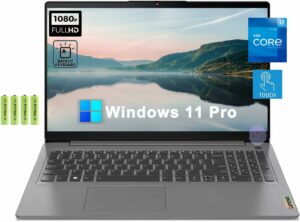
What’s in the box?
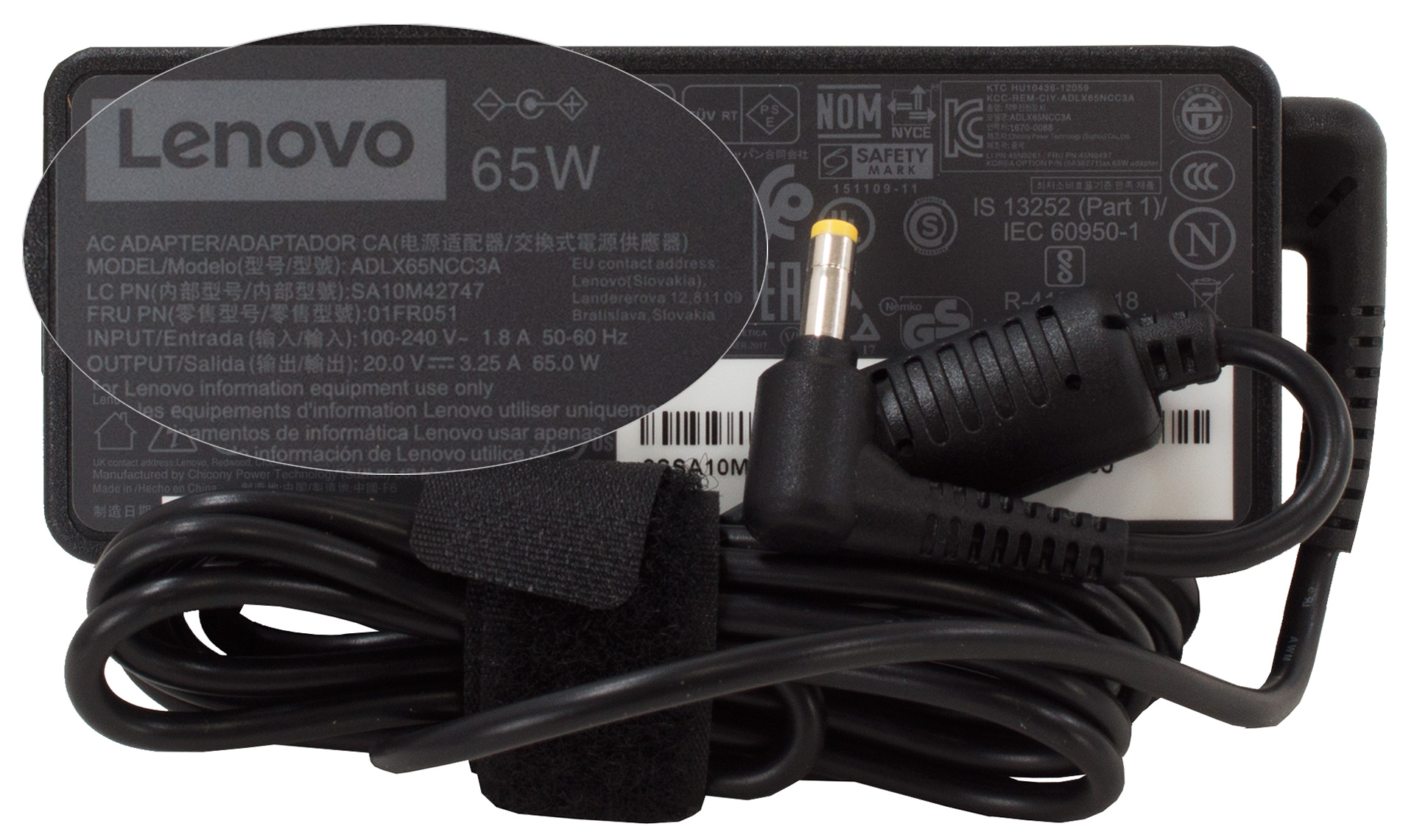
Inside the packaging, you will find a 65W power adapter with a barrel-style plug, as well as some paper manuals.
Design and construction
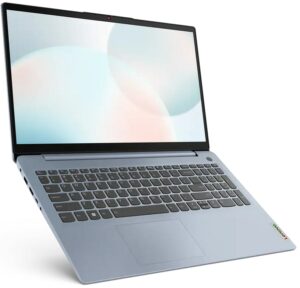
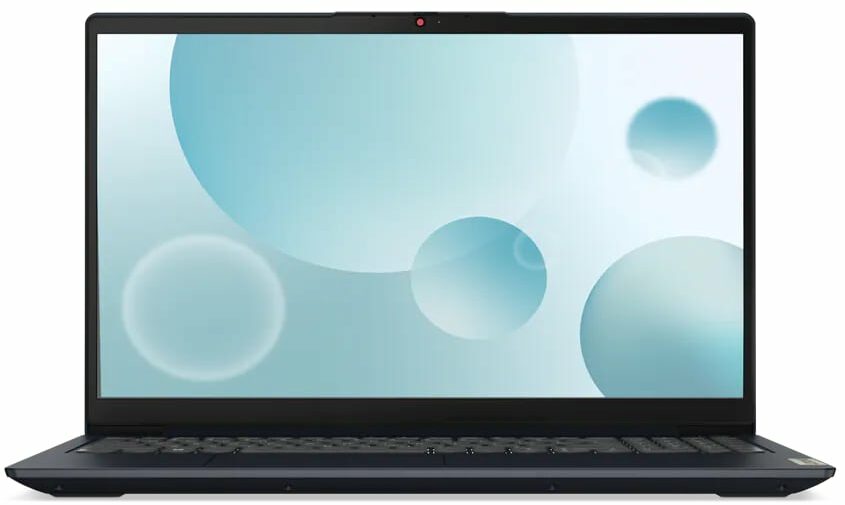
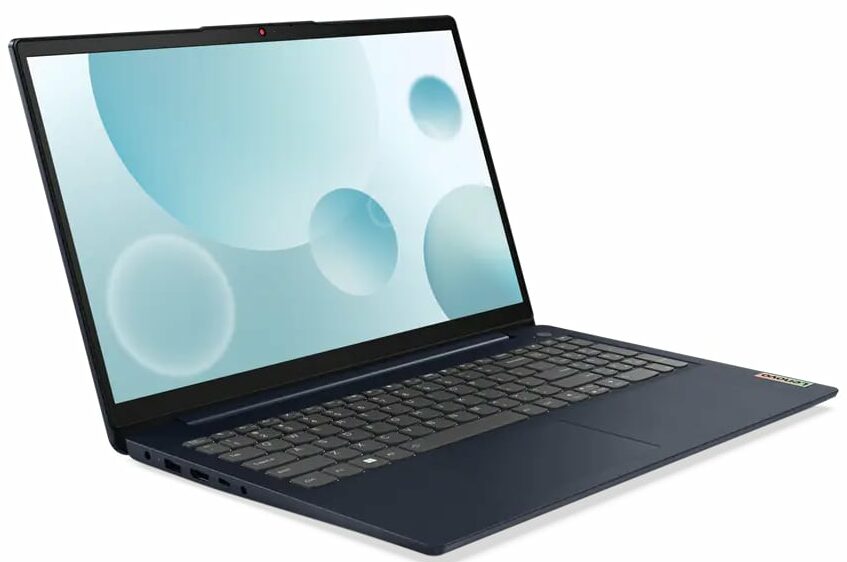
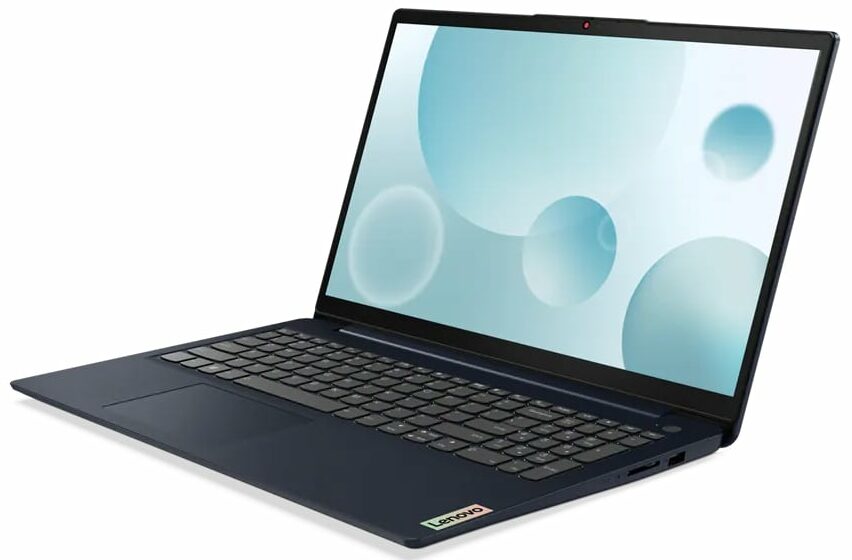
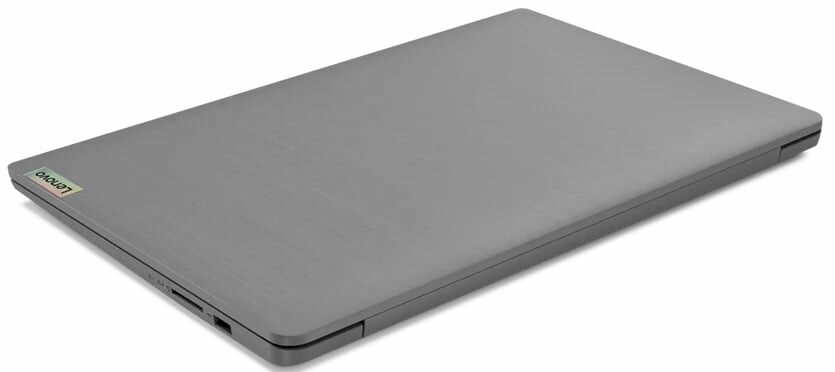
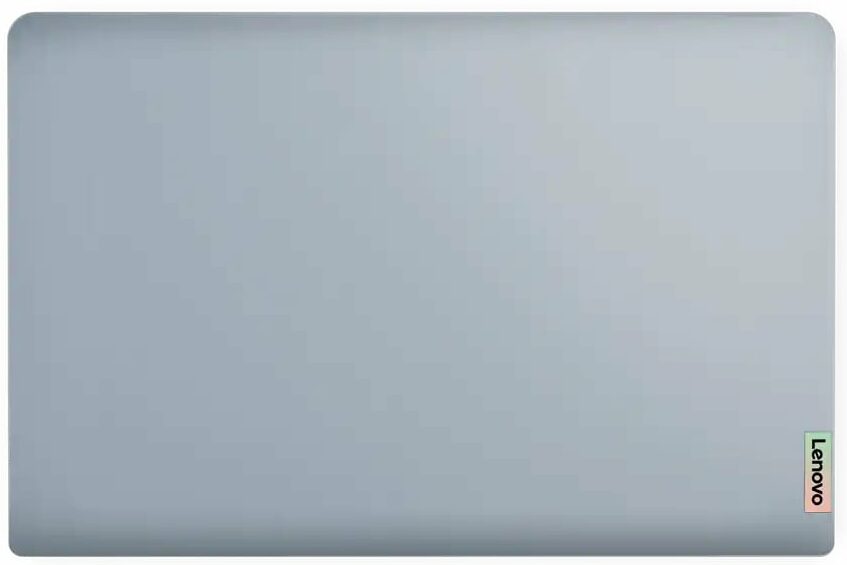
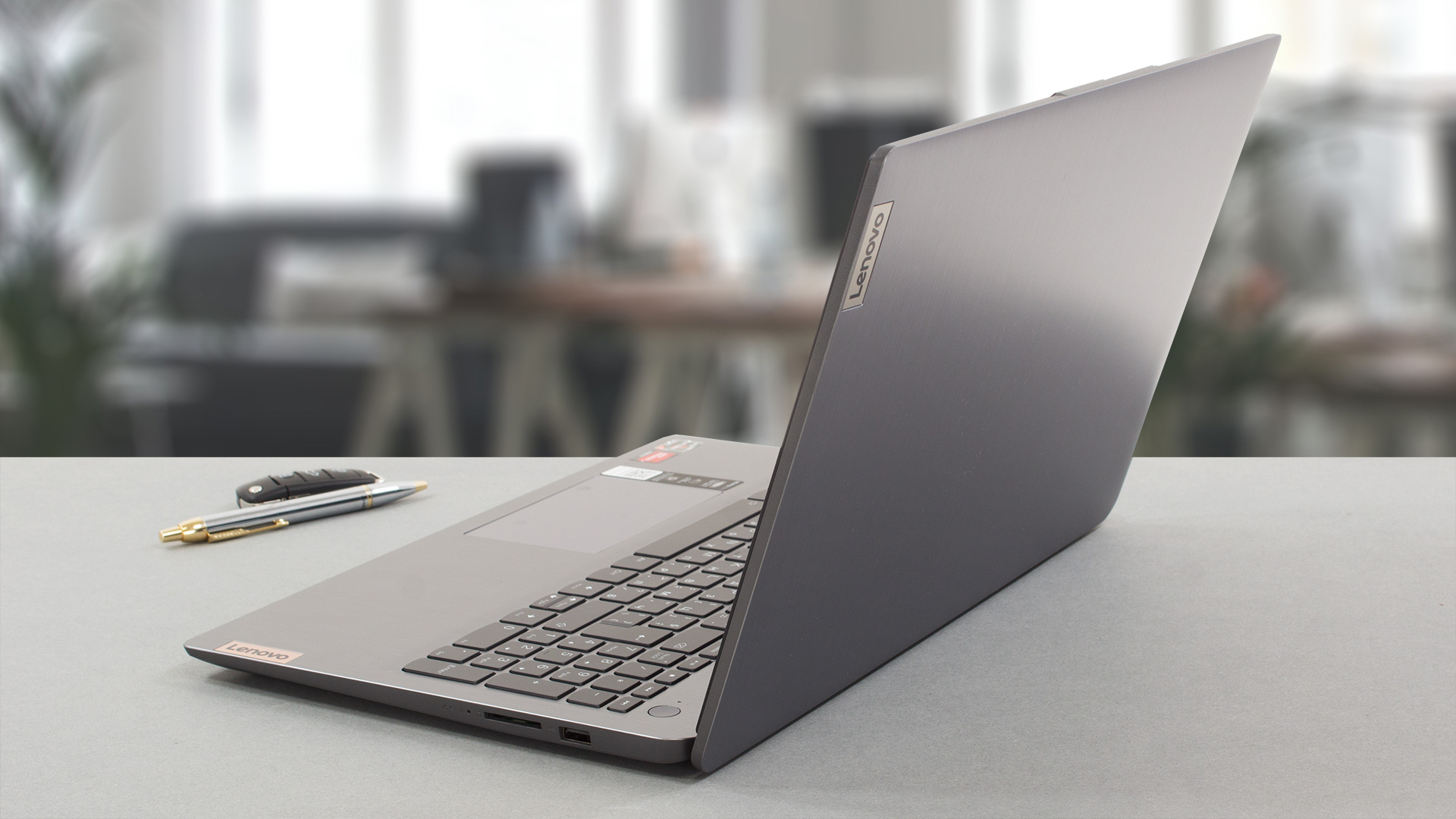
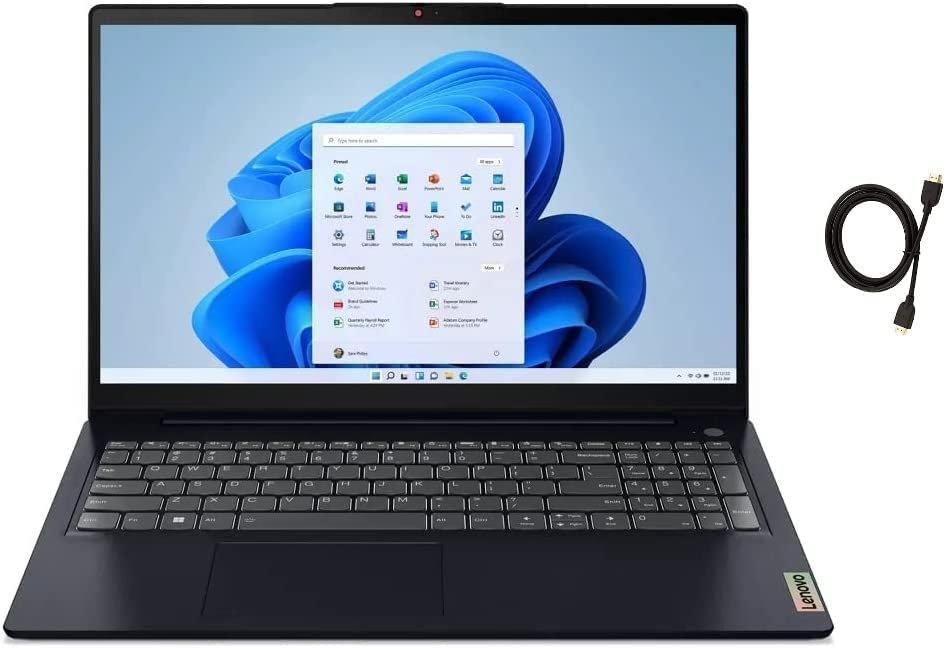
Once you take the laptop in your hands, you will encounter the first cost-cutting measure. The IdeaPad 3 (15″, 2022) is made out of plastic, which is glossy. There are three color options – Abyss blue, Arctic grey, and Misty blue. Our grey option is pretty resistant to fingerprints, which is good.
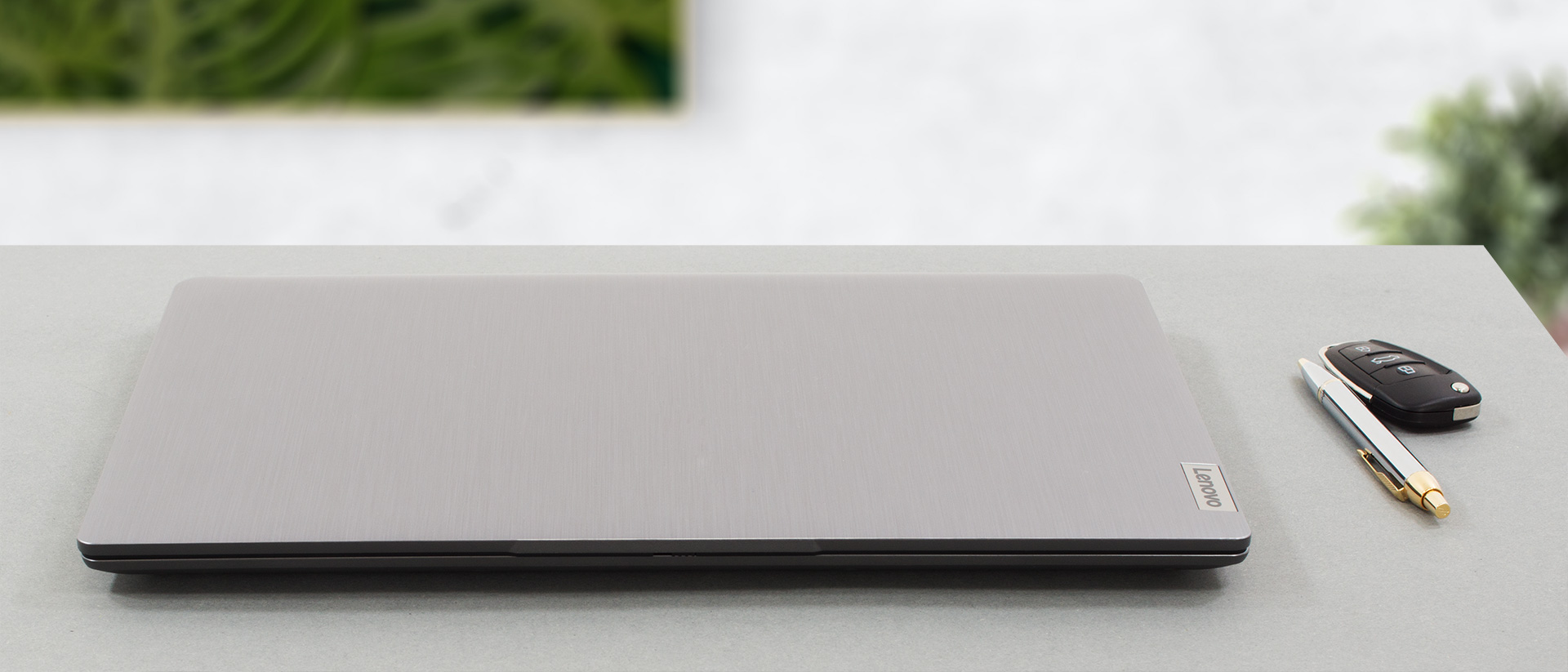
What is also good are the measurements. The profile sits at 19.9mm, while the weight is 1.63 kg. But, unfortunately, the build quality is not stellar. Especially the base is so soft, that you can easily use it as a blanket.
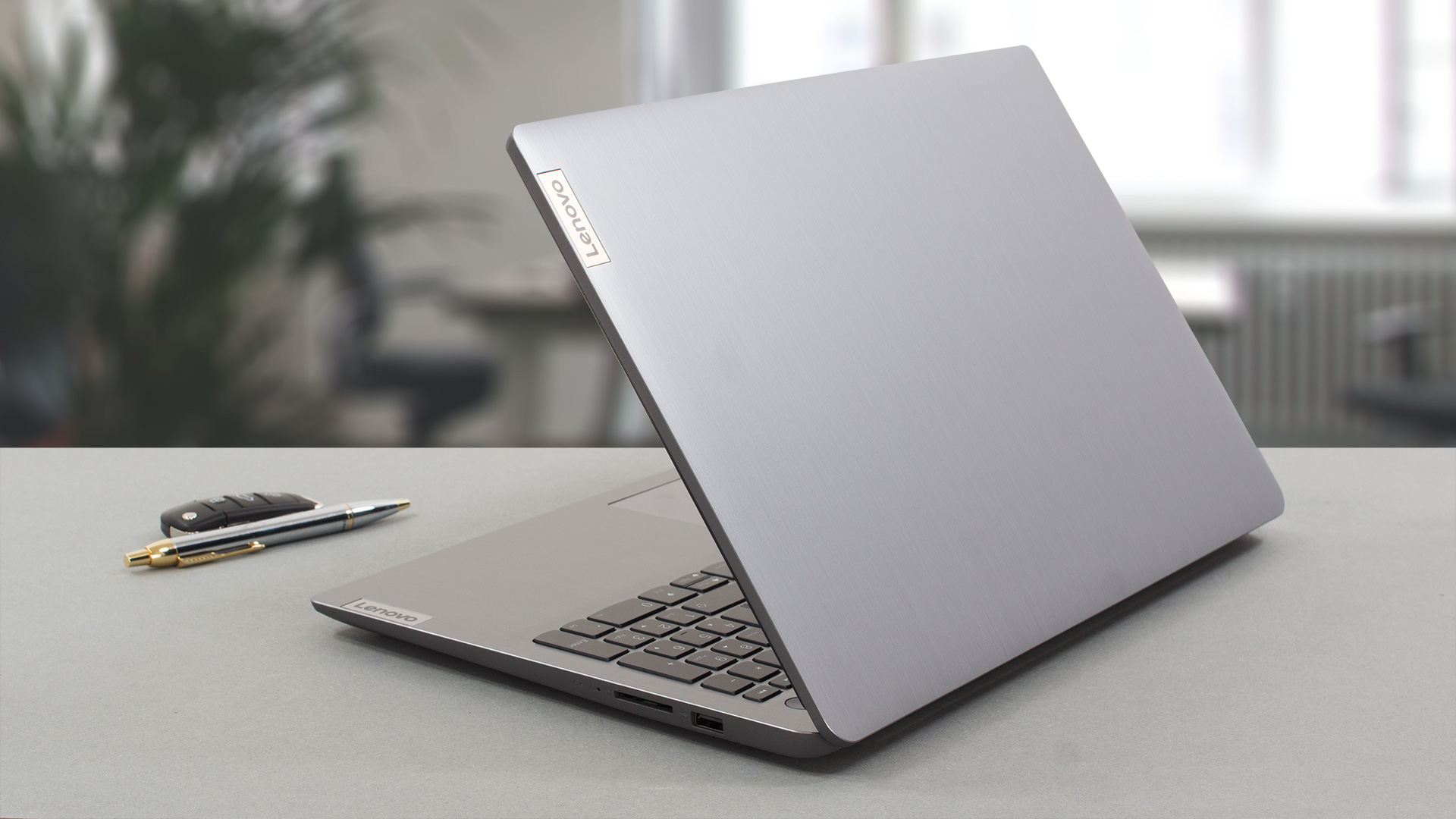
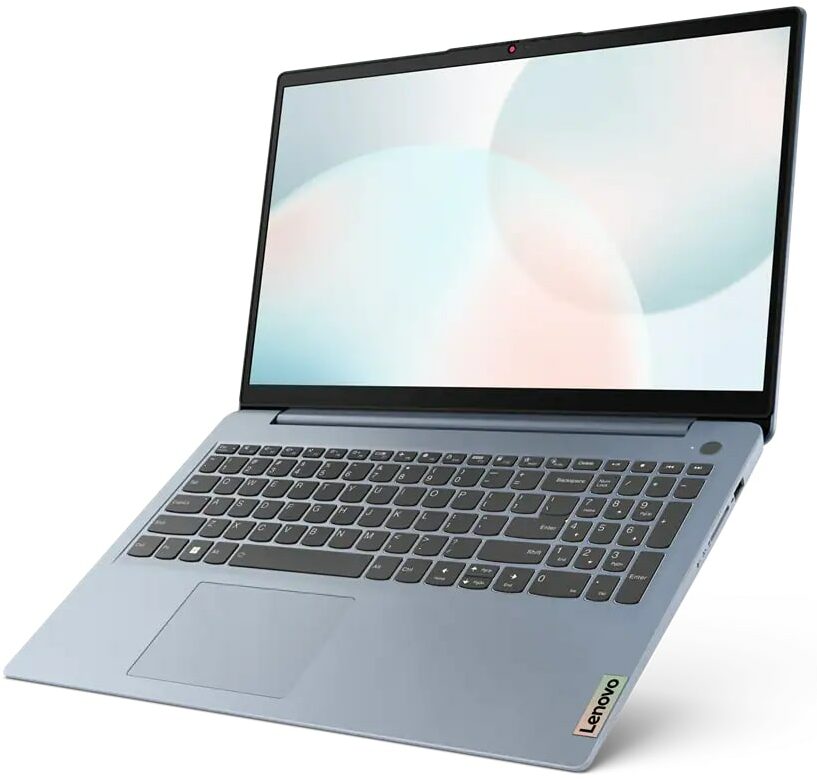
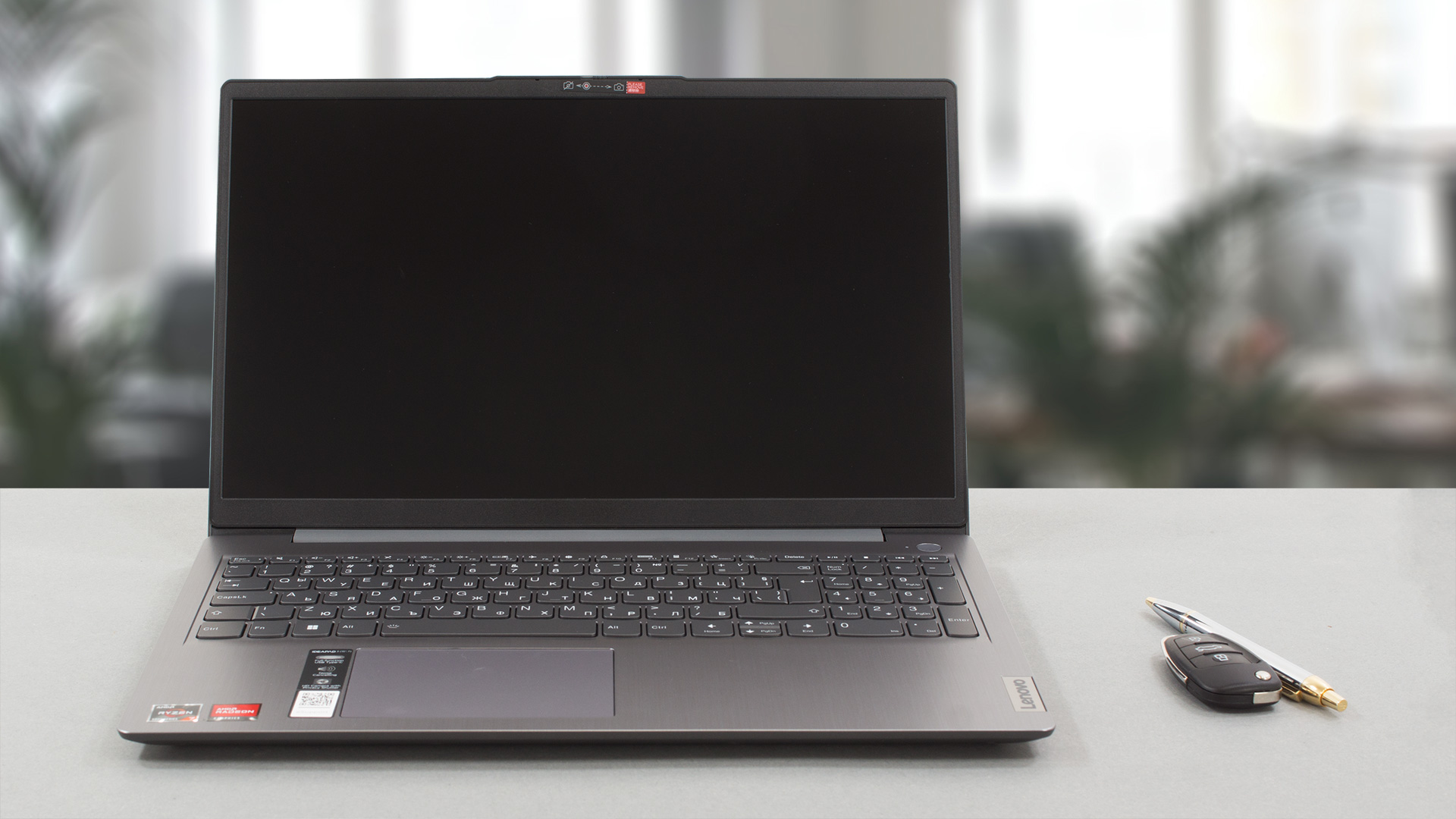
Expectedly, the lid can’t be opened with a single hand. What surprised us more is that it is tougher than the base, and shows significantly less flex when you twist it. Other than that, you get some relatively thin bezels around the matte display. Furthermore, there is a 720p Web camera with a privacy shutter.
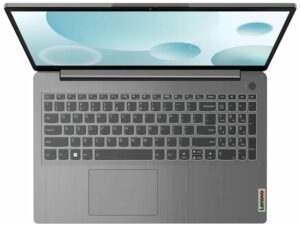
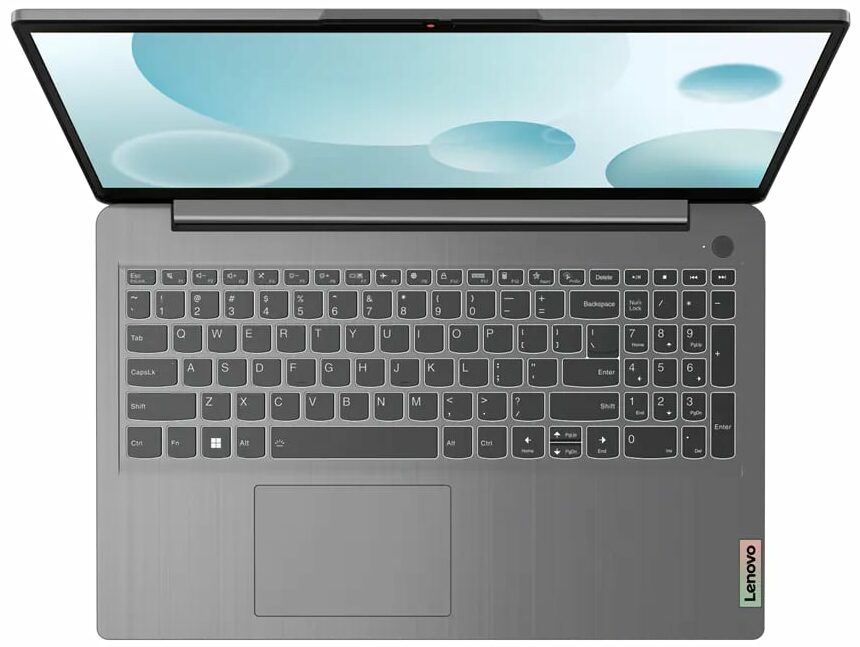
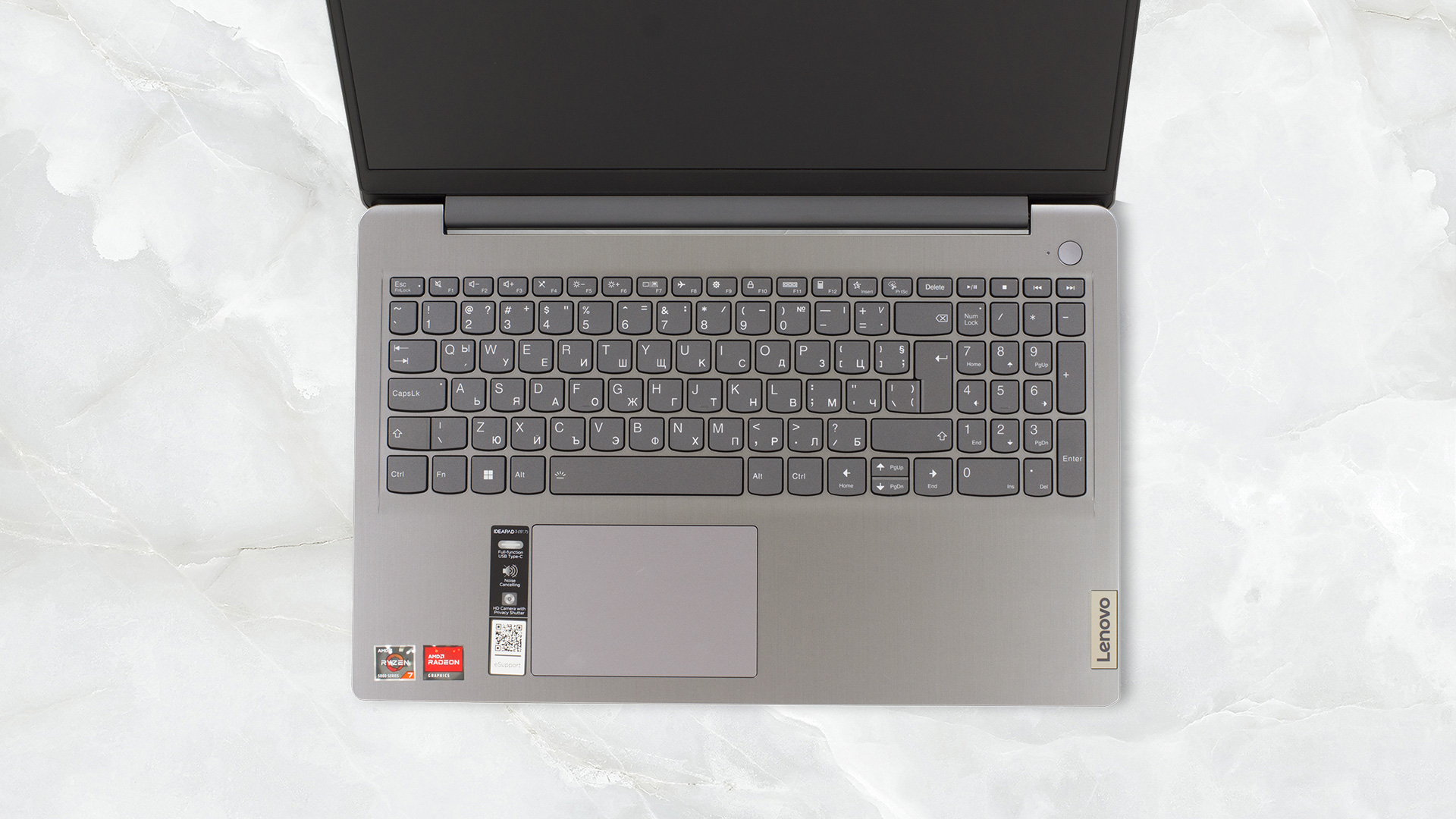
Moving to the base, we see the keyboard, which sports a NumberPad and an optional backlight. We find it comfortable for typing, as it has decent key travel and clicky feedback.
The power button is separated from the rest of the keyboard and has an optional fingerprint reader embedded in it. As for the touchpad, it has a Mylar surface, and we found it pretty average. The best thing about it is that you can click the entire surface.
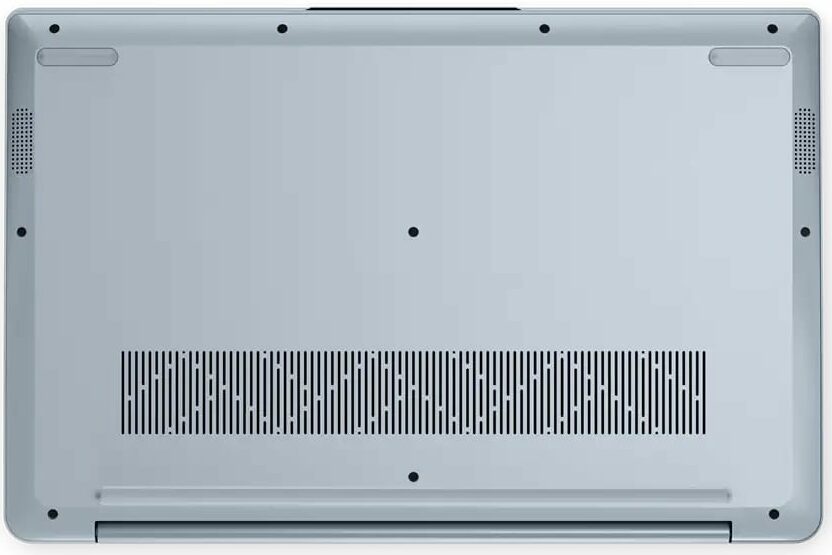
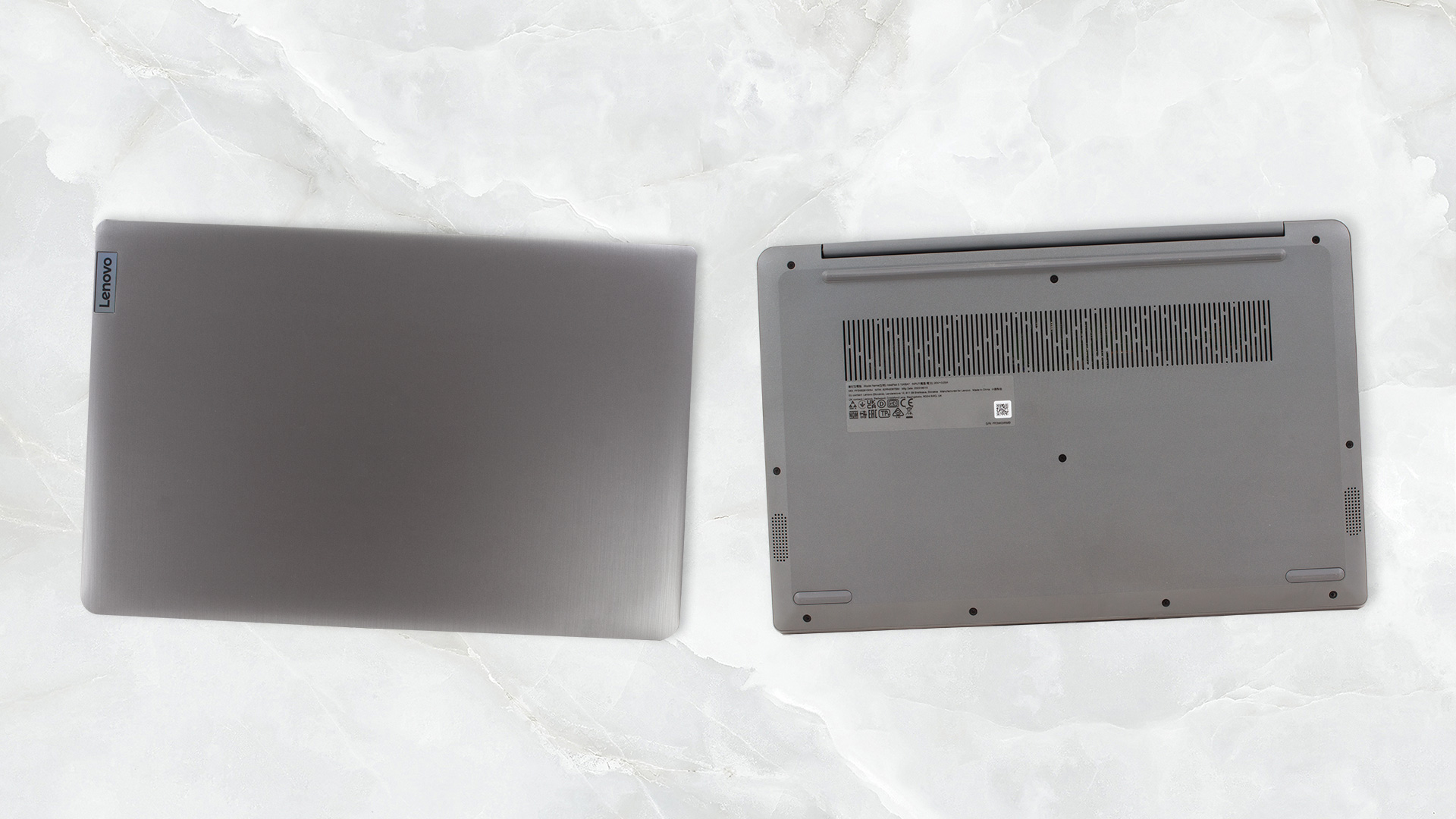
Turn the laptop upside down to reveal the two speaker cutouts as well as the ventilation grill. Hot air gets exhausted from the back.
Ports
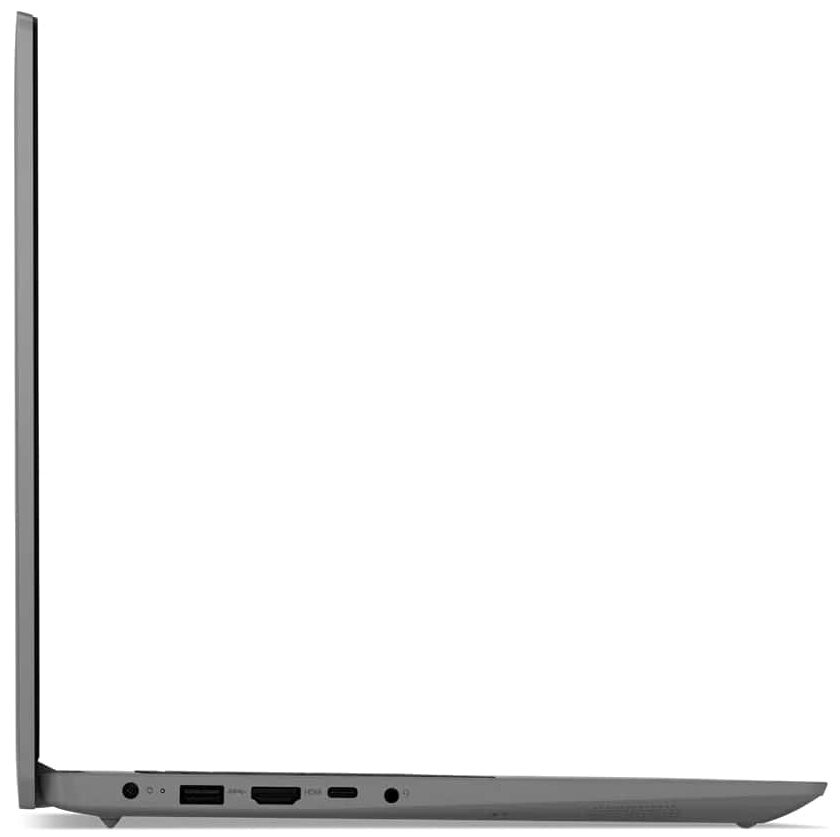
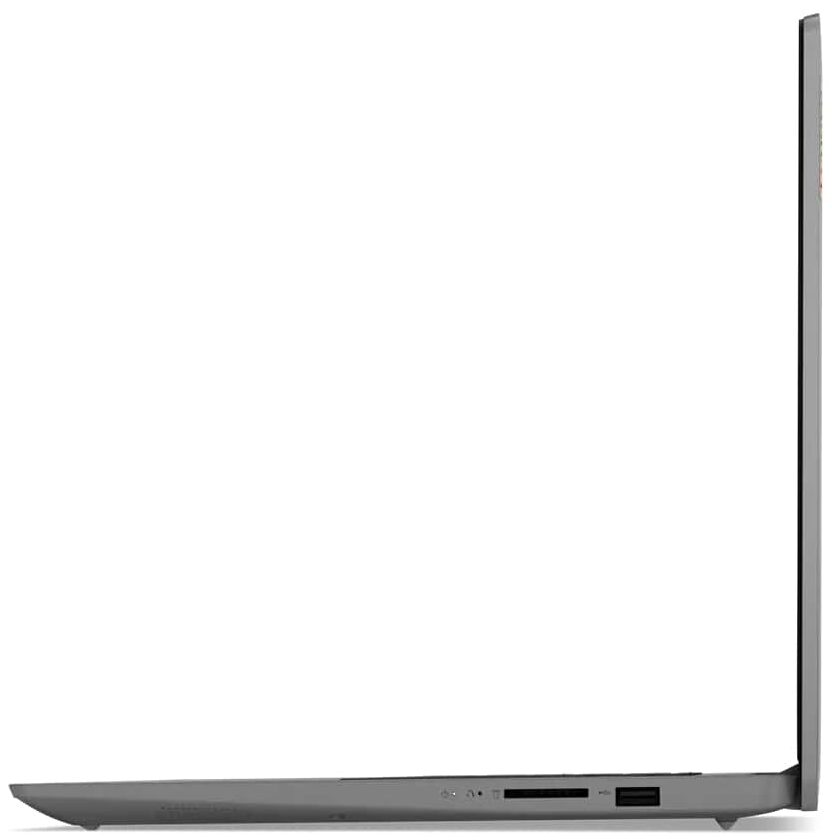
On the left side of the machine, there is the power plug, a USB Type-A 3.2 (Gen. 1) port, an HDMI 1.4b connector, and a USB Type-C 3.2 (Gen. 1) port with Power Delivery and DisplayPort capabilities. Also, there is an Audio jack. And on the right, there is a USB Type-A 2.0 port, and an SD card reader.


Disassembly, upgrade options, and maintenance
To access this notebook’s internals, you need to undo 10 Phillips-head screws. Then, carefully work your way around the bottom panel with a plastic tool, preferably starting from the front.
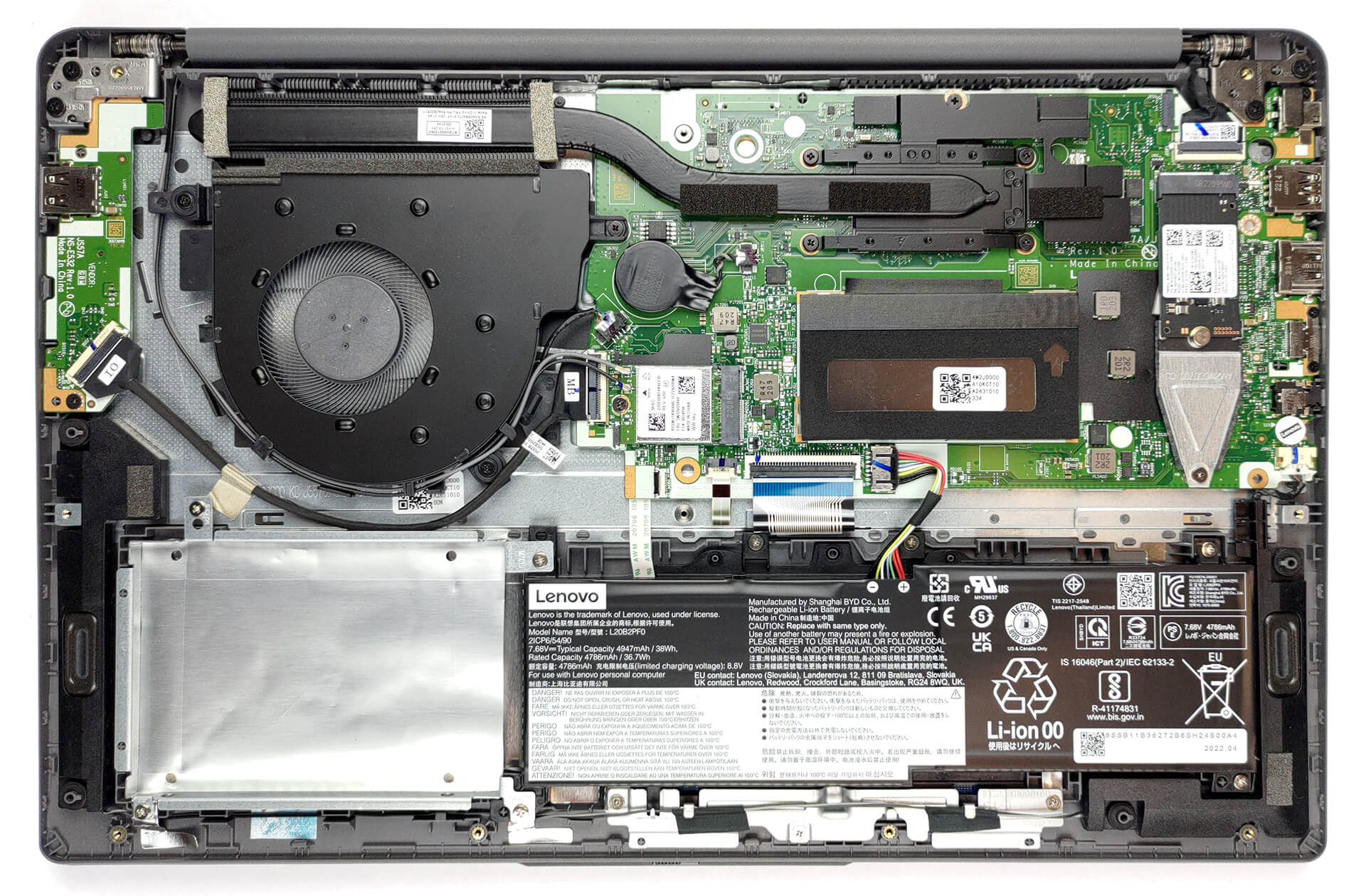
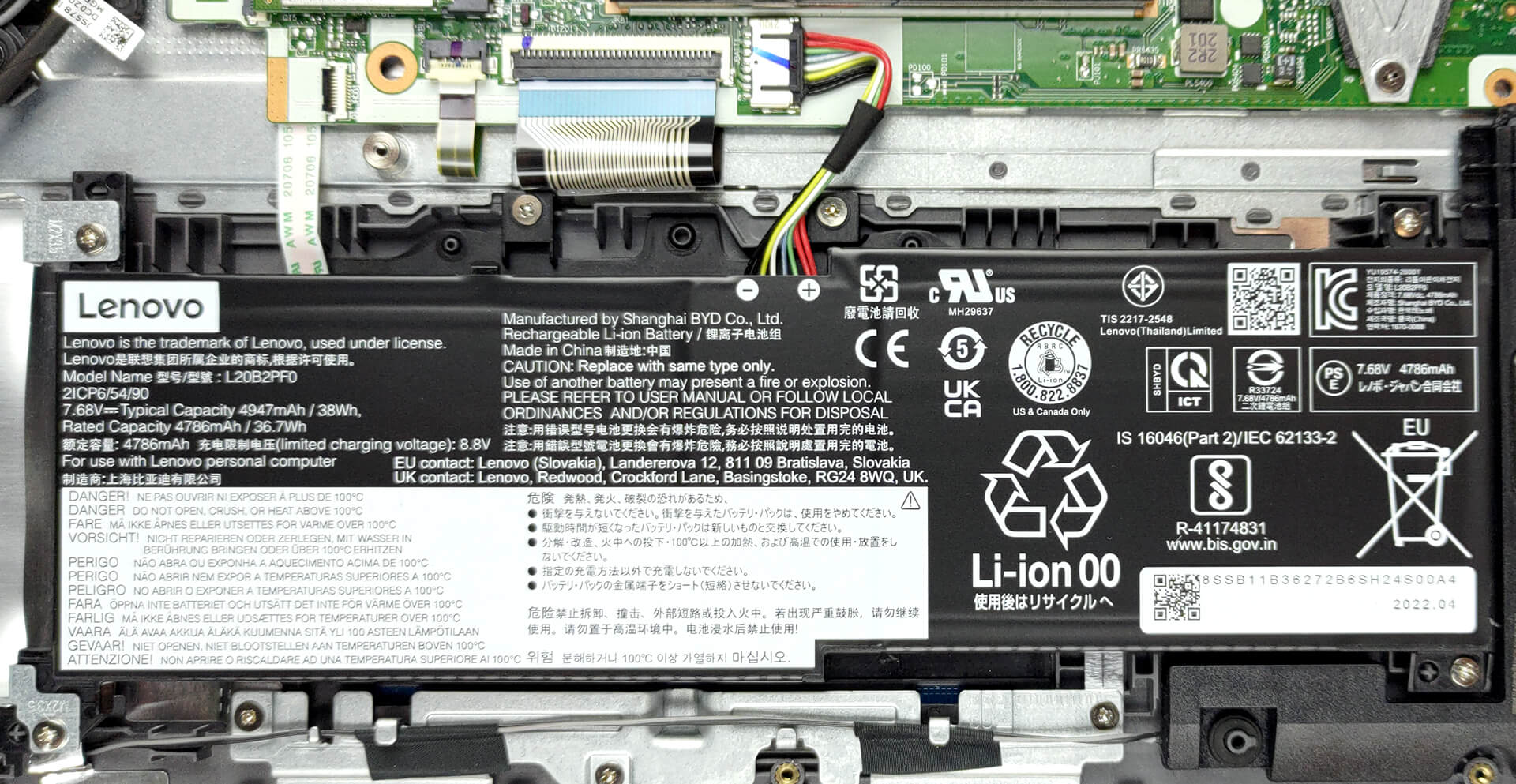
Inside, we find a 38Wh battery pack. It lasted us for 7 hours and 30 minutes of Web browsing, or 7 hours of video playback. You can take it out by removing the 4 Phillips-head screws that hold it in place. Also, don’t forget to unplug the battery connector.
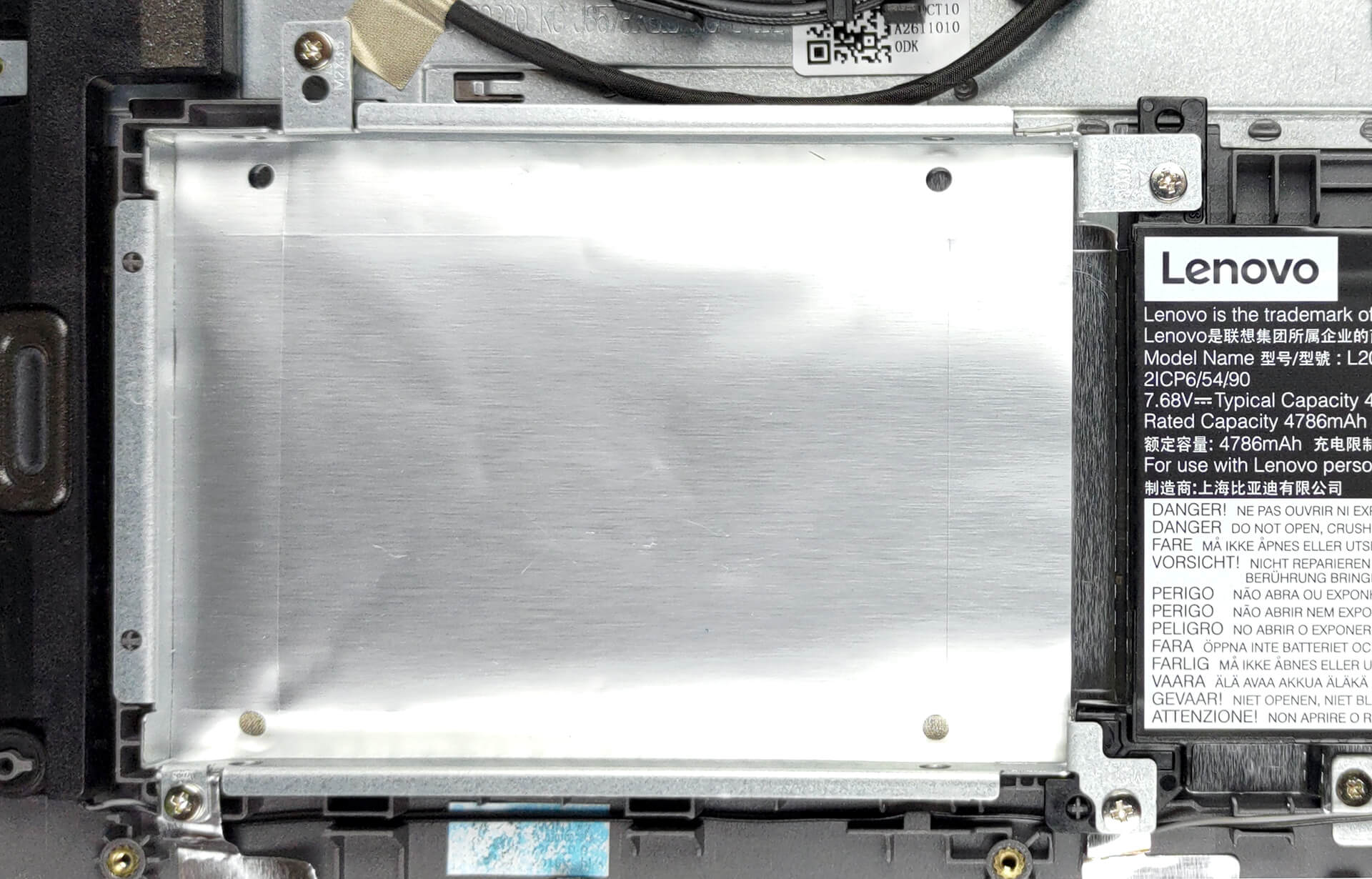
Here, you get either 4 or 8GB of DDR4 memory soldered to the motherboard. In addition, you can use the single SODIMM slot to expand your RAM. Models that have the smaller battery pack feature an M.2 PCIe x4 slot as well as a 2.5-inch SATA drive bay. Lenovo provides you with mounting and connecting accessories inside the box, which is great. Units equipped with the larger battery omit the SATA bay.
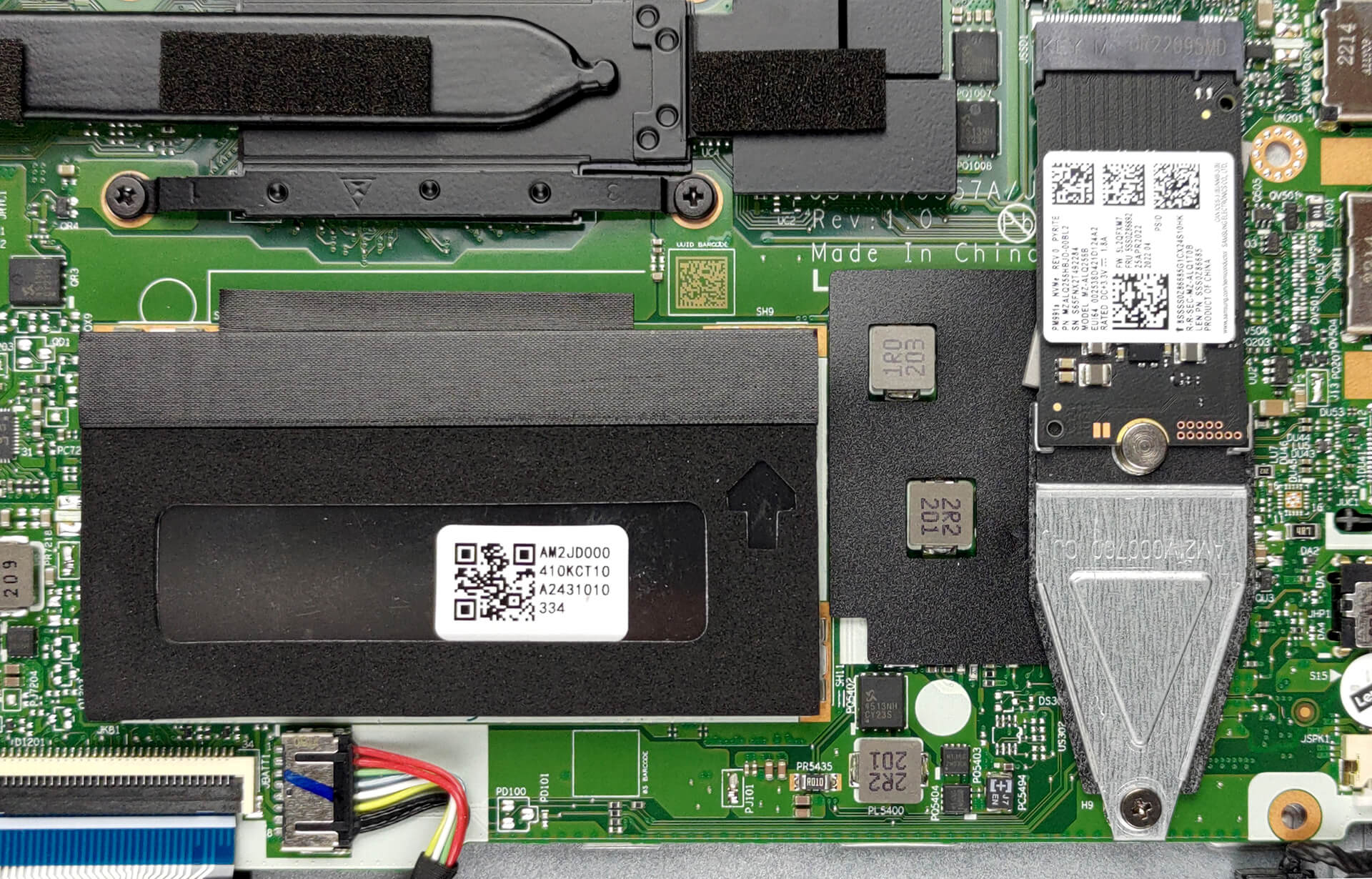
Cooling-wise, there is one heat pipe, a heat sink, and a fan. It’s good to see that the VRMs are also being cooled.

Display quality
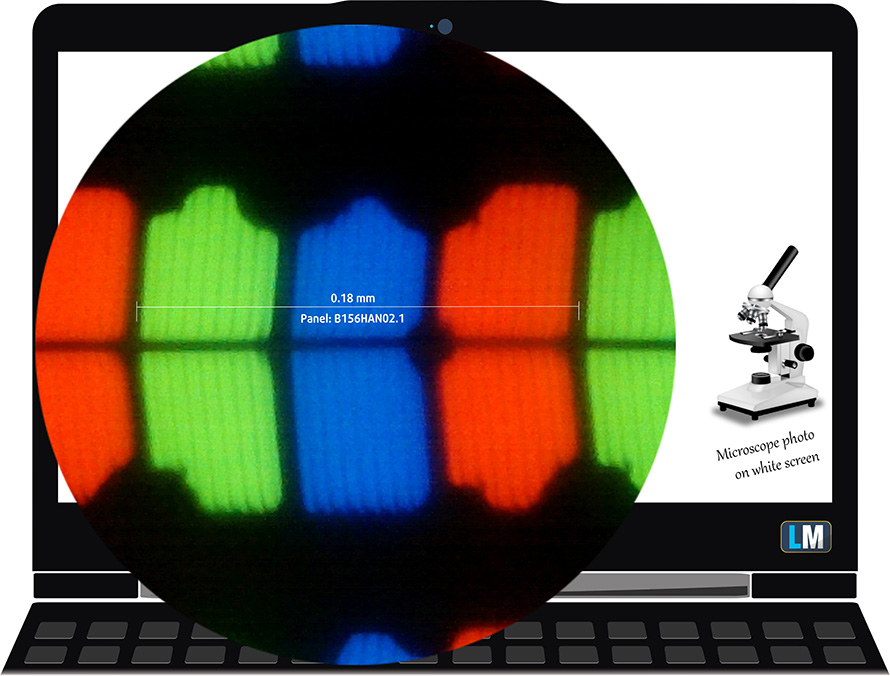
Lenovo IdeaPad 3 (15″, 2022) in our configuration is equipped with a Full HD IPS panel with a model number LEN156FHD (AUO B156HAN02.1 (AUOE48D)). Its diagonal is 15.6″ (39.62 cm), and the resolution is 1920 х 1080 pixels. The screen ratio is 16:9, and we are looking at a pixel density of – 142 ppi, and a pitch of 0.18 х 0.18 mm. The screen turns into Retina when viewed at distance equal to or greater than 60cm (24″) (from this distance one’s eye stops differentiating the separate pixels, and it is normal for looking at a laptop).
The viewing angles are excellent. We offer images at 45° to evaluate image quality.
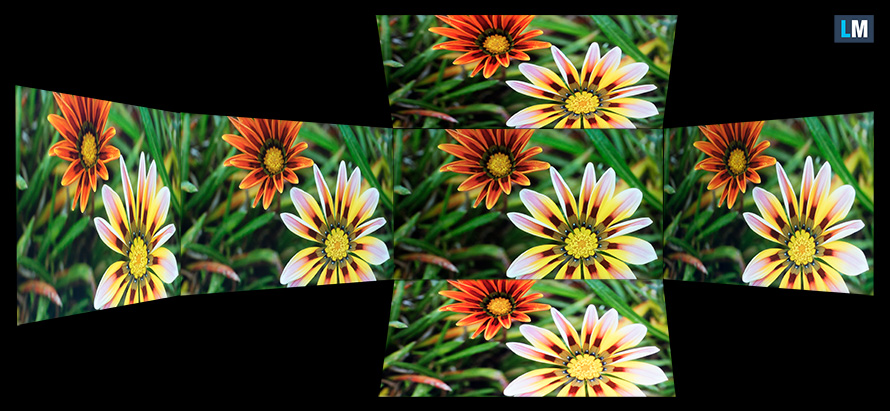
Also, a video with locked focus and exposure.
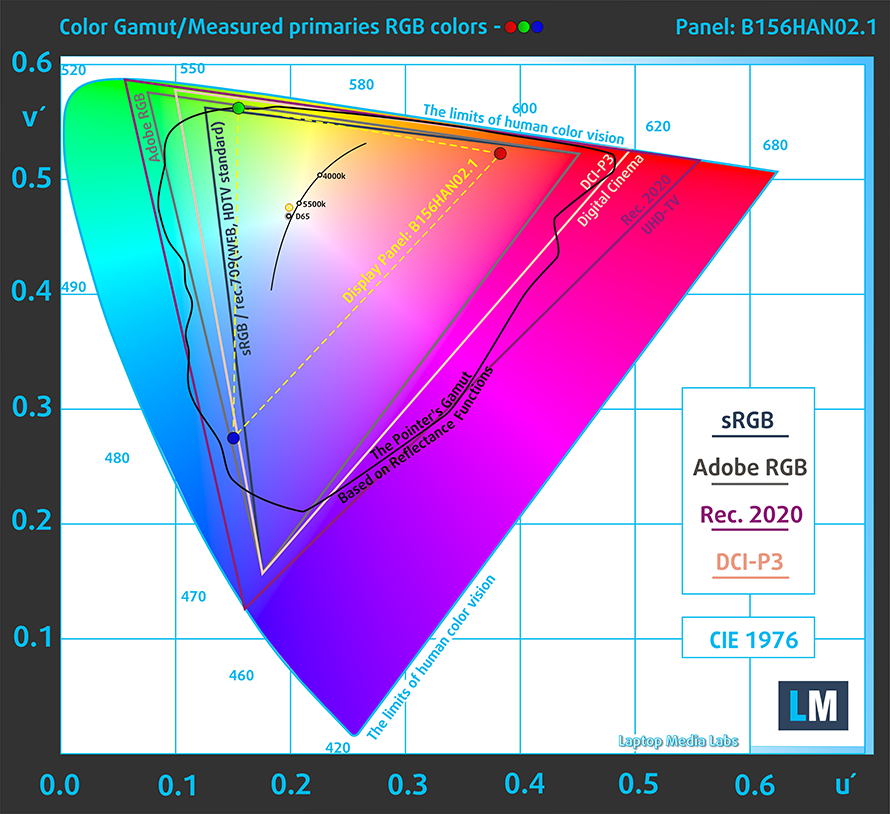
The measured maximum brightness of 347 nits in the middle of the screen and 327 nits as an average for the whole area, with a maximum deviation of 11%. The Correlated Color Temperature on a white screen is 6010K – slightly warmer than the sRGB standard of 6500K.
In the illustration below you can see how the display performs from a uniformity perspective. In other words, the leakage of light from the light source.
Values of dE2000 over 4.0 should not occur, and this parameter is one of the first you should check if you intend to use the laptop for color-sensitive work. The contrast ratio is good – 1460:1.
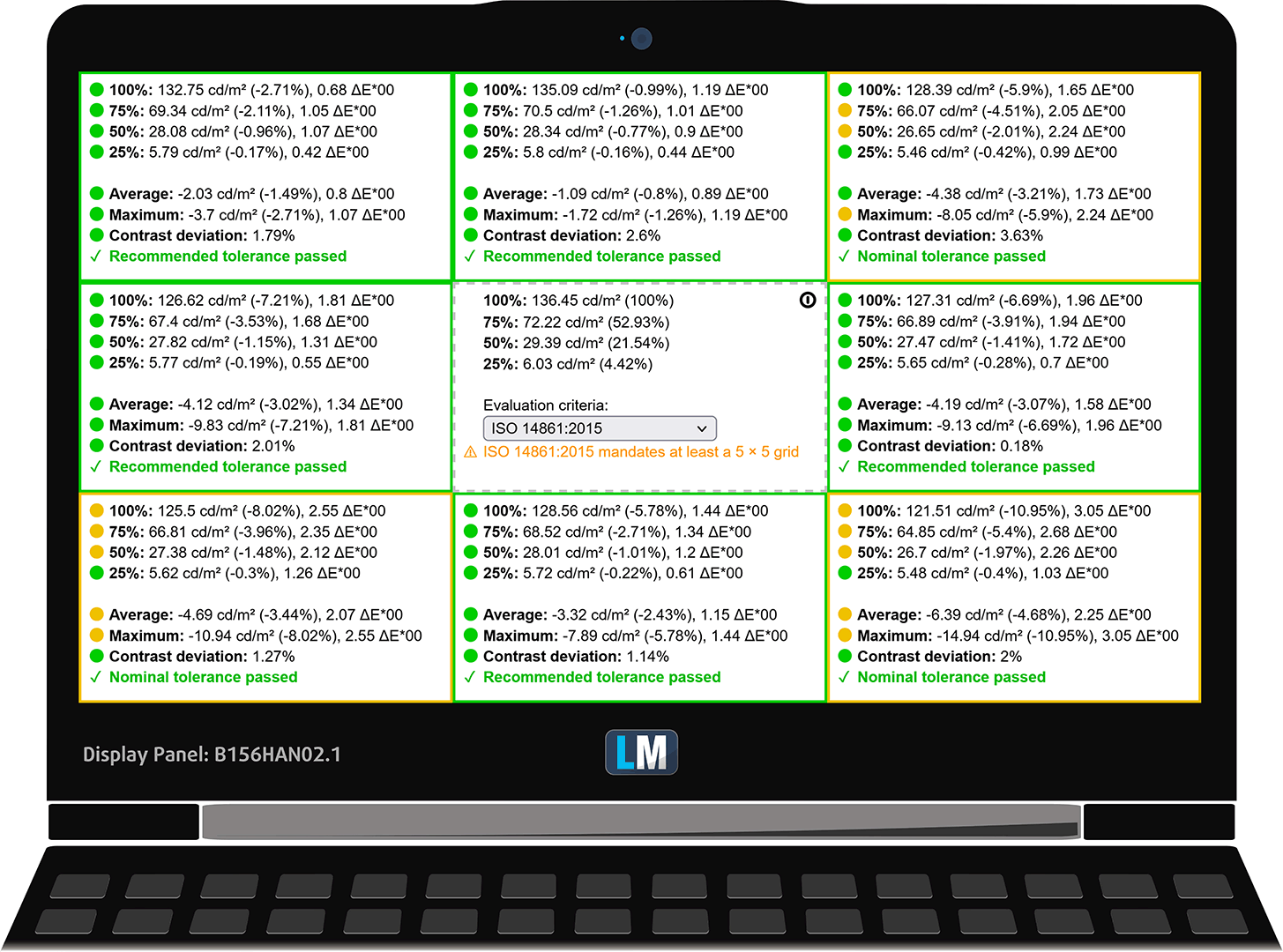
To make sure we are on the same page, we would like to give you a little introduction to the sRGB color gamut and the Adobe RGB. To start, there’s the CIE 1976 Uniform Chromaticity Diagram that represents the visible specter of colors by the human eye, giving you a better perception of the color gamut coverage and the color accuracy.
Inside the black triangle, you will see the standard color gamut (sRGB) that is being used by millions of people on HDTV and the web. As for the Adobe RGB, this is used in professional cameras, monitors, etc for printing. Basically, colors inside the black triangle are used by everyone and this is the essential part of the color quality and color accuracy of a mainstream notebook.
Still, we’ve included other color spaces like the famous DCI-P3 standard used by movie studios, as well as the digital UHD Rec.2020 standard. Rec.2020, however, is still a thing of the future and it’s difficult for today’s displays to cover that well. We’ve also included the so-called Michael Pointer gamut, or Pointer’s gamut, which represents the colors that naturally occur around us every day.
The yellow dotted line shows Lenovo IdeaPad 3 (15″, 2022)’s color gamut coverage.
Its display covers 52% of the sRGB/ITU-R BT.709 (web/HDTV standard) in CIE1976.
Our “Design and Gaming” profile delivers optimal color temperature (6500K) at 140 cd/m2 luminance and sRGB gamma mode.
We tested the accuracy of the display with 24 commonly used colors like light and dark human skin, blue sky, green grass, orange, etc. You can check out the results at factory condition and also, with the “Design and Gaming” profile.
Below you can compare the scores of Lenovo IdeaPad 3 (15″, 2022) with the default settings (left), and with the “Gaming and Web design” profile (right).
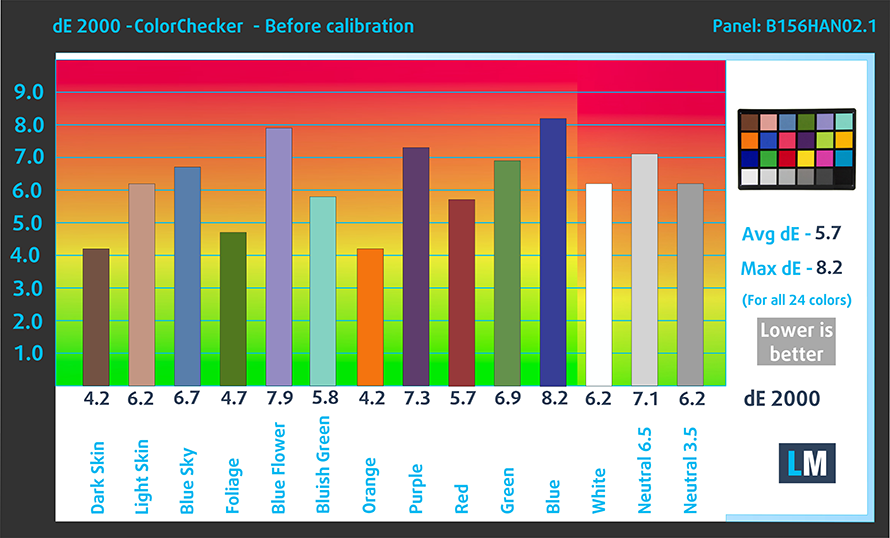
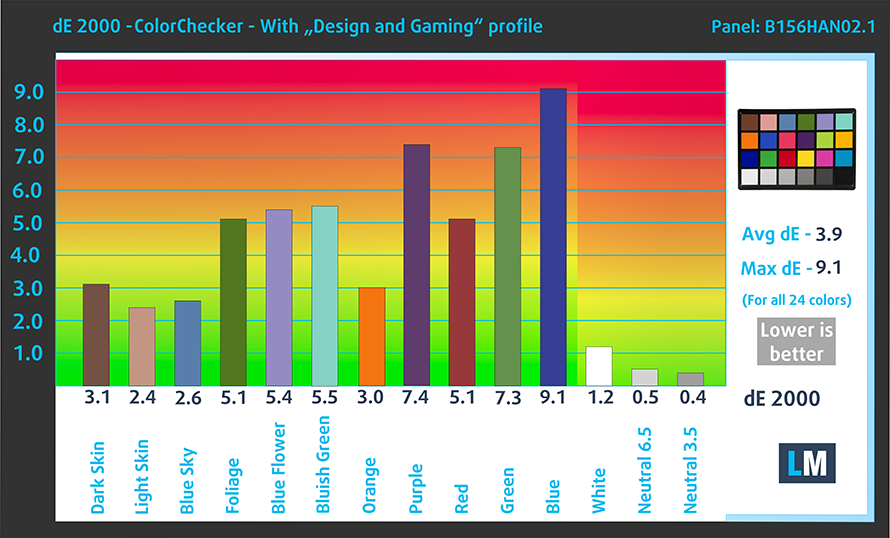
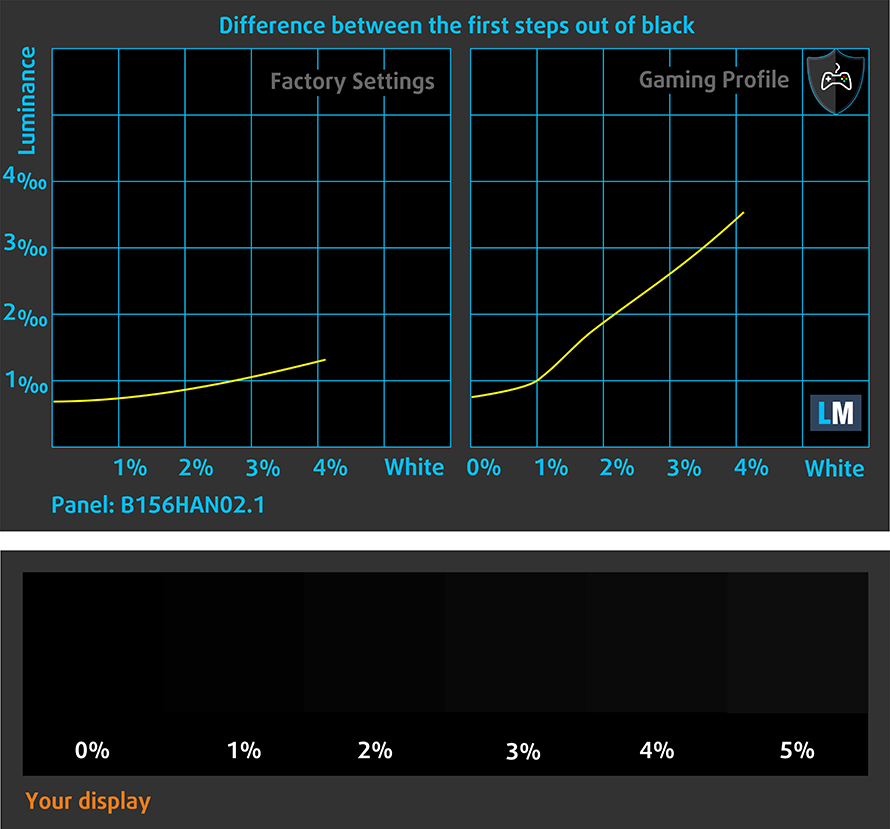
The next figure shows how well the display is able to reproduce really dark parts of an image, which is essential when watching movies or playing games in low ambient light.
The left side of the image represents the display with stock settings, while the right one is with the “Gaming and Web Design” profile activated. On the horizontal axis, you will find the grayscale, and on the vertical axis – the luminance of the display. On the two graphs below you can easily check for yourself how your display handles the darkest nuances but keep in mind that this also depends on the settings of your current display, the calibration, the viewing angle, and the surrounding light conditions.
Response time (Gaming capabilities)
We test the reaction time of the pixels with the usual “black-to-white” and “white-to-black” method from 10% to 90% and vice versa.
We recorded Fall Time + Rise Time = 28 ms.
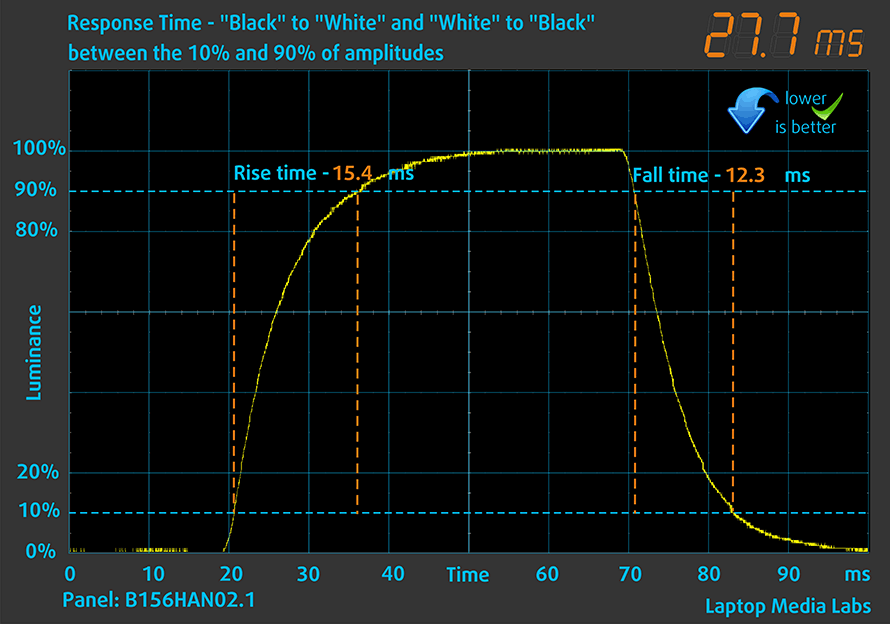
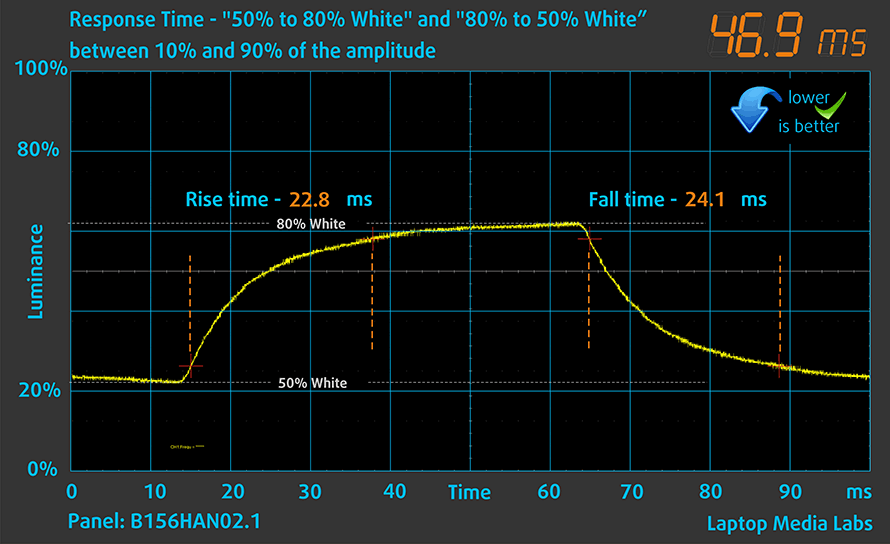
After that, we test the reaction time of the pixels with the usual “Gray-to-Gray” method from 50% White to 80% White and vice versa between 10% and 90% of the amplitude.
PWM (Screen flickering)
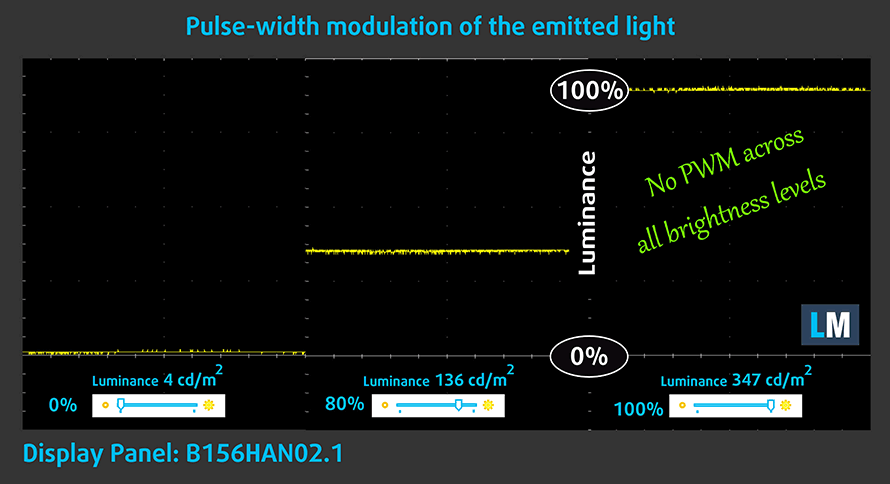
Pulse-width modulation (PWM) is an easy way to control monitor brightness. When you lower the brightness, the light intensity of the backlight is not lowered, but instead turned off and on by the electronics with a frequency indistinguishable to the human eye. In these light impulses, the light/no-light time ratio varies, while brightness remains unchanged, which is harmful to your eyes. You can read more about that in our dedicated article on PWM.
Lenovo IdeaPad 3 (15″, 2022)’s display doesn’t use PWM to adjust its brightness levels at any point. This makes it comfortable for use during long work periods, without harming your eyes in this aspect.
Blue light emissions
Installing our Health-Guard profile not only eliminates PWM but also reduces the harmful Blue Light emissions while keeping the colors of the screen perceptually accurate. If you’re not familiar with the Blue light, the TL;DR version is – emissions that negatively affect your eyes, skin, and your whole body. You can find more information about that in our dedicated article on Blue Light.
Gloss level measurement
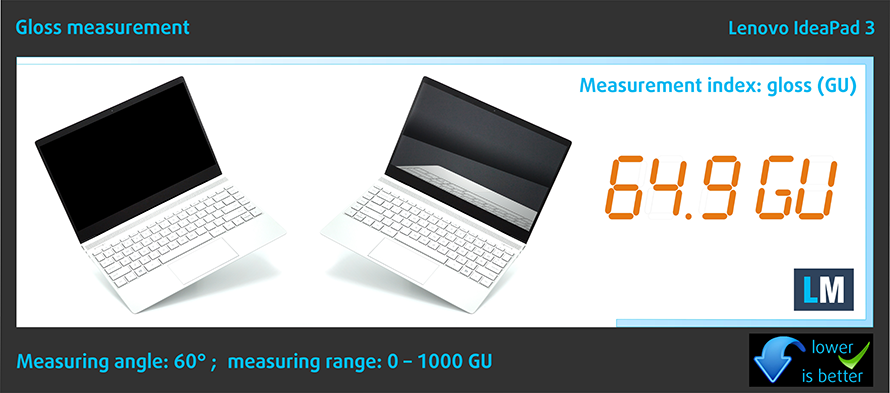
Glossy-coated displays are sometimes inconvenient in high ambient light conditions. We show the level of reflection on the screen for the respective laptop when the display is turned off and the measurement angle is 60° (in this case, the result is 64.9 GU, which is not too glossy).
Buy our profiles
Since our profiles are tailored for each display model, this article and its respective profile package are meant for Lenovo IdeaPad 3 (15″, 2022) configurations with 15.6″ FHD IPS LEN156FHD (AUO B156HAN02.1 (AUOE48D)).
*Should you have problems with downloading the purchased file, try using a different browser to open the link you’ll receive via e-mail. If the download target is a .php file instead of an archive, change the file extension to .zip or contact us at [email protected].
Read more about the profiles HERE.
Verimli ve sağlık dostu profiller almanın yanı sıra, LaptopMedia'nın ürünlerini satın alarak, mümkün olan en objektif incelemeleri üretmek için cihazları test ettiğimiz laboratuvarlarımızın gelişimini de desteklemiş olursunuz.

Ofis Çalışması
Ofis Çalışması, çoğunlukla metinlere, tablolara bakan veya sadece gezinen kullanıcılar tarafından kullanılmalıdır. Bu profil, düz bir gama eğrisi (2.20), doğal renk sıcaklığı ve algısal olarak doğru renkler tutarak daha iyi ayırt edilebilirlik ve netlik sunmayı amaçlamaktadır.

Tasarım ve Oyun
Bu profil, renklerle profesyonel olarak çalışan tasarımcılara ve aynı zamanda oyunlara ve filmlere yöneliktir. Tasarım ve Oyun, ekran panellerini sınırlarına kadar zorlayarak Web ve HDTV için sRGB IEC61966-2-1 standardında, D65 beyaz noktasında mümkün olduğunca doğru olmalarını sağlar.

Health-Guard
Health-Guard, zararlı Darbe Genişlik Modülasyonunu (PWM) ortadan kaldırır ve gözlerimizi ve vücudumuzu etkileyen negatif Mavi Işığı azaltır. Her panel için özel olarak uyarlandığından, renkleri algısal olarak doğru tutmayı başarır. Health-Guard kağıdı simüle eder, böylece gözlerdeki baskı büyük ölçüde azalır.
3 profili de %33 indirimle alın

Sound
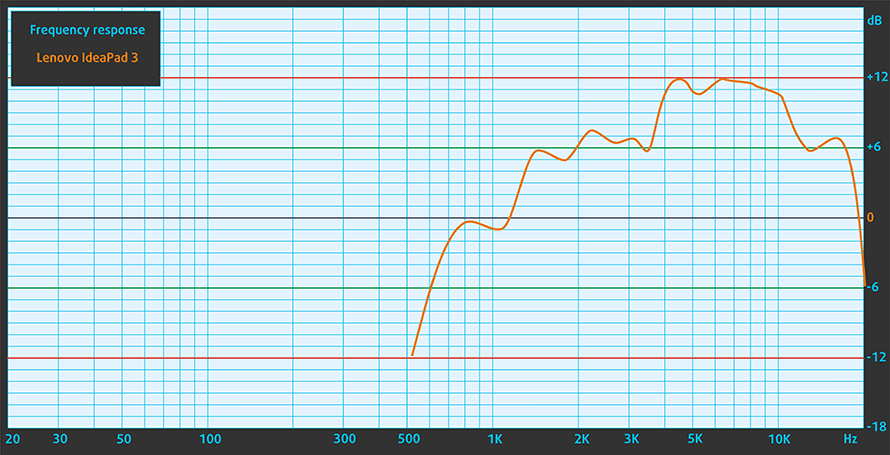
Lenovo IdeaPad 3 (15″, 2022)’s speakers produce a sound of okay quality. The high tones are a bit too high, and they sound a bit flat.
Drivers
All drivers and utilities for this notebook can be found here: https://pcsupport.lenovo.com/us/en/products/laptops-and-netbooks/3-series/ideapad-3-15aba7/downloads/driver-list
Battery
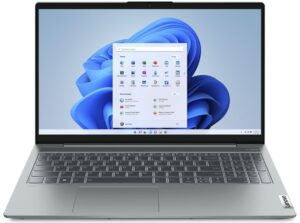
Now, we conduct the battery tests with the Windows Better performance setting turned on, screen brightness adjusted to 120 nits, and all other programs turned off except for the one we are testing the notebook with. Our configuration was equipped with the smaller 38Wh battery pack. However, it lasts for 7 hours and 30 minutes of Web browsing, or 7 hours of video playback on a single charge.
Parlaklık: 180 nit; Ekran Modu: SDR
Tam Deşarj Süresi: Yüksek Olan Daha İyidir
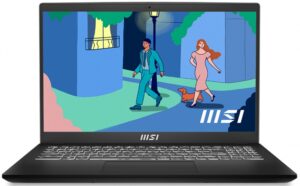
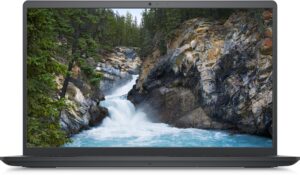
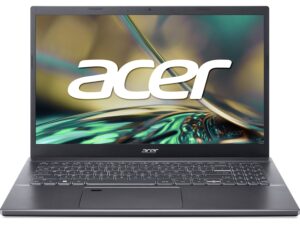
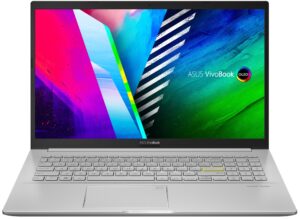
Gerçek hayat koşullarını simüle etmek için 70'ten fazla web sitesinde otomatik web taraması için kendi komut dosyamızı kullandık.
CPU options
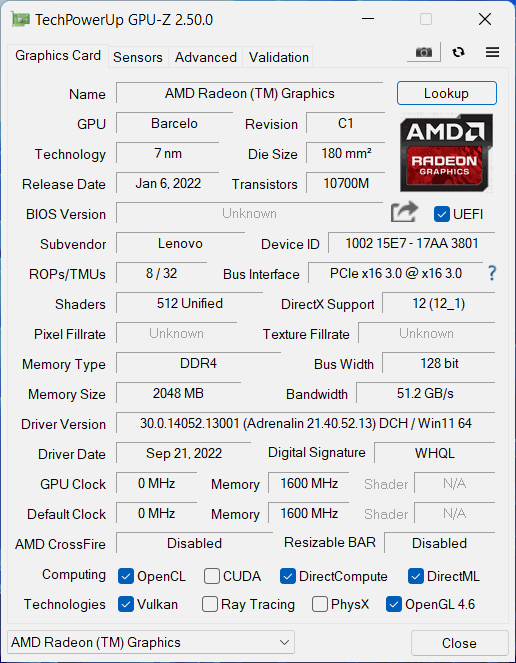
You can get this laptop with the Ryzen 3 5425U, Ryzen 5 5625U, or Ryzen 7 5825U.
Sonuçlar Cinebench R23 CPU testinden alınmıştır (puan ne kadar yüksek olursa o kadar iyidir)
GPU options
The graphics card options are basically nonexistent, as you get an integrated solution.
Sonuçlar 3DMark Time Spy (Grafik) testindendir. Yüksek olan daha iyidir.
Sonuçlar 3DMark Fire Strike (Grafik) benchmark testindendir (puan ne kadar yüksek olursa o kadar iyidir)
Sonuçlar 3DMark Wild Life Extreme Unlimited testindendir. Yüksek olan daha iyidir.
Lenovo IdeaPad 3/3i (15", 2022) GPU varyantları
Burada piyasadaki [seri] modellerinde bulunan GPU'lar arasında yaklaşık bir karşılaştırma görebilirsiniz. Bu şekilde, hangi [seri] modelinin paranızın karşılığını en iyi şekilde verdiğine kendiniz karar verebilirsiniz.
Not: Grafik, en ucuz farklı GPU konfigürasyonlarını gösterir, bu nedenle dizüstü bilgisayarın adına / GPU'suna tıklayarak bu dizüstü bilgisayarların diğer özelliklerinin neler olduğunu kontrol etmelisiniz.
Sonuçlar 3DMark Time Spy (Grafik) testindendir. Yüksek olan daha iyidir.
Sonuçlar 3DMark: Fire Strike (Grafik) benchmark testindendir (puan ne kadar yüksek olursa o kadar iyidir)
Sonuçlar 3DMark: Wild Life (Grafik) benchmark testinden alınmıştır (puan ne kadar yüksek olursa o kadar iyidir)
Sonuçlar Unigine Superposition benchmark testindendir (puan ne kadar yüksek olursa o kadar iyidir)
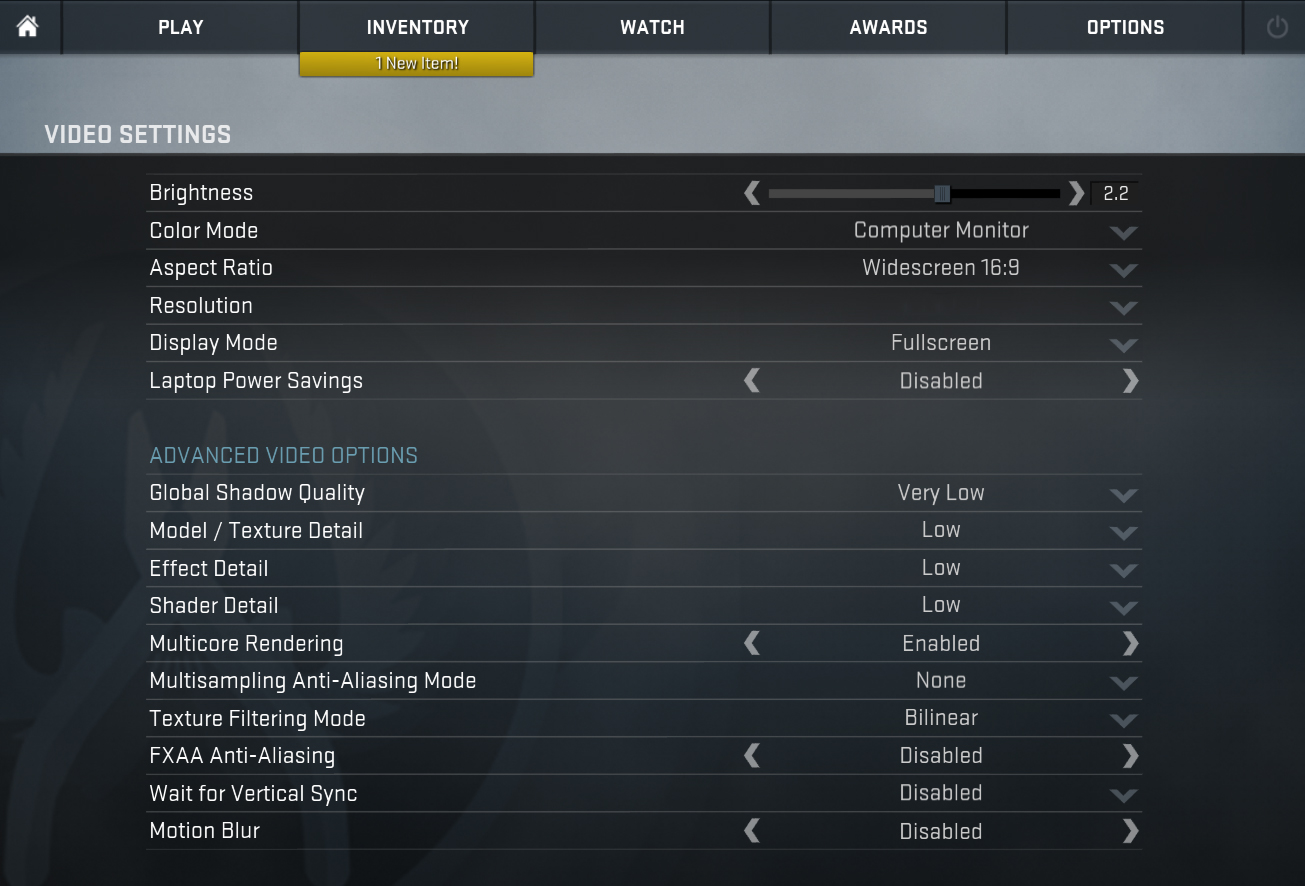
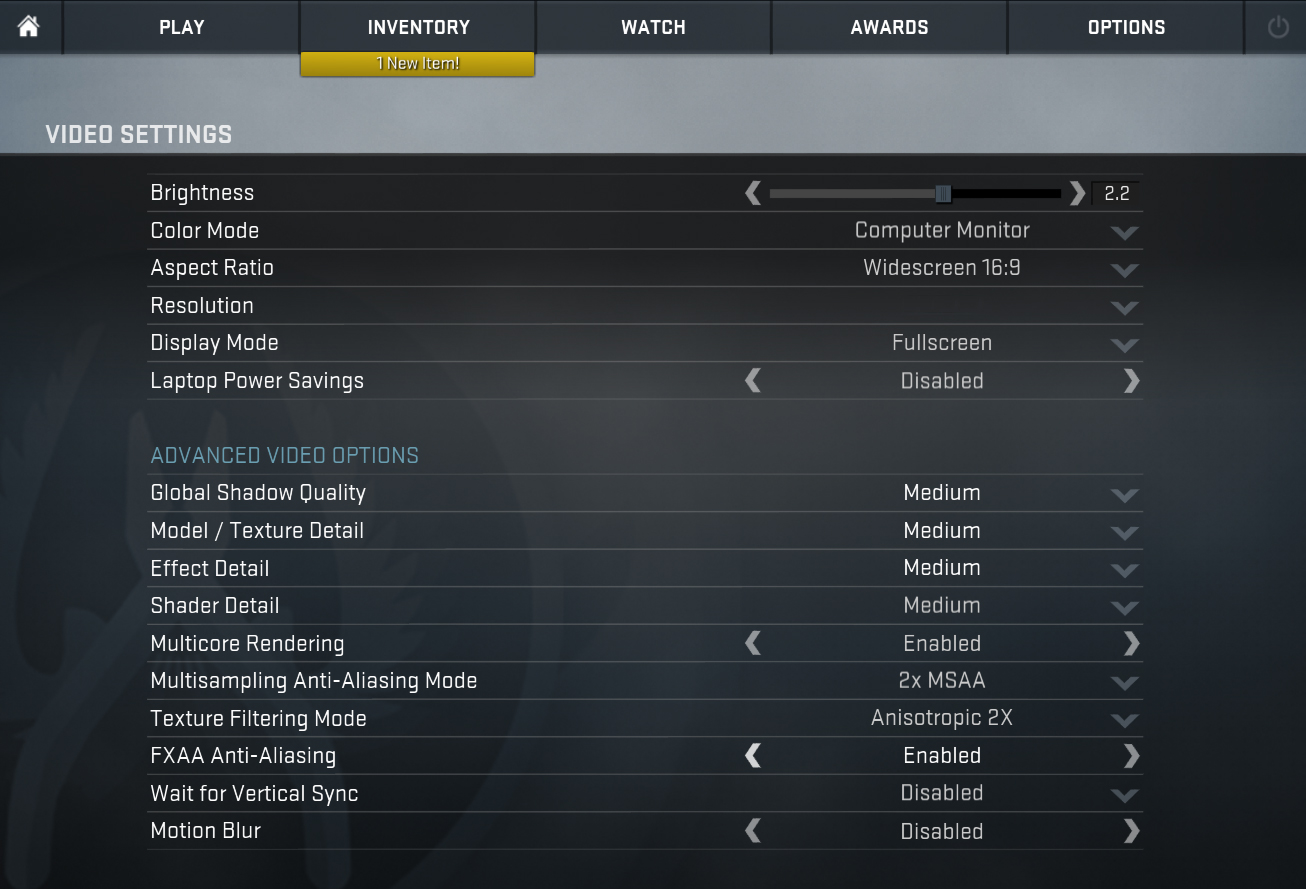
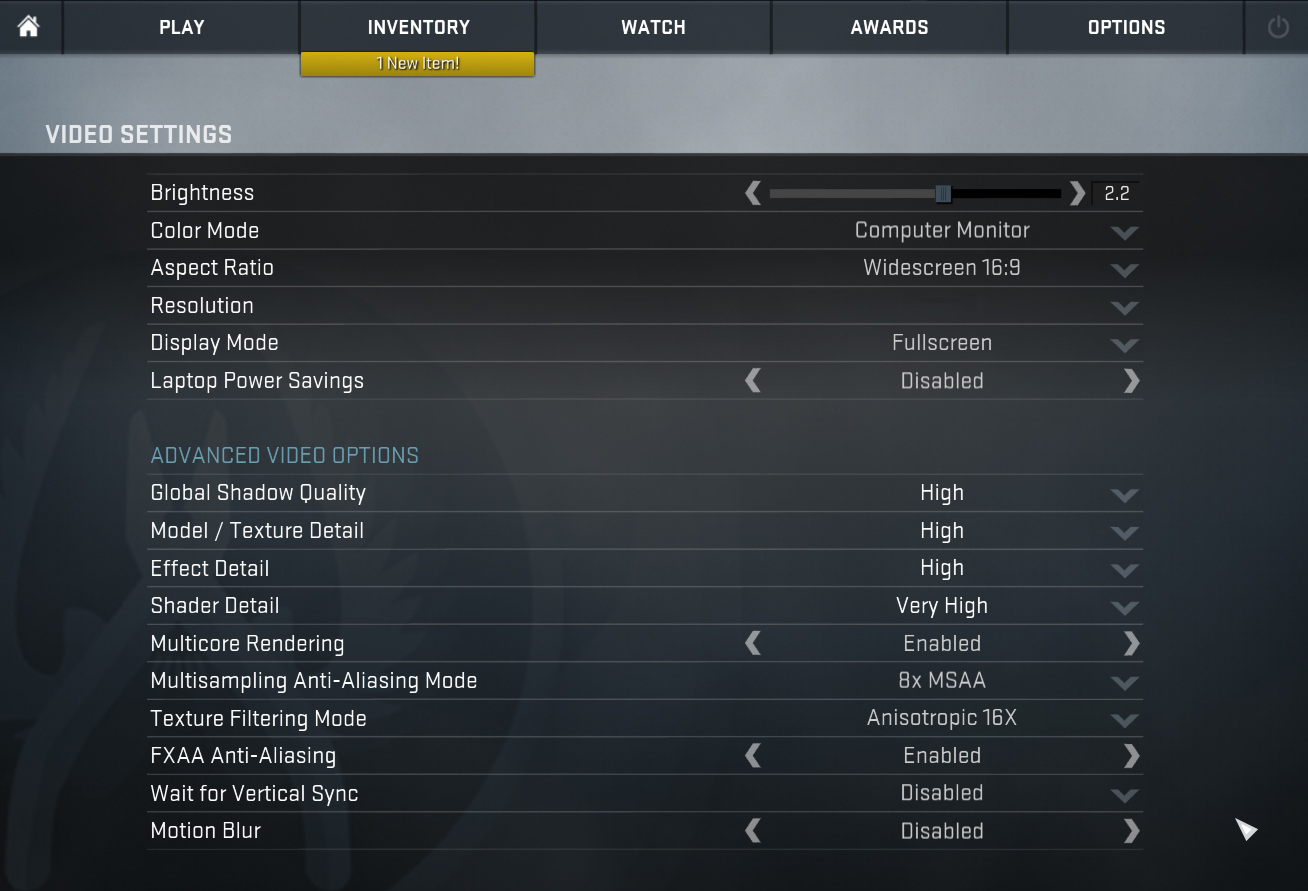
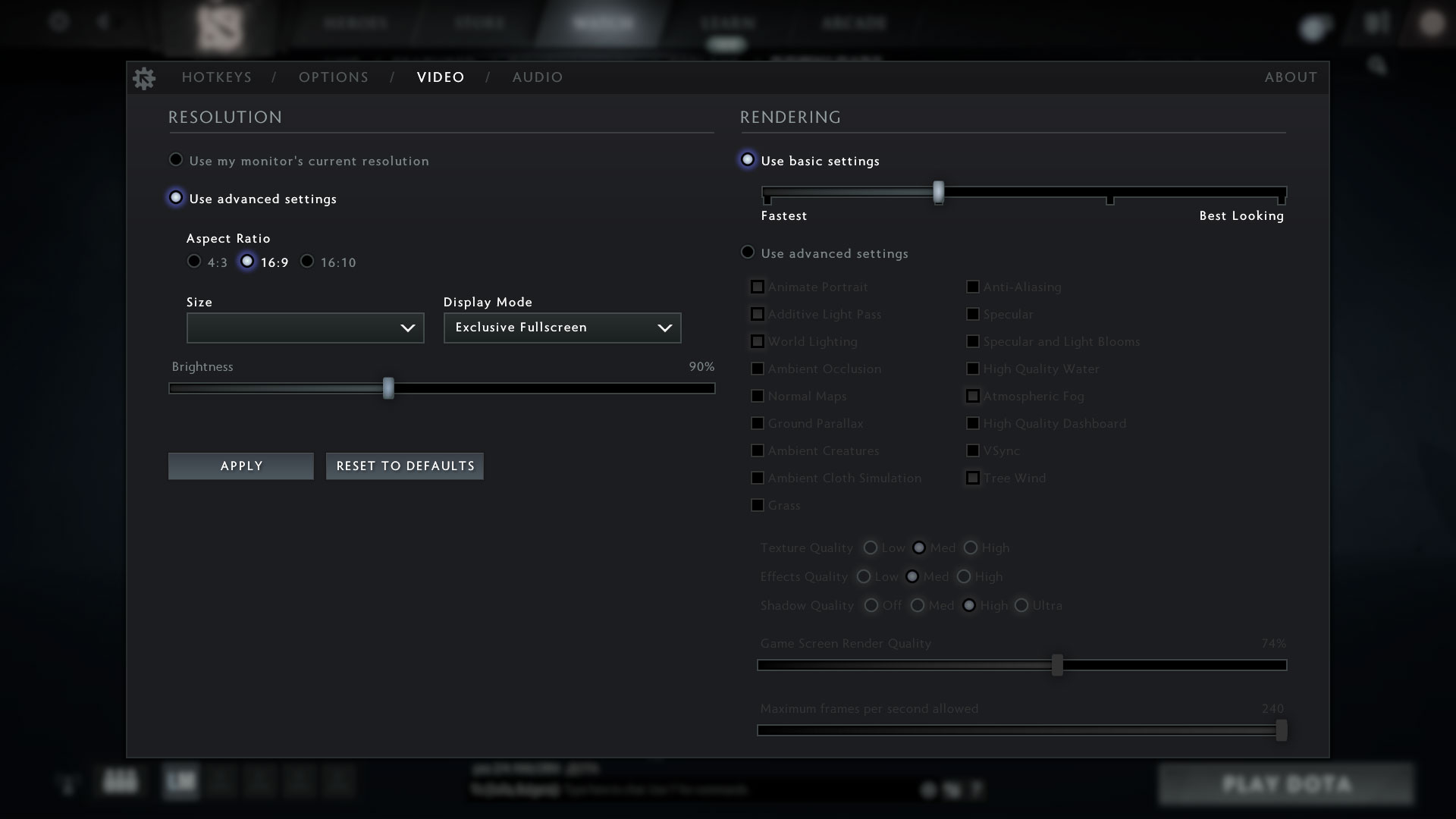
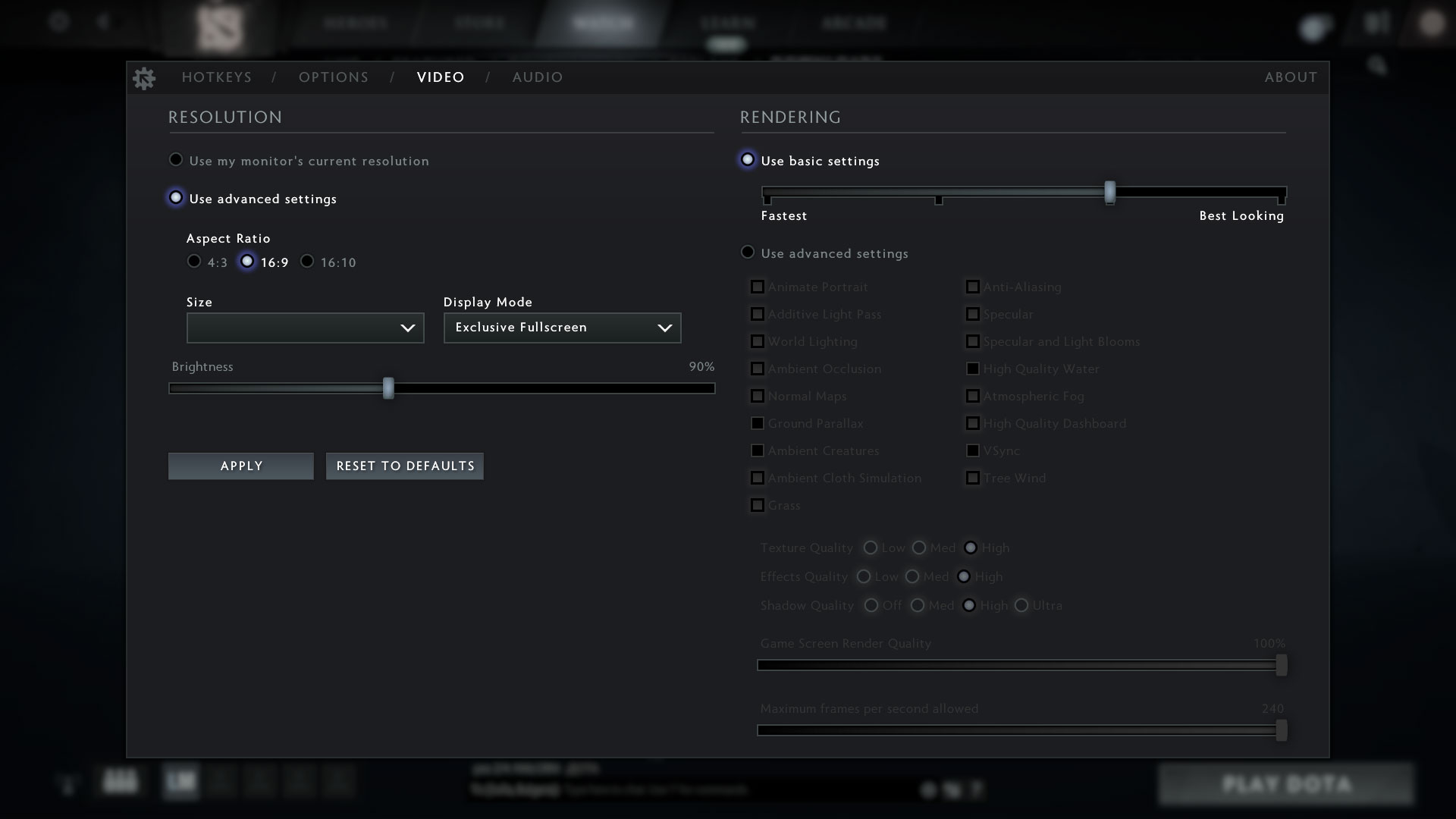
Gaming tests

| CS:GO | HD 1080p, Low (Check settings) | HD 1080p, Medium (Check settings) | HD 1080p, MAX (Check settings) |
|---|---|---|---|
| Average FPS | 137 fps | 89 fps | 60 fps |

| DOTA 2 | HD 1080p, Low (Check settings) | HD 1080p, Normal (Check settings) | HD 1080p, High (Check settings) |
|---|---|---|---|
| Average FPS | 127 fps | 80 fps | 45 fps |
Temperatures and comfort
Max CPU load
In this test we use 100% on the CPU cores, monitoring their frequencies and chip temperature. The first column shows a computer’s reaction to a short load (2-10 seconds), the second column simulates a serious task (between 15 and 30 seconds), and the third column is a good indicator of how good the laptop is for long loads such as video rendering.
Average core frequency (base frequency + X); CPU temp.
| AMD Ryzen 7 5825U (15W TDP) | 0:02 – 0:10 sec | 0:15 – 0:30 sec | 10:00 – 15:00 min |
|---|---|---|---|
| Lenovo IdeaPad 3 (15″, 2022) | 2.83 GHz @ 71°C @ 32W | 2.83 GHz @ 77°C @ 32W | 2.64 GHz @ 80°C @ 26W |
| HP ProBook 455 G9 | 2.59 GHz @ 64°C @ 27W | 2.48 GHz @ 75°C @ 25W | 1.84 GHz @ 65°C @ 15W |
| ASUS Zenbook 14 OLED (UM3402) | 3.09 GHz @ 79°C @ 44W | 2.82 GHz @ 90°C @ 35W | 2.73 GHz @ 86°C @ 30W |
The affordable IdeaPad 3 (15″, 2022) manages to work quite well with the Ryzen 7 5825U. It provides high clocks throughout the entire test, without getting too hot in the process.
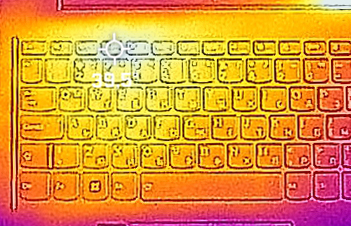
Comfort during full load
In addition to that, the keyboard doesn’t heat up too much, while the fan noise remains pretty low, considering the load.
Verdict
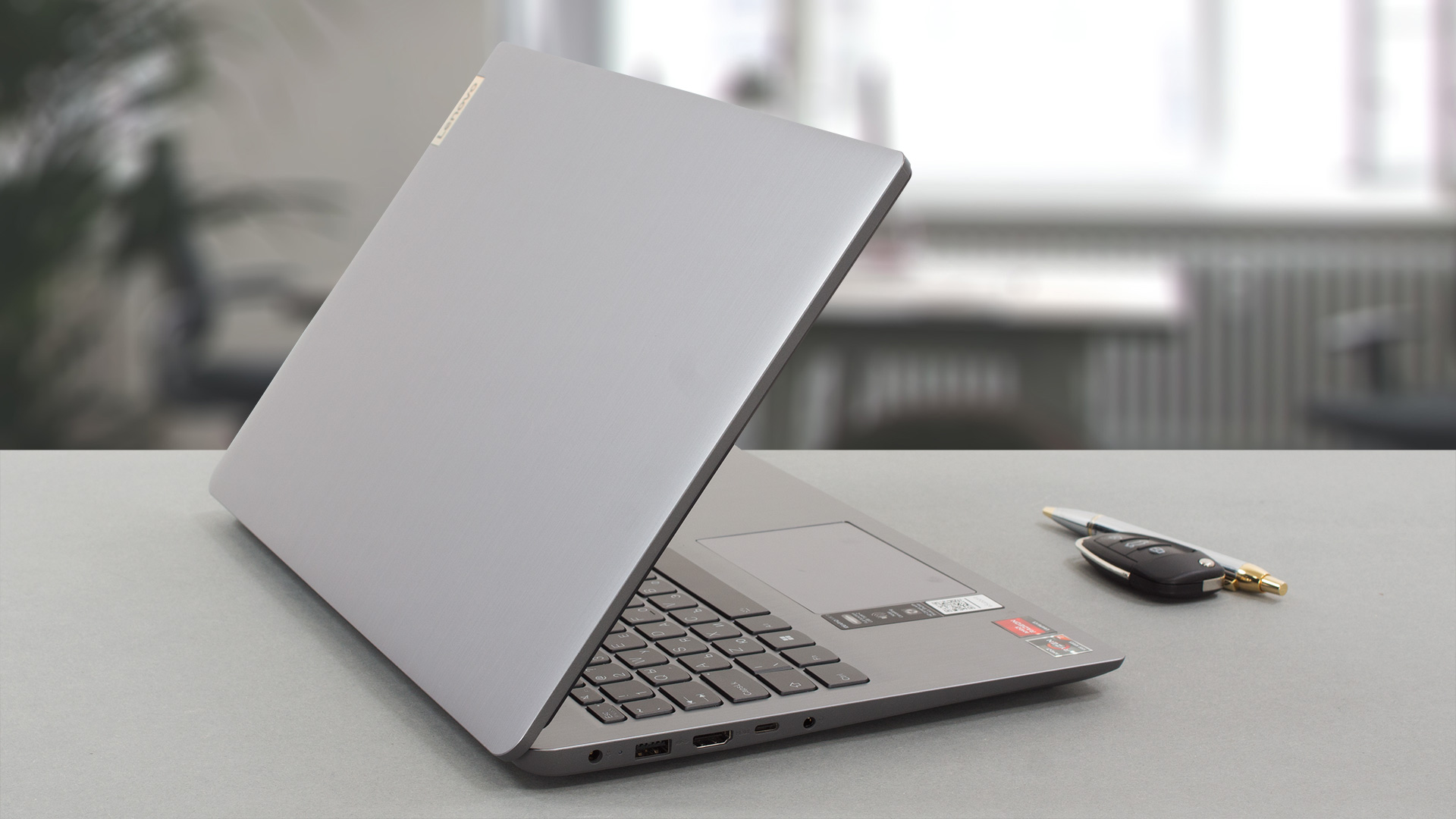 So, this laptop produces another moral dilemma. Should you get the most powerful option of a budget-friendly machine, or you should aim for a more basic version of a premium or gaming laptop?
Well, a pretty decent version of the IdeaPad 3 (15″, 2022) comes with a Ryzen 5 5625U, 12GB of RAM, and 512GB for $600. In our view, this is an optimal solution. If you pass the invisible limit of $700, you better go for a lowkey gaming setup like the MSI Katana GF66.
Lenovo IdeaPad 3 (15″, 2022)’s IPS panel has a Full HD resolution, comfortable viewing angles, and a good contrast ratio. You can use the device for long periods of time, without the worry of harmful PWM. On the other hand, the low color coverage (52% of sRGB) makes the display appear a bit dull, if not boring.
The I/O is definitely good here because you get an SD card reader and an updated USB Type-C port. Last year, it could only be used for data transfer. Now, it offers Power Delivery and DisplayPort support.
On the inside, you get one SODIMM slot for DDR4 RAM, with either 4 or 8GB soldered to the motherboard. Interestingly, the storage setup depends on the battery you get – something that is so 2015.
You won’t be happy to hear that both options feature pretty small batteries – 38Wh and 45Wh. However, the chipset is efficient enough to let the smaller one last for 7 hours and 30 minutes of Web browsing or 7 hours of video playback.
So, besides the M.2 PCIe x4 slot offered with both options, the 38Wh unit also comes with a SATA drive bay. And you get the accessories needed to mount such a drive inside the box. This Lenovo is affordable, but it’s not cheap.
Arguably the biggest disadvantage of a laptop at this price point is its build quality. The base is super flexy – it even surprised us.
Our advice is to wait for deals around events like Black Friday, and Amazon Prime day, because we expect this exact unit to be heavily discounted.
You can check the prices and configurations in our Specs System: https://laptopmedia.com/series/lenovo-ideapad-3-3i-15-2022/
Pros
- Great spill-resistant keyboard
- Good performance and efficiency
- No PWM (AUO B156HAN02.1 (AUOE48D))
- SD card slot and finally usable USB Type-C port
- Optional fingerprint reader
- Quiet in every condition
Cons
- Poor build quality of the base
- Covers only 52% of the sRGB color gamut (AUO B156HAN02.1 (AUOE48D))
- The more powerful options are a bit too expensive
 Author: Alex Iliev
 Author: eng. Kroum NikolovHead of Engineering at LaptopMedia.com, inventor and innovator with 40+ years of experience in electronics and high technology.

![[Mayıs 2026] Amazon’da En Çok Satan Dizüstü Bilgisayar GPU’larının Küresel Sıralaması – Apple %45 Payla İlk 3 Sırayı Kaptı; NVIDIA’nın RTX 5060’ı Özel GPU Paketinde Lider](https://laptopmedia.com/wp-content/uploads/2026/06/Best-Selling-GPUs-GLOBAL-Top-10-400x225.jpg)
![[Mayıs 2026] Amazon’da En Çok Satan Dizüstü Bilgisayar CPU’larının Küresel Sıralaması – Apple %45,2 Pazar Payı ile Rekabeti Ezip Geçiyor, M5 Hakim](https://laptopmedia.com/wp-content/uploads/2026/06/Best-Selling-CPUs-GLOBAL-Top-10-400x225.jpg)
![[Nisan 2026] Amazon Global: En Çok Satan 10 Dizüstü Bilgisayar – Ekonomik Birimler Premium Güç Merkezlerini Geride Bırakırken HP 14 Pazara Hakim](https://laptopmedia.com/wp-content/uploads/2026/05/Best-Selling-Laptops-GLOBAL-Top-10-400x225.jpg)
![[Nisan 2026] Amazon Global’de En Çok Satan Dizüstü Bilgisayar Markaları – Apple Yaklaşık %60 Gelir Payına Sahip](https://laptopmedia.com/wp-content/uploads/2026/05/GLOBAL-Best-Brands-400x225.jpg)
![[Nisan 2026] Amazon’da En Çok Satan Dizüstü Bilgisayar GPU’larının Küresel Sıralaması – Intel Hakim, Ancak Apple ve NVIDIA Premium Katmanı Yönetiyor](https://laptopmedia.com/wp-content/uploads/2026/05/Best-Selling-GPUs-GLOBAL-Top-10-400x225.jpg)

The main shame of Lenovo in this series is that despite the fact that Zen3 hardware supports DP1.4b (with HDR) and HDMI 2.0b, Lenovo marketers deliberately disabled these features in the BIOS for usb-c and hdmi ports, and it cannot be patched to return these native SoC properties. Zen3 family. As a result, the buyer of such a laptop cannot even connect a 4k monitor with HDR or a 4k TV with HDR to watch 4k movies and series. Well, who needs this without these key things of the end of 2022? This is just a marketing limitation and nothing… Devamını oku »
The main shame of Lenovo in this series is that despite the fact that Zen3 hardware supports DP1.4b (with HDR) and HDMI 2.0b, Lenovo marketers deliberately disabled these features in the BIOS for usb-c and hdmi ports, and it cannot be patched to return these native SoC properties. Zen3 family. As a result, the buyer of such a laptop cannot even connect a 4k monitor with HDR or a 4k TV with HDR to watch 4k movies and series. Well, who needs this without these key things of the end of 2022? This is just a marketing limitation and nothing… Devamını oku »