How to open Lenovo ThinkPad P14s Gen 4 – disassembly and upgrade options
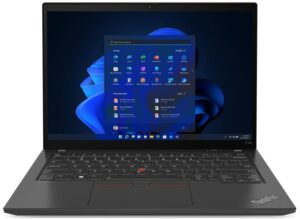
Step 1: Accessing the Internal Components
- Ensure the Lenovo ThinkPad P14s Gen 4 is powered off and placed on a soft, clean surface to prevent scratches or damage.
- Unscrew the seven captive Phillips-head screws from the bottom of the laptop.
- Use a plastic tool to gently pry the bottom panel off, starting from one of the top two corners.
Hint: Be careful during this process to avoid damaging the internal clips or the laptop casing.

Step 2: Removing the Battery
- Wear gloves to safely handle the built-in battery connector and avoid any potential short-circuiting.
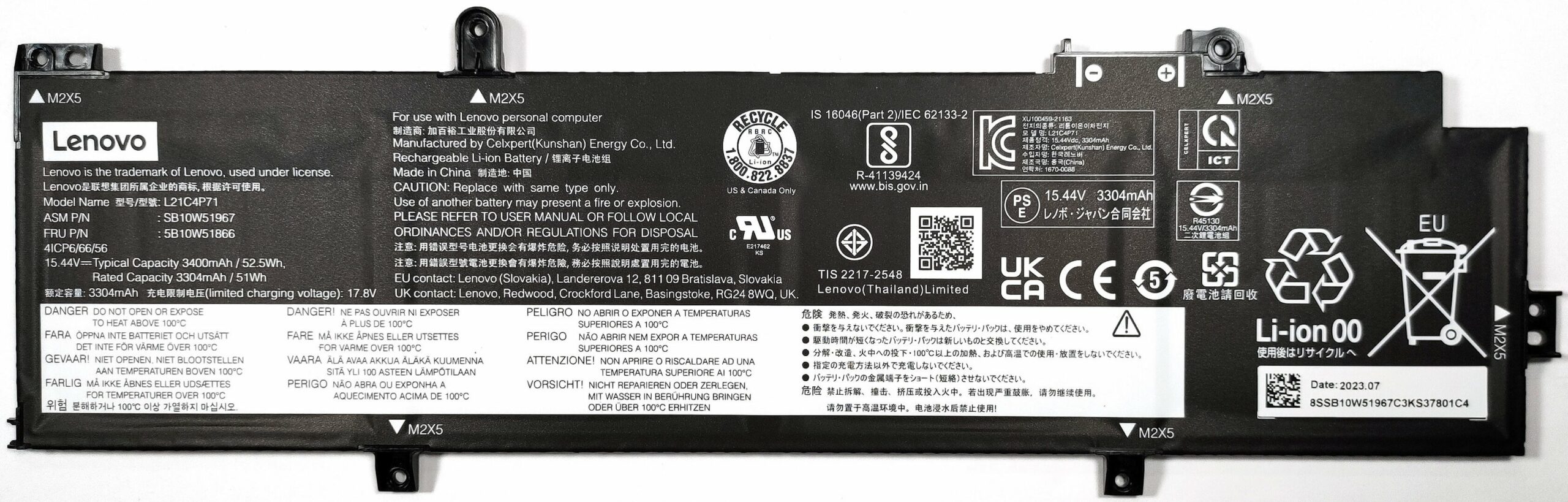
- Undo the 6 Phillips-head screws holding the battery in place, then carefully remove the optional 52.5Wh battery from the laptop.
Caution: Handle the battery and its connector with care to avoid any damage.
More info: The optional 52.5Wh battery provides up to 9 hours and 5 minutes of web browsing or 6 hours and 40 minutes of video playback, offering a solid battery life for productivity.
Memory Configuration
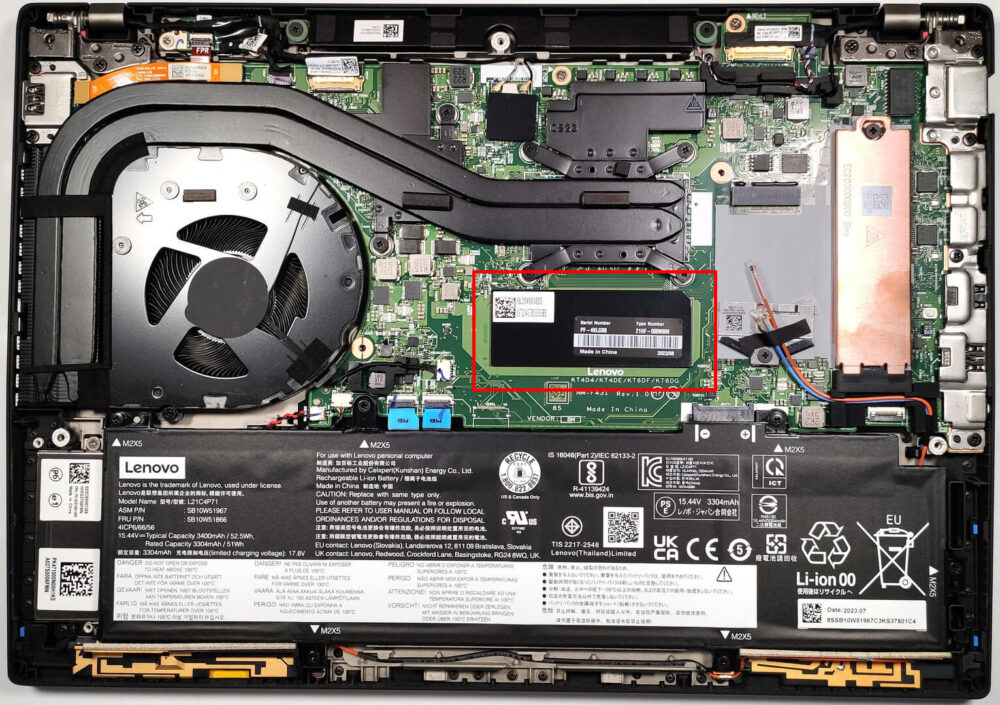
Depending on the model, the Lenovo ThinkPad P14s Gen 4 comes with either soldered-only memory up to 64GB of LPDDR5x-7500MHz (operating at 4800MHz due to platform limitations), or a combination of 16GB soldered memory and a SODIMM slot that supports an additional DDR5-5600MHz stick (operating at 5200MHz), for a total of up to 48GB.
Storage Upgrade
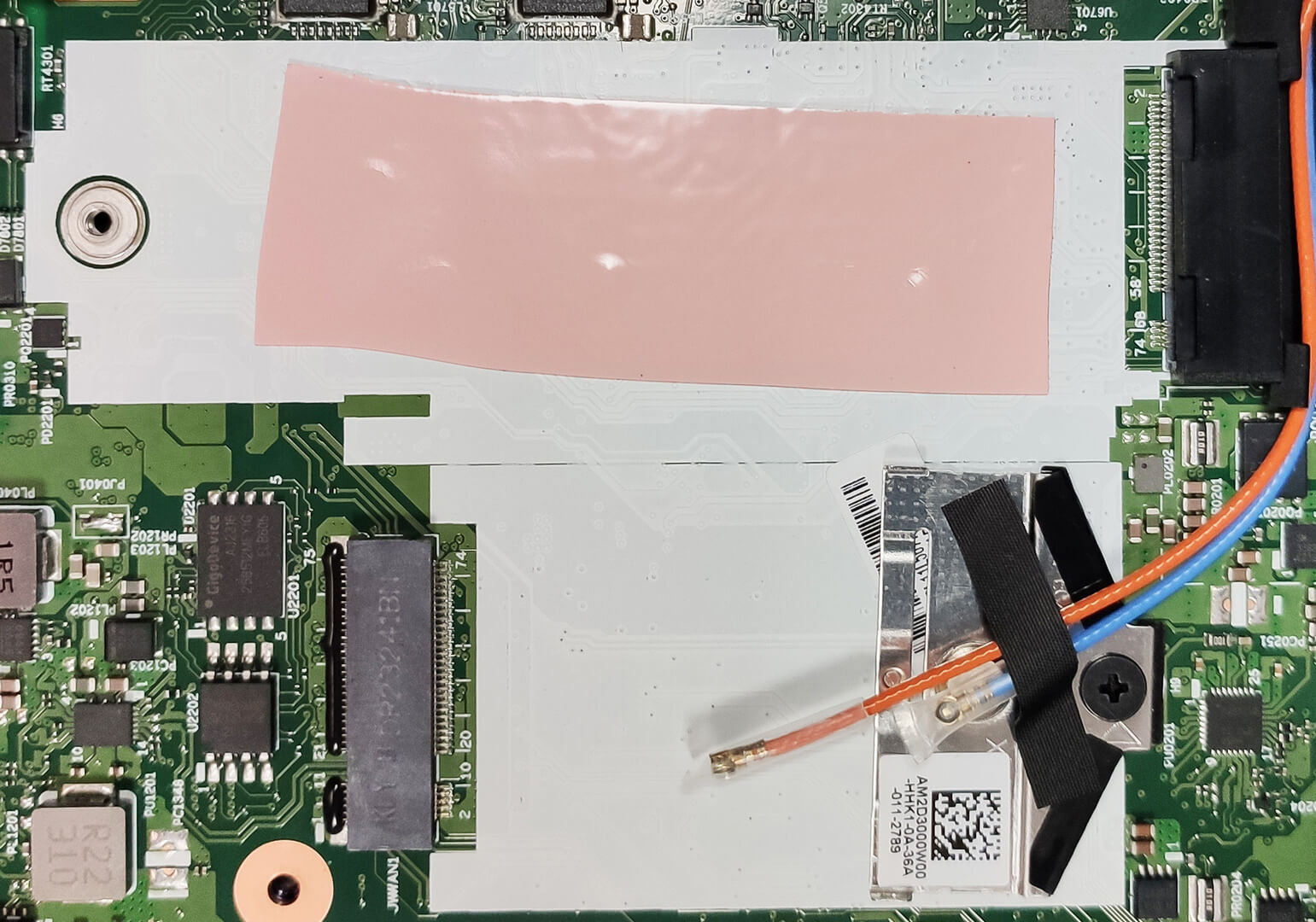
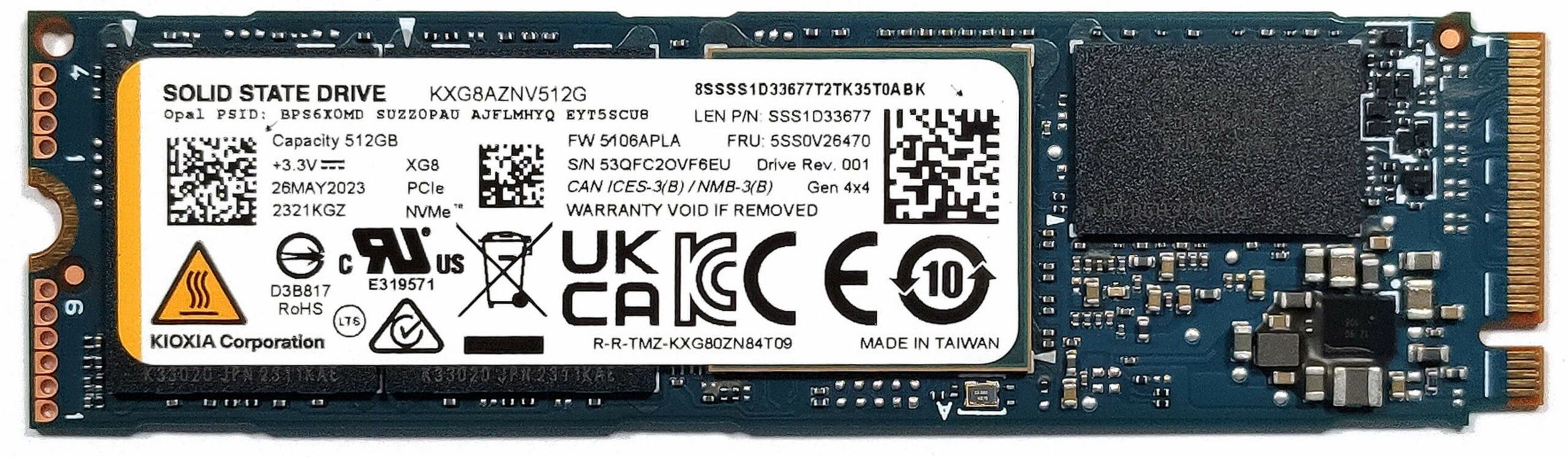
- Identify the M.2 slot compatible with Gen 4 SSDs for storage upgrades. Consider installing a new NVMe SSD to enhance the laptop’s storage capacity and performance.
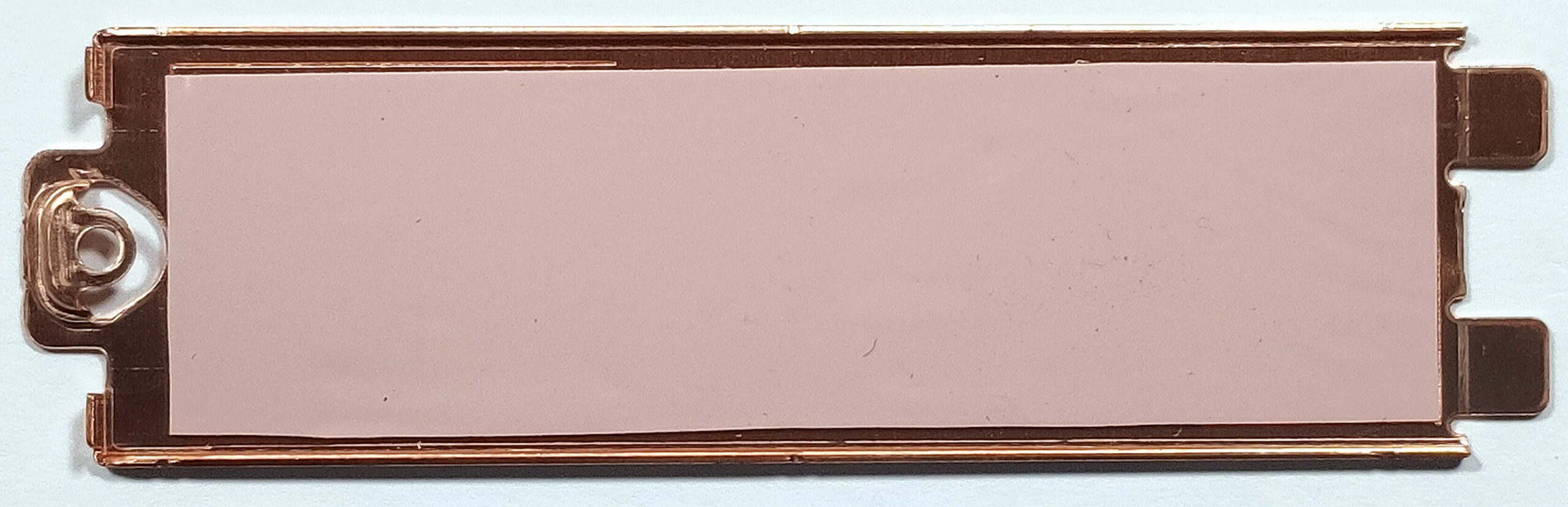
- The NVMe SSD benefits from additional cooling provided by a metal shroud with a thermal pad on the inside, as well as another thermal pad placed on the mainboard beneath the SSD.
- Choose and purchase a new drive when needed. Don’t forget to check out our Top M.2 SSDs Performance Rankings.
You can buy Gen 4 M.2 SSD modules here: Amazon.com'dan satın al (#CommissionsEarned)
Examining the Cooling System
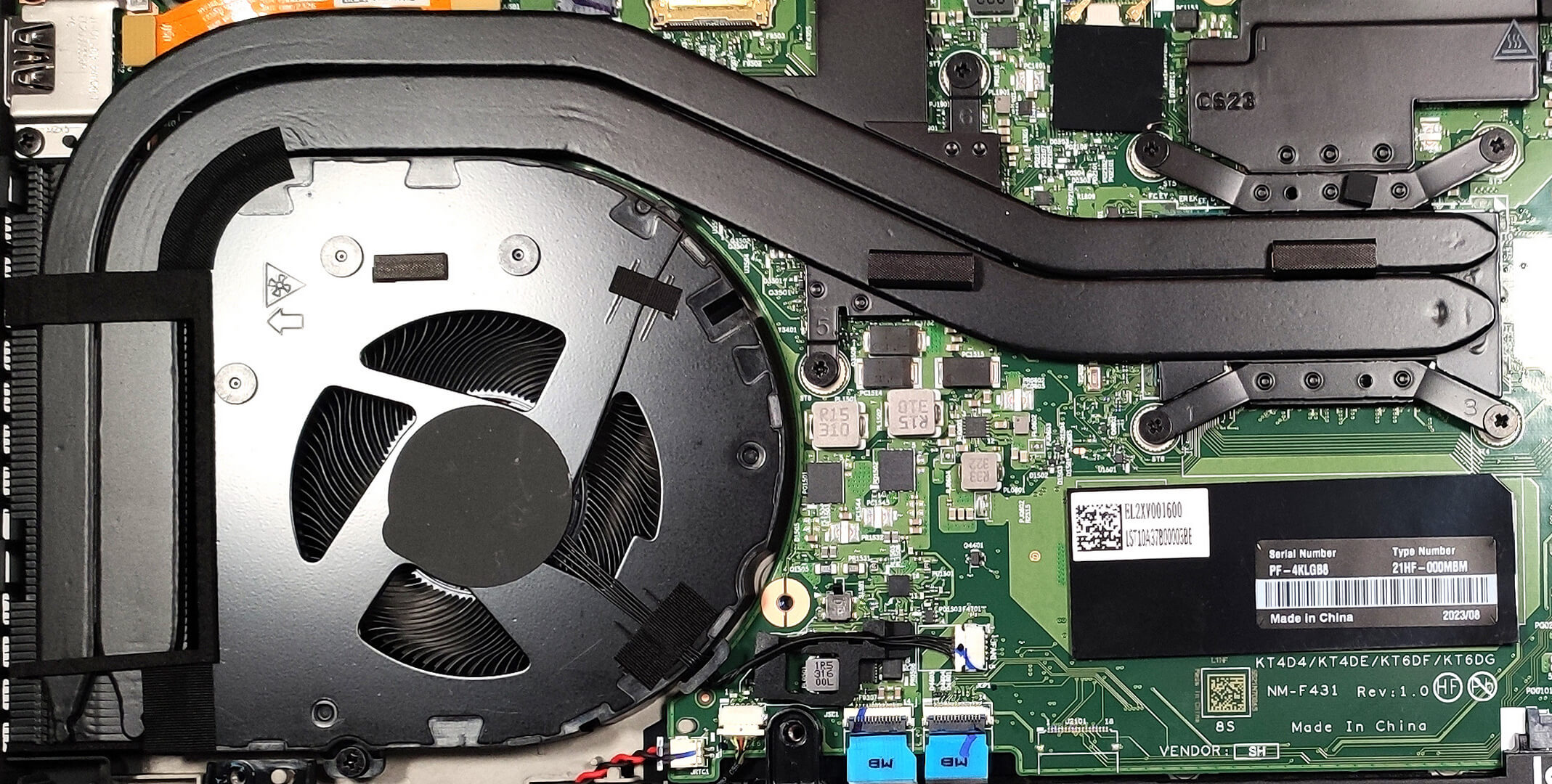
Inspect the cooling system, which includes two heat pipes shared between the CPU and the GPU, one heatsink, a single fan, and a couple of heat spreaders, designed to efficiently manage the thermal output of the device.
 Author: Anna Iorgova

![[Ağustos 2026] Amazon’da En Çok Satan Dizüstü Bilgisayar GPU’larının Küresel Sıralaması – Apple Liderliğini Sürdürüyor, NVIDIA’nın RTX 5060 Modeli Özel GPU Sıralamasında Zirvede](https://laptopmedia.com/wp-content/uploads/2026/09/Best-Selling-GPUs-GLOBAL-Top-10-400x225.jpg)
![[Ağustos 2026] Amazon’da En Çok Satan Dizüstü Bilgisayar İşlemcilerinin Küresel Sıralaması – Apple Hem Ekonomik Hem de Üst Sınıf Segmentte Hakimiyet Kuruyor: A18 Pro ve M5, Ağustos 2026’da Intel ve AMD’yi Geride Bıraktı](https://laptopmedia.com/wp-content/uploads/2026/09/Best-Selling-CPUs-GLOBAL-Top-10-400x225.jpg)
![[Ağustos 2026] Amazon Global: En Çok Satan 10 Dizüstü Bilgisayar – Apple MacBook Neo Listelerin Zirvesinde Yer Alırken, Ekonomik ve Orta Sınıf Windows Dizüstü Bilgisayarlar Satış Hacmi İçin Rekabet Ediyor](https://laptopmedia.com/wp-content/uploads/2026/09/Best-Selling-Laptops-GLOBAL-Top-10-400x225.jpg)
![[Ağustos 2026] Amazon Global’de En Çok Satan Dizüstü Bilgisayar Markaları – Apple Gelirde Liderken, HP Model Çeşitliliği Konusunda Önde](https://laptopmedia.com/wp-content/uploads/2026/09/GLOBAL-Best-Brands-400x225.jpg)
![[Ağustos 2026] Amazon Global: En Çok Satan 10 Oyun Dizüstü Bilgisayarı – HP Victus 15 Birinci Sırayı Aldı; Listeyi Uygun Fiyatlı Modeller Hakimiyetine Aldı](https://laptopmedia.com/wp-content/uploads/2026/09/Best-Selling-Gaming-Laptops-GLOBAL-Top-10-400x225.jpg)
Have you changed the USB-C ports? One of mine broke.
I’ve been struggling with random restarts with no logs on linux specifically, I resolved the issue by switching the Intel GPU driver from the legacy i915 to the new xe driver