COMPUTEX 2026: Affordable Windows Laptops Are Finally Fighting Back Against MacBook Neo
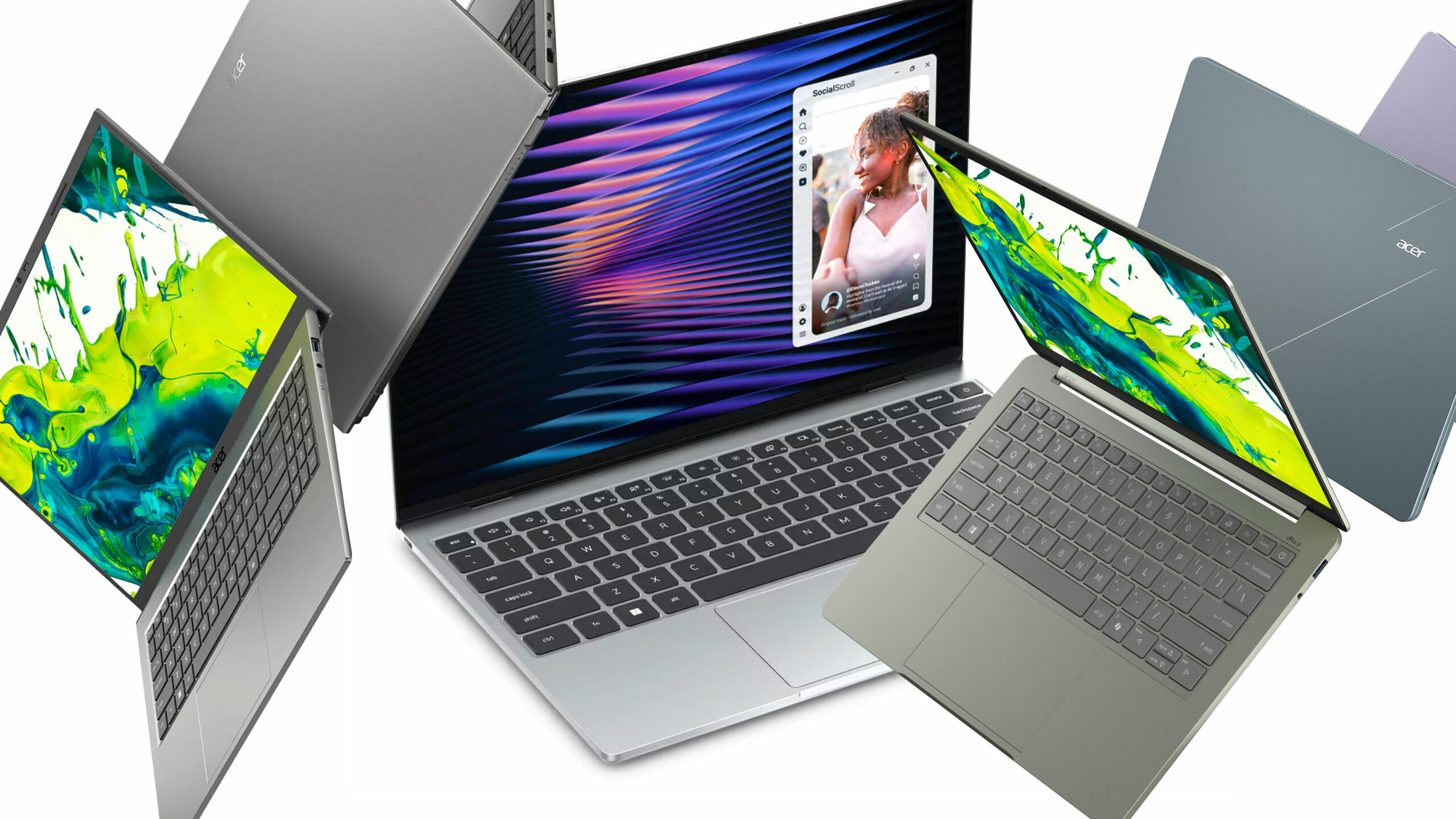 COMPUTEX 2026 had plenty of expensive hardware: RTX 5090 gaming laptops, OLED handhelds, creator workstations, and AI PCs with huge unified memory pools. But one of the most important stories was much closer to the mainstream laptop market – Affordable Windows laptops are getting interesting again!
Apple changed the conversation with the MacBook Neo. A $599 MacBook with a 13-inch Liquid Retina display, aluminum body, Apple Silicon, and long battery life puts pressure on every Windows laptop maker in the same price range. Suddenly, a cheap laptop can no longer feel cheap by default.
Read our COMPUTEX 2026 recap here:
The Most Interesting Laptop and PC Hardware We Saw at COMPUTEX 2026
MacBook Neo changed the affordable laptop conversation
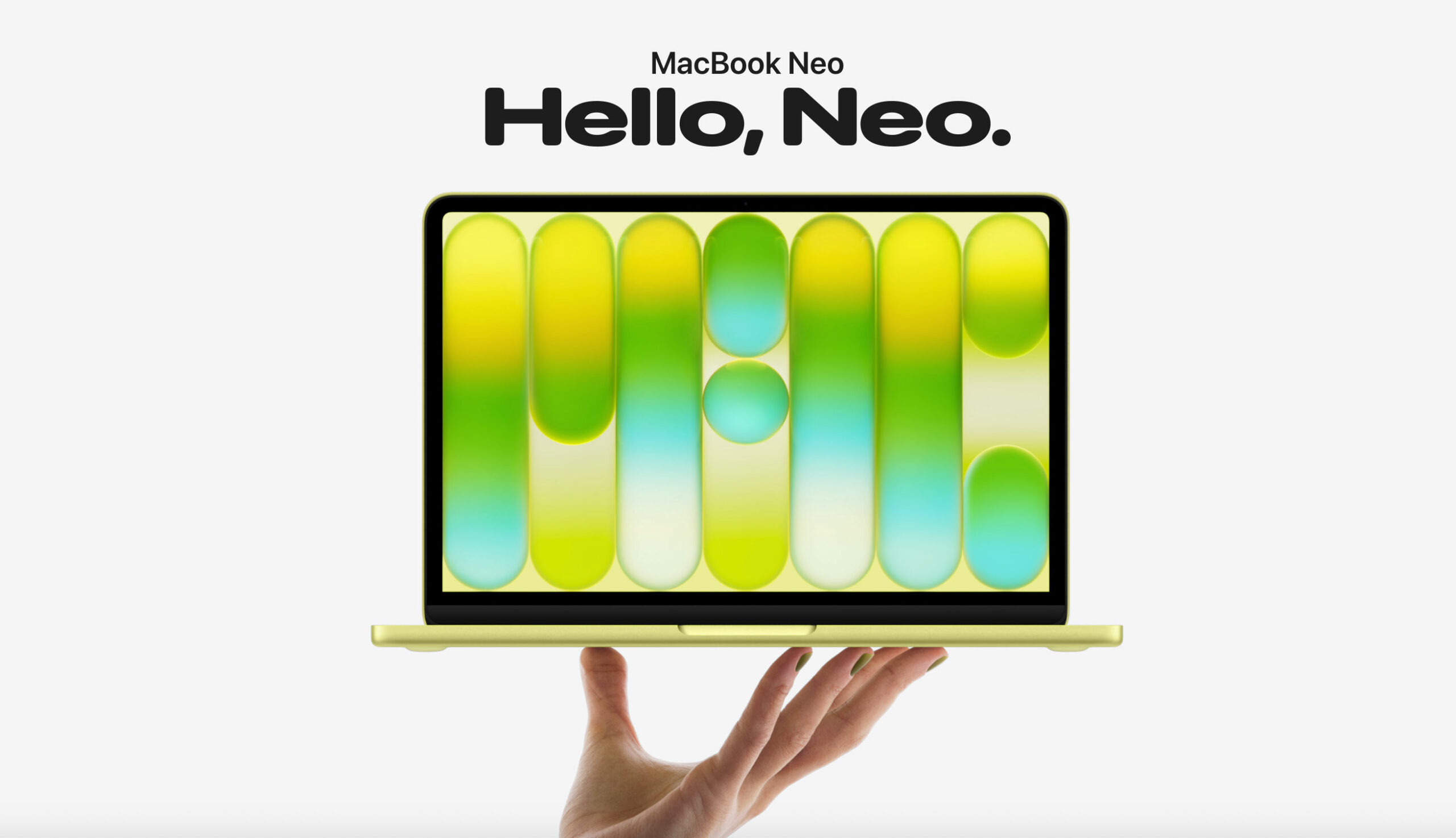 The MacBook Neo is not perfect. It still starts with 8GB of unified memory, the port selection is limited, and users who need more storage or more flexibility will quickly run into Apple’s usual upgrade logic. But the basic package is strong enough to force a reaction.
Apple is offering a compact aluminum laptop with a sharp 13-inch display, 500 nits of brightness, A18 Pro, 8GB unified memory, 256GB or 512GB SSD options, and up to 16 hours of video streaming. That is a very simple pitch for students, families, and everyday users who want a laptop that feels polished without paying MacBook Air money.
That is why the Windows response at COMPUTEX 2026 was worth watching. Dell and Acer showed that PC makers are no longer willing to leave this segment to Apple. The interesting part is how they are responding: better screens, lighter bodies, stronger port selection, and lower starting prices …but also one familiar compromise that we need to talk about: 8GB RAM.
Dell XPS 13 2026: the most direct answer
The new Dell XPS 13 is the clearest MacBook Neo rival. Dell is taking the XPS name, which is traditionally associated with premium ultrabooks, and moving it into a much more aggressive price range. The laptop starts at $699, with a temporary $599 student deal for the back-to-school season.
The specs are stronger than the price suggests. Dell lists a 13.4-inch 2560 x 1600 touchscreen, 500 nits of brightness, and a variable 30–120Hz refresh rate. The chassis is CNC aluminum, the weight starts at 2.2 pounds / 1 kg, and the machine is only about 0.5 inches thick. That gives Dell a very clear angle: premium Windows design at a price that directly challenges Apple’s new entry-level MacBook.
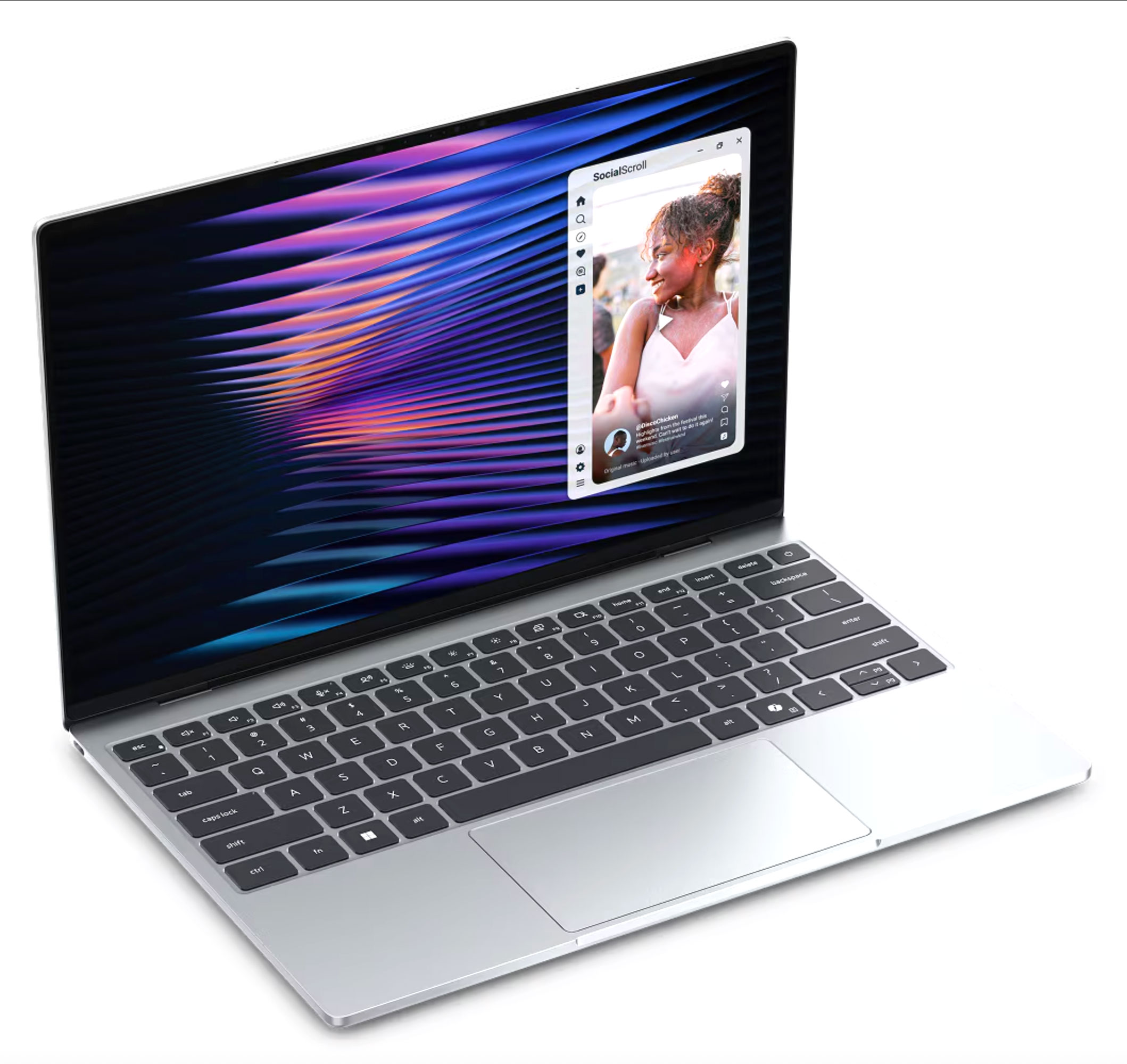
Dell XPS 13 2026: Key Specs
| Model | Dell XPS 13 2026 |
| Starting price | $699 / temporary $599 student deal |
| CPU | Intel Core 5 320 at launch; Core Ultra 7 355 later |
| Memory | 8GB to 32GB LPDDR5x |
| Storage | 256GB to 1TB PCIe Gen 4 SSD |
| Display | 13.4-inch, 2560 x 1600, touchscreen |
| Brightness | 500 nits |
| Refresh rate | 30–120Hz variable refresh rate |
| Battery | 52Wh |
| Ports | 2x USB-C 3.2 Gen 2 or Thunderbolt 4 on Core Ultra versions |
| Weight | Starting at 2.2 lbs / 1 kg |
The XPS 13 has one big advantage over the MacBook Neo: configuration flexibility. Buyers can go beyond 8GB RAM, choose more storage, and get a Windows machine with a touchscreen and faster ports. The downside is obvious too. Once you move away from the base model, the price will probably climb quickly, and the entry-level memory configuration still starts at 8GB.
Acer Swift Air 14: the practical Windows alternative
The Acer Swift Air 14 feels like a different kind of answer. It does not attack the MacBook Neo only on price but it actually tries to be a practical thin-and-light Windows laptop with a larger 14-inch screen, useful ports, a light aluminum chassis, and a battery large enough for serious everyday use.
Acer is using Intel Core Series 3 processors, with configurations up to an Intel Core 7 Processor 350. The laptop has a 14-inch WUXGA 1920 x 1200 display with a 16:10 aspect ratio, 100% sRGB coverage, 350 nits brightness, and a 120Hz refresh rate. It also brings up to 16GB of LPDDR5 memory, up to 512GB M.2 SSD storage with an upgrade path to 1TB, a 70Wh battery, and a very light 1.19 kg aluminum body.
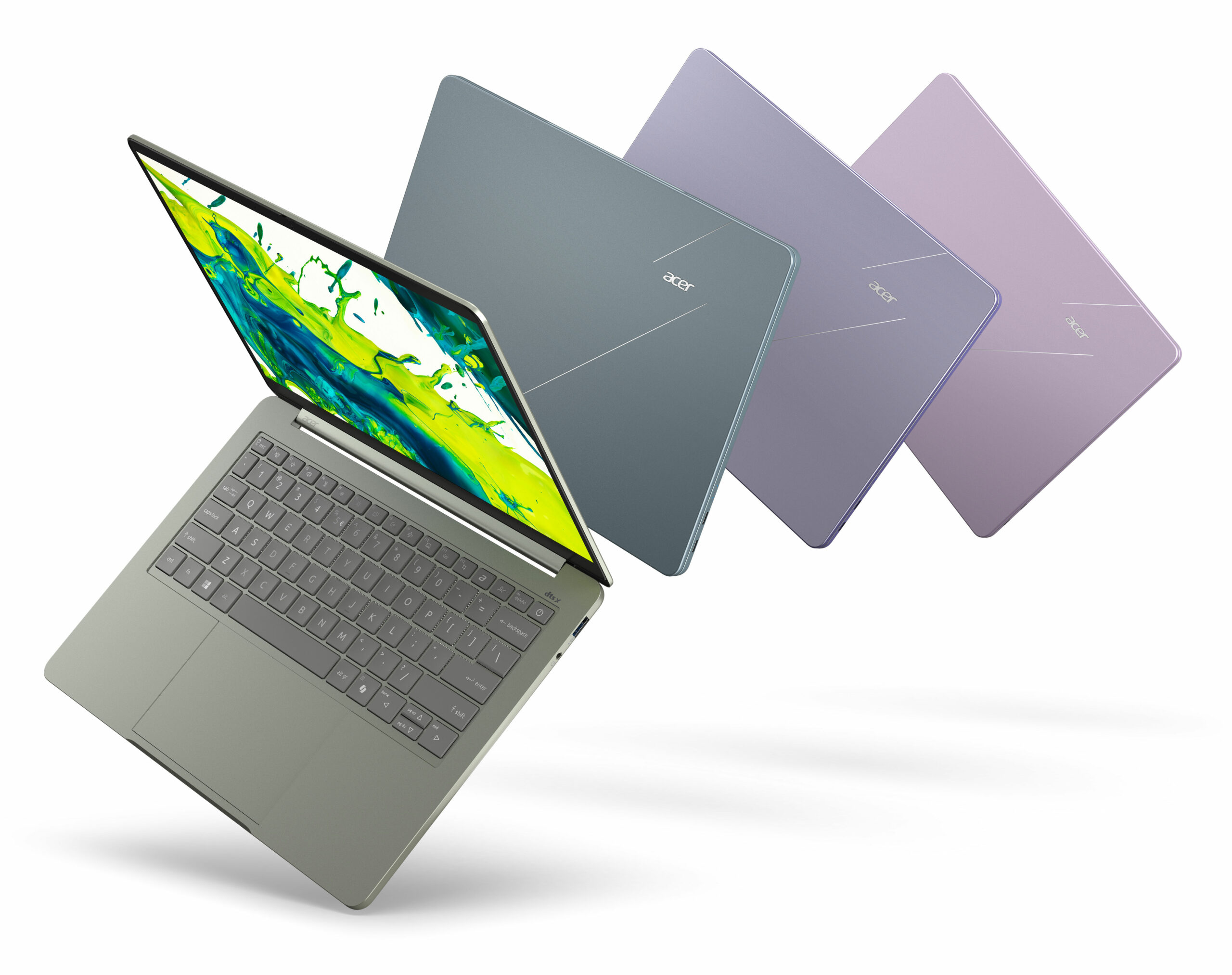
Acer Swift Air 14: Full Specs
| Name | Acer Swift Air 14 |
| Model | SFA14-I31 |
| Operating system | Windows 11 Home |
| Processor | Up to Intel Core 7 Processor 350 |
| Graphics | Intel Graphics |
| Display | 14-inch WUXGA, 1920 x 1200, 16:10 |
| Color coverage | 100% sRGB |
| Refresh rate | 120Hz |
| Brightness | 350 nits |
| Memory | Up to 16GB LPDDR5 onboard memory |
| Storage | Up to 512GB M.2 SSD, upgradeable to 1TB |
| Camera | FHD IR camera with privacy shutter and Windows Hello facial recognition |
| Audio | Built-in quad stereo speakers, built-in dual digital microphones, DTS:X Ultra Audio |
| Ports | 2x full-function USB Type-C, 1x USB 3.2 Type-A, audio jack |
| Battery | 70Wh, 3-cell Li-ion |
| Claimed battery life | Up to 19 hours video playback, up to 16 hours web browsing, up to 12 hours MobileMark 30 |
| Wireless | Intel Wi-Fi 6E AX211, Bluetooth 5.3 or above |
| Dimensions | 313.99 x 222.65 x 12.9 / 13.3 mm |
| Weight | 1.19 kg |
| Chassis | Aluminum chassis |
| Colors | Sage Green, Frost Blue, Blossom Pink, Lilac Purple |
| Software / AI features | AcerSense, Acer Intelligence Space, Acer PurifiedView, Acer PurifiedVoice |
The Swift Air 14 may be the more practical Windows option for many users. A 14-inch 16:10 display gives more workspace than a 13-inch panel, the 120Hz refresh rate makes the machine feel smoother, and the 70Wh battery is a strong spec for such a light body. The useful port selection, IR camera, privacy shutter, and quad-speaker setup also make it feel less like a stripped-down budget laptop.
The concern is again the base configuration. If the entry model comes with 8GB RAM, it may be fine for light browsing, documents, streaming, and school work today, but it is harder to recommend as a safe long-term Windows purchase. The good news is that Acer lists configurations up to 16GB LPDDR5, which should be the version most buyers look for if they plan to keep the machine for several years.
Acer Aspire Go 15 with Snapdragon C: ARM Windows goes cheaper
The Acer Aspire Go 15 is not the flashiest laptop here, but it may be the most important experiment. It is the first laptop announced with Qualcomm’s new Snapdragon C platform, aimed at accessible everyday Windows machines.
This is interesting because Arm Windows has mostly been discussed through premium Copilot+ PCs, Snapdragon X Elite machines, and battery-focused ultraportables. Snapdragon C pushes the idea into a cheaper segment. If it works well, it could bring quiet operation, better battery life, and good enough everyday performance to laptops that normal buyers can actually afford.
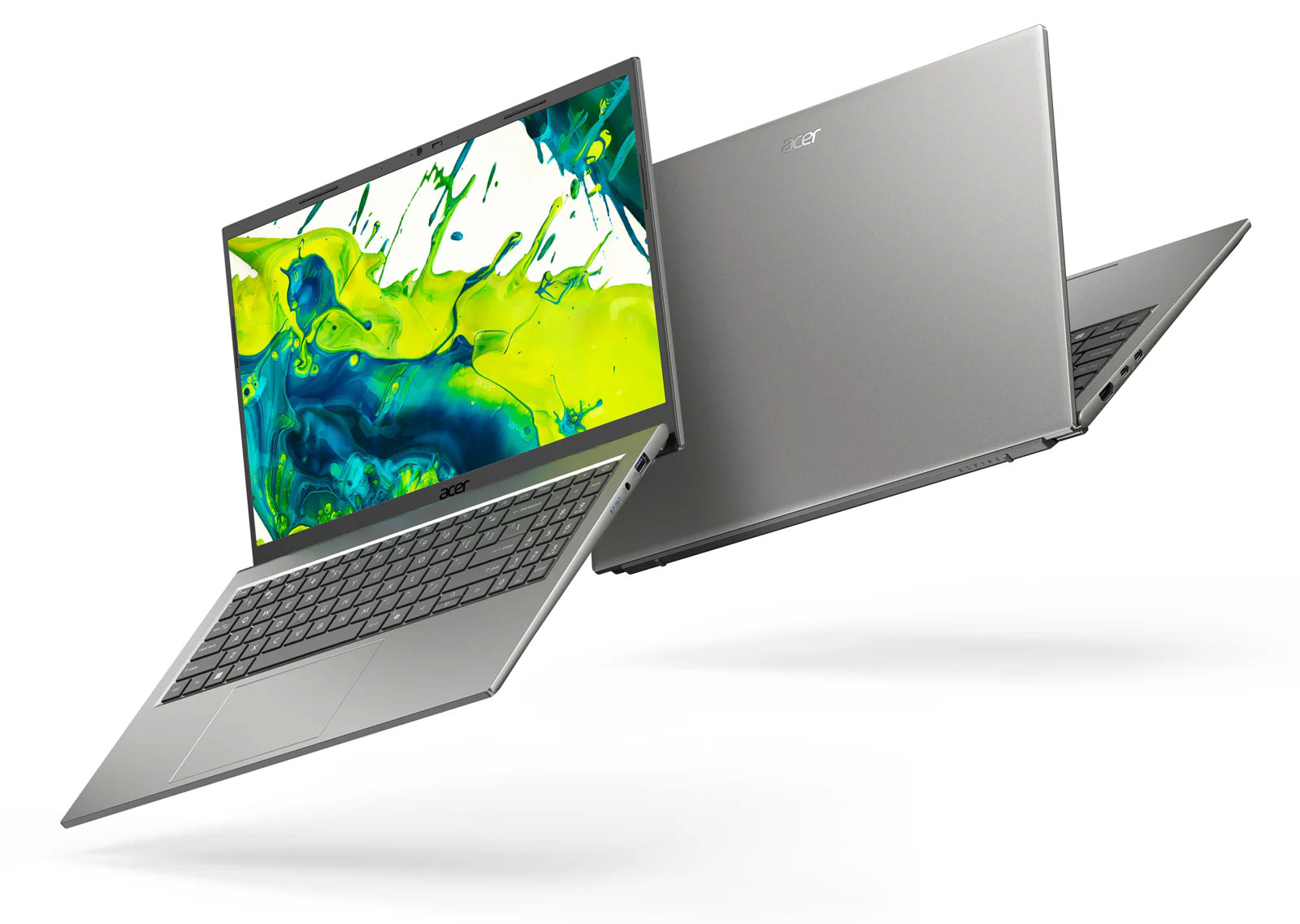
Acer Aspire Go 15 Snapdragon C: Key Specs
| Product | Acer Aspire Go 15 |
| Model | AG15-Q31P |
| Operating system | Windows 11 Home |
| Platform | Qualcomm Snapdragon C |
| Processor | Snapdragon C |
| Graphics | Qualcomm Adreno GPU |
| Display | 15.6-inch Full HD, 1920 x 1080 |
| Aspect ratio | 16:9 |
| Memory | Up to 8GB memory |
| Storage | Up to 512GB storage |
| Camera | 1080p FHD webcam |
| Audio | Dual speakers |
| Ports | 2x full-function USB Type-C, 1x USB Type-A, HDMI 1.4, audio jack |
| Battery | 53Wh |
| Wireless | Wi-Fi 6E, Bluetooth 5.4 or above |
| Main idea | Entry-level Arm Windows laptop for everyday tasks |
For web browsing, Office work, streaming, school platforms, and basic productivity, Acer Aspire Go 15 could be enough. But the limitations are real. The memory ceiling is only 8GB, and Windows on Arm compatibility still matters. Users who rely on niche apps, drivers, plugins, or older utilities should be careful until real reviews confirm how smooth the experience is.
The uncomfortable question: is 8GB RAM enough in 2026?
This is the part that keeps the story from becoming simple. MacBook Neo made affordable premium laptops exciting again, but it may also normalize 8GB RAM in a segment where Windows buyers should be asking for more.
For very light use, 8GB can still work. A student writing documents, browsing the web, joining video calls, and streaming content may be fine, especially on a tightly controlled system. But Windows laptops usually carry a wider range of background apps, browser tabs, security tools, drivers, launchers, cloud sync services, and vendor utilities. Add AI features, heavier websites, and a 4–5 year ownership cycle, and 8GB becomes harder to defend.
This does not mean every cheap laptop needs 32GB RAM. But for 2026, 16GB should be the safer baseline for a Windows laptop that people expect to keep for several years.
The three Windows machines answer MacBook Neo in different ways. Dell is going directly after the affordable premium segment. Acer Swift Air 14 is the more practical thin-and-light alternative. Acer Aspire Go 15 is the low-cost Arm Windows experiment.
| Model | Role in the story | Main strength | Main concern |
| Dell XPS 13 2026 | Direct MacBook Neo rival | Premium XPS design, 2.5K touchscreen, 120Hz VRR, aluminum chassis | 8GB base model; higher configs may become much more expensive |
| Acer Swift Air 14 | Practical Windows thin-and-light | 14-inch 120Hz display, portable body, long battery-life claim, useful Windows flexibility | Base RAM configuration and real build/display quality need testing |
| Acer Aspire Go 15 Snapdragon C | Entry-level Arm Windows experiment | Cool, quiet Snapdragon C platform for everyday computing | 8GB memory ceiling and Windows on Arm compatibility questions |
Verdict
This may not be the most fascinating COMPUTEX 2026 story, but it could be one of the most important for normal buyers. Not everyone needs an RTX 5090 laptop, an AI workstation, or a 1000Hz monitor. Many people need a laptop that is affordable, portable, comfortable, and good enough to last several years.
MacBook Neo forced Windows laptop makers to take that segment seriously again. Dell responded with a cheaper XPS 13. Acer answered with the Swift Air 14 and an entry-level Snapdragon C machine. That is good news for buyers.
The warning is simple: lower prices should not bring back weak memory configurations as the default. Affordable laptops are getting better, but in 2026, we would still rather see 16GB RAM as the normal starting point for Windows machines built to last.
Read our COMPUTEX 2026 recap here:
The Most Interesting Laptop and PC Hardware We Saw at COMPUTEX 2026
 Author: Simeon NikolovEditor-in-Chief at LaptopMedia.com with 20+ years of experience in testing and analyzing laptops and mobile devices.

![[August 2026] Amazon Global: Top 10 Best-Selling Laptops – Apple MacBook Neo Dominates the Charts as Budget and Mid-Range Windows Portables Fight for Volume](https://laptopmedia.com/wp-content/uploads/2026/09/Best-Selling-Laptops-GLOBAL-Top-10-400x225.jpg)
![[August 2026] Best-Selling Laptop Brands on Amazon Global – Apple Dominates Revenue While HP Leads in Model Variety](https://laptopmedia.com/wp-content/uploads/2026/09/GLOBAL-Best-Brands-400x225.jpg)
![[August 2026] Amazon Global: Top 10 Best-Selling Gaming Laptops – HP Victus 15 Captures the Crown as Budget-Friendly Models Dominate the Charts](https://laptopmedia.com/wp-content/uploads/2026/09/Best-Selling-Gaming-Laptops-GLOBAL-Top-10-400x225.jpg)
![[August 2026] Best-Selling Laptop Brands on Amazon USA – Apple Dominates Market Revenue and Volume Despite Lower Model Diversity](https://laptopmedia.com/wp-content/uploads/2026/09/COM-Best-Brands-1-400x225.jpg)
![[August 2026] Amazon USA: Top 10 Best-Selling Laptops – Apple MacBook Neo Dominates the Market with Massive Unit Sales!](https://laptopmedia.com/wp-content/uploads/2026/09/Best-Selling-Laptops-COM-Top-10-400x225.jpg)
Acer Swift Air 14 looks pretty nice – 14 inch 120Hz 70Wh battery and useful ports – strong combo.
Please compare these directly against the MacBook Neo when you can. That would be a very useful real-world test.