AMD Ryzen 3 4300U vs Intel Core i3-1005G1 – The red team wins again, 4300U has up to 50% better performance
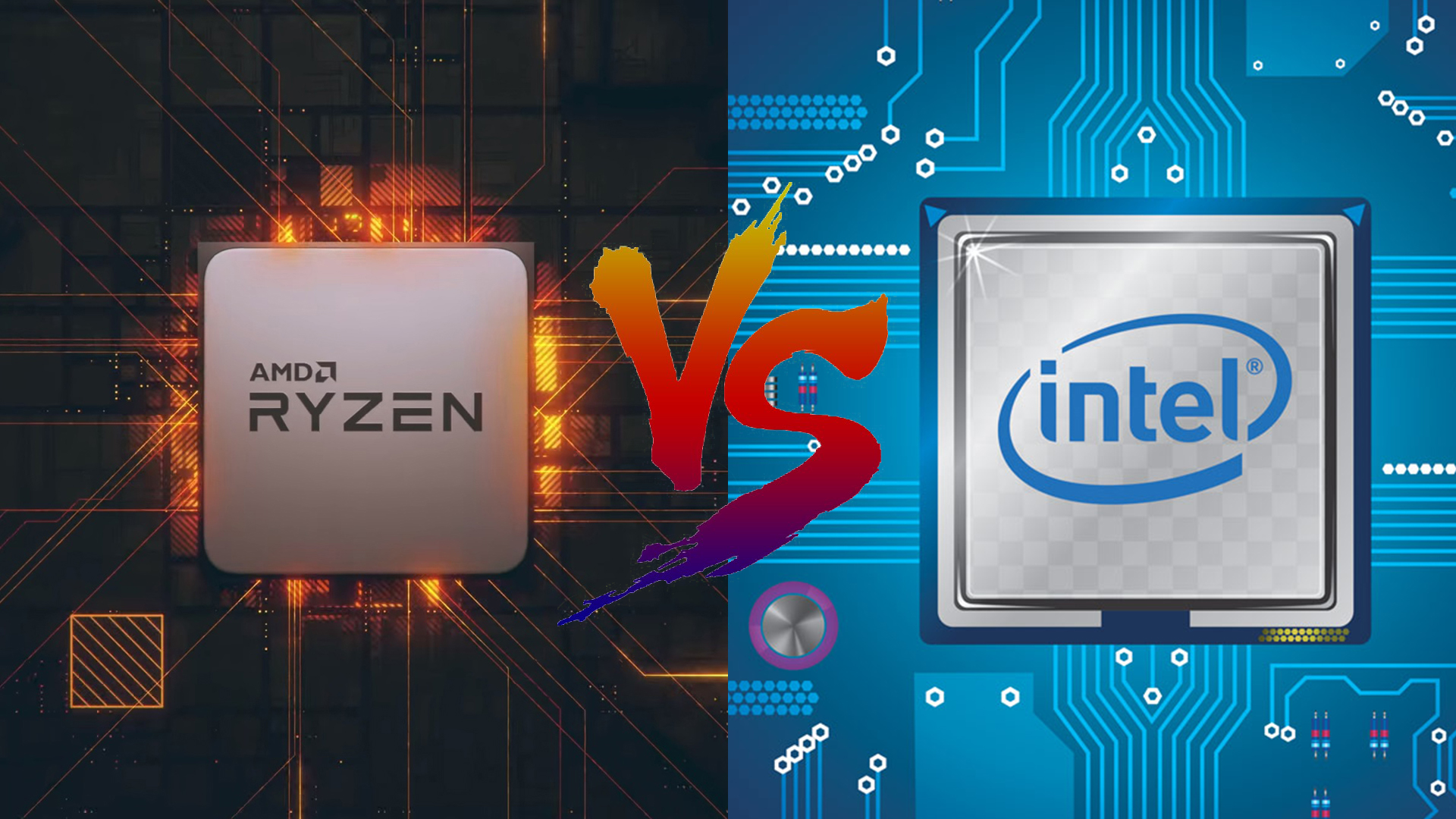
If you are looking to buy a laptop for gaming or desktop work, then when it comes to processors, only two companies can claim to have exactly what you need. Intel the former champ is on the losing side now, and AMD, the underdog for many years is now the titleholder. Both of these organizations have an almost religious following when it comes to their respective stock.
Intel has more expensive merchandise, and they used to have the best-performing CPUs. These days, the best performance comes with AMD and that comes with consumer-friendly prices too. AMD also has bigger jumps in their performance every generation while Intel makes only small steps. You can see that for yourself in some of our earlier articles – AMD Ryzen 3 4300U vs Ryzen 7 3700U – last year’s champ is today’s “nothing special” and Intel Core i7-10750H vs Core i7-9750H – just a refresh.
Quick specs
Intel’s processor Core i3-1005G1 has 2 cores and 4 threads, so it supports multithreading. Each core can go up to 3.40 GHz which is lower than its adversary. It’s made through a 10 nm process which is the smallest Intel can go. When it comes to the TDP, it starts at 13 W but it can go up to 25W.
AMD’s Ryzen 3 4300U has 4 cores and 4 threads – no multithreading but more physical cores. Every core’s frequency can go from 2.70 GHz up to 3.70 GHz. The size of the process is 7 nm, which is AMD’s smallest. The minimum TDP is 10 W, while its max is the same as Intel’s Core i3-1005G1, which is 25 W.
More detailed specs here – AMD Ryzen 3 4300U / Intel Core i3-1005G1
Specs table
| Processor | AMD Ryzen 3 4300U | Intel Core i3-1005G1 |
|---|---|---|
| Cores / Threads | 4 / 4 | 2 / 4 |
| Base / Max frequency | 2.70 – 3.70 GHz | 1.20 – 3.40 GHz |
| Cache | 4 MB Cache | 4 MB Cache |
| TDP / up / down | 15 W / 25 W / 10 W | 15 W / 25 W / 13 W |
| Memory support | DDR4-3200MHz, LPDDR4-4266MHz | DDR4-3200MHz, LPDDR4-3733MHz |
CPU Benchmarks
AMD’s CPU dominates in both tests with a 45.5% advantage in the 3D Rendering and a 3.61-second difference in the Photoshop benchmark.
Results are from the Cinebench 20 CPU test (the higher the score, the better)
With a 29.15% average advantage, AMD bests Intel in the graphics tests as well.
Gaming tests

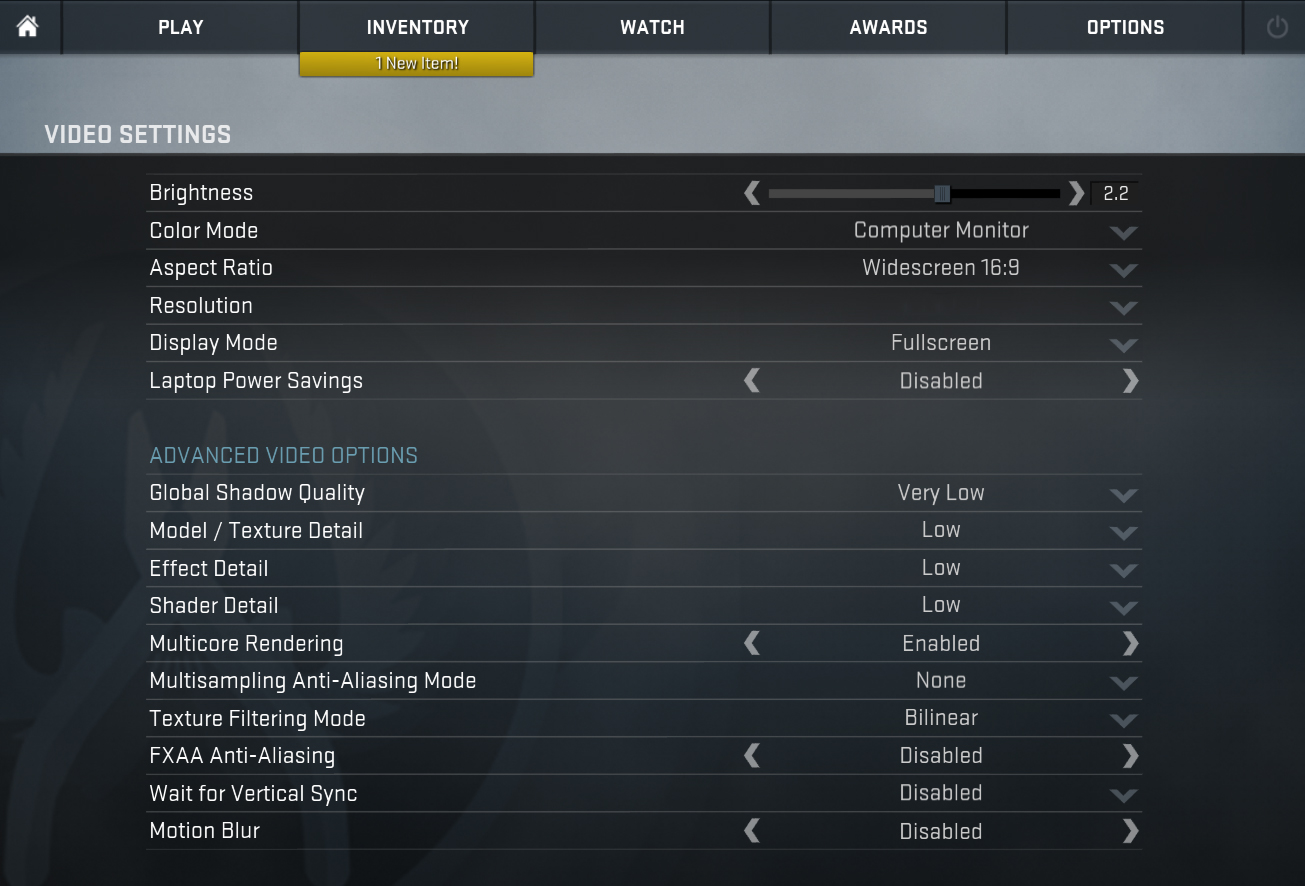
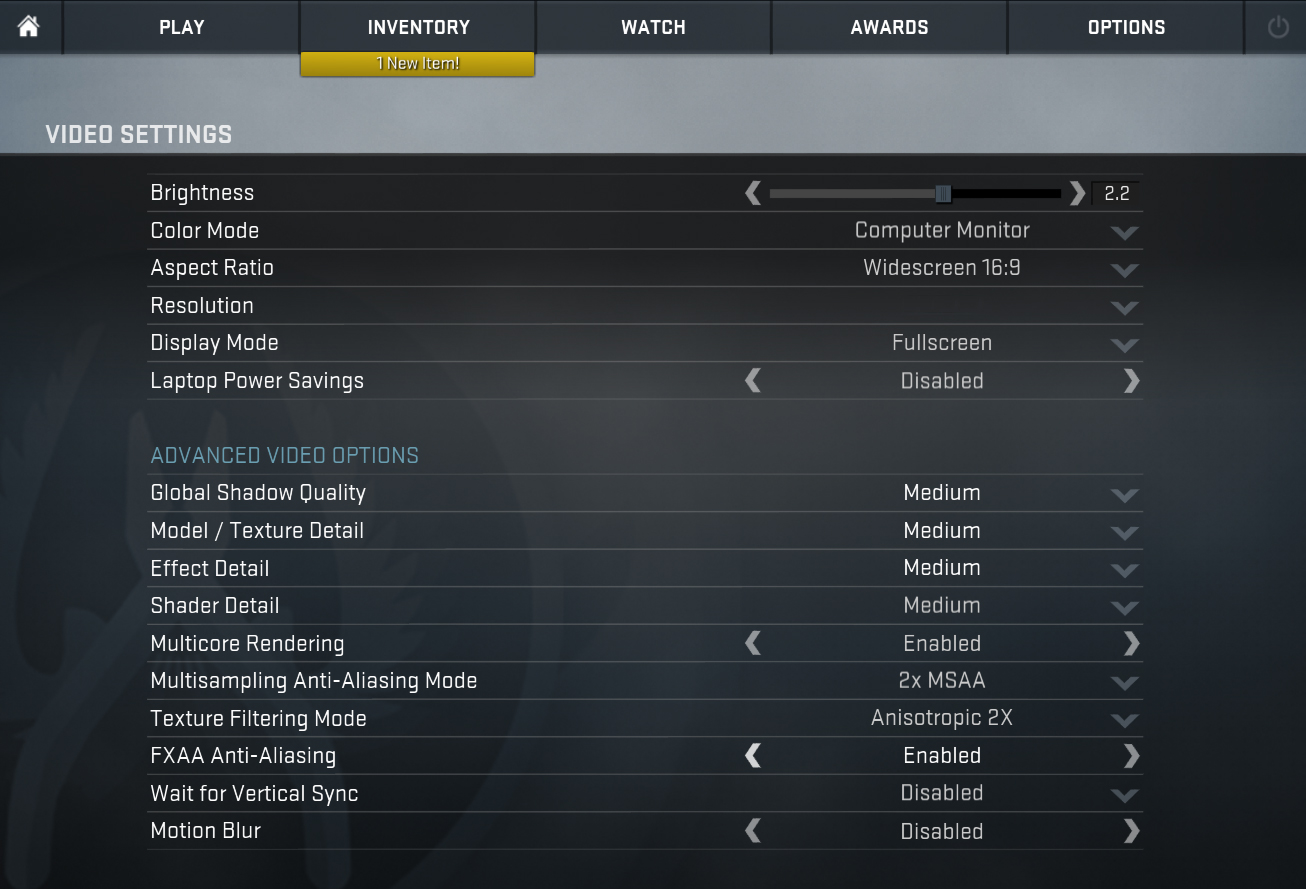
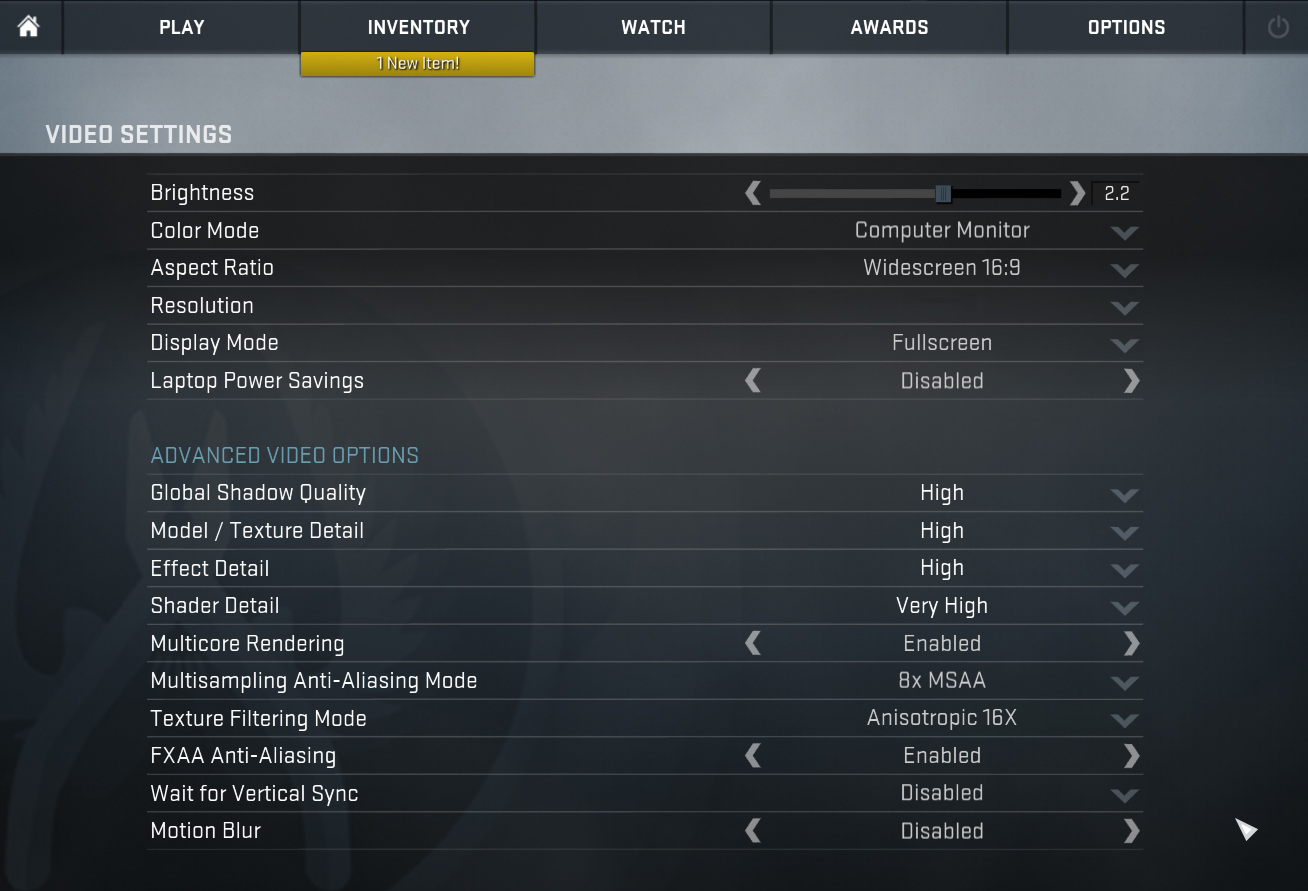
| CS:GO | HD 1080p, Low (Check settings) | HD 1080p, Medium (Check settings) | HD 1080p, MAX (Check settings) |
|---|---|---|---|
| AMD Radeon RX Vega 5 (4300U) | 88 fps | 59 fps | 40 fps |
| Intel UHD Graphics G1 (1005G1) | 51 fps | 34 fps | 20 fps |

| DOTA 2 | HD 1080p, Low (Check settings) | HD 1080p, Normal (Check settings) | HD 1080p, High (Check settings) |
|---|---|---|---|
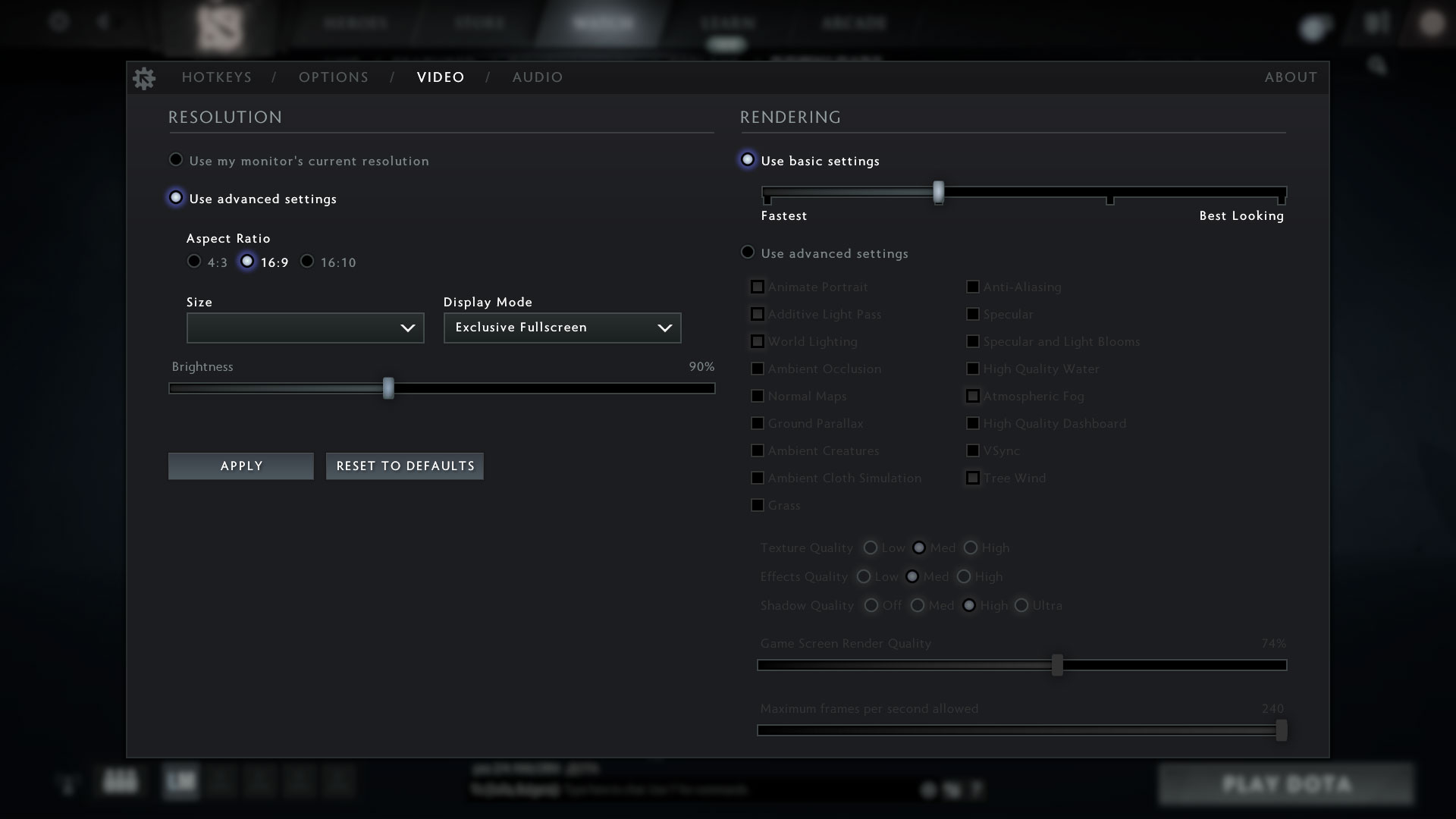
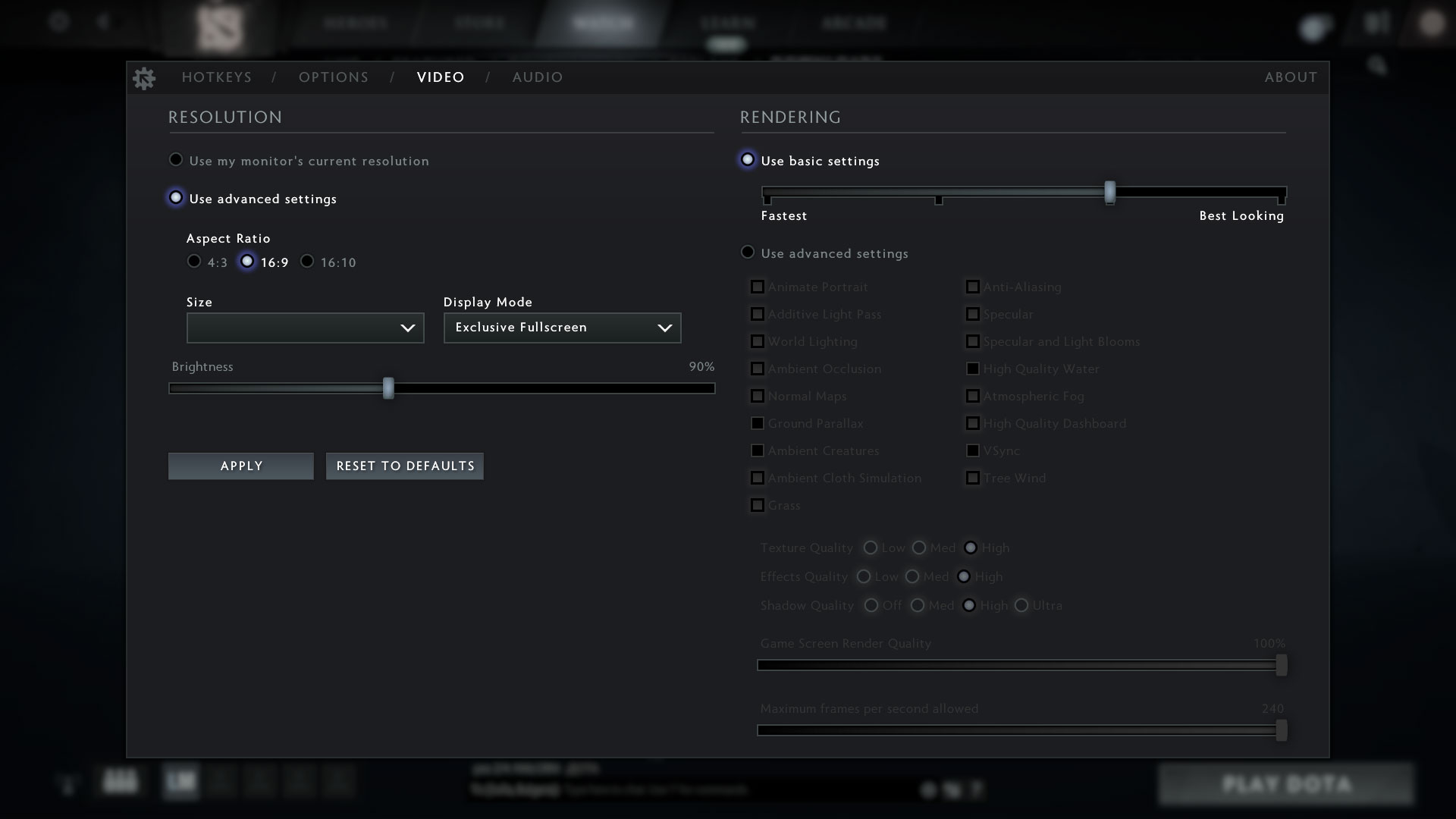
| AMD Radeon RX Vega 5 (4300U) | 98 fps | 62 fps | 32 fps |
| Intel UHD Graphics G1 (1005G1) | 61 fps | 37 fps | 22 fps |
Performance summary (gaming tests)
The 50% average advantage along with the fact that AMD’s known for being affordable, makes this the superior integrated GPU when it comes to gaming.
| AMD Ryzen 3 4300U over AMD Ryzen 5 3500U | CS:GO | DOTA2 | Average |
|---|---|---|---|
| AMD Radeon RX Vega 5 (4300U) | +57% | +44% | +50% |
| Intel UHD Graphics G1(1005G1) | – | – | – |
Verdict
The performance of the AMD processor, along with its integrated graphics, dominated the tests. It had higher scores in the CPU benchmarks, better results in the GPU tests, and higher fps. The Ryzen 3 4300U is superior when it comes to performance, so it all comes down to pricing.
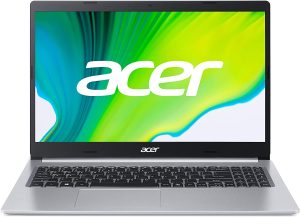
All laptops with AMD Ryzen 3 4300U:
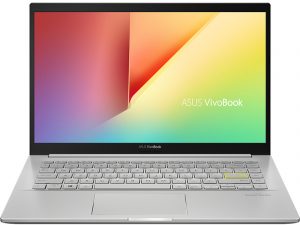
All laptops with Intel Core i3-1005G1:

 Author: Tencho Stoyanov

![[August 2026] Amazon Italy: Top 10 Best-Selling Laptops – Apple MacBook Neo Claims the Crown as Budget and Mid-Range Windows Machines Dominate Volume](https://laptopmedia.com/wp-content/uploads/2026/09/Best-Selling-Laptops-IT-Top-10-400x225.jpg)
![[August 2026] Amazon Italy: Top 7 Best-Selling Gaming Laptops – ASUS V16 Claims the #1 Spot Amid Strong Mid-Range Demand](https://laptopmedia.com/wp-content/uploads/2026/09/Best-Selling-Gaming-Laptops-IT-Top-10-400x225.jpg)
![[August 2026] Best-Selling Laptop Brands on Amazon Italy – Lenovo Dominates Market Share and Revenue Leadership](https://laptopmedia.com/wp-content/uploads/2026/09/IT-Best-Brands-400x225.jpg)
![[August 2026] Amazon India: Top 10 Best-Selling Laptops – Apple MacBook Neo Dominates the Charts with Massive Sales Lead](https://laptopmedia.com/wp-content/uploads/2026/09/Best-Selling-Laptops-IN-Top-10-400x225.jpg)
![[August 2026] Amazon India: Top 10 Best-Selling Gaming Laptops – HP Victus 15 Dominates the Market with Massive Unit Lead](https://laptopmedia.com/wp-content/uploads/2026/09/Best-Selling-Gaming-Laptops-IN-Top-10-400x225.jpg)

Please expand the games you test with… plzzzzz
Plase add battery test section, like how much energy taken from wall.