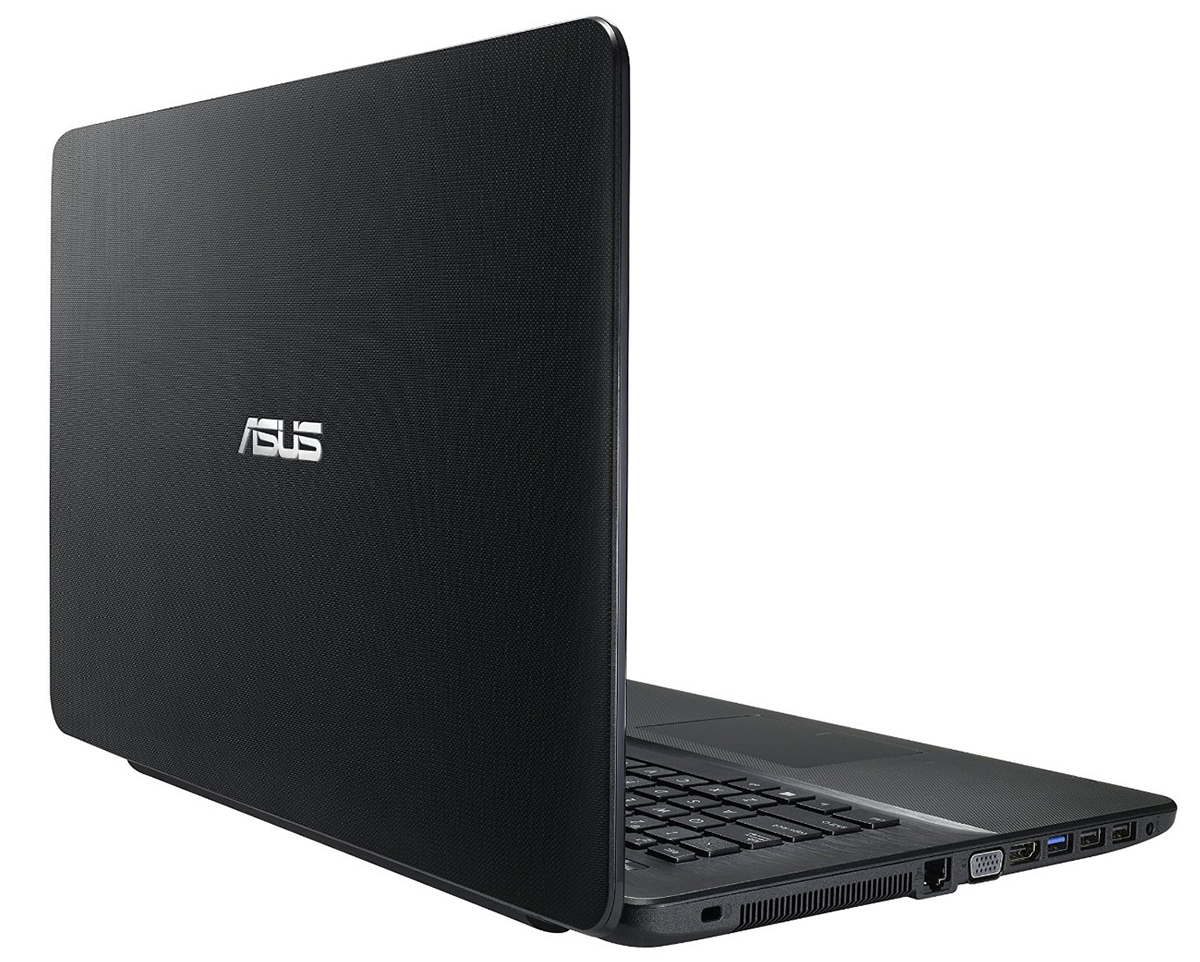
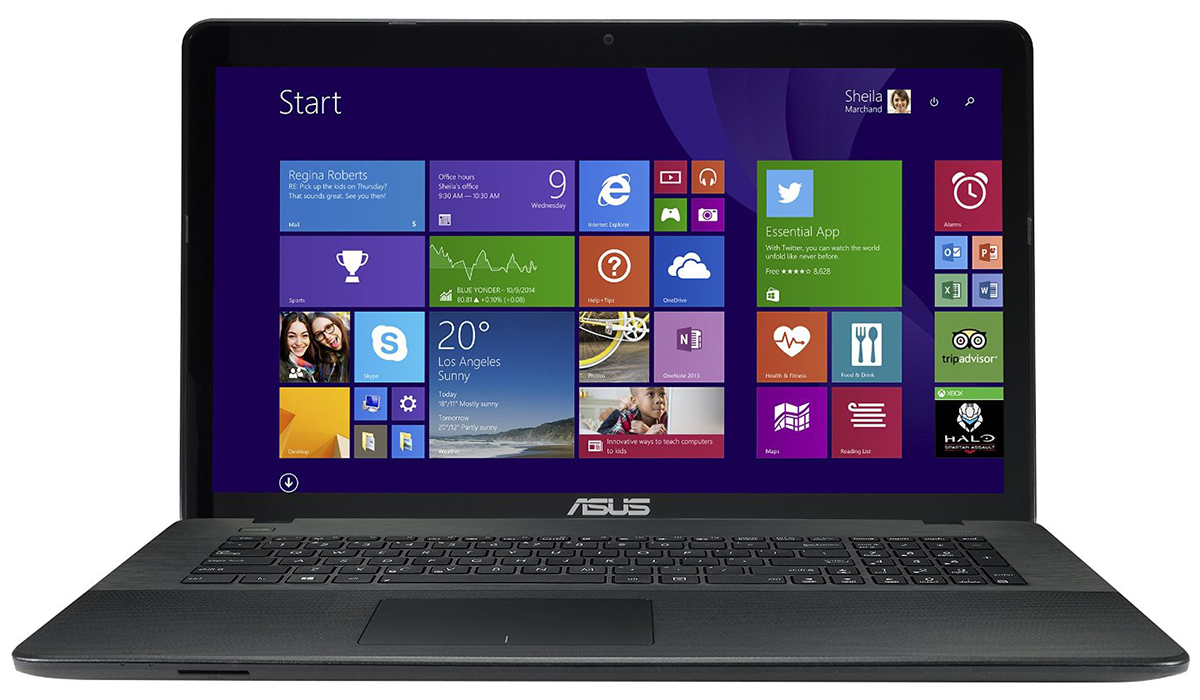
ASUS K751LX


- Date Published: 24 Nov 2015
- Intel Core i5-5200U
- NVIDIA GeForce GTX 950M (2GB DDR3)
- 17.3”, HD+ (1600 x 900), TN
- 1000GB HDD
- 4GB DDR3
- 2.80 kg (6.2 lbs)
Specs
- Display
- HDD/SSD
- 1TB HDD, 5400 rpm
- RAM
- 4GB DDR3
- Body Material
- Plastic
- Dimensions
- 415 x 272 x 30 - 35 mm (16.34" x 10.71" x 1.18")
- Weight
- 2.80 kg (6.2 lbs)
- Ports and connectivity
- 3x USB Type-A
- 3.2 Gen 1 (5 Gbps)
- HDMI
- Card Reader
- SD
- Ethernet LAN
- Wi-Fi
- 802.11bgn
- Bluetooth
- 4.0
- Audio jack
- headphone/microphone
- Features
- Fingerprint reader
- Web camera
- Backlit keyboard
- Microphone
- Speakers
- Optical drive
- Security Lock slot
Portability
Review
ASUS K751LX in-depth review
ASUS is famous for rebranding some of its notebooks by using the same chassis and thermal design, but labeling it as another product with a different paint job. The case with the K751LX is basically the same. It comes as a bigger sibling to the previously reviewed K550JX, but with a notable difference - it has a dual-core Core i5 or i7 CPU (depending on the configuration) instead of the speedy quad-core Core i7-4720HQ found in the K550JX. Anything other than that is almost the same, except for the size, of course.We are presented with almost identical thermal design, keyboard, touchpad and port placement. Nonetheless, the chassis has a different pattern and feel, but somehow offers the same sturdiness. Anyway, we expect the notebook to perform well in our performance tests as it boasts[...]
Read the full review
Pros
- Comfortable keyboard
- Well-balanced hardware with particularly powerful GPU for the price tag
- Excellent cooling system
- Three USB 3.0 ports
- Relatively high resolution (1600x900) and sRGB color gamut coverage for its class (79%)
Cons
- The CPU bottlenecks the gaming performance slightly
- PWM from 0 to 99% screen brightness with aggressive light pulsation (200 Hz)


![[June 2026] Best-Selling Laptop Brands on Amazon Global – Apple’s Unrivaled Dominance in Units and Revenue](https://laptopmedia.com/wp-content/uploads/2026/07/GLOBAL-Best-Brands-400x225.jpg)
![[June 2026] Amazon Global: Top 10 Best-Selling Laptops – Apple’s New MacBook Neo Storms to #1, Reshaping the Market with Affordability](https://laptopmedia.com/wp-content/uploads/2026/07/Best-Selling-Laptops-GLOBAL-Top-10-400x225.jpg)
![[June 2026] Amazon Global: Top 10 Best-Selling Gaming Laptops – Acer’s Nitro V 16S AI Dominates Sales, While ASUS Leads Overall Revenue](https://laptopmedia.com/wp-content/uploads/2026/07/Best-Selling-Gaming-Laptops-GLOBAL-Top-10-400x225.jpg)
![[June 2026] Global Ranking of Best-Selling Laptop GPUs on Amazon – NVIDIA RTX 5060 is the Top-Selling Dedicated GPU](https://laptopmedia.com/wp-content/uploads/2026/07/Best-Selling-GPUs-GLOBAL-Top-10-400x225.jpg)
![[June 2026] Global Ranking of Best-Selling Laptop CPUs on Amazon – Apple M5 Dominates, AMD Ryzen 7 260 Gets Solid Premium Share](https://laptopmedia.com/wp-content/uploads/2026/07/Best-Selling-CPUs-GLOBAL-Top-10-400x225.jpg)