Lenovo ThinkPad X1 Carbon Gen 14 Aura Edition review – The Ultimate Business Laptop Gets Modular
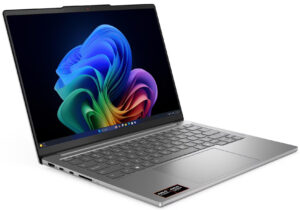
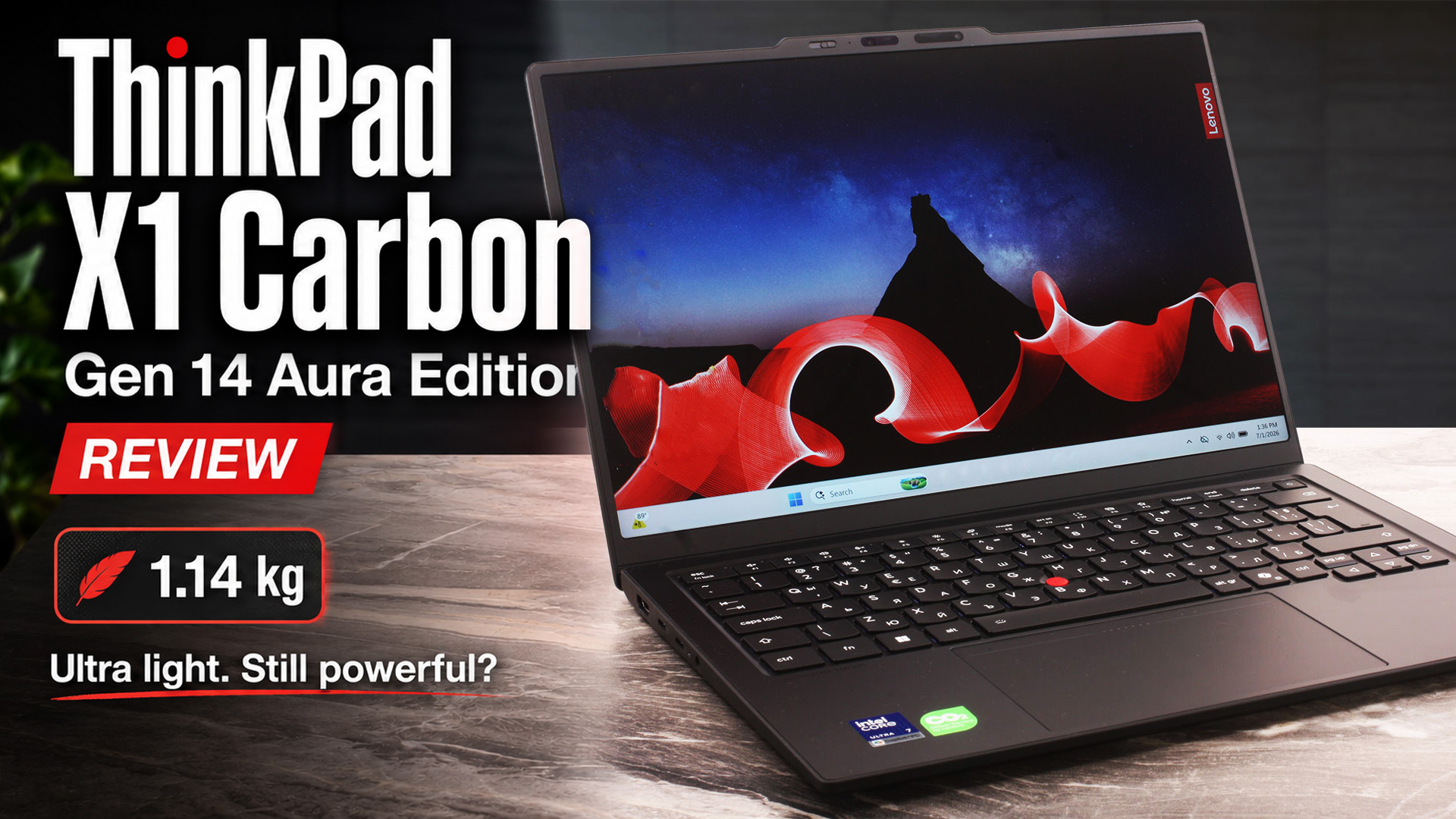 The Lenovo ThinkPad X1 Carbon Gen 14 Aura Edition is a meaningful redesign of one of the most established premium business laptops. It retains the restrained ThinkPad appearance, excellent keyboard, and exceptionally low weight, while introducing a more serviceable internal architecture that can reduce the scope of common repairs. It remains a premium professional tool for users who prioritize portability, build quality, connectivity, and long-term serviceability over maximum performance per dollar.
That portability still comes with significant compromises. The memory and wireless controller are soldered, there is only one SSD slot, and the thinnest configurations cannot match the sustained performance of substantially larger laptops. However, our Core Ultra 7 355 configuration still delivers strong performance for its weight, excellent local-video endurance, and a practical overall experience for office work, travel, and software development.
TESTED CONFIGURATION:
– Model: 21V70071BM
– Intel Core Ultra 7 355
– Intel Graphics (4-Cores)
– 32GB LPDDR5X RAM (7467 MT/s)
– 1TB NVMe SSD
– 14.0″, 1920 x 1200, 60Hz, IPS, Touchscreen
You can check the prices and configurations in our Specs System: https://laptopmedia.com/series/lenovo-thinkpad-x1-carbon-aura-edition-14th-gen-2026/
Contents
Specs, Drivers, What’s in the box
Lenovo ThinkPad X1 Carbon Aura Edition (14th Gen, 2026) - Specs



- HDD/SSD
- up to 2000GB SSD
- M.2 Slot
- 1x 2280 M.2 NVMe PCIe 5.0 x4 See photo
- RAM
- up to 64GB
- OS
- Windows 11 Pro, Windows 11 Home
- Battery
- 58Wh
- Body material
- Aluminum, Carbon, Magnesium alloy
- Dimensions
- 312.50 x 215.75 x 9.2 - 15.3 mm (12.30" x 8.49" x 0.36")
- Weight
- 0.97 kg (2.1 lbs)
- Ports and connectivity
- 1x USB Type-A
- 3.2 Gen 1 (5 Gbps), Sleep and Charge
- 3x USB Type-C
- Thunderbolt 4, Power Delivery (PD), DisplayPort
- HDMI
- 2.1 (4K@60Hz)
- Card reader
- Ethernet LAN
- Wi-Fi
- Wi-Fi 7
- Bluetooth
- 5.4 / 6.0
- Audio jack
- 3.5mm Combo Jack
- Features
- Fingerprint reader
- optional
- Web camera
- UHD 10.0MP + IR discrete, with Privacy Shutter, MIPI, ToF sensor, fixed focus, ultrawide, temporal noise reduction
- Backlit keyboard
- optional
- Microphone
- Dual-microphone array, 360° far-field
- Speakers
- Stereo speakers, 2W x2, Dolby Atmos®
- Security Lock slot
- Kensington Nano Lock
All Lenovo ThinkPad X1 Carbon Aura Edition (14th Gen, 2026) configurations
Drivers
All drivers and utilities for this notebook can be found here: https://pcsupport.lenovo.com/us/en/products/laptops-and-netbooks/thinkpad-x-series-laptops/thinkpad-x1-carbon-gen-14-type-21v7-21v8/downloads
What’s in the box?
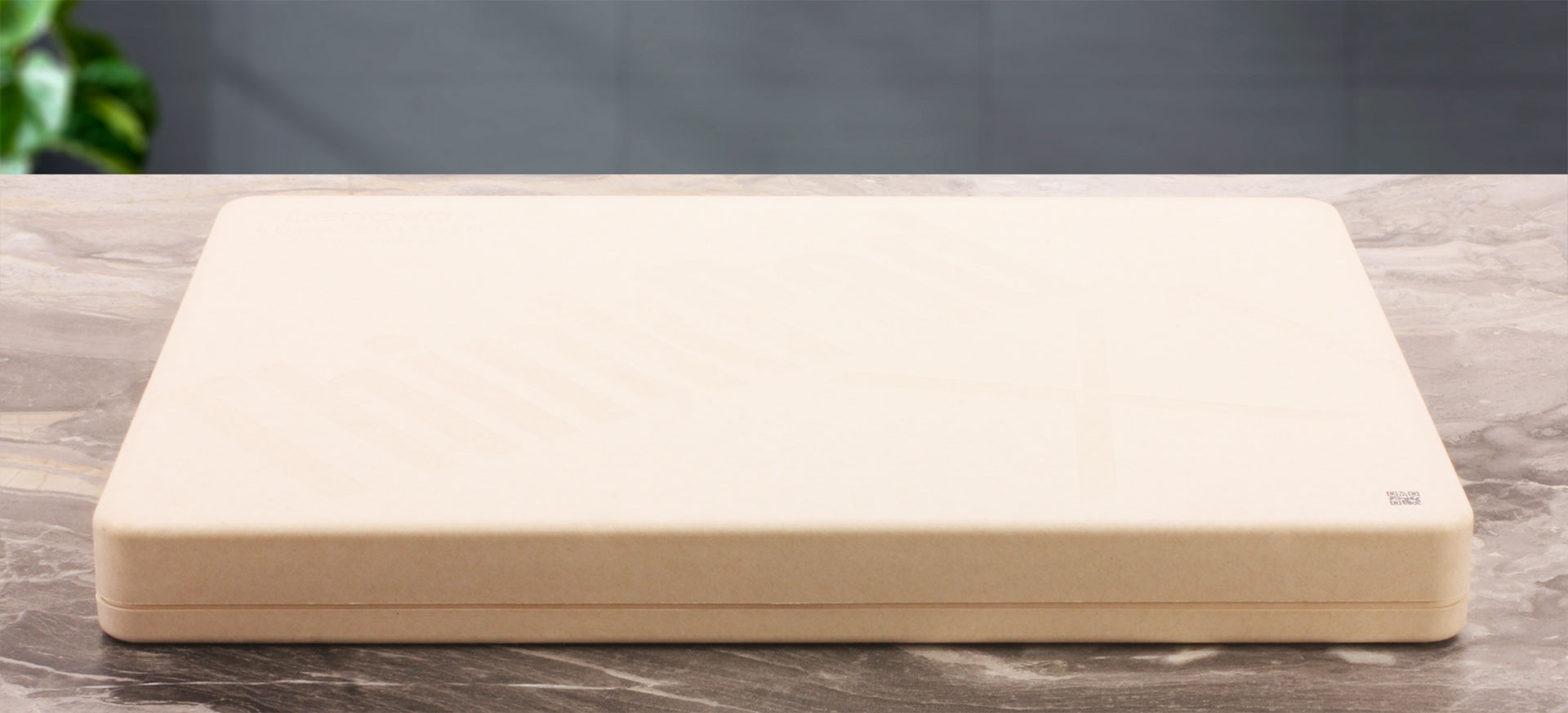
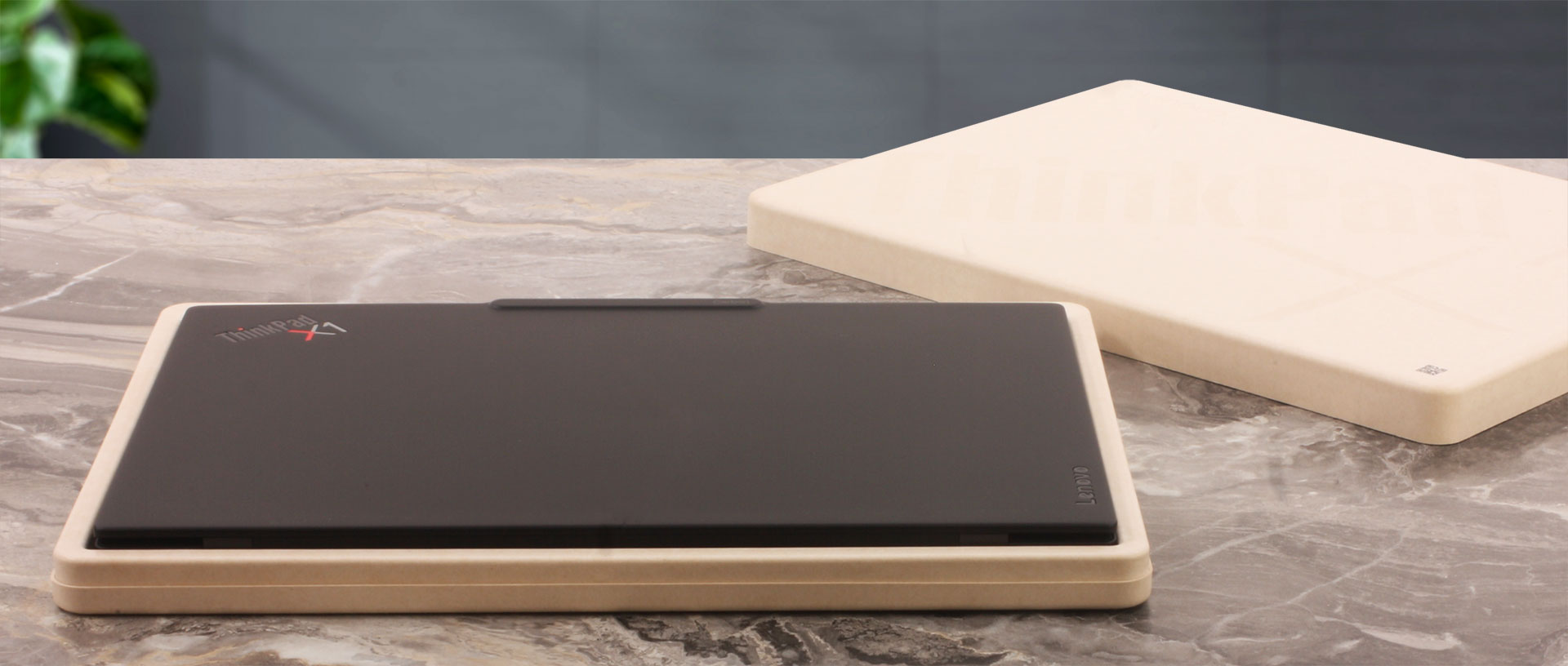
Unboxing the ThinkPad X1 Carbon Gen 14 Aura Edition is a suitably minimalist affair. The laptop is protected by a sturdy molded-fiber structure, while the primary packaging uses FSC-certified paper and avoids plastic.
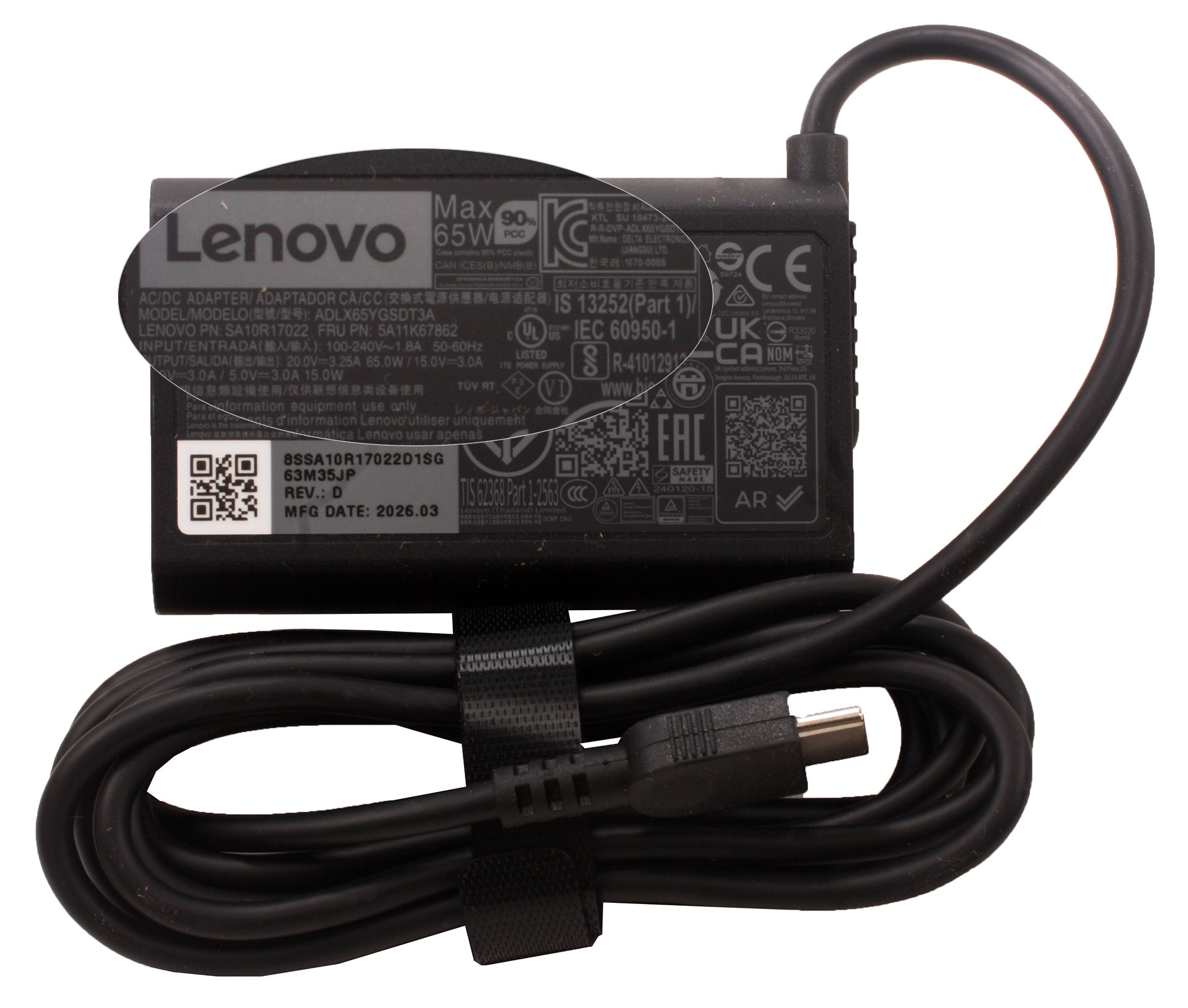
There are no extra accessories beyond the usual documentation and the included compact 65W USB-C power adapter.
It is a simple, practical package that protects the machine well and includes everything required to start using it immediately.
Design and construction
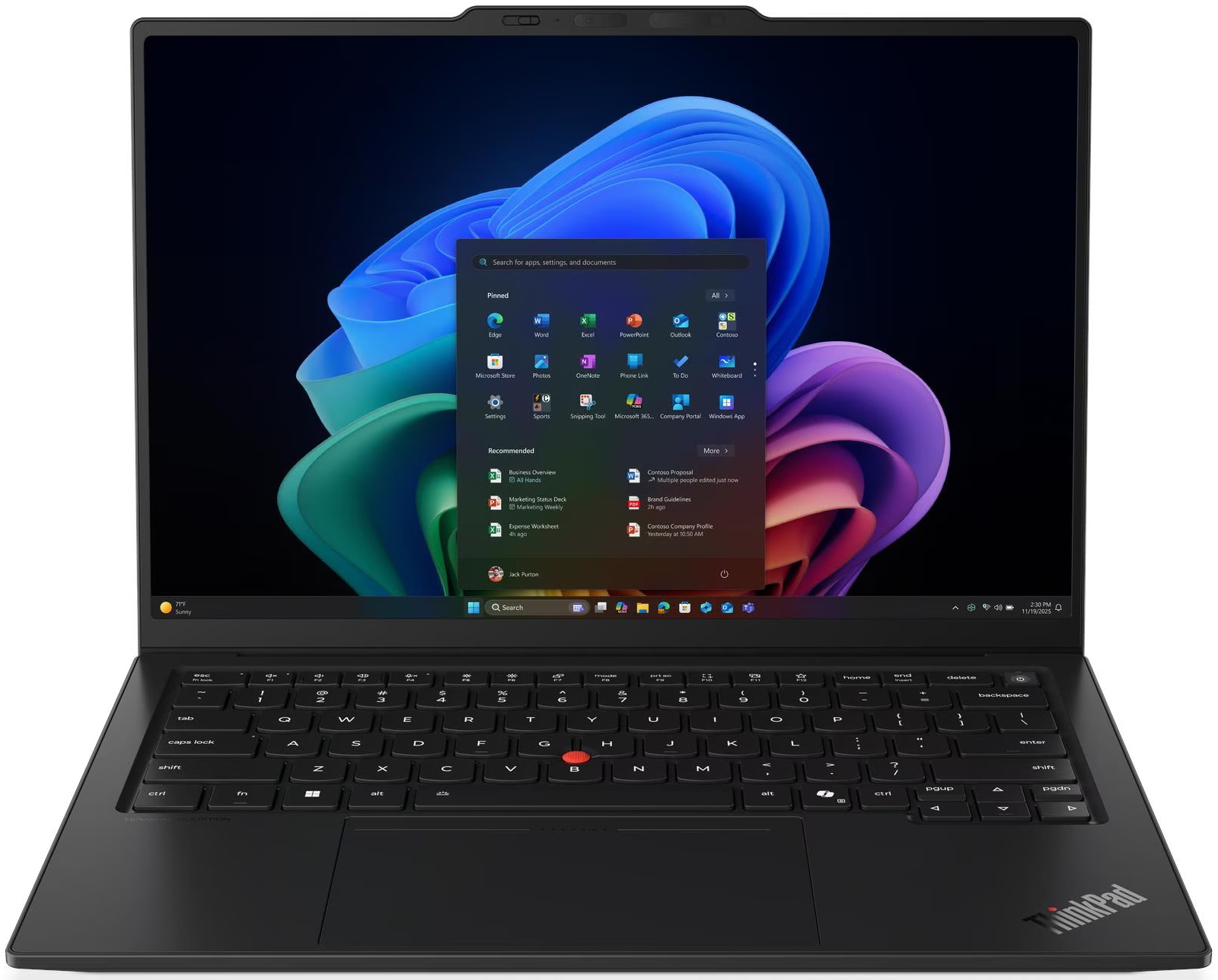
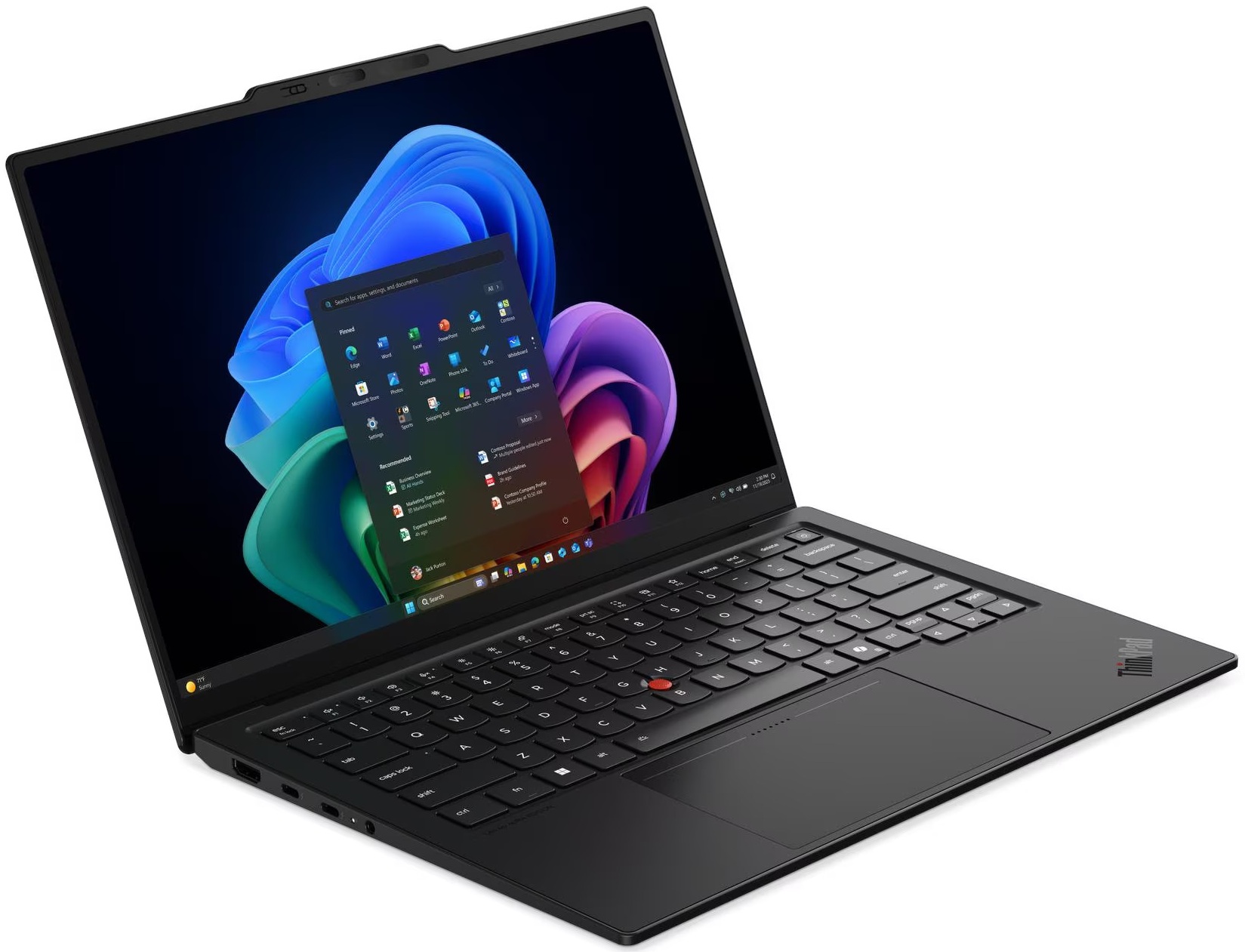
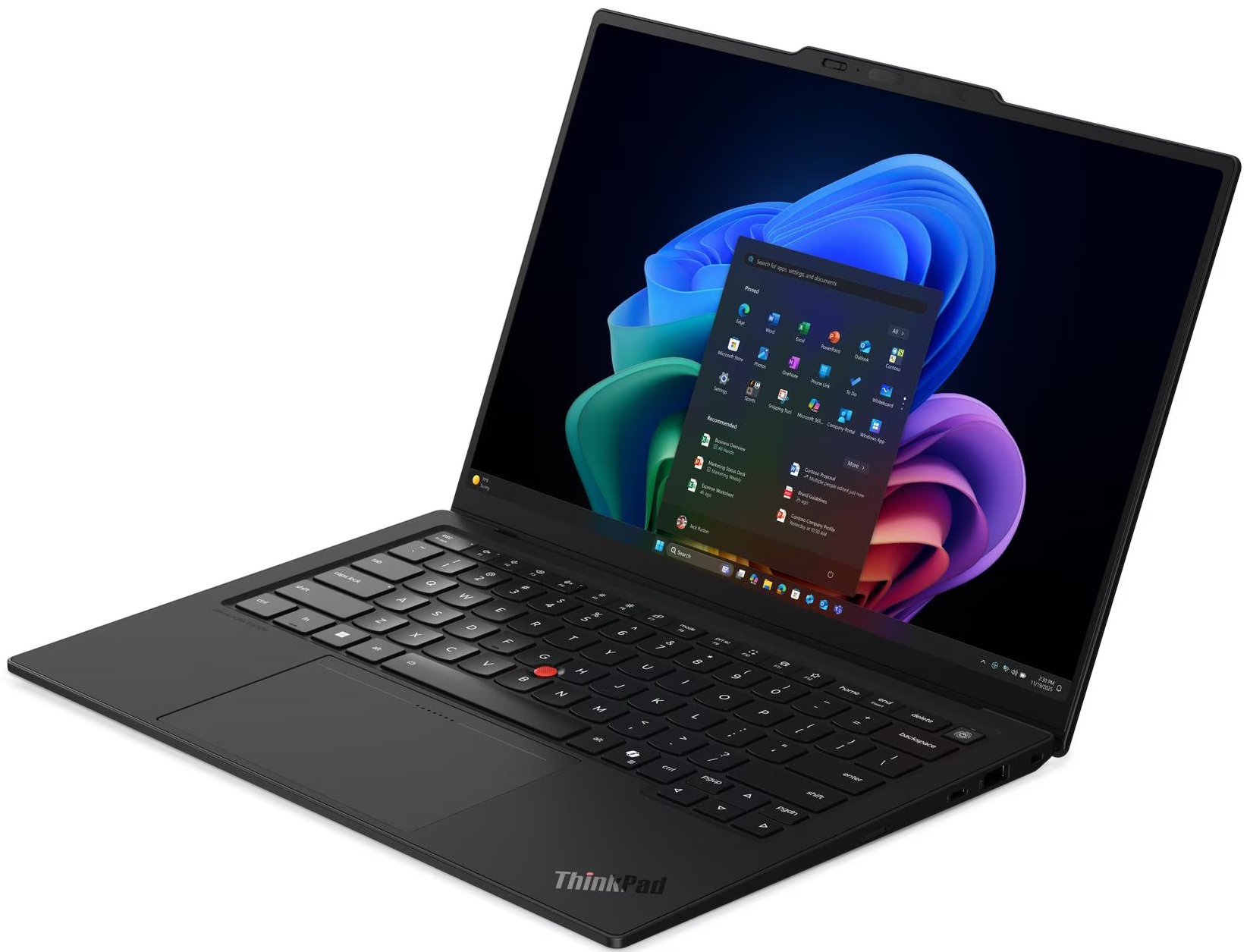
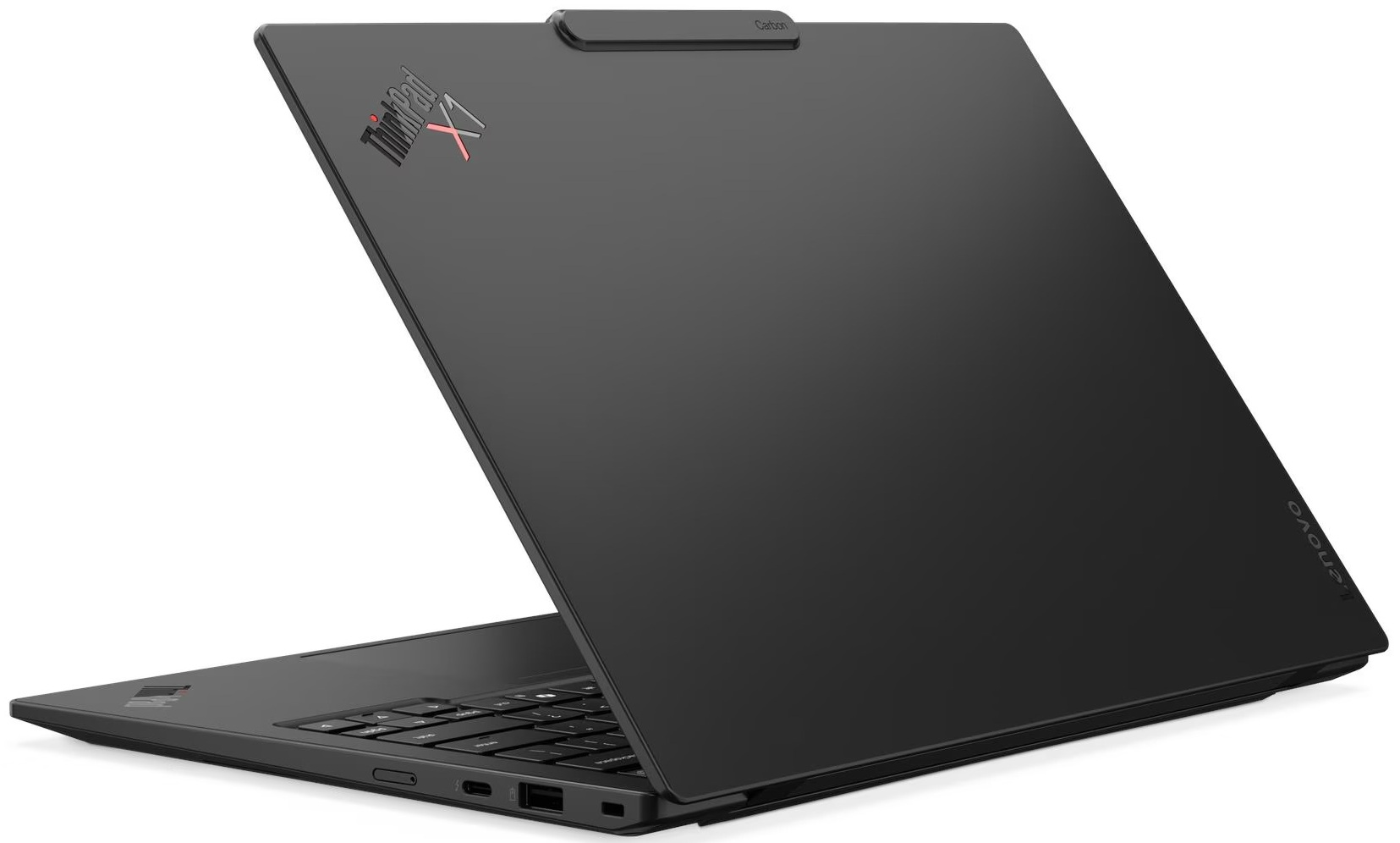
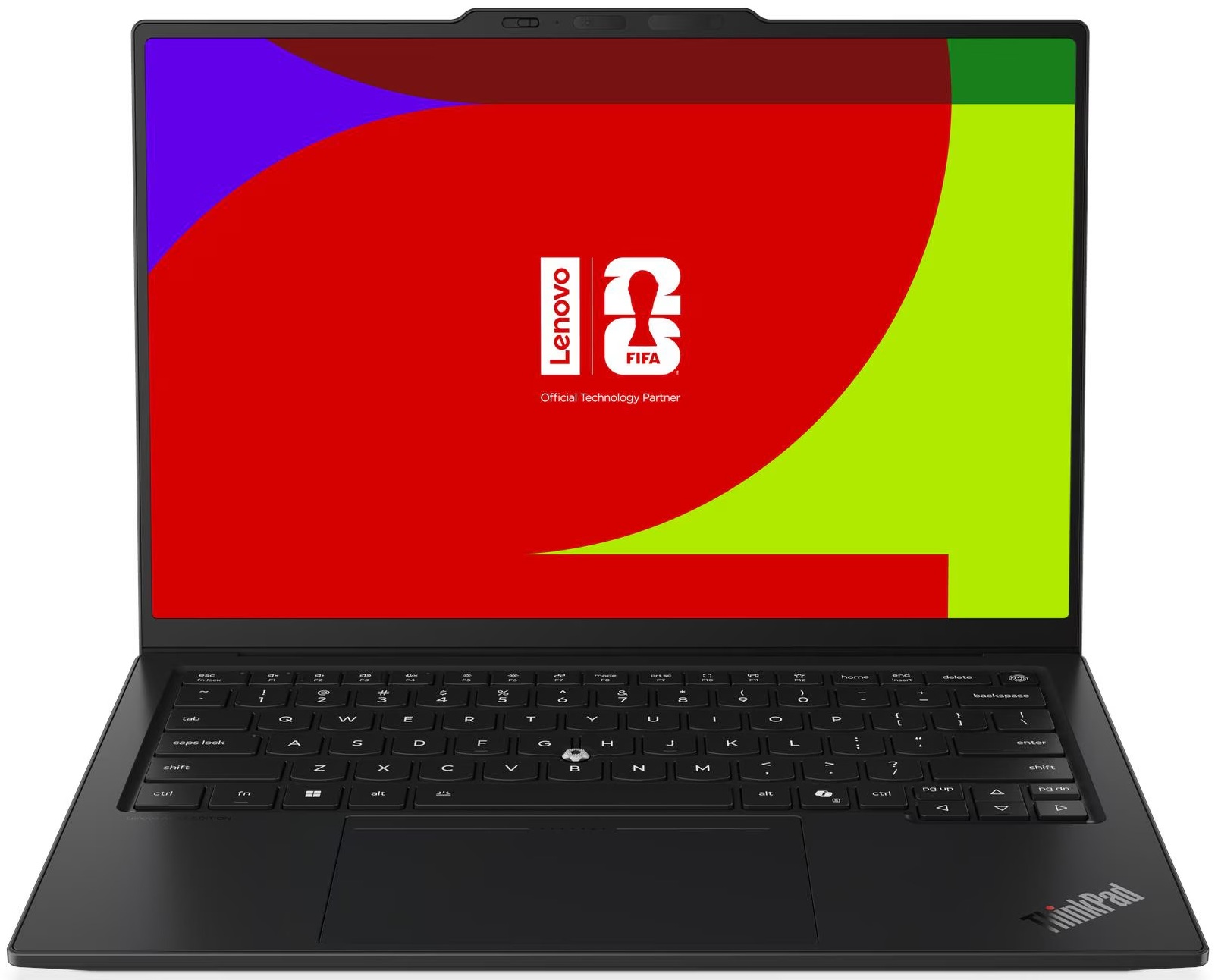
The Lenovo ThinkPad X1 Carbon Gen 14 Aura Edition is a study in professional restraint. It does not rely on aggressive exhaust vents or RGB lighting to attract attention; instead, it follows the familiar ThinkPad formula with a clean black finish, the iconic red TrackPoint, and restrained red accents within the logos. We ordered the standard Black version. Lenovo also offers a Black FIFA Edition, which retains the same overall color scheme but adds FIFA World Cup 2026 branding, including a small tournament logo on the lid.
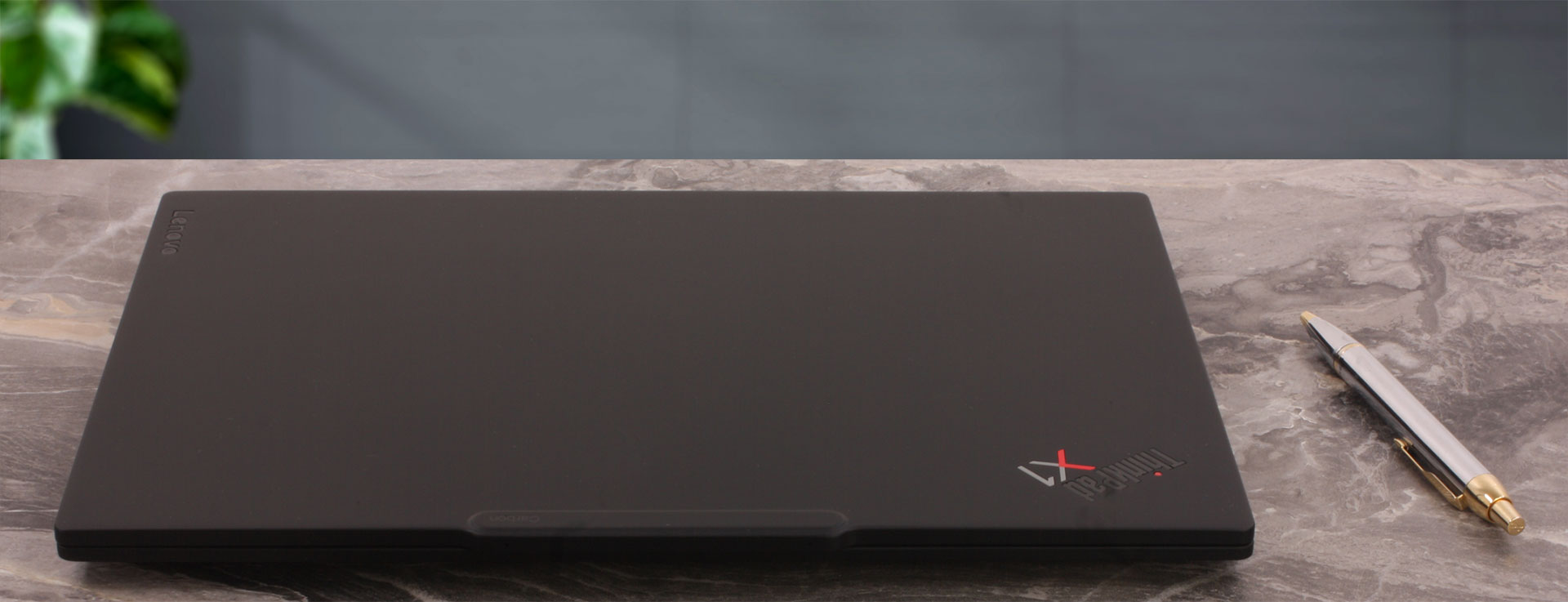
The surface treatment proved particularly impressive. Even after weeks of daily use, the chassis remained remarkably clean, without the visible fingerprints that commonly accumulate on black laptops. On configurations with a WUXGA IPS display, including ours, the lid is made from carbon fiber and the bottom panel from aluminum. OLED configurations instead use a magnesium bottom panel. Build quality is exceptional: we were unable to produce any meaningful flex in the lid, keyboard deck, or base, making this one of the most rigid ultralight laptops we have tested.
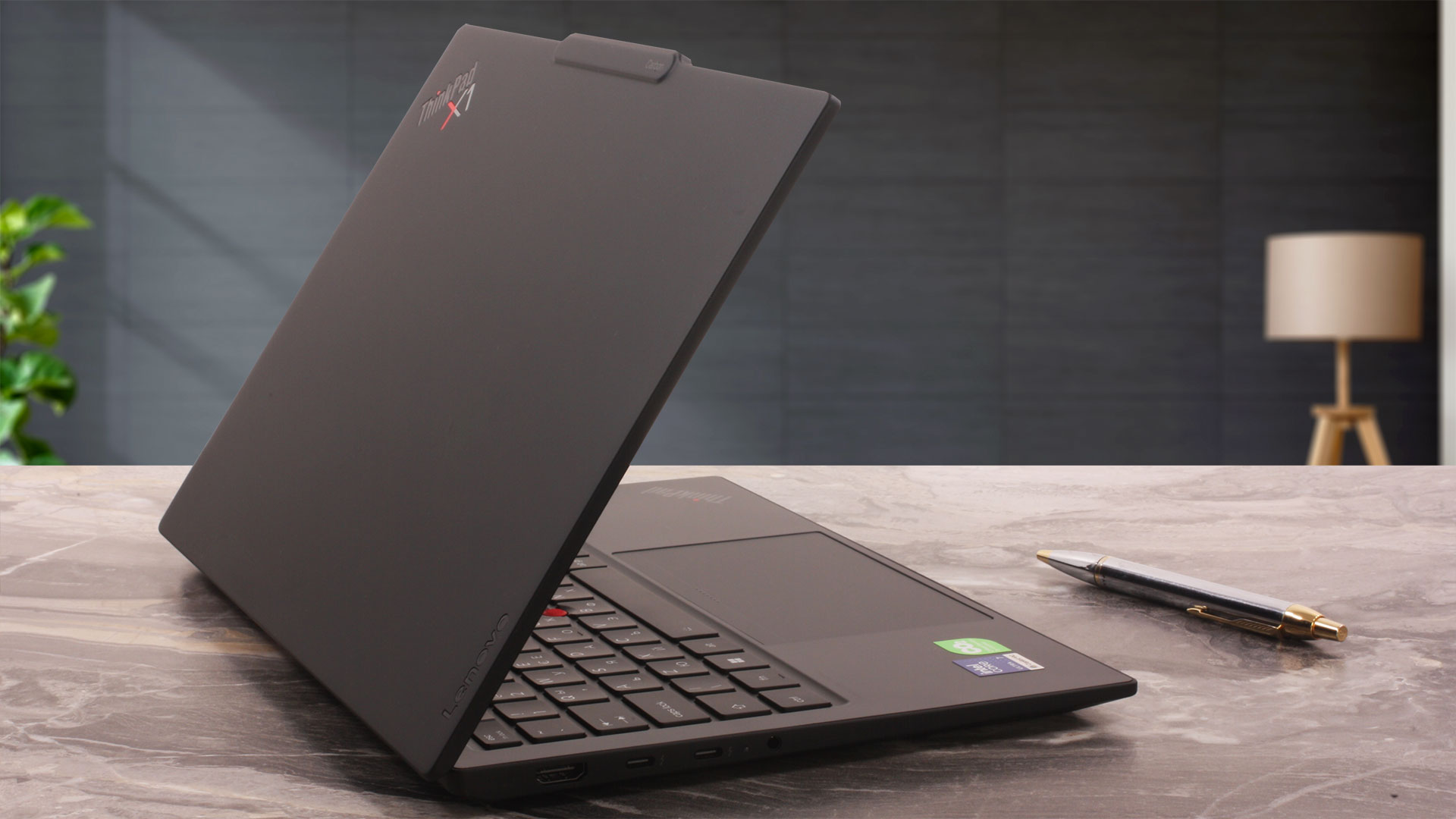
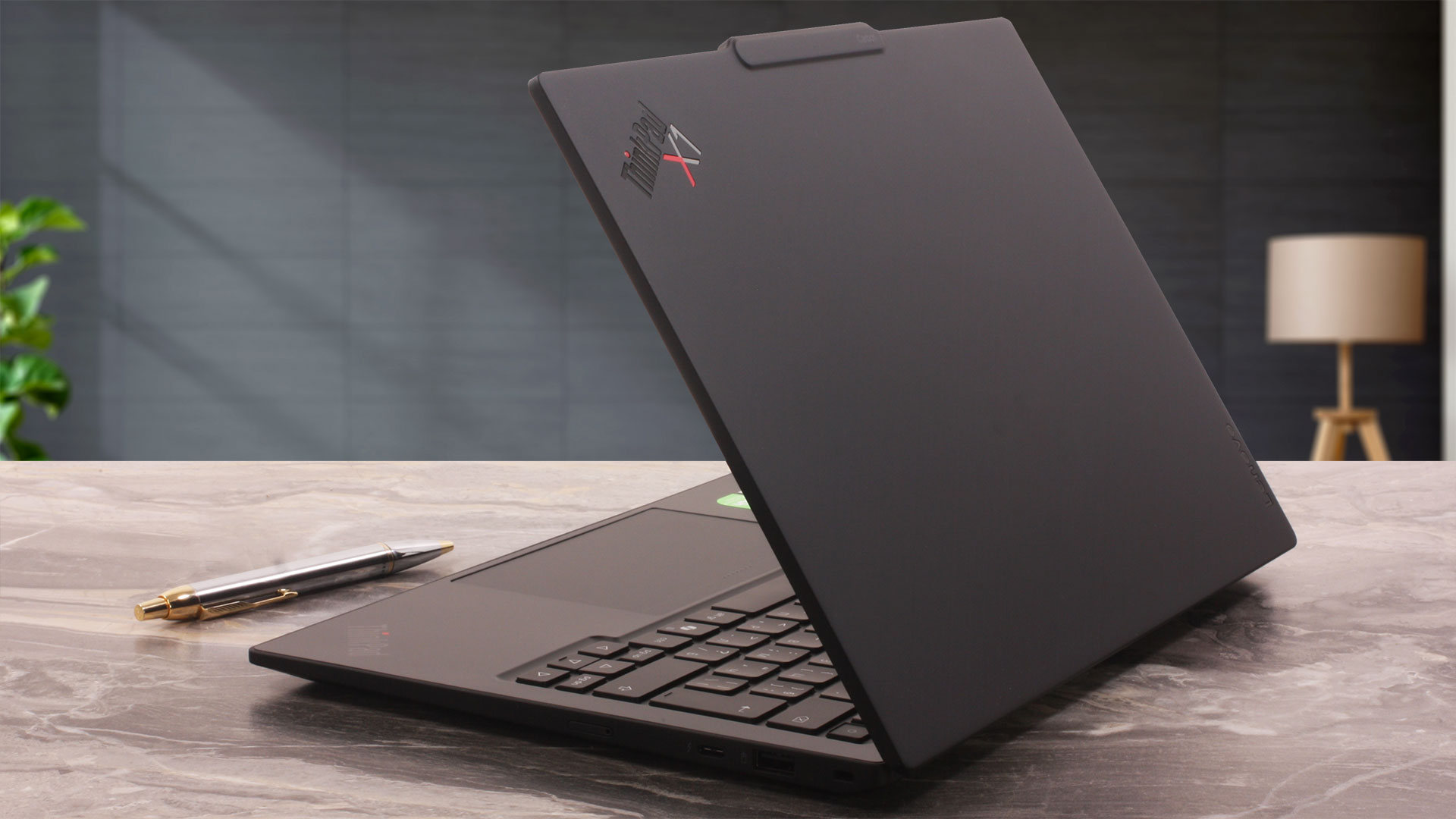
For a 14-inch flagship, the footprint is extremely compact, although the official starting weight does not tell the whole story. Lenovo lists models with the haptic touchpad as starting at 0.998 kg, but our configuration, with a touch display and the larger haptic pad, weighed 1.139 kg on our scales. That is 141 grams above Lenovo’s minimum listed weight, though the machine remains exceptionally light for its size and construction.
| ThinkPad X1 Carbon Gen 14 Aura Edition | Dimensions | Weight |
|---|---|---|
| Metric units | 312.5 x 215.75 x 9.2/15.3 mm (17.6 mm maximum) | 1.139 kg (measured) |
| U.S. customary | 12.30 x 8.49 x 0.36/0.60 in (0.69 in maximum) | 2.51 lbs (measured) |
These dimensions apply to multi-touch configurations such as ours. Non-touch models are slightly thinner, measuring 7.7 mm at the front and 14.3 mm at the rear, with a maximum thickness of 16.85 mm.
Opening the laptop is a smooth, one-handed operation, helped by the prominent communication bar at the top of the lid, which also provides a convenient grip. The hinges allow the display to open completely flat to 180 degrees while keeping the screen stable during normal use. There is no ErgoLift-style mechanism here, so the rear of the base remains planted on its rubber feet. Instead, Lenovo has designed the keyboard itself to form part of the cooling system’s air intake.
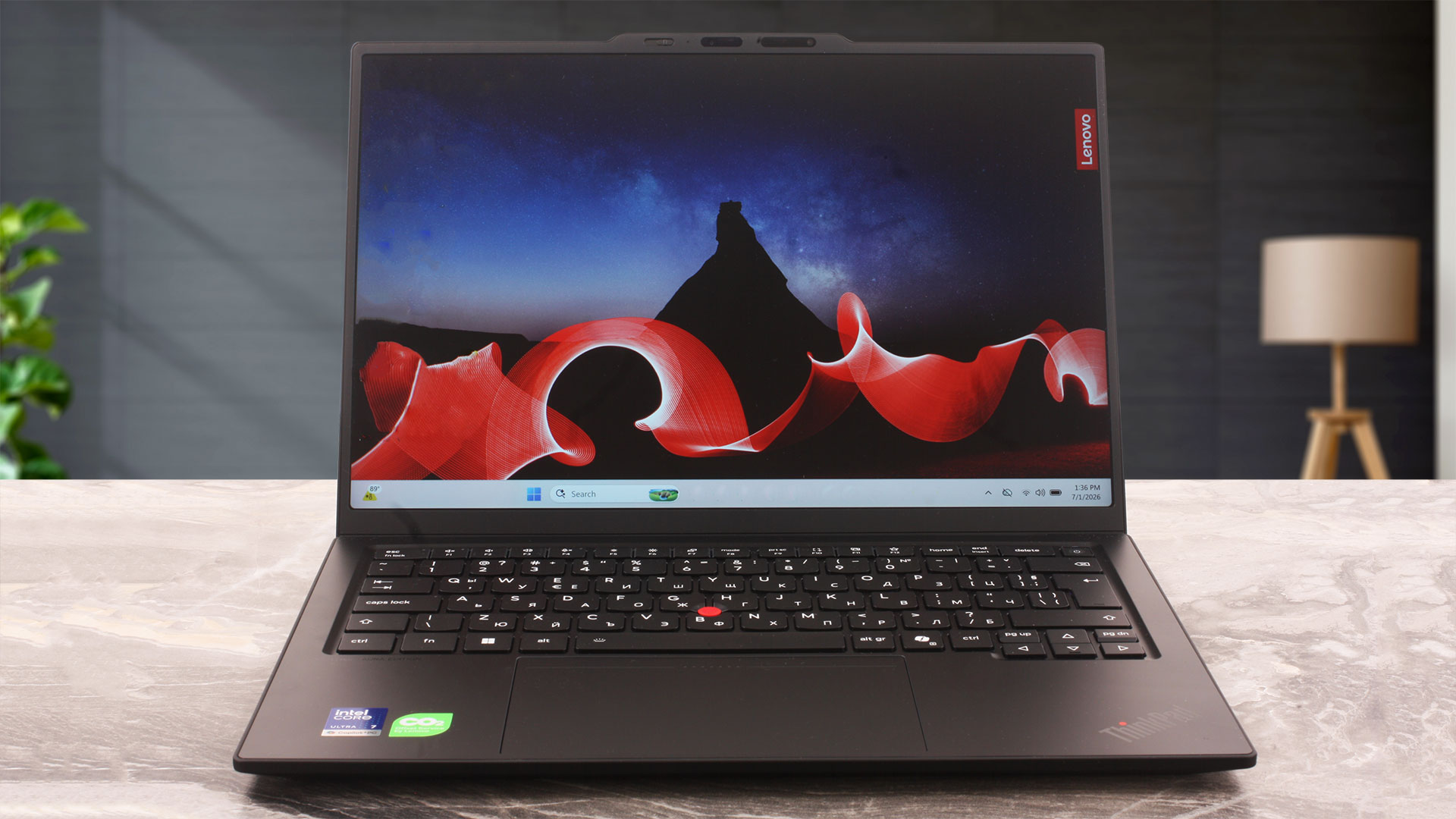
Once open, the laptop presents an 88.8% screen-to-body ratio with thin side bezels. The communication bar houses our configuration’s 10MP MIPI ultrawide camera, an IR sensor for Windows Hello, a ToF sensor, fixed-focus optics, and temporal noise reduction. Other configurations use a 5MP camera with IR, vHDR, temporal noise reduction, and Computer Vision processing on the ISP; the Computer Vision feature is available only on models with a preloaded OS. A physical privacy shutter is positioned directly above the camera.
The interior makes good use of the available 14-inch footprint. There is no NumPad, allowing the spill-resistant, LED-backlit keyboard to remain centered beneath the display. Lenovo specifies 1.5 mm of travel for the main keys and 1.35 mm for the function row and the G, H, and B keys. In practice, we could not perceive a meaningful difference between them, and the keyboard provides a comfortable and consistent typing experience.
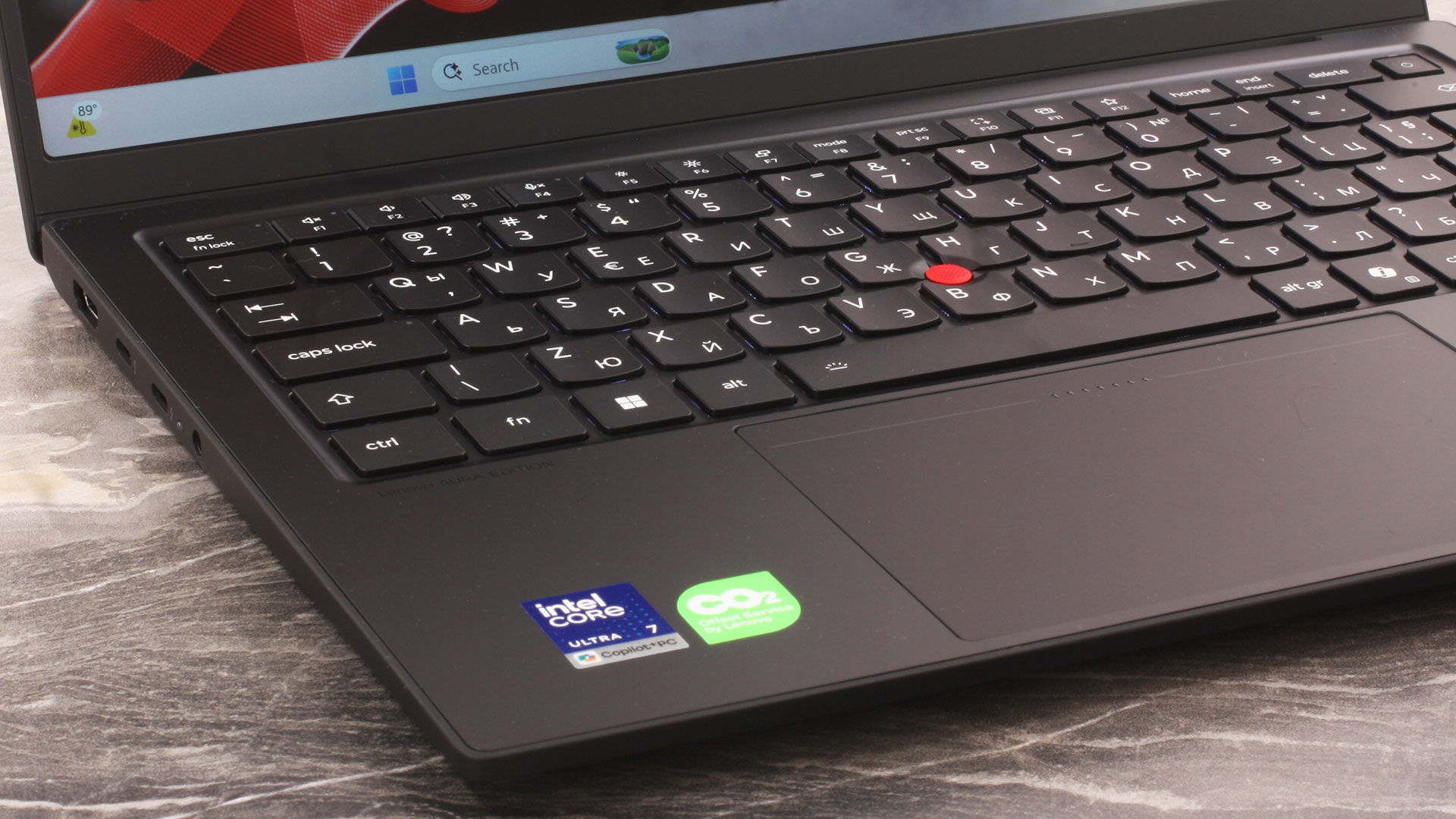
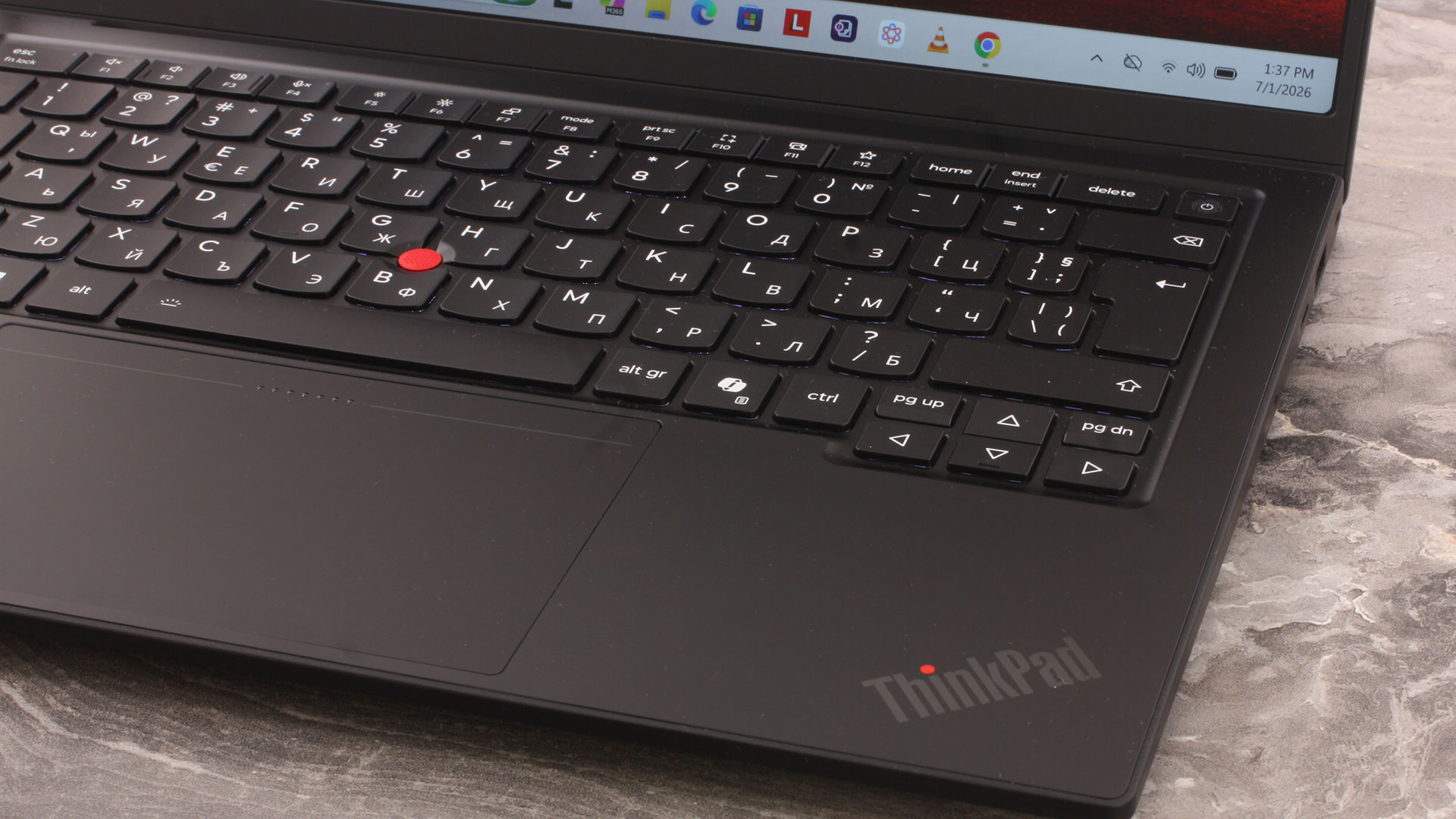
The arrow keys are arranged in a clearly separated inverted-T layout. The left and right keys are generously sized, while the up and down keys are half-height but remain easy to locate by touch. The power button in the upper-right corner incorporates a touch-style, match-on-chip fingerprint reader.
Our configuration uses the larger 130 x 80 mm glass haptic touchpad. To maximize its surface area, Lenovo has removed the dedicated mechanical TrackPoint buttons. Their functions are instead integrated into the upper section of the touchpad, where subtle tactile markings identify the virtual left, middle, and right buttons. The haptic feedback remains consistent across the surface, and the simulated TrackPoint buttons work convincingly once you become accustomed to their position.
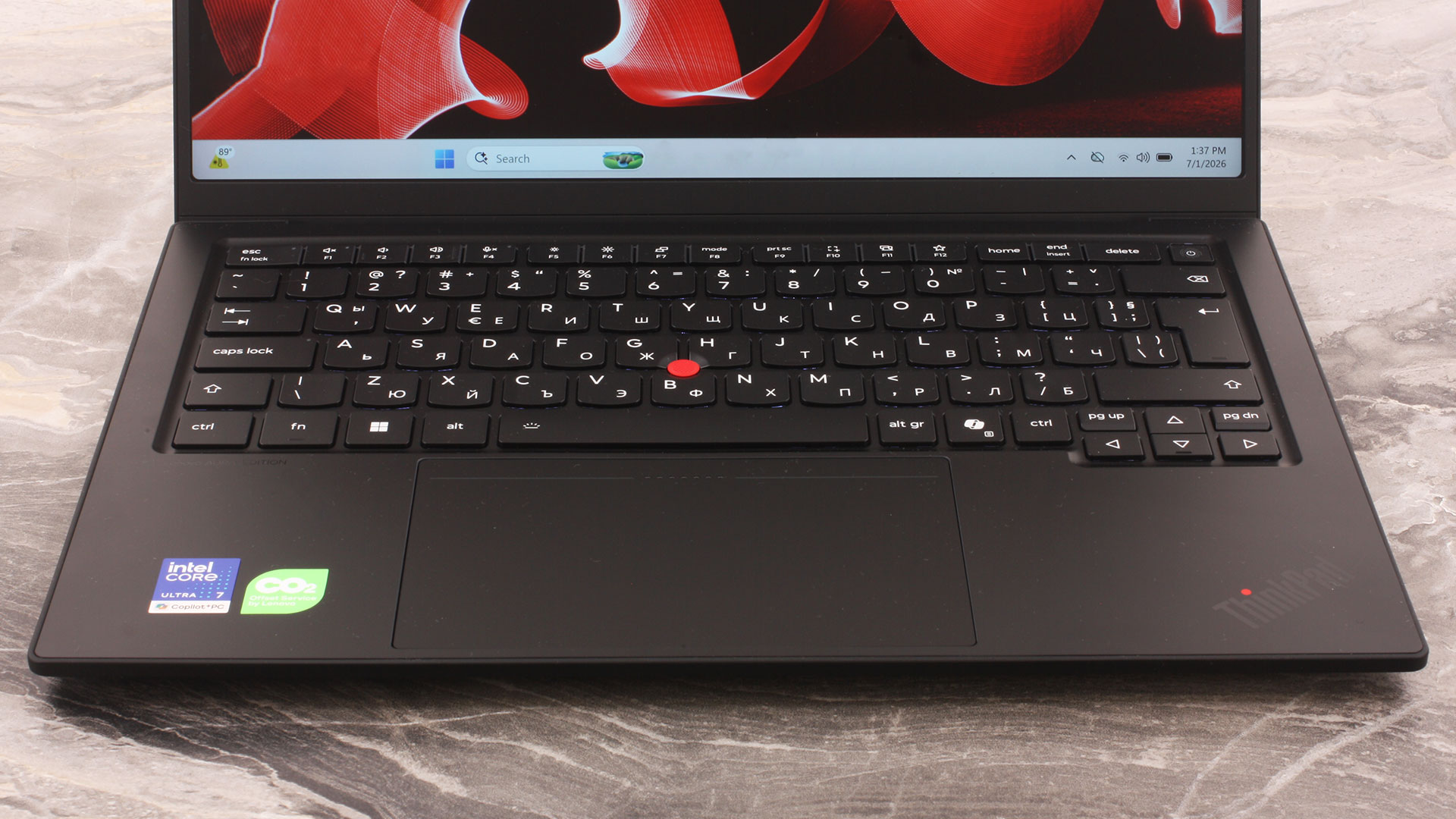
Not every configuration uses this arrangement. Lenovo also offers a smaller 120 x 80 mm glass-like Mylar touchpad with three dedicated physical TrackPoint buttons, which may be the preferable option for long-time ThinkPad users who want the traditional layout.
Ports and Connectivity
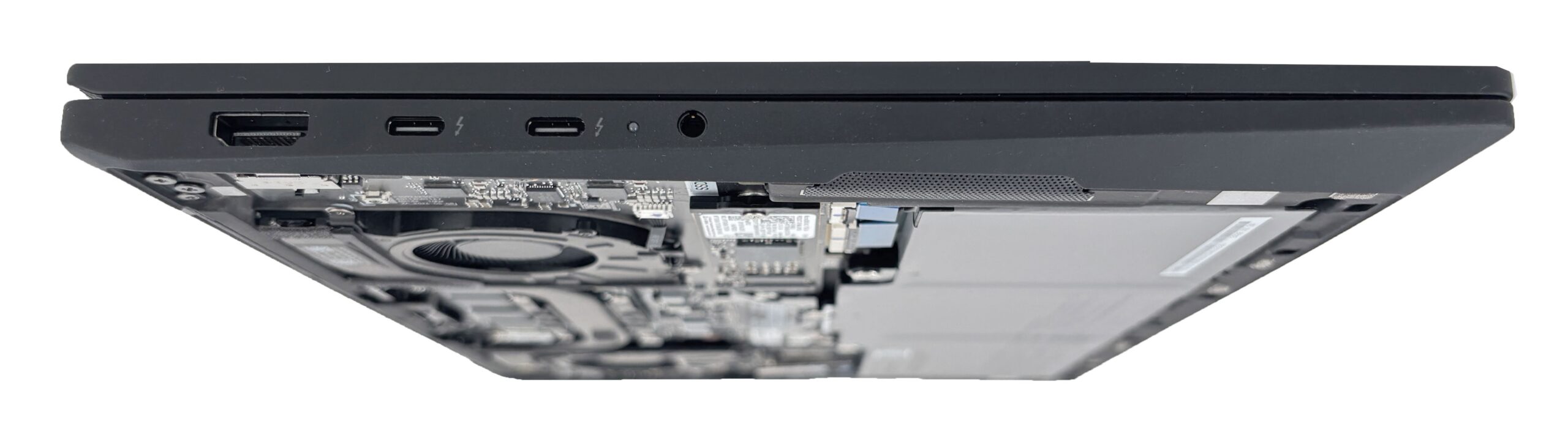
The Lenovo ThinkPad X1 Carbon Gen 14 Aura Edition offers an unusually capable port selection for such a thin and light business laptop, although it is clearly centered around USB-C connectivity. On the left side are two Thunderbolt 4 ports supporting USB4 transfer speeds of up to 40 Gbps, DisplayPort 2.1 video output, and 45–65W USB Power Delivery. They are joined by a full-size HDMI 2.1 connector and a 3.5mm headphone/microphone combo jack. Despite the HDMI 2.1 designation, Lenovo officially rates the HDMI output at up to 4K at 60Hz rather than 4K at 120Hz.
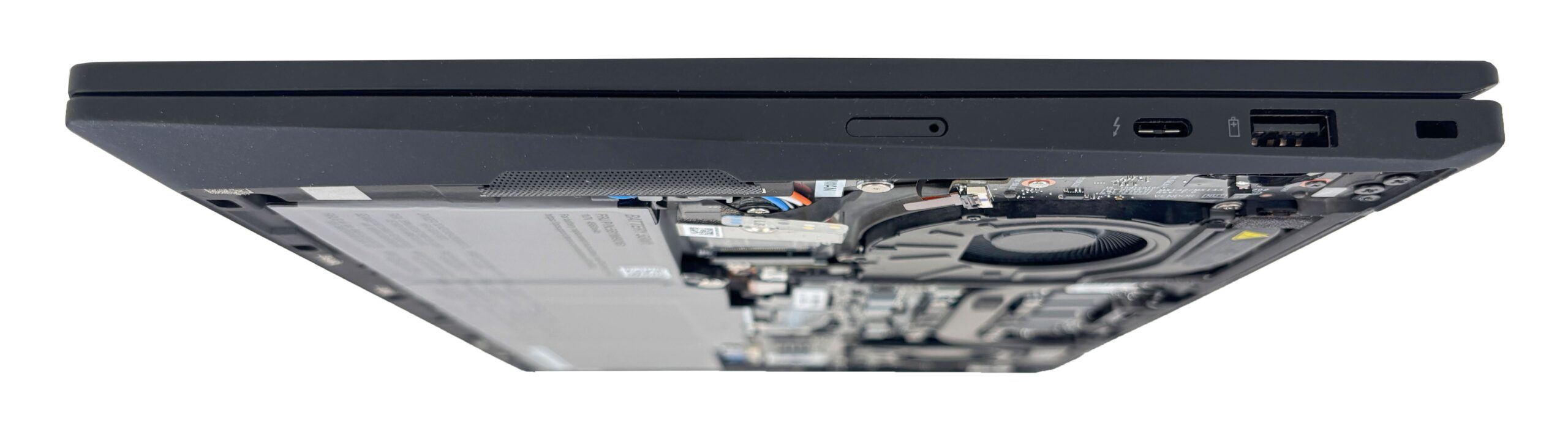
The right side contains a third Thunderbolt 4 port, allowing the laptop to be charged or connected to a dock from either side. Next to it is the machine’s only USB Type-A port, operating at 5 Gbps and supporting Lenovo’s Always On function for charging connected devices while the laptop is sleeping or turned off. A Kensington Nano Security Slot is also present, while WWAN-supporting configurations include a Nano-SIM slot. The rear edge is completely free of connectors.
The system officially supports up to three external monitors in addition to its built-in display. HDMI can drive a display at up to 4K/60Hz, while Thunderbolt supports resolutions of up to 8K/60Hz. There is no integrated Ethernet, SD or microSD card reader, or smart-card reader, so users who require these connections will need a USB-C adapter or docking station.
Wireless connectivity is handled by an Intel Wi-Fi 7 BE211 module with a 2×2 antenna configuration, paired with Bluetooth 5.4. Lenovo describes the hardware as Bluetooth 6.0-ready, although the Bluetooth version available in practice may depend on the operating system and installed drivers.
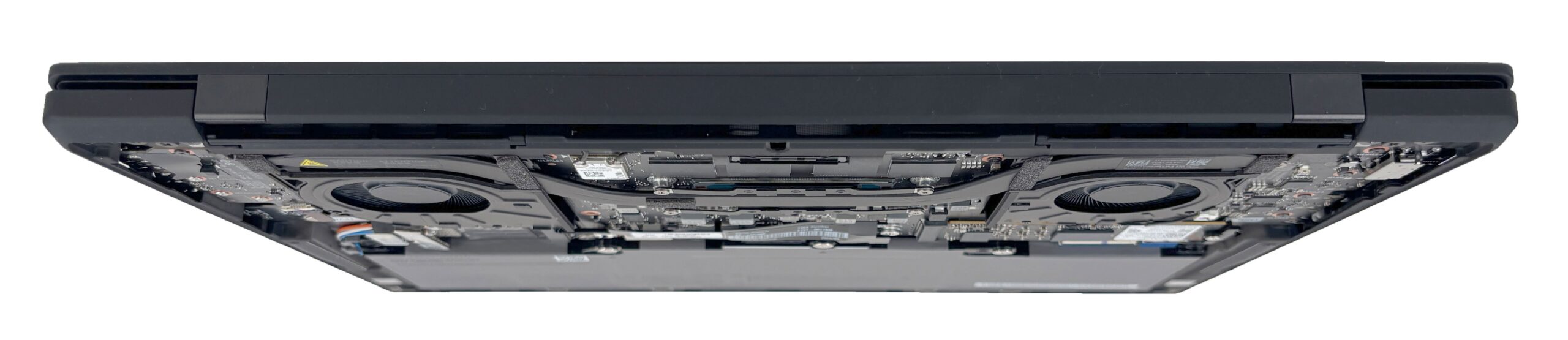
The series can also be configured from the factory with a Snapdragon X12 4G LTE Cat 6 modem or a Snapdragon X61 5G Sub-6 modem, both supporting embedded eSIM functionality. Some configurations are sold with the WWAN slot and antennas already prepared. Lenovo officially lists 4G field upgradeability for EMEA models; compatibility, firmware support, and certification should be confirmed before attempting to install a separately purchased 5G module. NFC is optional but mutually exclusive with the larger haptic touchpad, meaning our configuration does not include it.
Display and Sound Quality, Display Profiles
We ordered the Lenovo ThinkPad X1 Carbon Gen 14 Aura Edition with the 14-inch WUXGA (1920 x 1200) 60 Hz touch IPS display (B140UAX01.1 / LEN403A). It corresponds to the 500-nit Low Power WUXGA option with in-cell touch, 100% sRGB coverage, and a rated contrast ratio of 1500:1. It does not feature ThinkPad Privacy Guard. For users looking for a higher-resolution, wider-gamut, and faster display, Lenovo also offers several 2.8K OLED variants with 120 Hz VRR, DisplayHDR True Black 500 support, and 100% DCI-P3 coverage.
| Lenovo ThinkPad X1 Carbon Gen 14 Aura Edition | 14″, WUXGA (1920 x 1200), 60 Hz, 100% sRGB, Low Power (B140UAX01.1 / LEN403A) | 14″, WUXGA (1920 x 1200), 60 Hz, 100% sRGB, Privacy Guard | 14″, 2.8K (2880 x 1800), 120 Hz VRR, 100% DCI-P3 | 14″, 2.8K (2880 x 1800), 120 Hz VRR, 100% DCI-P3, anti-reflection | 14″, 2.8K (2880 x 1800), 120 Hz VRR, 100% DCI-P3, add-on film |
| Touchscreen | Yes (in-cell) | Yes (on-cell) | No | No | Yes (add-on film) |
| Brightness | 500 nits | 500 nits | 500 nits | 500 nits | 500 nits |
| Diagonal | 14.0 inches (35.6 cm) | 14.0 inches (35.6 cm) | 14.0 inches (35.6 cm) | 14.0 inches (35.6 cm) | 14.0 inches (35.6 cm) |
| Panel Type | IPS | IPS | OLED | OLED | OLED |
| Resolution | 1920 x 1200 pixels | 1920 x 1200 pixels | 2880 x 1800 pixels | 2880 x 1800 pixels | 2880 x 1800 pixels |
| Max Refresh Rate | 60 Hz | 60 Hz | 120 Hz | 120 Hz | 120 Hz |
| Aspect Ratio | 16:10 | 16:10 | 16:10 | 16:10 | 16:10 |
| Pixel Density | 162 PPI | 162 PPI | 243 PPI | 243 PPI | 243 PPI |
| ‘Retina’ Distance | 54 cm or greater | 54 cm or greater | 36 cm or greater | 36 cm or greater | 36 cm or greater |
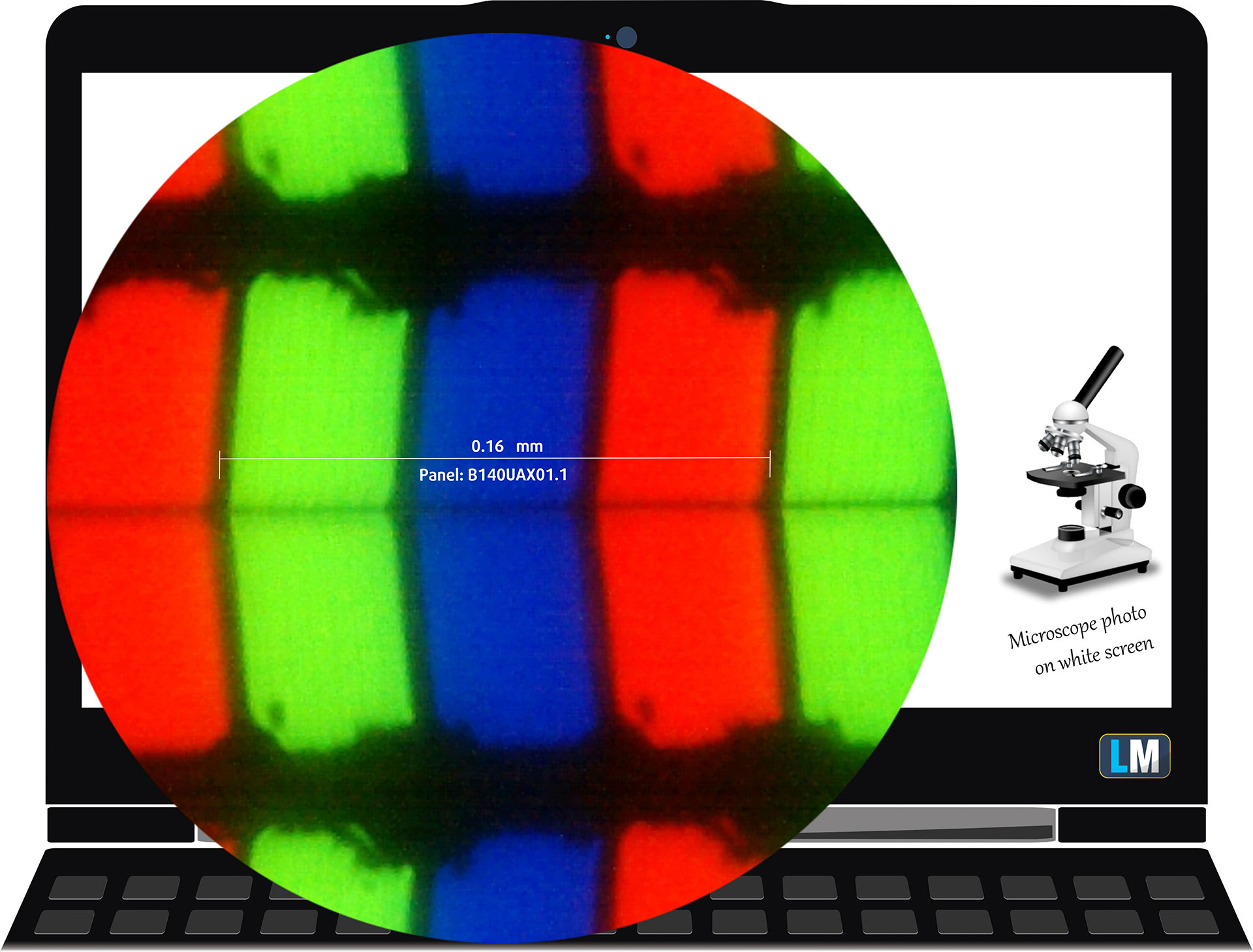
The WUXGA (1920 x 1200), 60 Hz, IPS display variant under our microscope
Viewing Angles
Viewing angles are good. We take photos from different angles to evaluate the quality.

Below is a video recorded with locked focus and exposure.
Color Coverage
The sail-shaped diagram represents the visible color space, while the black curved line represents Pointer’s gamut, which approximates the colors commonly found in nature.
Then, we’ve drawn some of the most important and interesting color spaces, compared to the colors the panel of Lenovo ThinkPad X1 Carbon Gen 14 Aura Edition can show:
Standard/For Web: sRGB – widely used color space for most consumer devices, ideal for web design and development.
For Print: AdobeRGB – used in professional photo editing, graphic design, and print.
For Photographers/Video Editors: DCI-P3 – used in high-end film production, post-production, and digital cinema.
Premium HDR: Rec.2020 is a very wide color space used as a reference for UHD and HDR content.
Lenovo ThinkPad X1 Carbon Gen 14 Aura Edition: the yellow dashed triangle (– – – – – –) represents the range of colors this display can show.
In our tests, we calculated the total color coverage of the display at 97% of the sRGB color gamut and 77% of the DCI-P3 color gamut.
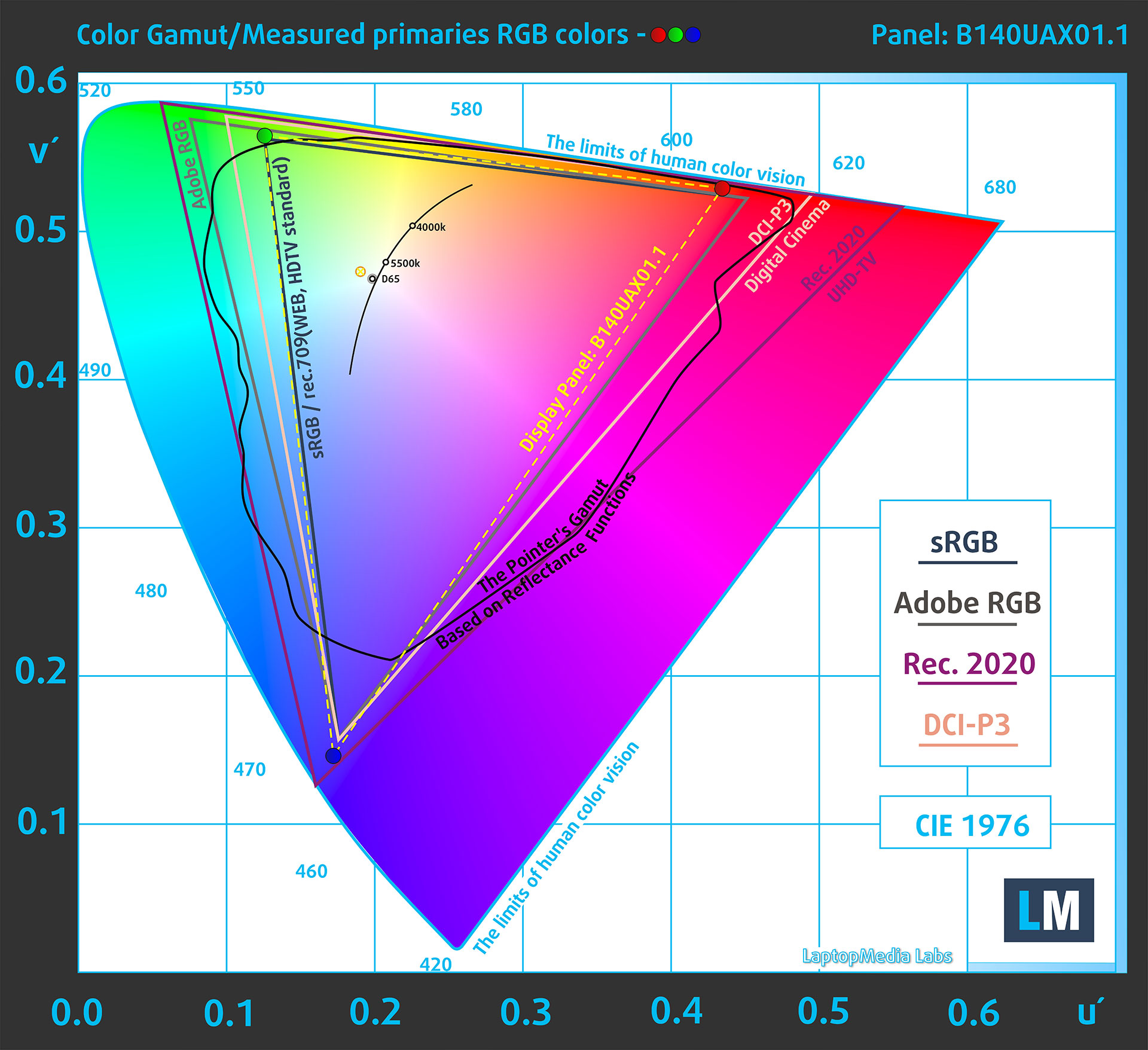
(Fig. 1) Lenovo ThinkPad X1 Carbon Gen 14 Aura Edition covers 97% of the sRGB gamut
Brightness and Contrast
The maximum brightness in SDR mode is 507 cd/m² in the center of the screen and 486 cd/m² averaged across the surface, with a maximum deviation of 10%.
The Correlated Color Temperature (CCT) on a white screen at maximum brightness is 6850 K.
We measured a contrast ratio of 1700:1.
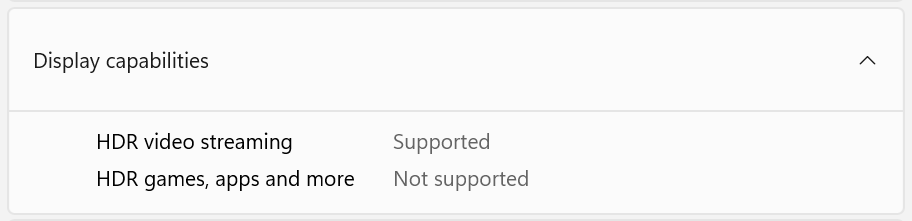
Windows reports support for HDR video streaming, but not for HDR games and apps. In practice, this should be treated as an SDR display.
Uniformity: Luminance, Contrast, and Color Deviation
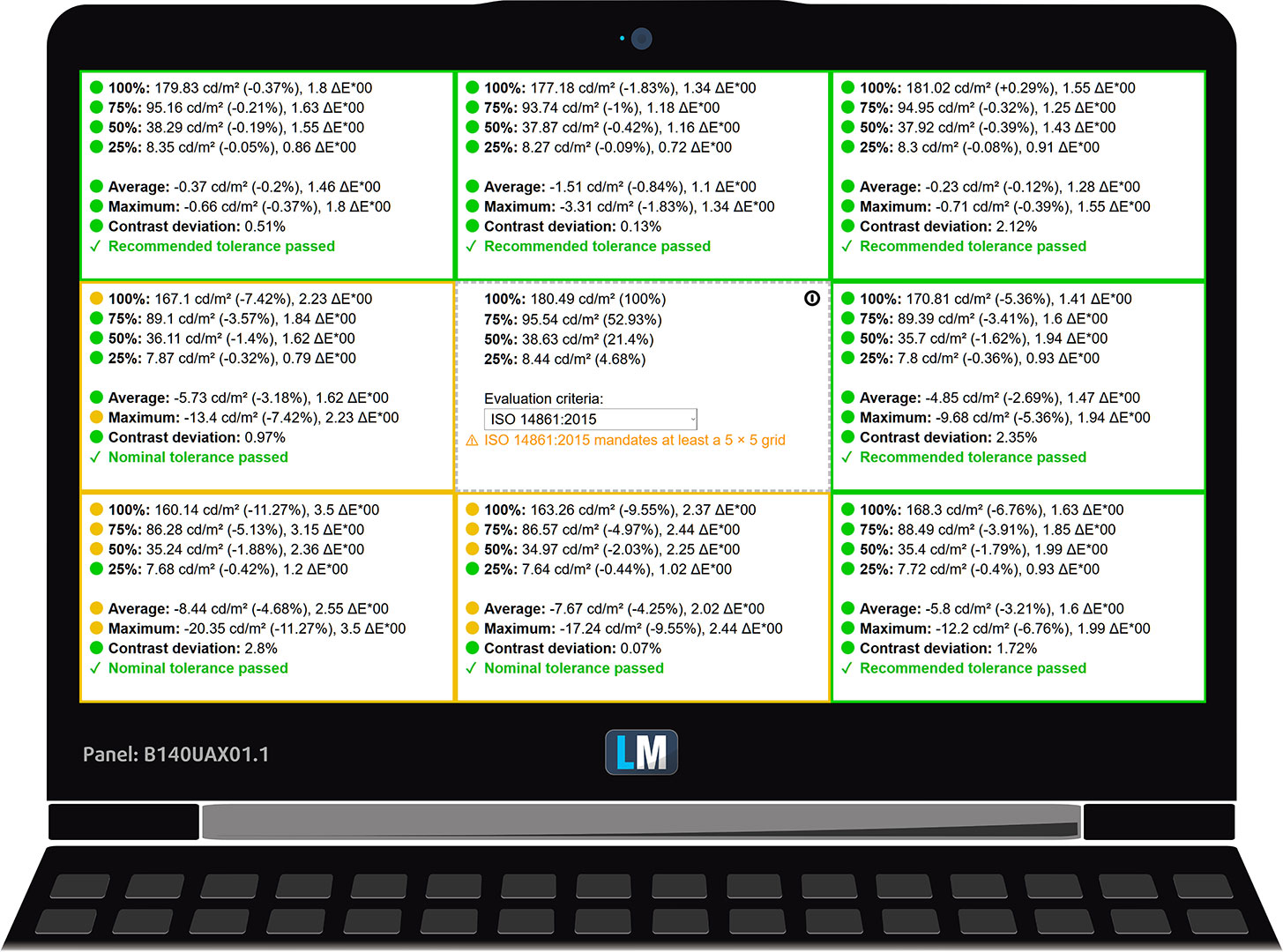
The figure below shows the results from our uniformity test across different sections of the screen. It’s measured at 180 nits (Windows slider = 39%) – a brightness level we consider typical for standard working conditions.
DeltaE values below 4.0 are acceptable for regular users. For those working with colors, screens with DeltaE values no higher than 2.0 are recommended.
Color Accuracy
Let’s check the difference between real colors and those you’ll see on the Lenovo ThinkPad X1 Carbon Gen 14 Aura Edition. We measure that distance in DeltaE – the higher the value, the greater the visible difference.
Values below 4.0 are acceptable for regular users, while values below 2.0 are suitable for color-sensitive work. Differences below 1.0 are generally difficult to perceive under normal viewing conditions.
For the next graph, we’ve selected 24 common colors, including dark and light skin tones, blue sky, green grass, etc.
At factory settings, the Lenovo ThinkPad X1 Carbon Gen 14 Aura Edition’s average color error was 5.8 dE 2000 (Fig. 2). After applying our Design and Office Work profile, it decreased to 1.1 dE 2000 (Fig. 3), making the panel much more suitable for color-sensitive work.
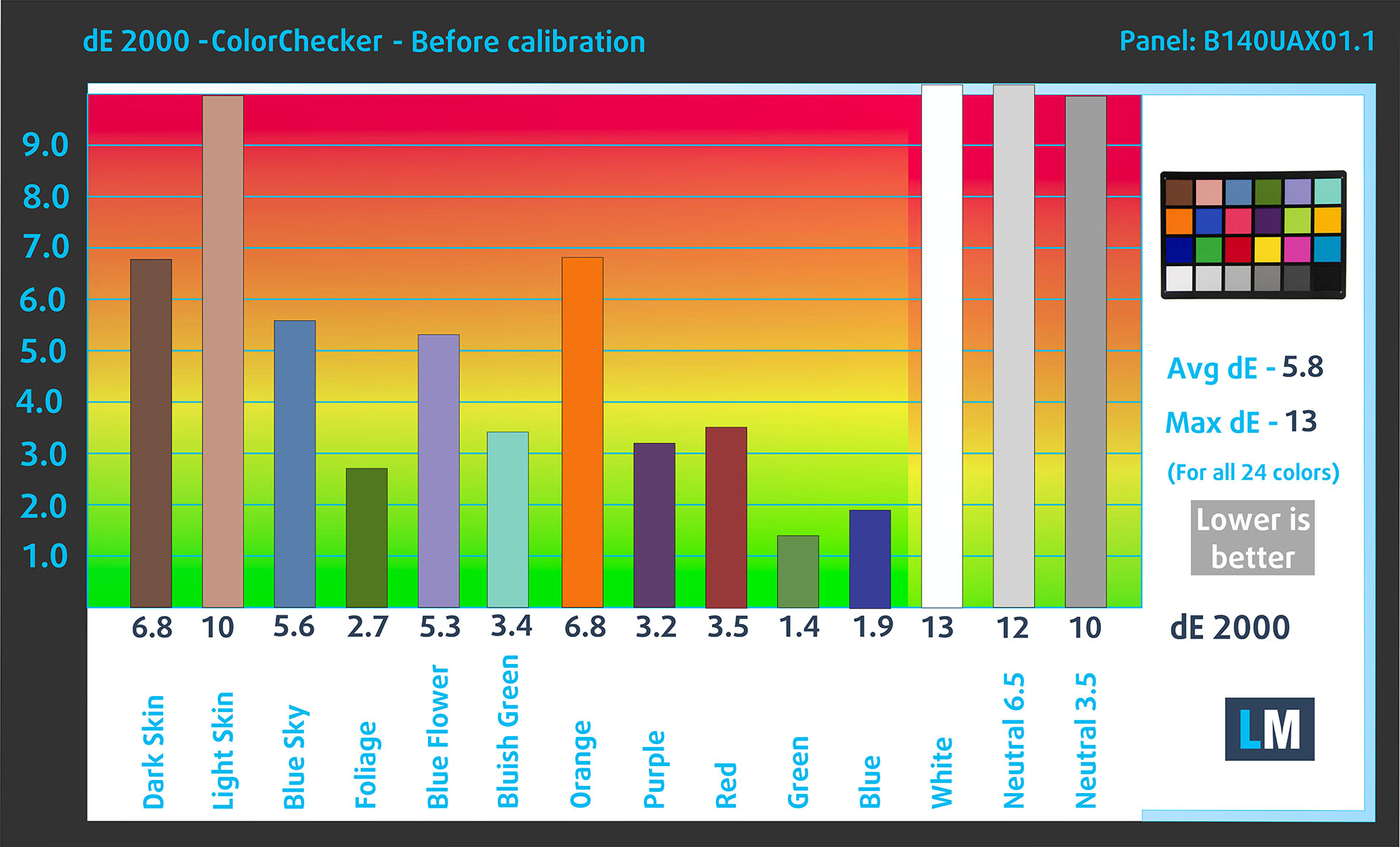
(Fig. 2) Lenovo ThinkPad X1 Carbon Gen 14 Aura Edition in its factory condition
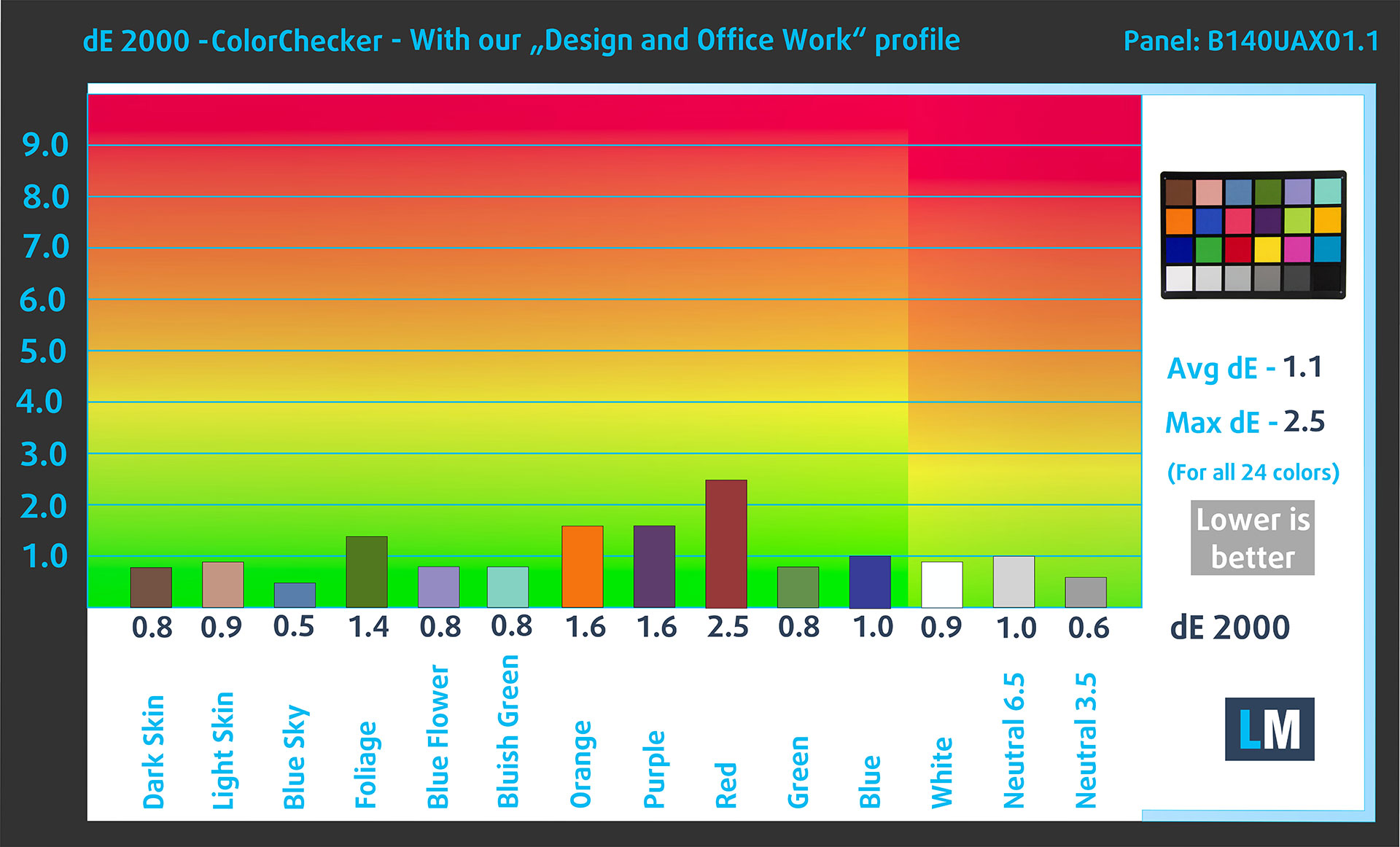
(Fig. 3) Lenovo ThinkPad X1 Carbon Gen 14 Aura Edition with our display profile
Comparison in the sRGB color space.
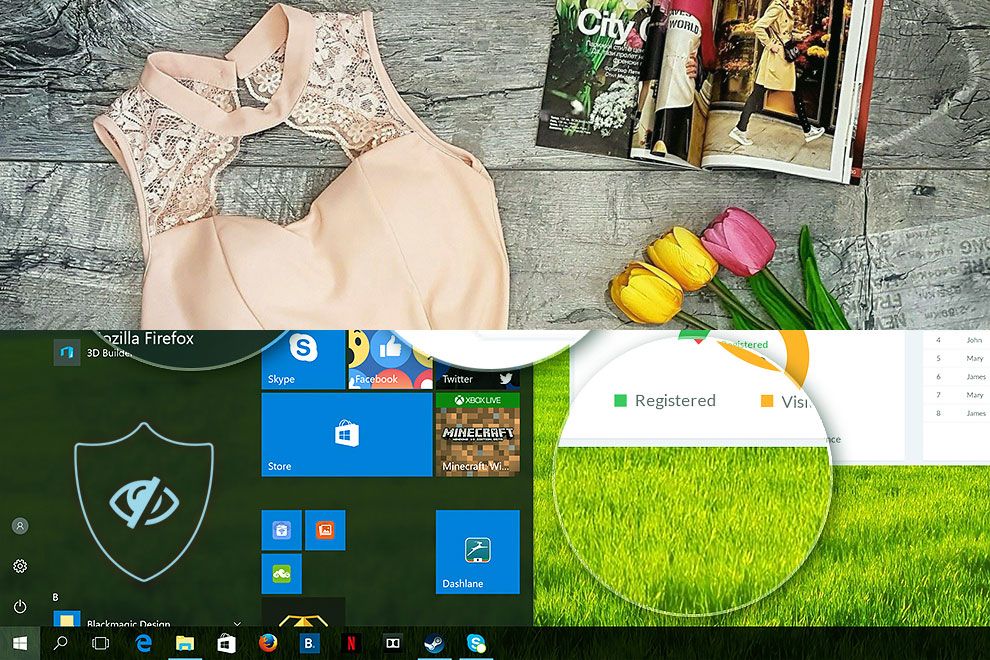
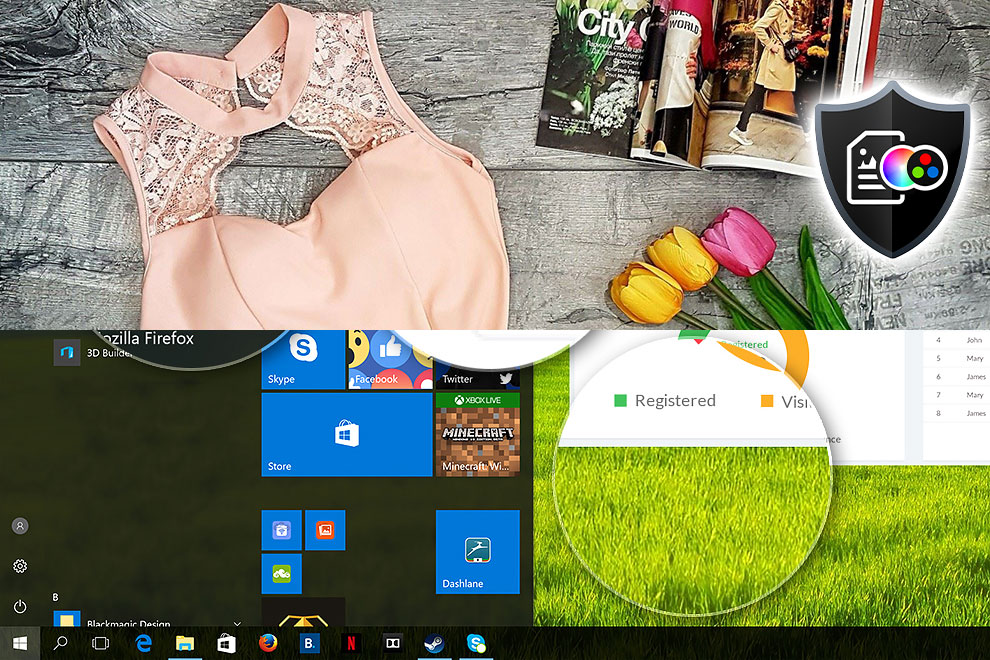
Here’s an illustration of what the Design and Office Work profile aims to deliver:
Left: No Profile | Drag the slider to see the difference | Right: Design & Office Profile
Visibility in dark scenes
Have you ever watched a movie with dark scenes where you could barely see anything? This often happens because many display panels struggle to differentiate the darkest nuances, making them appear the same.
The next figure illustrates how well the display reproduces these dark nuances. The left side of the image shows the display with stock settings, and the right side shows it with our Gaming and Movies profile activated.
The horizontal axis shows the grayscale levels, while the vertical axis shows the corresponding display brightness.
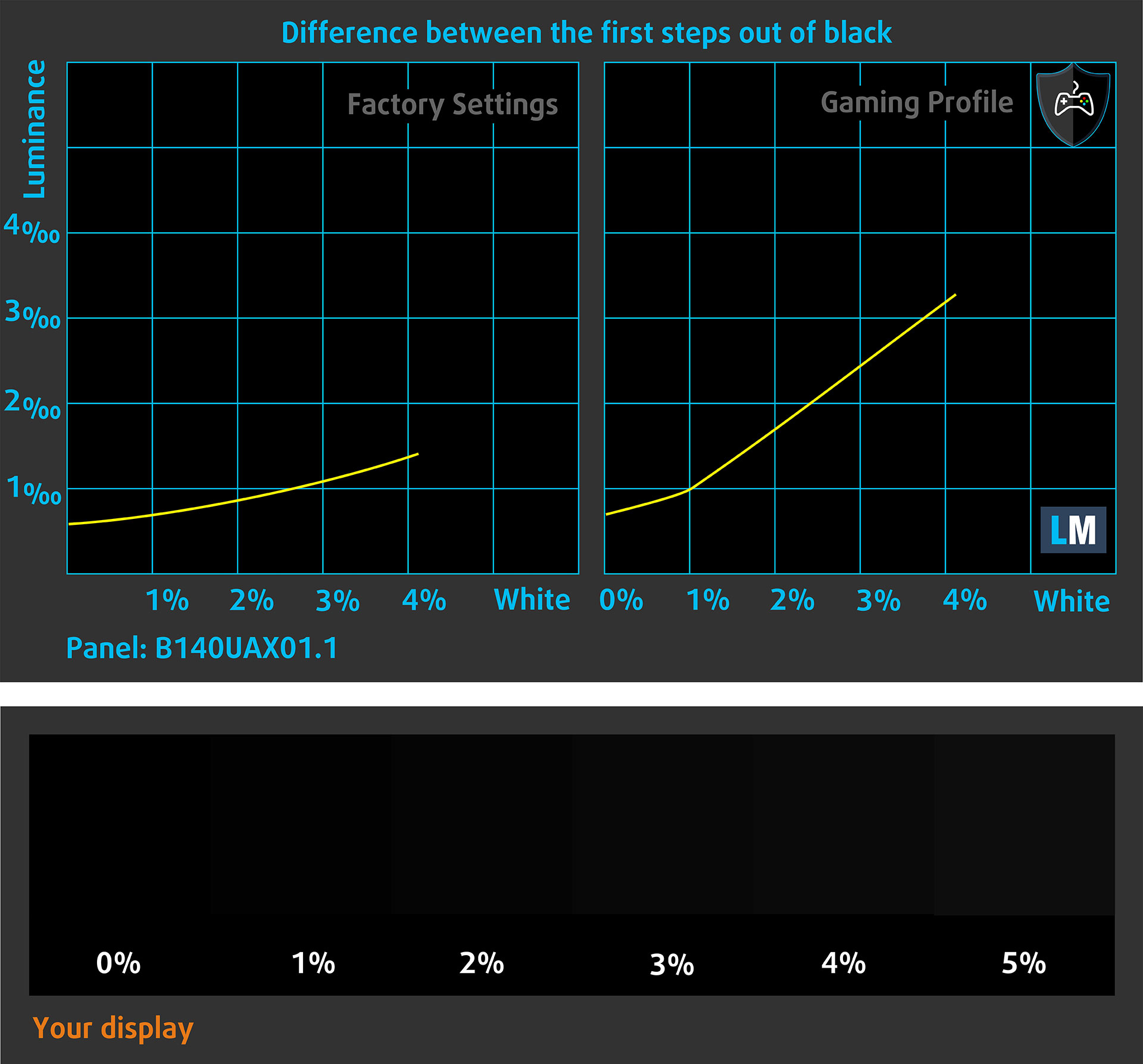
You can also check how your display handles the darkest nuances, but keep in mind that this also depends on the settings of your current display and the surrounding light conditions.
Response time (Gaming capabilities)
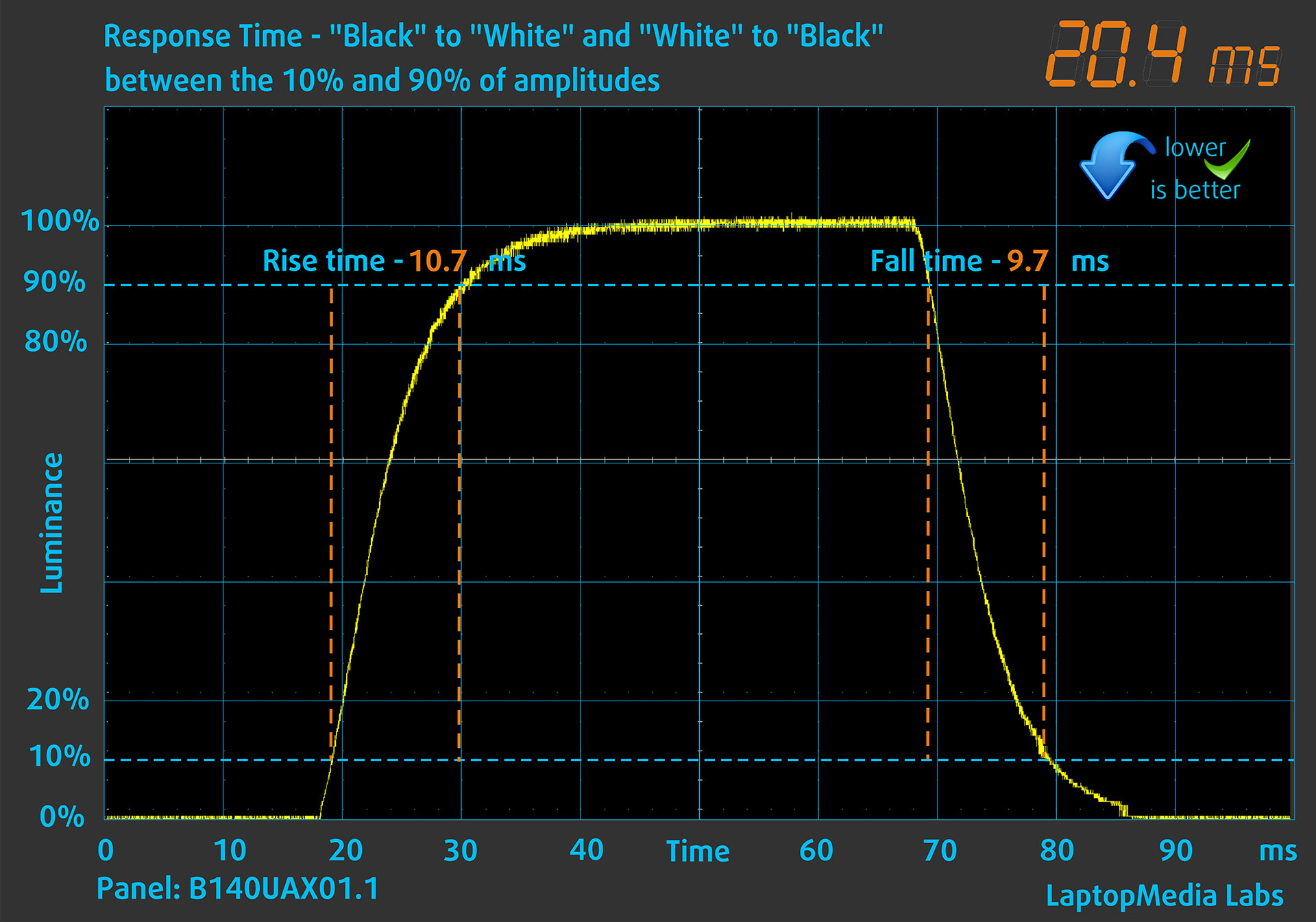
We test the reaction time of the pixels with the usual “black-to-white” and “white-to-black” method from 10% to 90% and vice versa.
We recorded a Rise Time + Fall Time of 20.4 ms. This is adequate for office work and video playback, but the panel is too slow for fast-paced gaming, where a short pixel response time is required for a clear image in dynamic scenes.
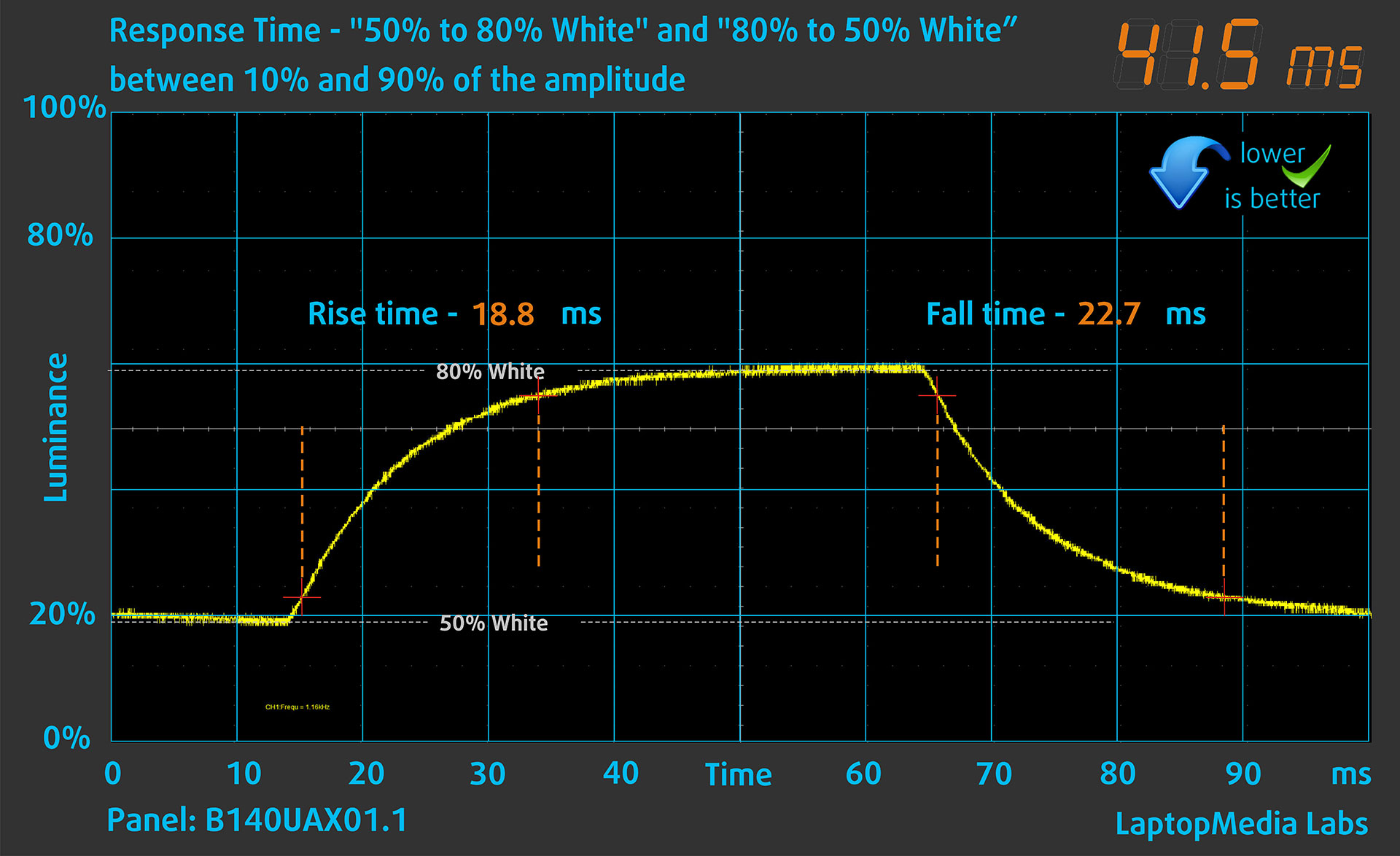
After that, we test the reaction time of the pixels with the usual Gray-to-Gray method from 50% White to 80% White and vice versa between 10% and 90% of the amplitude.
In this test, we measured a combined rise-and-fall time of 41.5 ms, consisting of an 18.8 ms rise time and a 22.7 ms fall time.
Health Impact: PWM (Screen flickering)
Some displays use PWM to regulate brightness, which means that instead of reducing the light intensity, they pulse or flicker. Our brain merges the image, so it appears darker, but this can increase eye strain, especially when the pulse frequency is low. You can read more about that in our dedicated article on PWM.
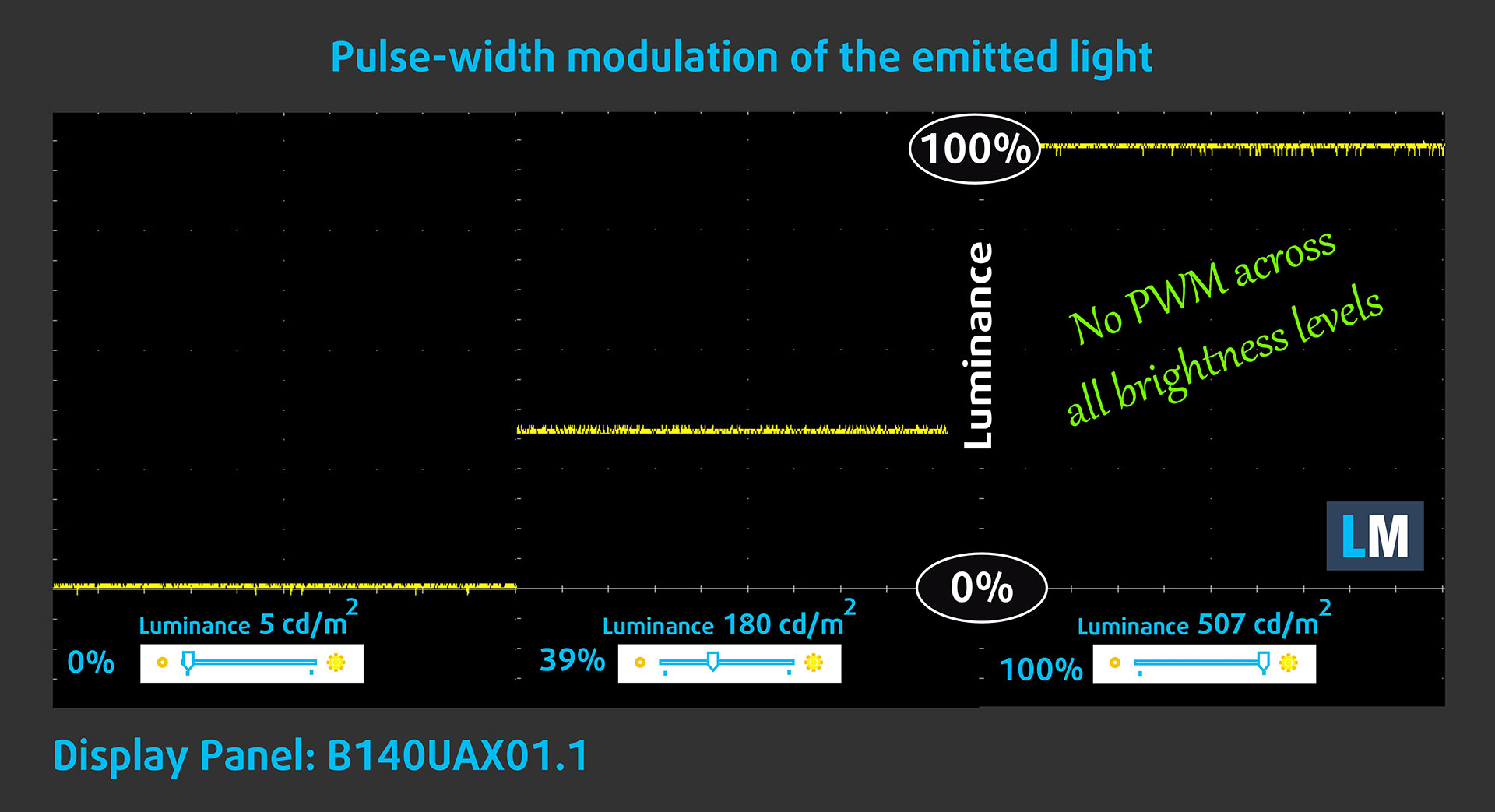
In the graph below, you can see the intensity of light at different brightness levels. The vertical axis shows the brightness of the emitted light, while the horizontal axis shows time.
The Lenovo ThinkPad X1 Carbon Gen 14 Aura Edition‘s display does not use PWM to regulate brightness at any tested level, making it comfortable for prolonged work in this respect. Our Health-Guard profile can additionally reduce blue-light exposure, particularly during evening use.
Health Impact: Blue Light Emissions
Our Health-Guard profile reduces blue light emissions and may improve viewing comfort, especially in the evening, while keeping colors perceptually accurate. On PWM-controlled displays, it can also reduce flicker by keeping the backlight at a PWM-free level and adjusting perceived brightness through the profile; for maximum color accuracy, use the Design and Office profile.
You can find more information in our dedicated article on Blue Light.
Health Impact: Screen Reflectance
Displays with higher surface reflectance can cause eye fatigue in bright ambient conditions due to reflections. We measure the level of screen reflection with the display turned off, at a 60° angle.
The screen reflectance is 55.6 GU, placing it in our medium-reflectance category, although it is relatively close to the low-reflectance threshold.
Low Reflectance: < 45 GU
Medium Reflectance: 45 – 80 GU
High Reflectance: > 80 GU
Get our profiles
Since our profiles are tailored for each individual display model, this article and its respective profile package are meant for Lenovo ThinkPad X1 Carbon Gen 14 Aura Edition configurations with the B140UAX01.1 (LEN403A), 1920 x 1200, IPS panel.
Should you have problems with downloading the purchased file, try using a different browser to open the link you’ll receive via e-mail. If the download target is a .php file instead of an archive, change the file extension to .zip or contact us at [email protected].
Read more about the profiles HERE.
In addition to receiving efficient and health-friendly profiles, by buying LaptopMedia's products you also support the development of our labs, where we test devices in order to produce the most objective reviews possible.

Design and Office
The Design and Office profile makes display colors as close to real as possible.Ideal not only for professionals but also for everyday users, it meets sRGB standards (D65 white point, sRGB gamma) with minimal DeltaE for precise color reproduction on your panel.

Gaming and Movies
Have you ever watched a movie where, during dark scenes, you can barely see anything? Many displays fail to distinguish dark tones properly. Our Gaming and Movies profile enhances low-light performance, like HDR tech, using a gamma curve tailored to human perception — ideal for gamers seeking faster reactions and clearer visuals.

Health-Guard
Our Health-Guard profile protects your eyes by eliminating PWM flickering, reducing strain and fatigue, and minimizing harmful Blue light exposure that can disrupt sleep and health. It uses software dimming and a gamma curve tailored to human perception for comfort and safety during screen use.
Get All The Profiles With 33% Discount!

Sound Quality
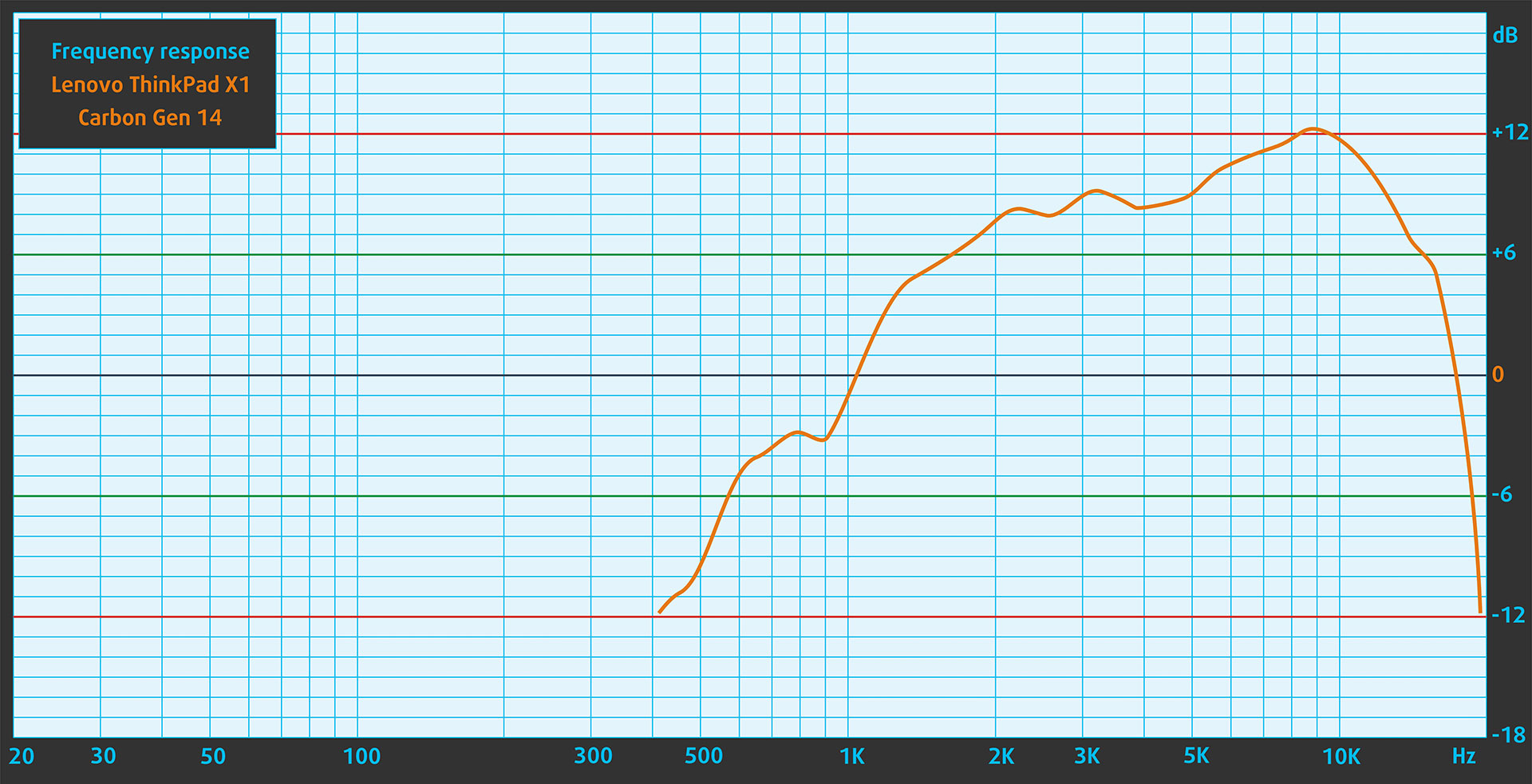
The two 2W Dolby Atmos speakers produce clear voices and generally good sound for such a thin business laptop. Their frequency response emphasizes the midrange and higher frequencies, while deep bass is largely absent.
Work Performance: CPU, Storage, AI
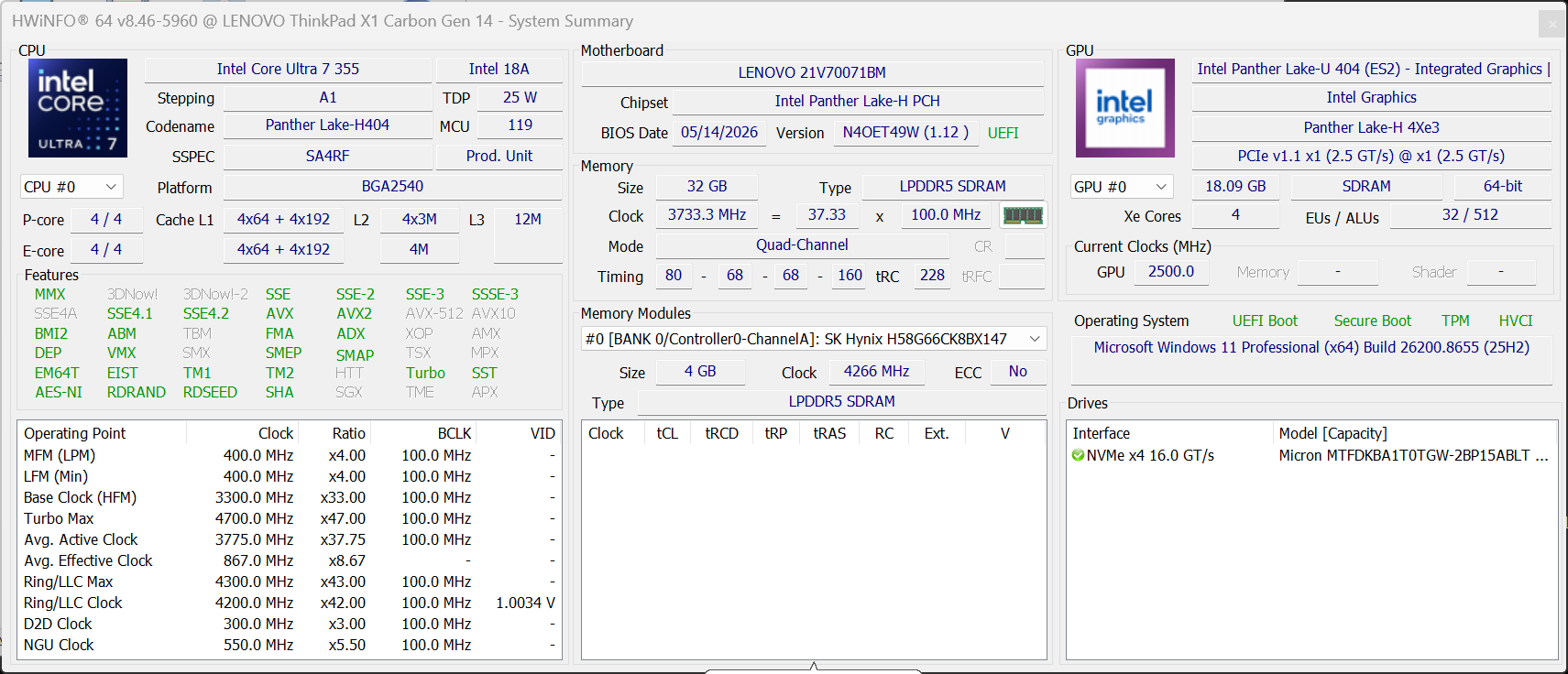
All performance and temperature tests were conducted with Best Performance mode activated in Windows Settings and Lenovo Vantage.
CPU and Work Performance
The Lenovo ThinkPad X1 Carbon Gen 14 Aura Edition is available with a broad Intel Core Ultra 300-series lineup, ranging from 8-core options such as the Core Ultra 5 325 and 335, and the Core Ultra 7 355 and 365, to 16-core processors including the Core Ultra 7 356H and 366H, and the Core Ultra X7 358H and 368H. NPU performance also varies slightly between configurations, from up to 47 TOPS on some Core Ultra 5 models to up to 50 TOPS on the higher-tier chips. Our configuration uses the 8-core Intel Core Ultra 7 355. For a broader comparison, check our Top Laptop CPU Ranking.
The Core Ultra 7 355 delivers strong performance for an ultralight business laptop rather than trying to compete with thicker, higher-powered machines. It performs almost identically to the Lenovo Yoga 9i 2-in-1 Aura Edition (detailed review) with the same processor, while offering slightly better sustained 3D rendering performance. Compared with the Dell Pro 14 Premium (detailed review), the X1 Carbon provides similar single-core responsiveness but is around 15% faster in Geekbench 6 Multi-Core and 14% faster in Cinebench 2024. More performance-oriented laptops such as the Lenovo IdeaPad Pro 5 (detailed review) can still complete sustained rendering workloads faster, but the X1 Carbon delivers an excellent balance of sustained performance and portability in a chassis weighing just 1.139 kg.
Single-core performance ensures smooth operation and responsiveness in operating systems, providing a better user experience.
Results are from the Geekbench 6 Single-Core test (higher is better)

Multi-core performance is essential for handling complex and demanding tasks, such as Video editing, CAD, and Scientific simulations.
Results are from the Geekbench 6 Multi-Core test (higher is better)
Here, we evaluate the CPU's performance using a real-world 3D rendering task, assessing its ability to handle complex computations and rendering workloads efficiently.
Results are from the Cinebench 2024 Multi-Core test (higher is better)
Storage Performance
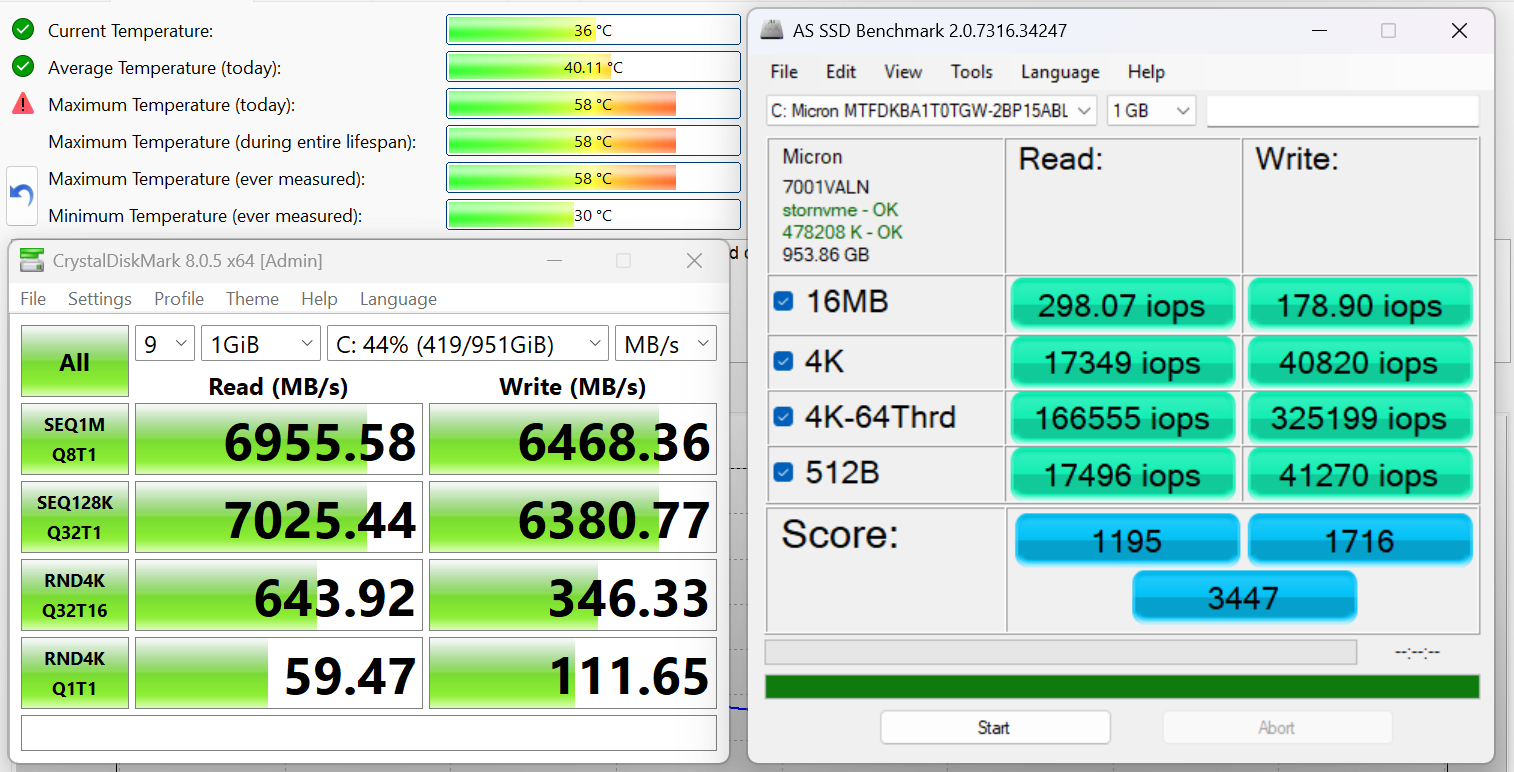
We ordered a configuration with 1TB of storage, and the X1 Carbon Gen 14 Aura Edition arrived with a Micron MTFDKBA1T0TGW-2BP15ABLT.
It is a very fast PCIe 4.0 NVMe drive, reaching 7.0 GB/s in sequential reads and 6.5 GB/s in sequential writes in our benchmark. Its maximum recorded temperature was 58°C, which is a good result for a drive delivering this level of performance.
AI Performance
Here you can see the position of the GPUs and CPUs (NPUs) found within the Lenovo ThinkPad X1 Carbon Aura Edition (14th Gen, 2026) in our AI Hardware Performance Rankings based on their AI processing power, measured in TOPS (Tera Operations Per Second) - a critical metric indicating the computational throughput, particularly for AI tasks.
The first column shows peak performance for INT8/FP8 precision, which is the most widespread metric for evaluating AI inference capabilities. We exclude Sparsity to provide a more accurate reflection of AI performance in dense computation scenarios where sparsity optimizations may not be applicable. The second and third columns show the performance with Sparsity, and FP4 TFLOPS, when supported.
For SoCs, the results reflect the peak performance of the integrated NPU. Additionally, it’s important to note that, according to Microsoft, a NPU must have at least 40 TOPS of AI computing power for the PC to be considered “AI-capable.”
| # | GPU / CPU (NPU) | TOPS INT8/FP8 No Sparsity | TOPS INT8/FP8 Sparsity | TFLOPS FP4 Sparsity |
|---|---|---|---|---|
| 1549. | Intel Core Ultra 7 366H | 50 | — | — |
| 1566. | Intel Core Ultra X7 358H | 50 | — | — |
| 1570. | Intel Core Ultra X7 368H | 50 | — | — |
| 1572. | Intel Core Ultra 7 356H | 50 | — | — |
| 1576. | Intel Core Ultra 7 365 | 49 | — | — |
| 1577. | Intel Core Ultra 7 355 | 49 | — | — |
| 1585. | Intel Core Ultra 5 335 | 47 | — | — |
| 1594. | Intel Core Ultra 5 325 | 46 | — | — |
GPU and Gaming Performance
Graphics depend heavily on the selected processor. Configurations with the Core Ultra 5 and Core Ultra 7 chips use a 4-core Intel Graphics GPU, while the Core Ultra X7 358H and 368H step up to the considerably more powerful Intel Arc B390. Both are integrated solutions that share the system memory and support DirectX 12 Ultimate, but they belong to distinctly different performance classes. Our configuration uses the 4-core Intel Graphics paired with the Core Ultra 7 355. You can compare it with other laptop GPUs in our Top Laptop Graphics Ranking.
Our Intel Graphics performs almost identically to the Lenovo Yoga 9i 2-in-1 Aura Edition (detailed review) using the same processor. Against the Dell Pro 14 Premium (detailed review), the advantage changes depending on the benchmark, suggesting that drivers and workload type can matter as much as the raw GPU specification. Systems with Intel Arc 140V, such as the Dell XPS 13 9350 (detailed review), remain clearly faster. The tested configuration is therefore well suited to office work, media playback, light creative tasks, and occasional gaming at modest settings, but buyers seeking substantially stronger integrated graphics should choose one of the Core Ultra X7 configurations with Arc B390.
The results are from 3DMark Time Spy (Graphics). Higher is better.
The results are from 3DMark Wild Life Extreme Unlimited. Higher is better.
Gaming tests

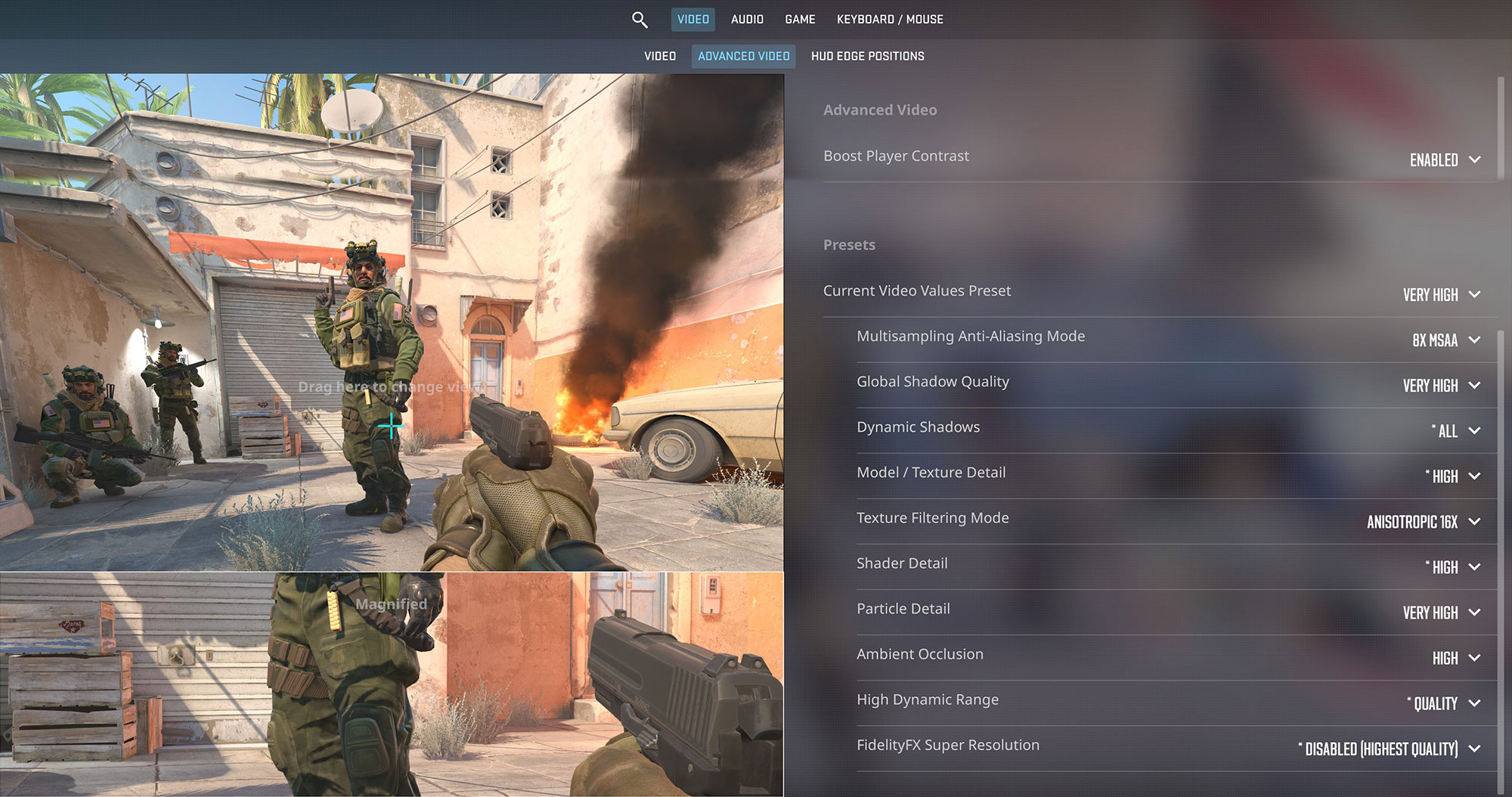
The integrated Intel Graphics (4-Cores) is not designed for demanding gaming, and Counter-Strike 2 illustrates its limits. At a 1200p output resolution and the Very High preset, the laptop averages just 25 FPS. Lowering the resolution and visual settings should improve performance considerably, but competitive players will need to prioritize frame rate over image quality.
| Counter-Strike 2 | 1200p, Very High (Check settings) |
| Average FPS | 25 FPS |

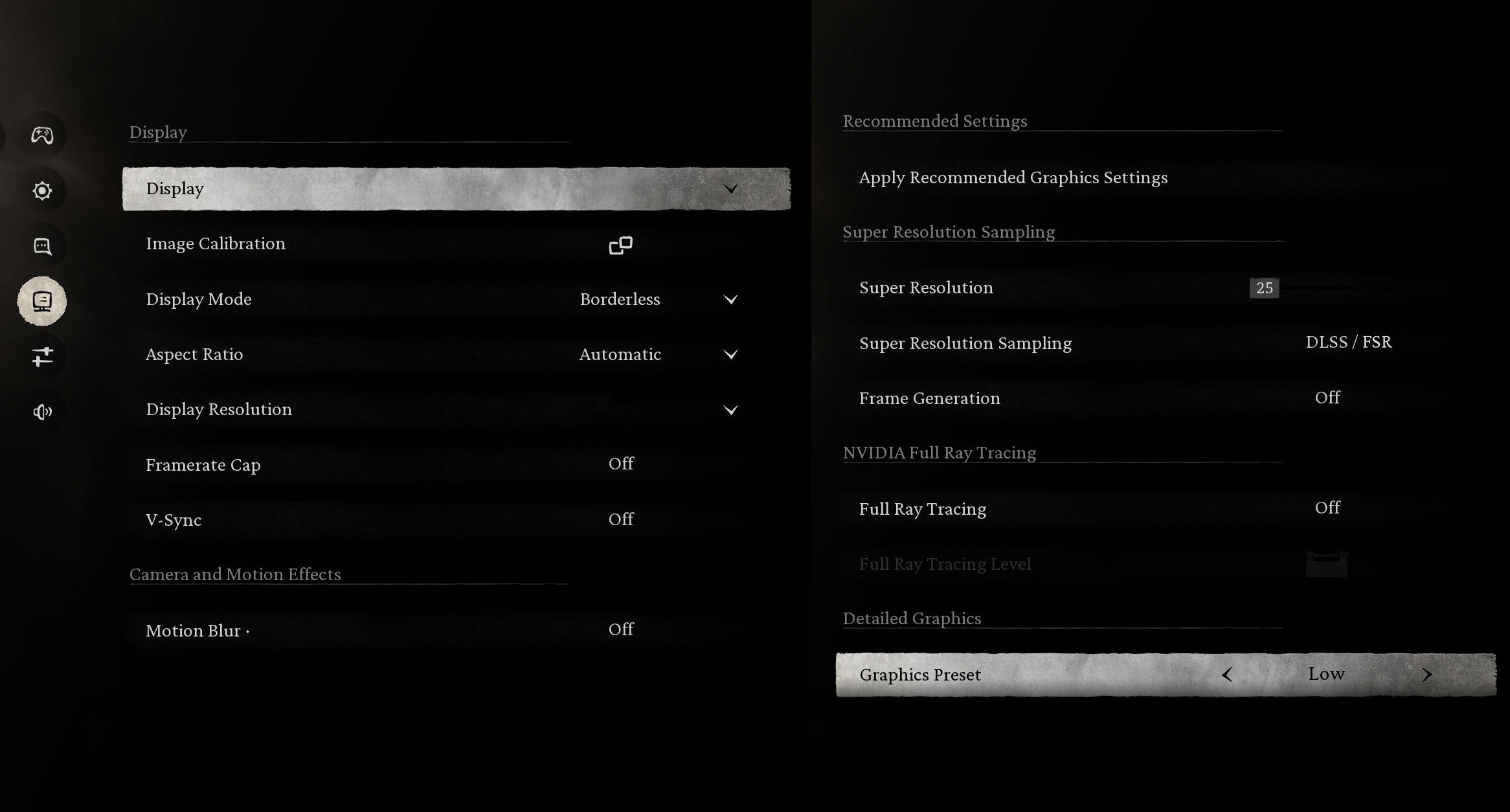
Black Myth: Wukong becomes playable only after substantially reducing both the visual quality and internal rendering resolution. At a 1200p output resolution, using the Low preset, FSR at 25% Super Resolution, and Frame Generation disabled, the system averages 58 FPS. This is a respectable result for integrated graphics, but it should not be interpreted as native-1200p performance, as the game is internally rendered at a much lower resolution and then upscaled.
| Black Myth: Wukong | 1200p output, Low, FSR 25%, Frame Generation Off (Check settings) |
| Average FPS | 58 FPS |

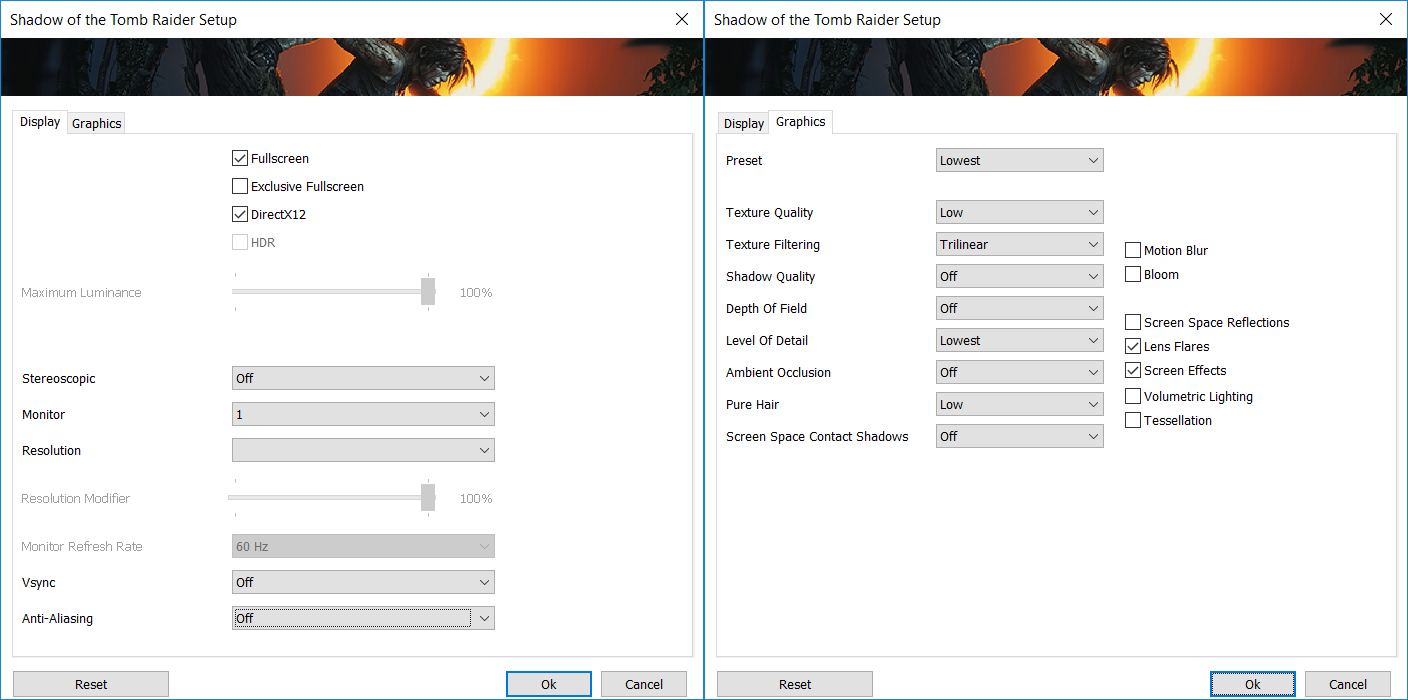
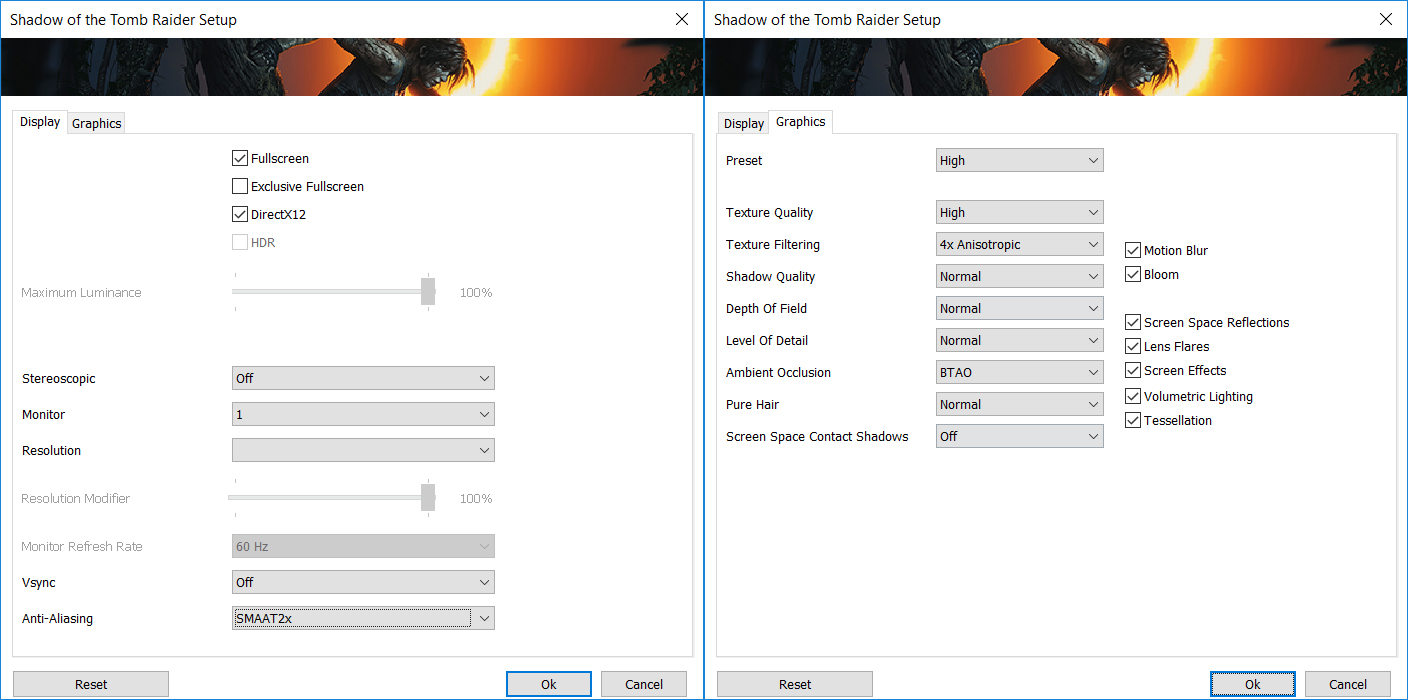
Less demanding and older titles are a more natural match for this GPU. Shadow of the Tomb Raider averages 73 FPS at 1200p using the Lowest preset, while switching to High reduces performance to 38 FPS. The lower preset therefore provides the smoother experience, whereas High is usable only for players comfortable with a frame rate below 60 FPS.
| Shadow of the Tomb Raider | 1200p, Lowest (Check settings) | 1200p, High (Check settings) |
| Average FPS | 73 FPS | 38 FPS |
Overall, the tested Intel Graphics configuration is suitable for casual gaming, esports titles at reduced settings, and older games. Buyers who expect to play modern demanding titles more regularly should look for a Core Ultra X7 configuration with the considerably faster Intel Arc B390.
CPU Temperatures and Sustained Performance
Office Work, Web Development, Design
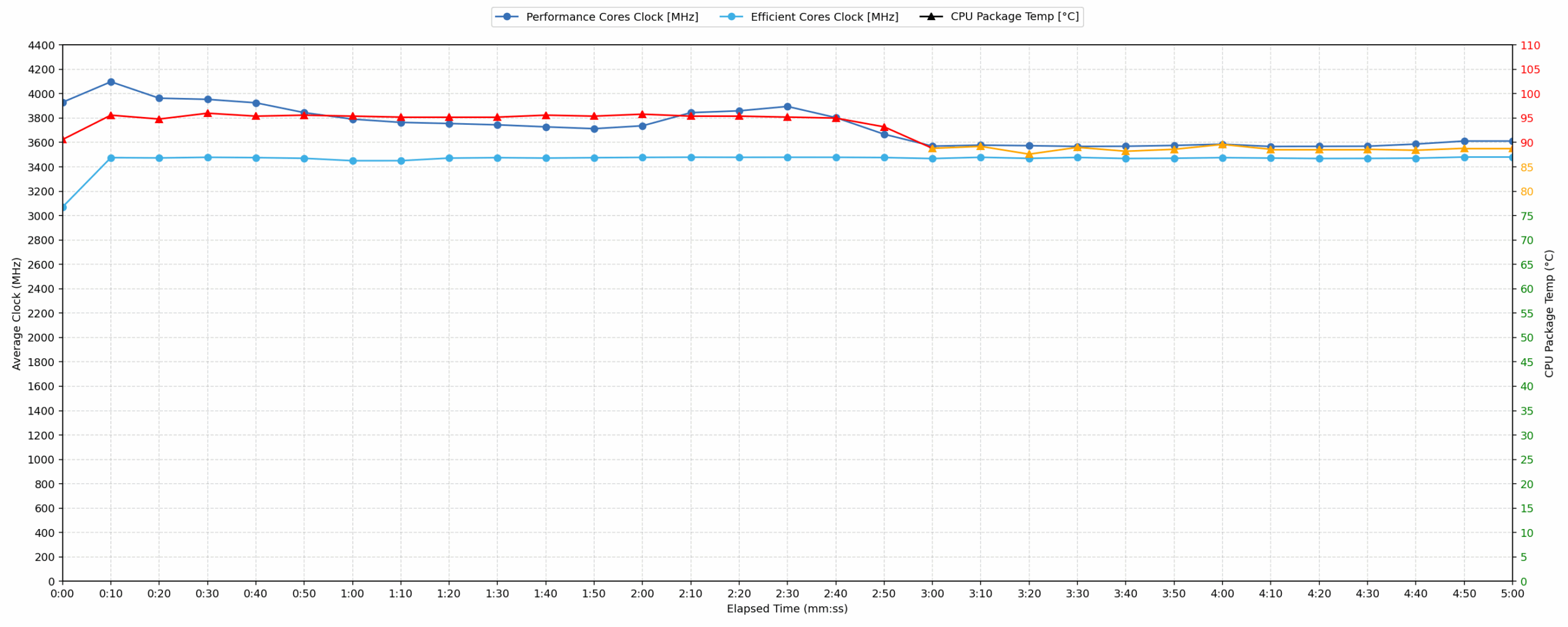
Short periods (0:00–0:10 s) of 100% CPU load
This test examines the CPU’s behavior during short bursts of heavy load, representative of tasks such as compiling smaller projects, applying design effects, opening complex documents, and other brief but demanding operations.
| Intel Core Ultra 7 355 | Avg. P-Core Clock | Avg. CPU Temp. | Avg. CPU Power |
| Lenovo Yoga 9i 2-in-1 Aura Edition (14″, Gen 11) | 3950 MHz | 83°C | 29 W |
| Lenovo LOQ 15 (15IPH11) | 3941 MHz | 51°C | 32 W |
| Lenovo ThinkPad X1 Carbon Gen 14 Aura Edition | 3929 MHz | 90°C | 31 W |
During short bursts, the ThinkPad X1 Carbon Gen 14 reaches a peak P-core clock of 4355 MHz and averages 3929 MHz at 31 W over the first ten seconds. Its performance is effectively identical to that of the Yoga 9i 2-in-1 and LOQ 15 equipped with the same processor, as the differences in average clock speed remain below 1%.
The more notable result is the 90°C average CPU temperature. This is high even for an ultralight laptop and shows that Lenovo prioritizes short-term performance within the limited thermal capacity of the compact chassis. The much cooler LOQ 15 illustrates the advantage of a substantially larger gaming-laptop cooling system, but it is not a direct competitor in terms of size, weight, or intended use.
Video Editing, Scientific Computing, Software Compilation, 3D Rendering
Long periods (0:00–30:00 min) of 100% CPU load
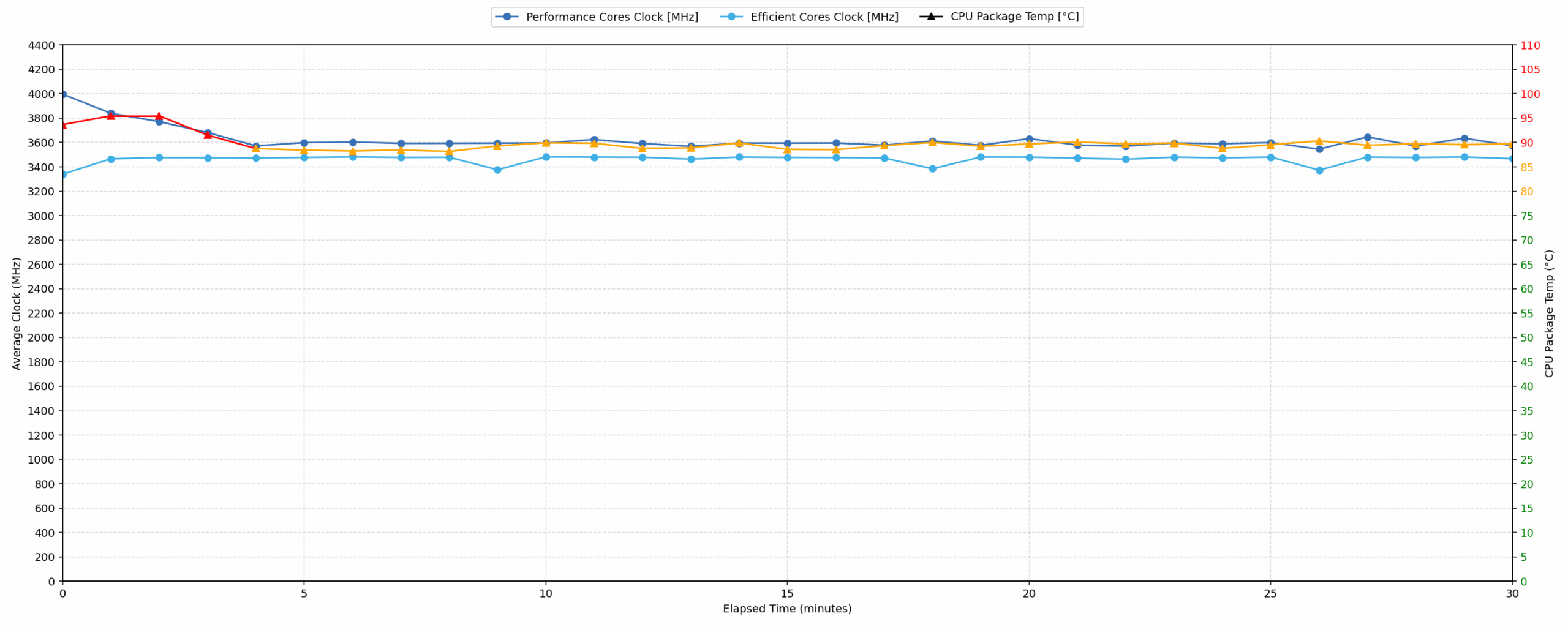
This test examines performance during prolonged CPU-intensive workloads, where sustained power limits and the effectiveness of the cooling system become more important than short-term boost frequencies.
| Intel Core Ultra 7 355 | Avg. P-Core Clock | Avg. CPU Temp. | Avg. CPU Power |
| Lenovo LOQ 15 (15IPH11) | 4338 MHz | 47°C | 40 W |
| Lenovo ThinkPad X1 Carbon Gen 14 Aura Edition | 3617 MHz | 89°C | 30 W |
| Lenovo Yoga 9i 2-in-1 Aura Edition (14″, Gen 11) | 3560 MHz | 84°C | 28 W |
During the 30-minute stress test, the ThinkPad X1 Carbon maintains an average P-core clock of 3617 MHz at 30 W. This gives it a small sustained-performance advantage over the similarly compact Yoga 9i 2-in-1, although the ThinkPad also runs 5°C hotter.
The processor averages 89°C and briefly reaches 96°C before settling into the sustained 3.6 GHz range. The reduction from the initial boost frequency is expected during a prolonged all-core workload and does not indicate instability by itself. The considerably larger LOQ 15 maintains higher clocks at 40 W, but its thicker gaming-oriented chassis provides cooling capacity that an ultralight business laptop cannot realistically match.
Battery Life
The Lenovo ThinkPad X1 Carbon Gen 14 Aura Edition uses a three-cell L25N3P70 lithium-ion battery with a capacity of 58 Wh. In our local video playback test, it lasted 16 hours and 58 minutes at 180 nits in SDR mode.
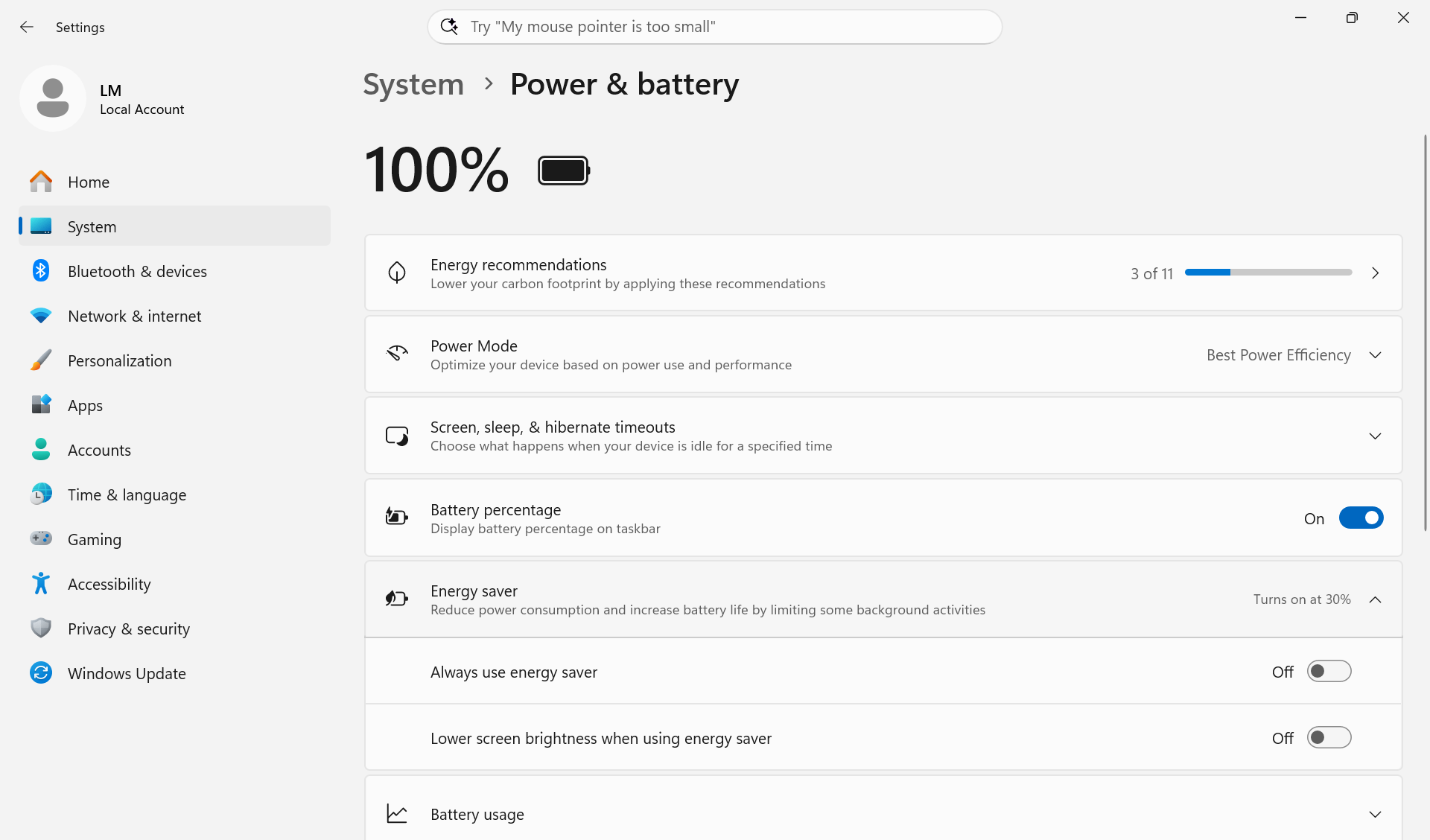
We conducted the test with Windows set to Best Power Efficiency, synchronized with Lenovo Commercial Vantage.
This is an excellent result for a sub-1.2 kg business laptop with a relatively modest 58 Wh battery. The X1 Carbon slightly outlasts the Dell Pro 14 Plus PB14250 (detailed review) and finishes almost level with the Lenovo ThinkPad X9-14 Gen 1 (detailed review), despite the latter using a slightly smaller battery. It also lasts around 1 hour and 20 minutes longer than the Lenovo Yoga 9i 2-in-1 Aura Edition (detailed review), which carries a considerably larger 70 Wh battery.
The Snapdragon-powered Dell Latitude 14 5455 (detailed review) remains substantially ahead in video endurance, but it uses a different ARM-based platform with its own software compatibility considerations. Overall, the combination of the low-power IPS display and Core Ultra 7 355 makes our X1 Carbon configuration one of the more efficient conventional x86 business laptops in this local video playback comparison.
Lenovo also specifies Rapid Charge support, with the battery reaching up to 80% in one hour when the laptop is turned off, sleeping, or hibernating. Charging may take longer while the system is actively in use.
Brightness: 180 nits; Display Mode: SDR
Time to Full Discharge: Higher is Better

Disassembly, Upgrade Options, and Maintenance
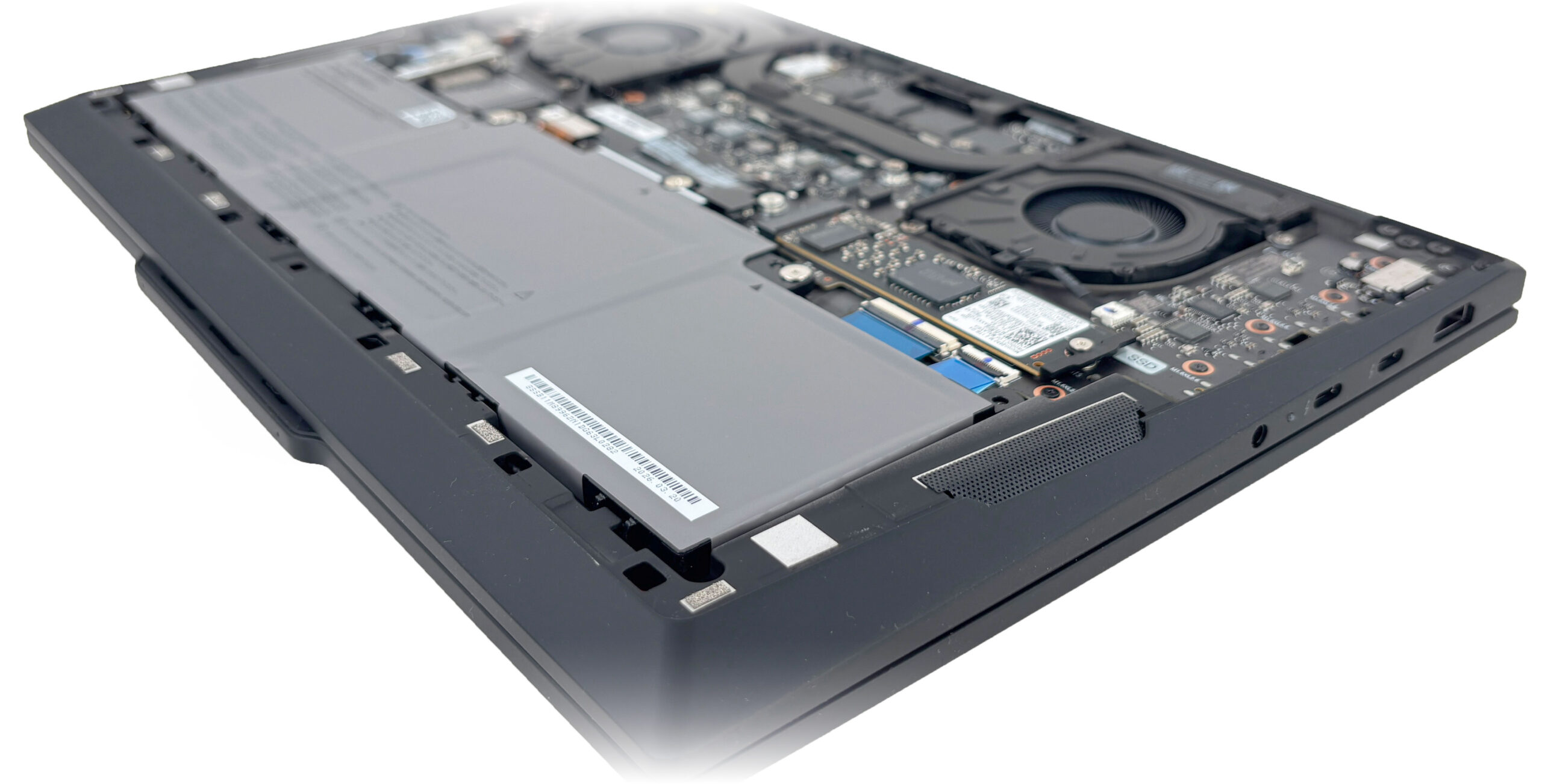
Getting inside the Lenovo ThinkPad X1 Carbon Gen 14 Aura Edition is straightforward. The bottom panel is secured by only four captive screws, which remain attached after loosening and help create a small gap around the chassis. A thin plastic tool can then be used to release the retaining clips before lifting the panel from the area between the hinges.
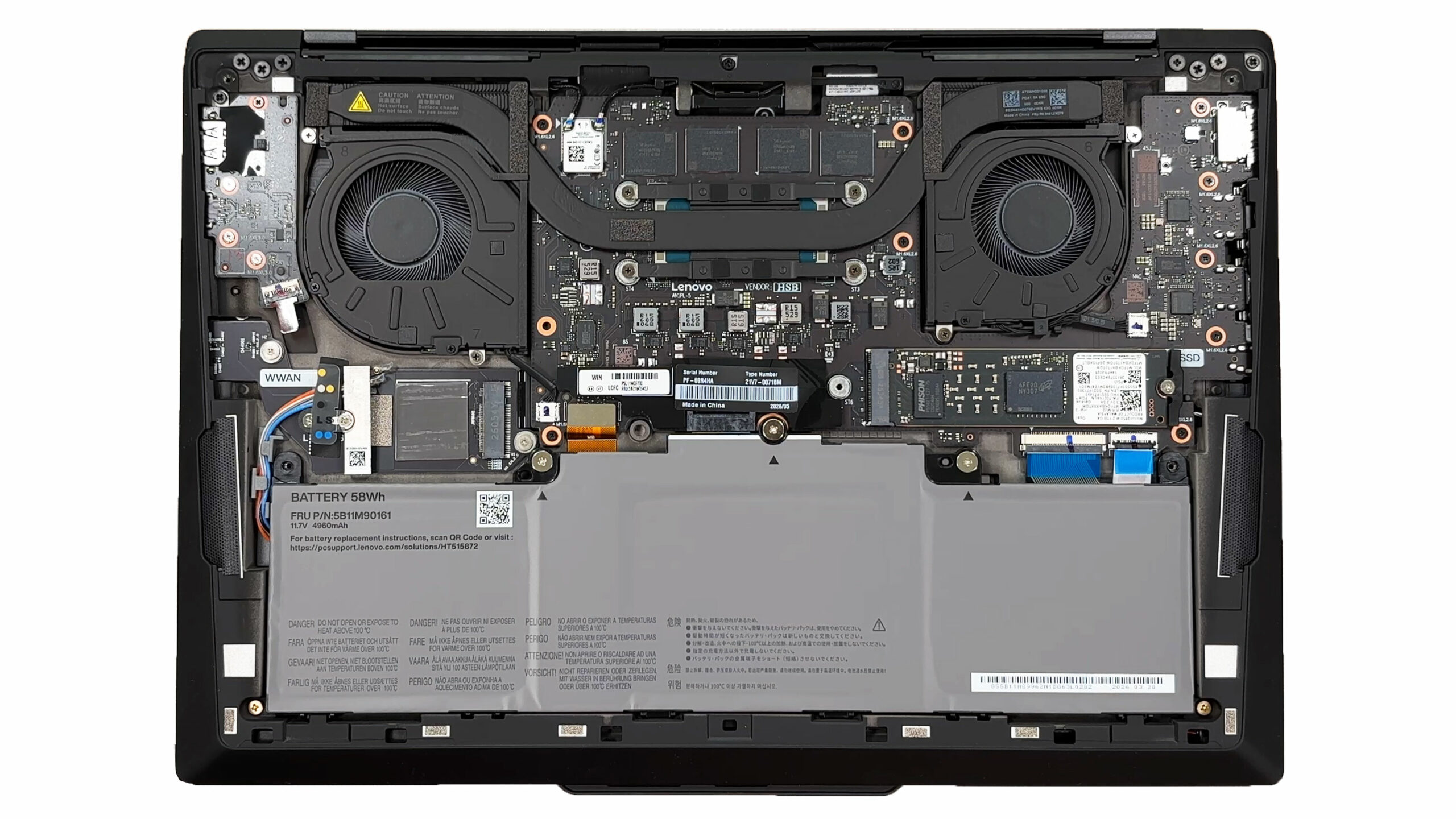
Before servicing any internal component, the built-in battery should be disabled through the BIOS or disconnected from the motherboard.
This generation introduces Lenovo’s new Space Frame architecture, which places components on both sides of a more compact motherboard. Its purpose is not primarily to provide additional upgrade slots, but to improve cooling and make commonly serviced components easier to replace.
The cooling system uses two blower-style fans connected to a shared heat-pipe assembly, with the heatsinks positioned along the rear edge of the chassis. Additional metal plates cover parts of the power-delivery circuitry and help spread heat across the limited internal space.
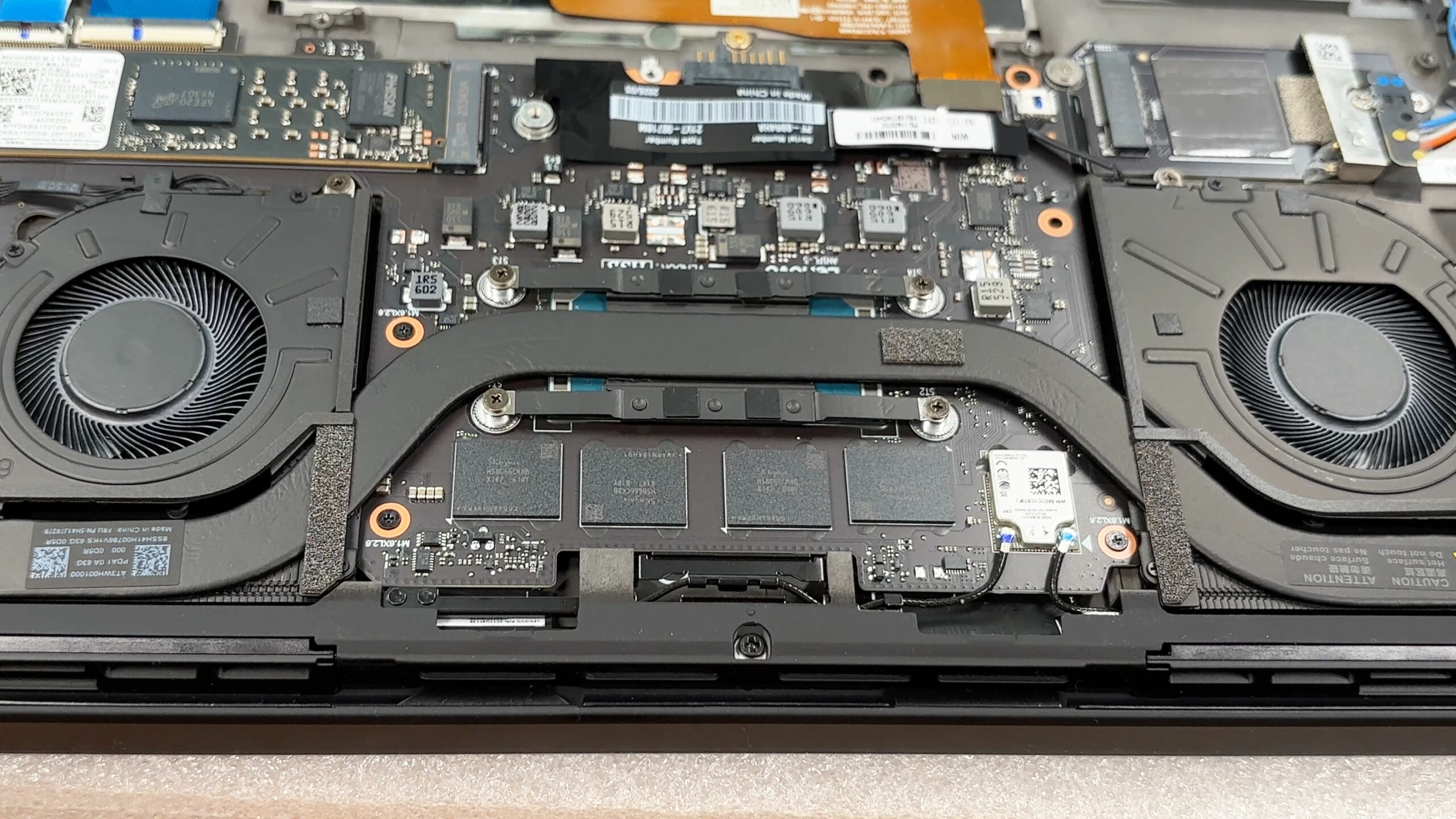
One of the most important improvements is the modular port design. Instead of permanently integrating every connector into the main motherboard, Lenovo uses replaceable USB modules and a separate USB I/O board for selected ports. The official repair documentation also covers the keyboard assembly, touchpad, speakers, cooling fans, battery, and optional WWAN components. This is a meaningful advantage because damage to a frequently used USB-C charging port may no longer require replacement of the complete motherboard.
Upgradeability is much more limited. All system memory is soldered directly to the motherboard, so there are no SO-DIMM slots and no possibility of increasing the RAM after purchase. Depending on the configuration, the series is available with 16GB, 32GB, or 64GB of LPDDR5X memory. Lenovo lists 16GB and 32GB configurations with LPDDR5X-8533 memory and 64GB configurations with LPDDR5X-9600, although the effective speed may be lower because of processor-platform limitations. Our configuration has 32GB of LPDDR5X memory operating at 7467 MT/s.
Storage is limited to a single M.2 2280 slot connected through a PCIe 5.0 x4 interface. Lenovo offers PCIe 4.0 NVMe drives with capacities of 256GB, 512GB, or 1TB, as well as higher-performance PCIe 5.0 models with capacities of 512GB, 1TB, or 2TB.
Our configuration uses a 1TB Micron 2650 PCIe 4.0 x4 NVMe SSD. A long thermal pad underneath the drive transfers heat toward the bottom panel. There are no mounting points for shorter M.2 form factors.
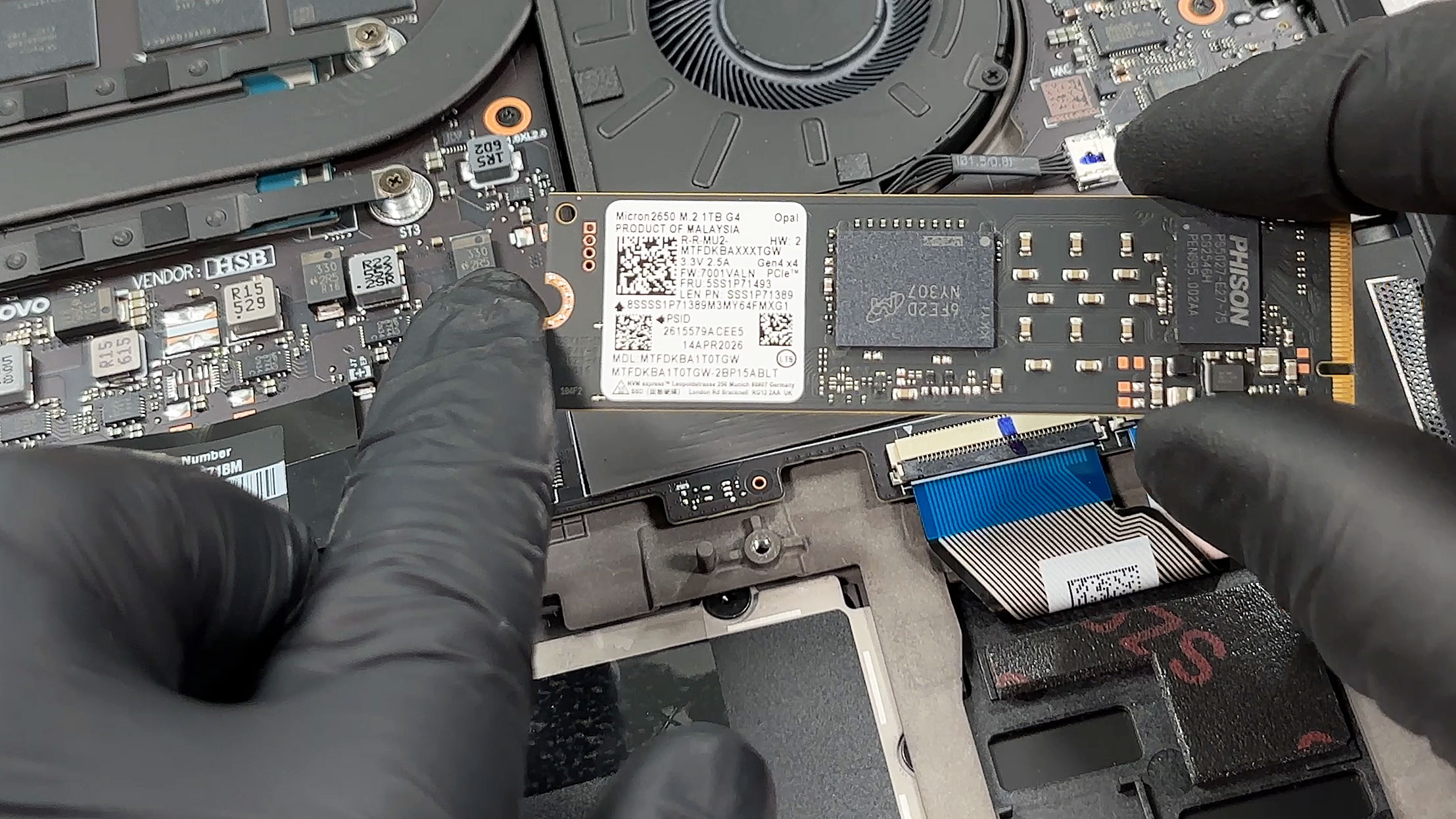
Since there is only one storage slot, the installed SSD can be replaced with a larger or faster drive, but a second internal SSD cannot be added. Replacing the system drive will therefore require cloning the existing installation or reinstalling the operating system. Internal RAID configurations are not supported.
Our motherboard also includes an unoccupied WWAN slot, a prepared thermal pad, antenna cables, and access to the Nano-SIM slot. Depending on the regional configuration, the laptop can be equipped with a Snapdragon X12 4G LTE modem or a Snapdragon X61 5G Sub-6 modem.
Although the required physical provisions are present in our unit, compatibility, firmware support, and mobile-network certification should be confirmed before installing a WWAN card purchased separately.
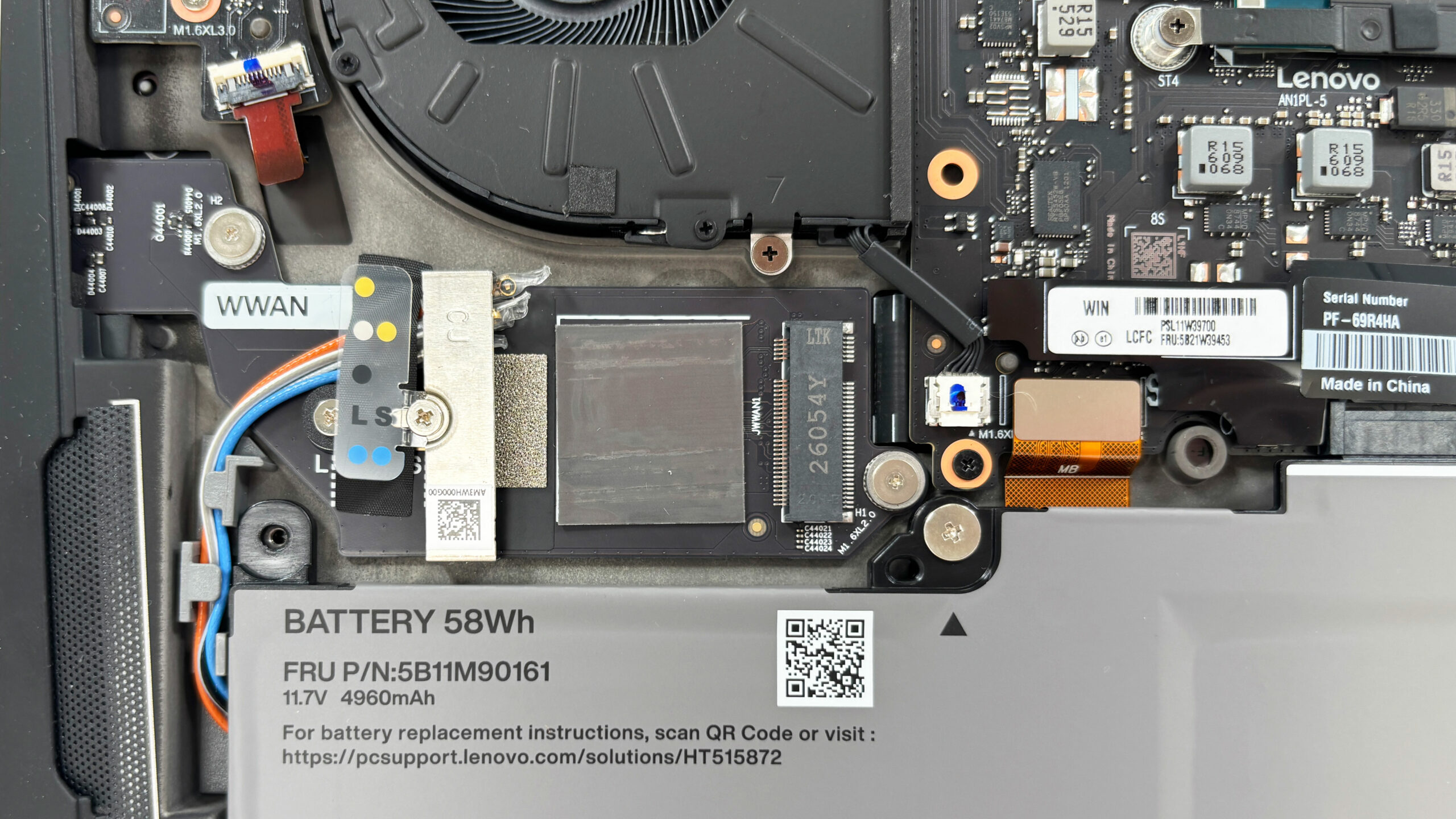
Wireless networking is handled by an Intel Wi-Fi 7 BE211 controller with Bluetooth 5.4 support. Unlike a conventional removable M.2 wireless card, the controller is soldered to the motherboard and cannot be replaced or upgraded independently.
The laptop uses a three-cell, 58 Wh lithium-ion battery. It is secured by three screws and connects directly to the motherboard through a board-to-board connector integrated into the battery assembly. Once the bottom panel has been removed, replacing the battery is relatively straightforward.
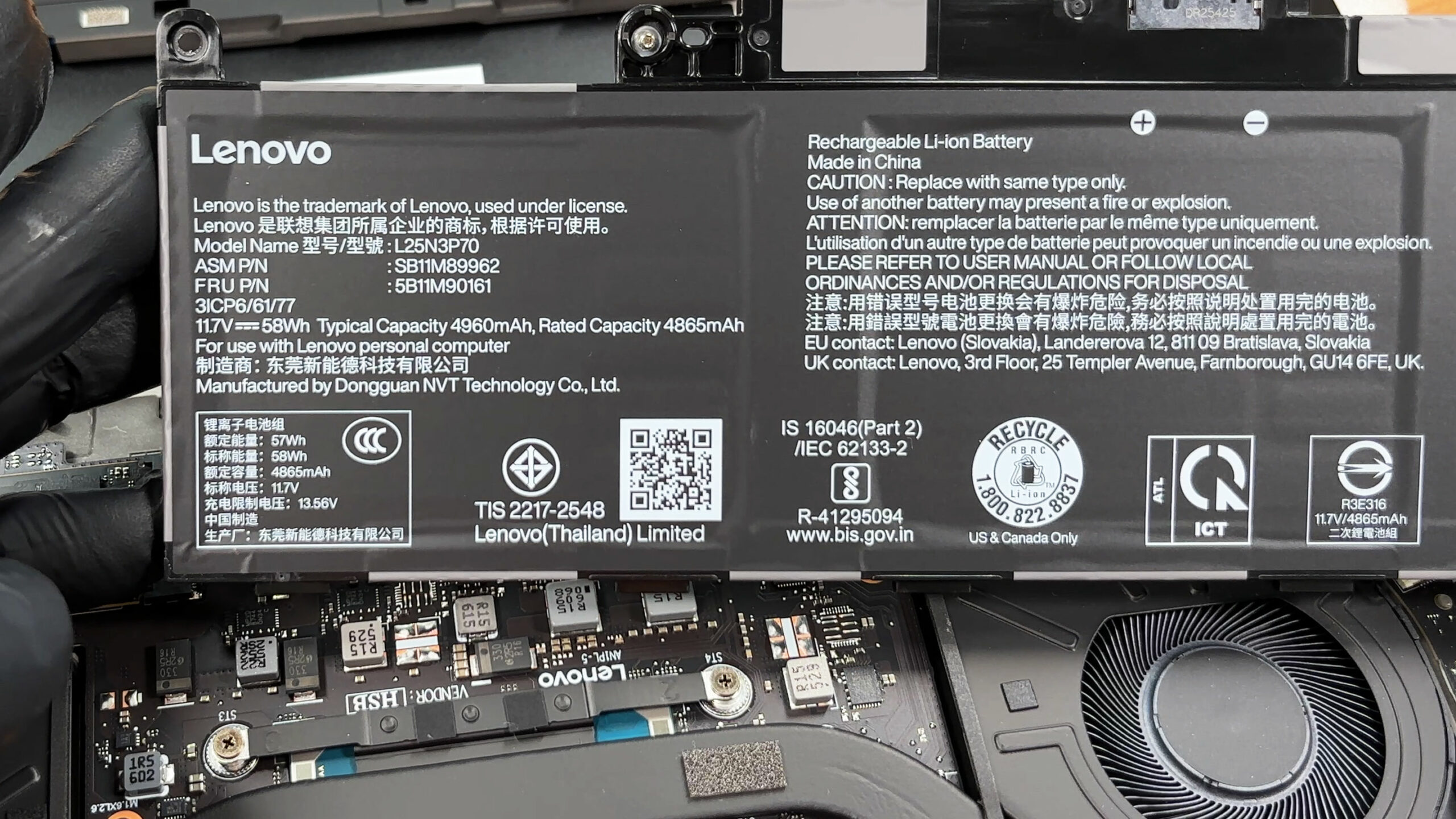
Overall, the ThinkPad X1 Carbon Gen 14 offers limited upgradeability but unusually good serviceability for an ultralight business laptop. The RAM, processor, and wireless controller are soldered, and there is only one SSD slot. However, the easily removable bottom panel, replaceable battery, modular USB components, separate I/O board, accessible cooling system, and replaceable keyboard and speakers can reduce the scope of certain repairs and the amount of hardware that must be discarded.
Verdict
✅ The Good
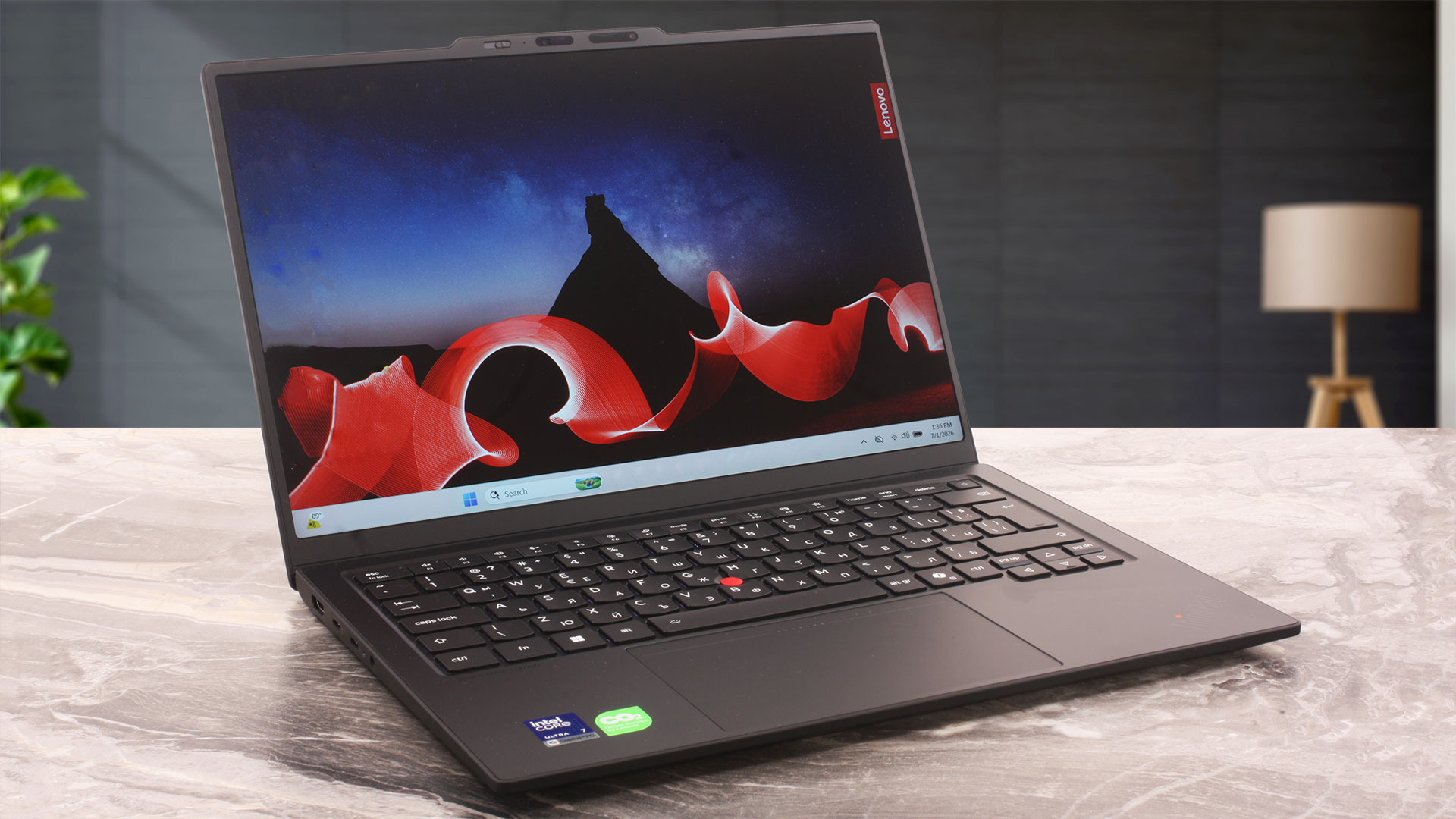 The most important practical advancement is the new Space Frame architecture and modular internal design. Selected USB ports are located on replaceable modules or a separate I/O board, while components including the battery, keyboard, touchpad, speakers, and cooling fans can also be serviced individually. Damage to one of these components may therefore no longer require replacing the complete motherboard or a much larger assembly.
This serviceability is combined with an exceptionally rigid and lightweight chassis. Our touch-enabled configuration weighed 1.139 kg, despite using a carbon-fiber lid, an aluminum bottom panel, and a build that exhibited virtually no meaningful flex. The surface treatment also proved unusually resistant to visible fingerprints during everyday use.
Battery endurance is another major strength. The 58 Wh battery lasted 16 hours and 58 minutes in our local video playback test, an excellent result for a conventional x86 business laptop of this size and weight.
Our WUXGA IPS panel is limited to 60Hz, but it remains highly practical for professional work. It reaches 507 nits in the center, covers 97% of sRGB, offers a measured contrast ratio of 1700:1, and does not use PWM at any tested brightness level. Its factory color accuracy is poor, but our Design and Office Work profile reduces the average error from 5.8 to an excellent 1.1 dE 2000.
The port selection is also unusually capable for such a thin laptop. Three Thunderbolt 4 ports allow charging and docking from either side, while the large glass haptic touchpad provides a spacious surface without eliminating the functionality of the traditional TrackPoint buttons.
❌ The Bad
The main limitation is upgradeability. The RAM and Wi-Fi controller are soldered, so the selected memory capacity is permanent. Storage is limited to a single M.2 2280 slot, which means increasing capacity requires replacing or cloning the existing system drive rather than simply adding another SSD.
The cooling system also operates close to the processor’s thermal limits. During our 30-minute CPU stress test, the Core Ultra 7 355 averaged 89°C and briefly reached 96°C, although it still maintained approximately 30 W and an average P-core clock of 3617 MHz. This is high, but the expected reduction from short-term boost clocks should not by itself be interpreted as instability or thermal throttling.
Our WUXGA display is restricted to 60Hz and has slow pixel response times, so motion looks less fluid than on modern 90Hz or 120Hz panels. Buyers who value smoother scrolling or gaming should consider one of the optional 120Hz OLED configurations, accepting the likely effects on price and battery life.
The physical connectivity also has some omissions. There is only one USB Type-A port, and the laptop lacks integrated Ethernet and an SD or microSD card reader, making a dock or adapter necessary for some professional workflows.
🆚 The Competitors
Compared with the Dell Pro 14 Premium (detailed review), the ThinkPad is lighter, offers more flexible USB-C positioning, and has the advantage of modular USB components. It was also approximately 15% faster in Geekbench 6 Multi-Core and 14% faster in Cinebench 2024 in our tested configurations. The Dell counters with a smoother 120Hz display and a design that some users may find more contemporary.
The Lenovo Yoga 9i 2-in-1 Aura Edition (detailed review) delivers almost identical CPU performance with the same Core Ultra 7 355, while adding convertible functionality and a more vibrant OLED display. The X1 Carbon is lighter, more serviceable, and better suited to users who prefer a traditional clamshell design, an anti-glare Low Power IPS option, and the familiar ThinkPad keyboard and TrackPoint.
You can check the prices and configurations in our Specs System: https://laptopmedia.com/series/lenovo-thinkpad-x1-carbon-aura-edition-14th-gen-2026/
Pros
- Exceptionally rigid and lightweight 1.139 kg construction
- Modular Space Frame design improves serviceability
- Excellent local video playback endurance of nearly 17 hours
- Bright, PWM-free IPS display with 97% sRGB coverage
- Excellent color accuracy after profiling
- Three Thunderbolt 4 ports with charging available from either side
- Comfortable keyboard and large glass haptic touchpad
- Strong CPU performance for an ultralight business laptop
Cons
- Soldered RAM and Wi-Fi controller
- Only one M.2 SSD slot
- High CPU temperatures under sustained heavy load
- Our IPS configuration is limited to 60Hz and has slow pixel response times
- Only one USB Type-A port and no integrated Ethernet or card reader
 Author: Simeon NikolovEditor-in-Chief at LaptopMedia.com with 20+ years of experience in testing and analyzing laptops and mobile devices.
 Author: eng. Kroum NikolovHead of Engineering at LaptopMedia.com, inventor and innovator with 40+ years of experience in electronics and high technology.

![[August 2026] Amazon Italy: Top 10 Best-Selling Laptops – Apple MacBook Neo Claims the Crown as Budget and Mid-Range Windows Machines Dominate Volume](https://laptopmedia.com/wp-content/uploads/2026/09/Best-Selling-Laptops-IT-Top-10-400x225.jpg)
![[August 2026] Amazon Italy: Top 7 Best-Selling Gaming Laptops – ASUS V16 Claims the #1 Spot Amid Strong Mid-Range Demand](https://laptopmedia.com/wp-content/uploads/2026/09/Best-Selling-Gaming-Laptops-IT-Top-10-400x225.jpg)
![[August 2026] Best-Selling Laptop Brands on Amazon Italy – Lenovo Dominates Market Share and Revenue Leadership](https://laptopmedia.com/wp-content/uploads/2026/09/IT-Best-Brands-400x225.jpg)
![[August 2026] Amazon India: Top 10 Best-Selling Laptops – Apple MacBook Neo Dominates the Charts with Massive Sales Lead](https://laptopmedia.com/wp-content/uploads/2026/09/Best-Selling-Laptops-IN-Top-10-400x225.jpg)
![[August 2026] Amazon India: Top 10 Best-Selling Gaming Laptops – HP Victus 15 Dominates the Market with Massive Unit Lead](https://laptopmedia.com/wp-content/uploads/2026/09/Best-Selling-Gaming-Laptops-IN-Top-10-400x225.jpg)