- Date Published: 30 Nov 2018
- Intel Core i5-8300H
- NVIDIA GeForce GTX 1050 Ti (4GB GDDR5)
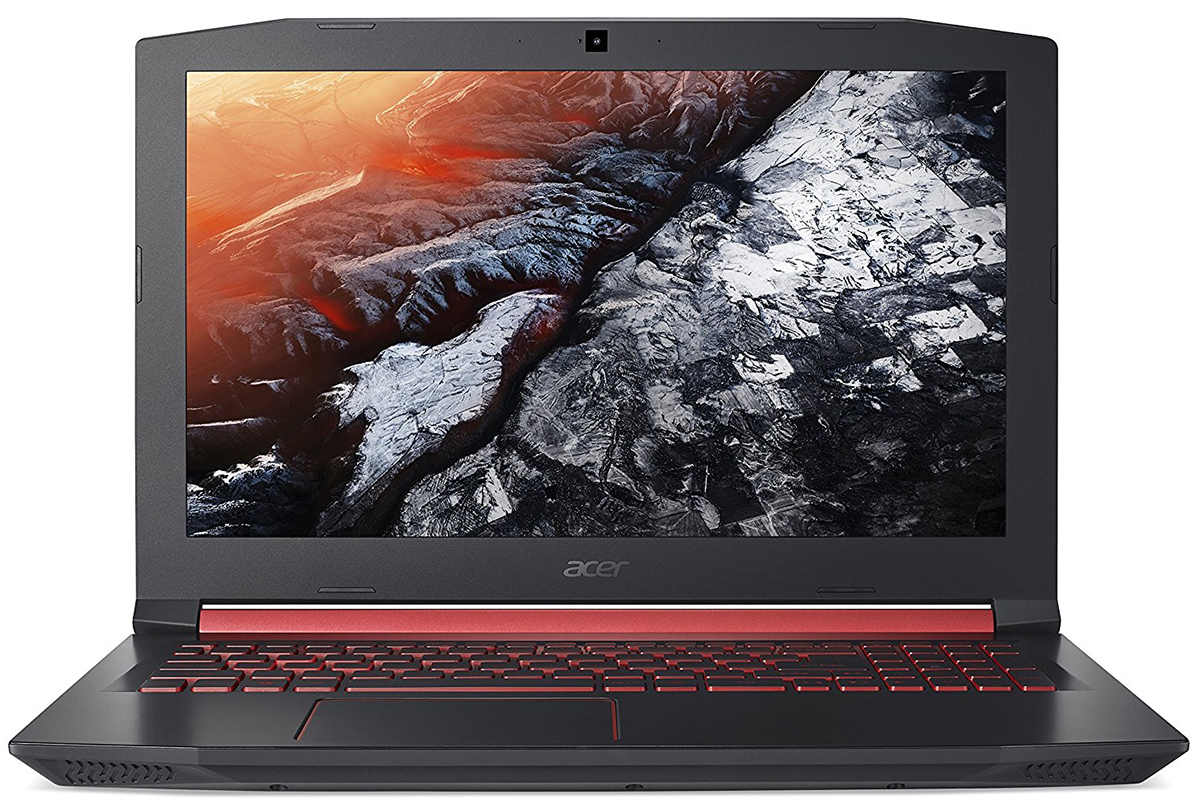
- 15.6”, Full HD (1920 x 1080), IPS
- 128GB SSD
- 8GB
- 2.48 kg (5.5 lbs)
Specs

- HDD/SSD
- 128GB SSD
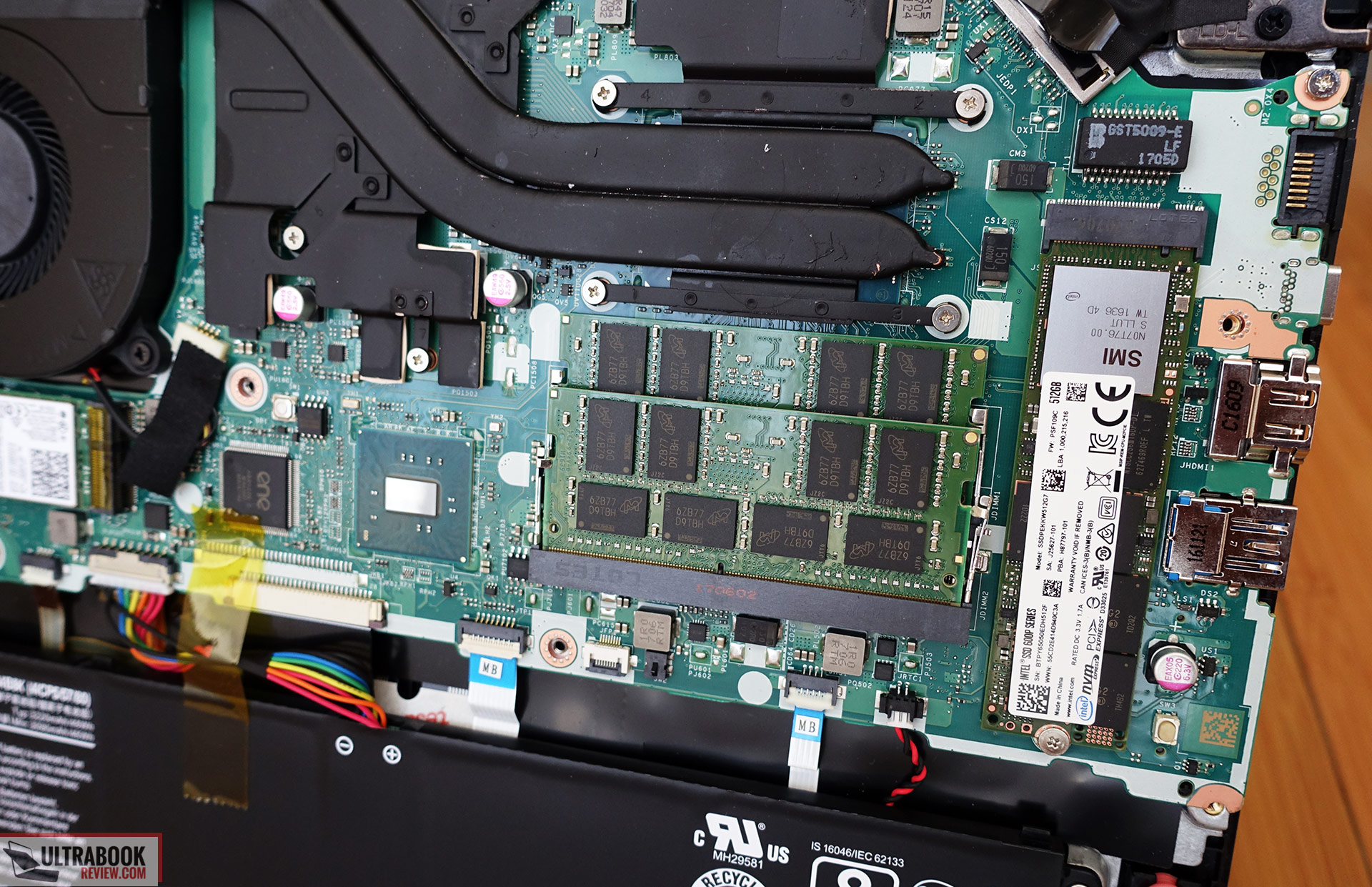
- M.2 Slot
- 1x 2280 PCIe NVMe See photo
- RAM
- 8GB
- OS
- Windows 10 Home
- Body Material
- Plastic / Polycarbonate
- Dimensions
- 390 x 268 x 27 mm (15.35" x 10.55" x 1.06")
- Weight
- 2.48 kg (5.5 lbs)
- Ports and connectivity
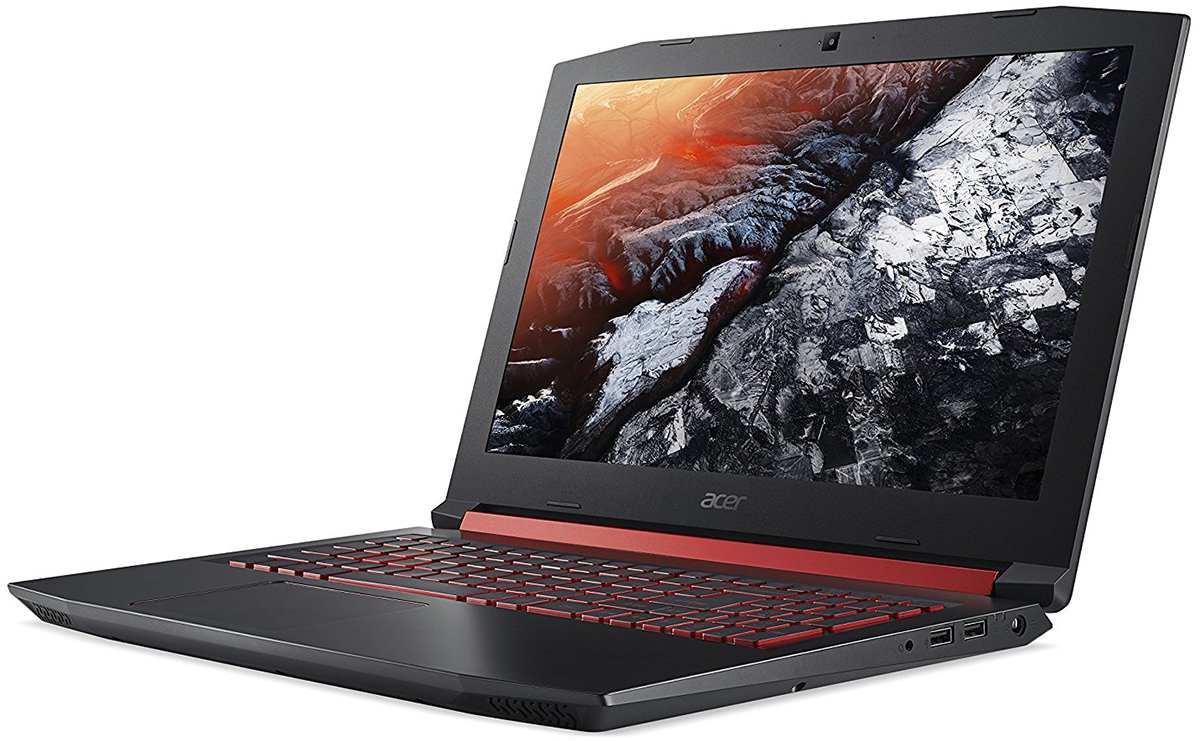
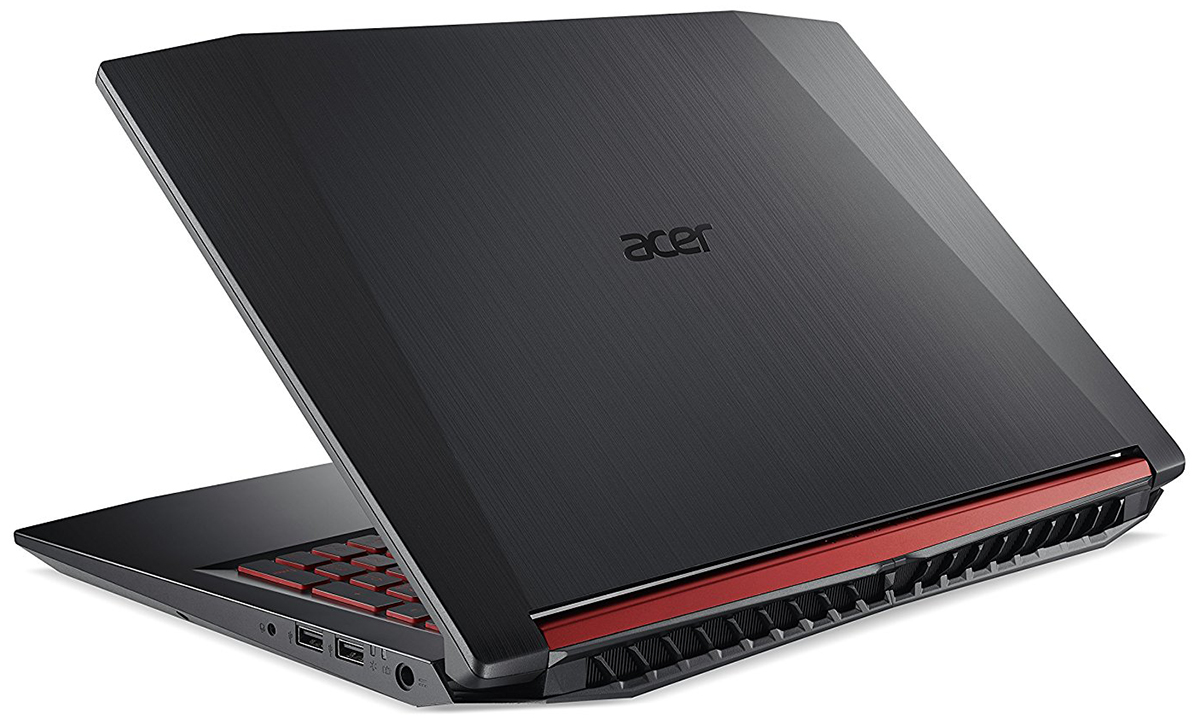
- 2x USB Type-A
- 2.0
- 1x USB Type-A
- 3.2 Gen 1 (5 Gbps)
- 1x USB Type-C
- 3.2 Gen 1 (5 Gbps)
- HDMI
- Card Reader
- SD
- Ethernet LAN
- Wi-Fi
- 802.11ac 2x2 MIMO
- Bluetooth
- 4.1
- Audio jack
- headphone/microphone
- Features
- Web camera
- HD webcam
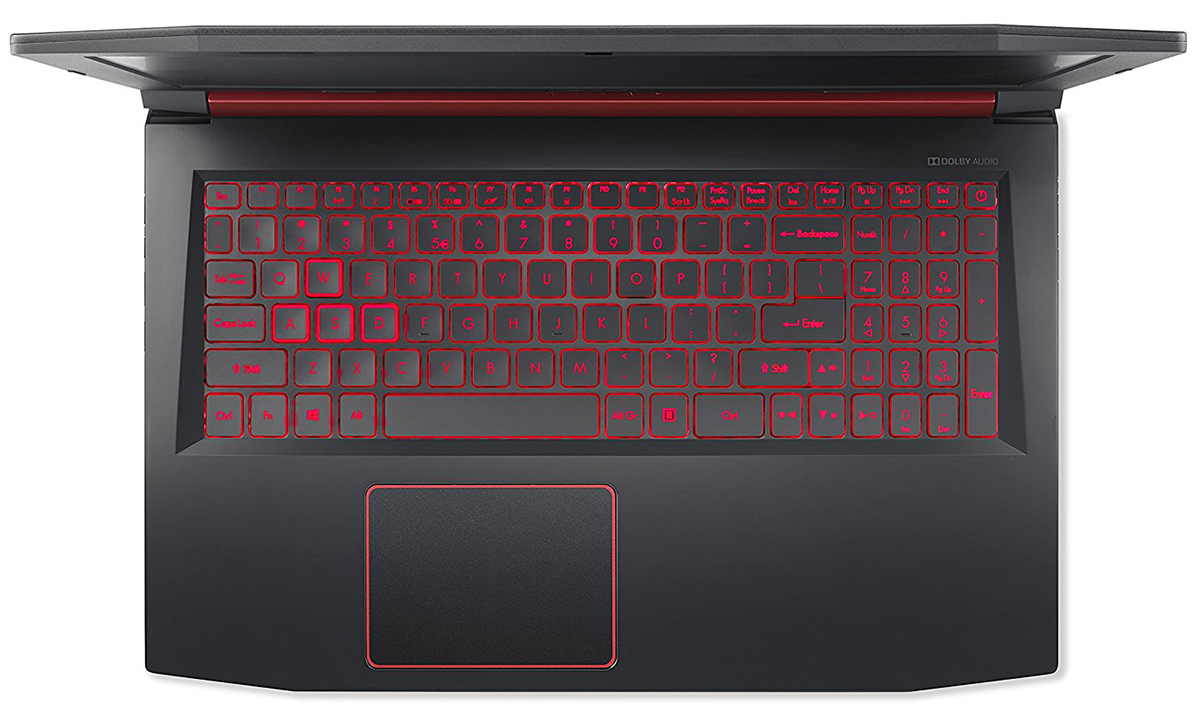
- Backlit keyboard
- Microphone
- Speakers
- Optical drive
- Security Lock slot
- Dual Fans (+CoolBoost)
Portability
Review
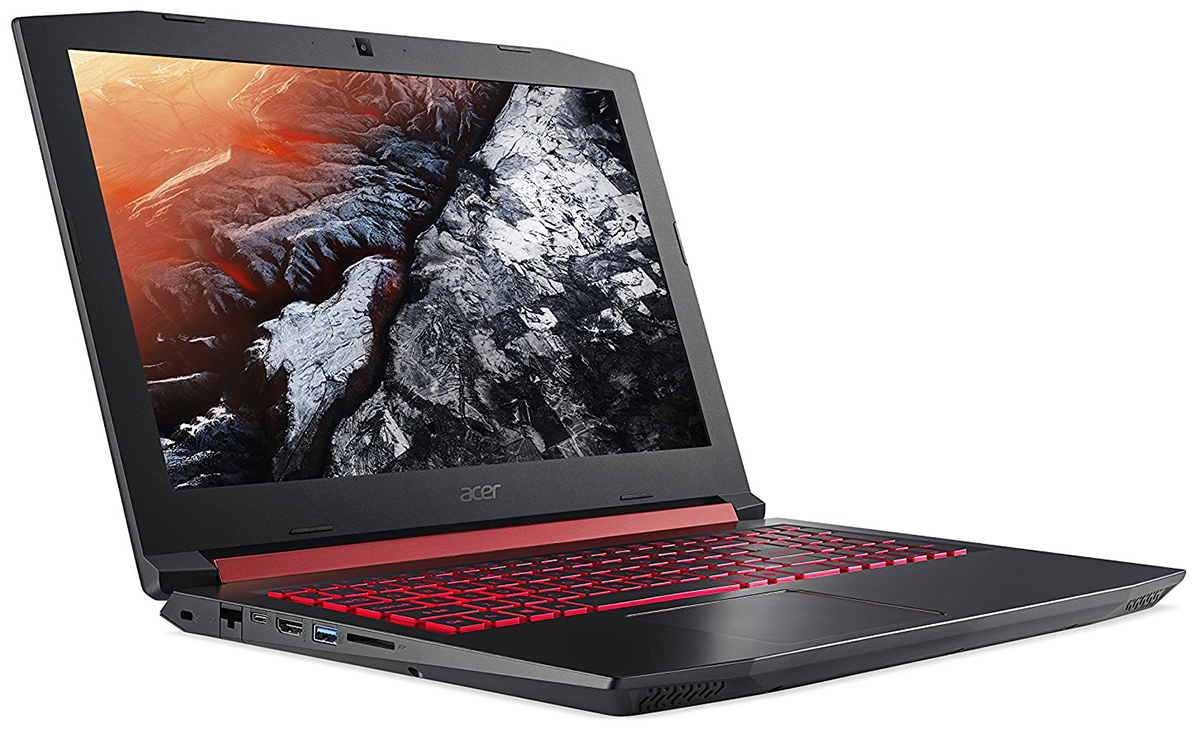
Acer Nitro 5 in-depth review
Acer's Nitro 5 lineup seems like a strange addition to the gaming family since there are already low-end gaming configurations under the Aspire VX 15 brand. In any case, the Nitro 5 has more in common with the mid-range Acer Predator Helios 300 notebooks rather than the VX 15 due to its cooling design, chassis and overall construction. And while the case looks good and appears to be more solid than the VX 15, the Nitro 5 incorporates a poorly-designed cooling solution with both cooling fans stuck on one side. We've seen the same done in the Helios 300 and the Lenovo Y520 and it's needless to say we weren't pleased with the results.On the hardware front, Acer is shipping the Nitro 5 in various configurations and most of them include the Core i5-7300HQ and the Core i7-7700HQ CPUs pai[...]
Read the full review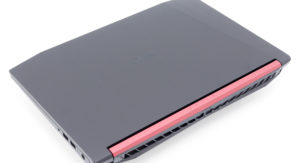
Pros
- Decent build
- A slightly more simplistic design approach with less flashy appearance
- Fairly comfortable input devices
- Full HD IPS display
- The panel doesn't use PWM for regulating screen brightness
- Reliable cooling solution (at least for the AMD configuration)
Cons
- The display becomes really dim (just 104 cd/m2) when the notebook isn't plugged in
- The CPU is less powerful than its competitors and too old to be included in a 2017 build
- The Radeon RX 550 can't beat the GTX 1050 in the same price range


![[June 2026] Best-Selling Laptop Brands on Amazon Global – Apple’s Unrivaled Dominance in Units and Revenue](https://laptopmedia.com/wp-content/uploads/2026/07/GLOBAL-Best-Brands-400x225.jpg)
![[June 2026] Amazon Global: Top 10 Best-Selling Laptops – Apple’s New MacBook Neo Storms to #1, Reshaping the Market with Affordability](https://laptopmedia.com/wp-content/uploads/2026/07/Best-Selling-Laptops-GLOBAL-Top-10-400x225.jpg)
![[June 2026] Amazon Global: Top 10 Best-Selling Gaming Laptops – Acer’s Nitro V 16S AI Dominates Sales, While ASUS Leads Overall Revenue](https://laptopmedia.com/wp-content/uploads/2026/07/Best-Selling-Gaming-Laptops-GLOBAL-Top-10-400x225.jpg)
![[June 2026] Global Ranking of Best-Selling Laptop GPUs on Amazon – NVIDIA RTX 5060 is the Top-Selling Dedicated GPU](https://laptopmedia.com/wp-content/uploads/2026/07/Best-Selling-GPUs-GLOBAL-Top-10-400x225.jpg)
![[June 2026] Global Ranking of Best-Selling Laptop CPUs on Amazon – Apple M5 Dominates, AMD Ryzen 7 260 Gets Solid Premium Share](https://laptopmedia.com/wp-content/uploads/2026/07/Best-Selling-CPUs-GLOBAL-Top-10-400x225.jpg)