Acer Predator Triton 14 AI (PT14-52T)
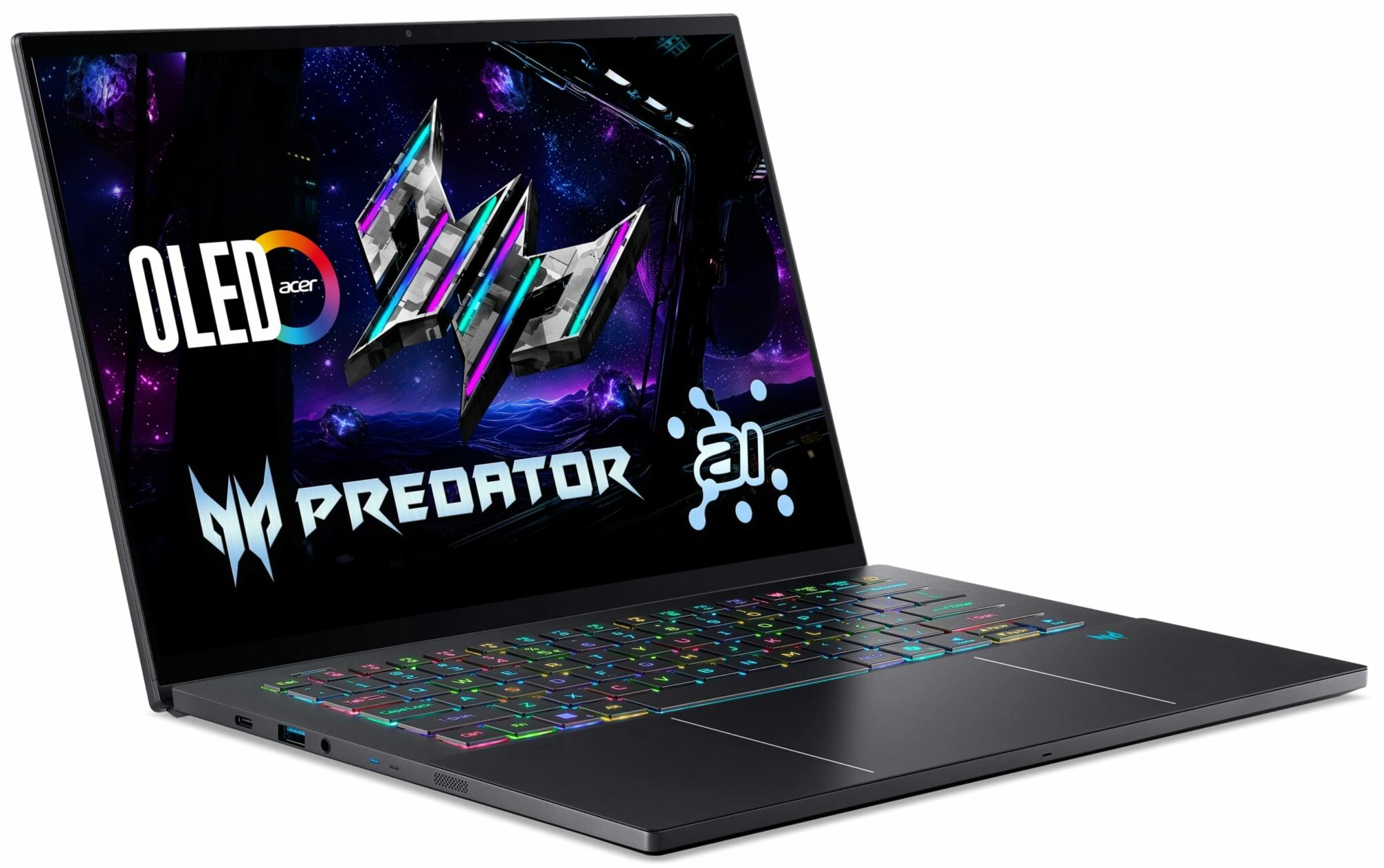
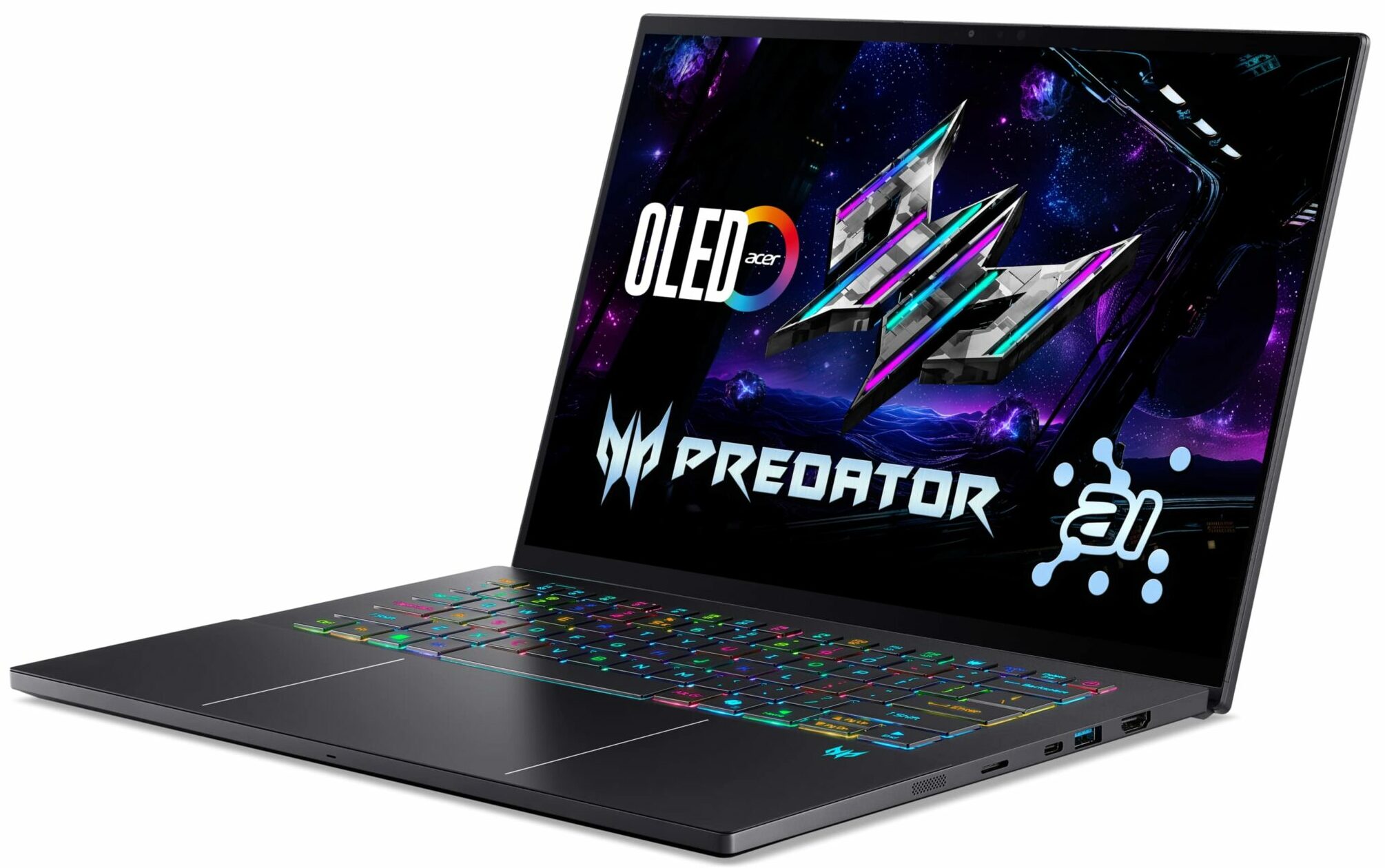
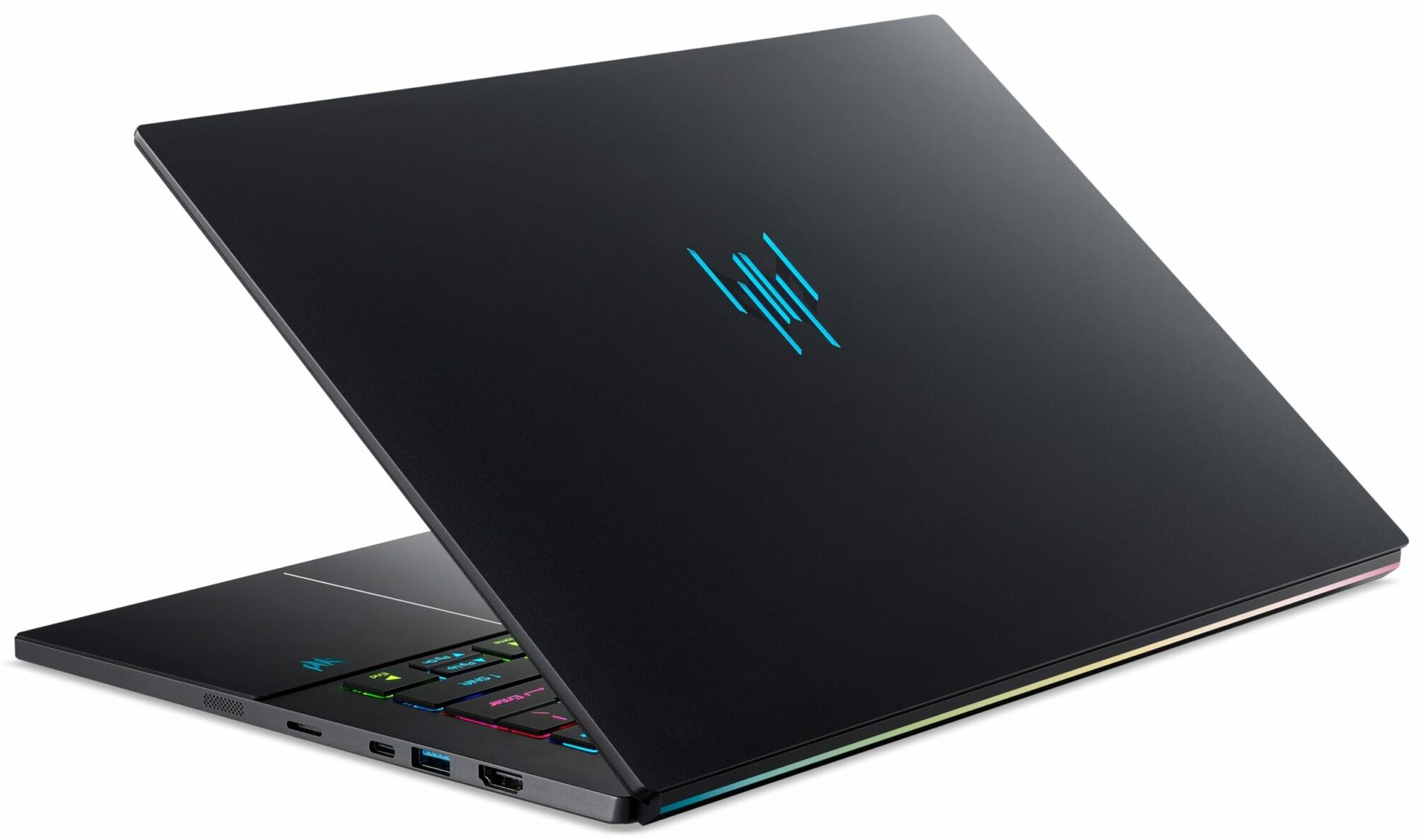
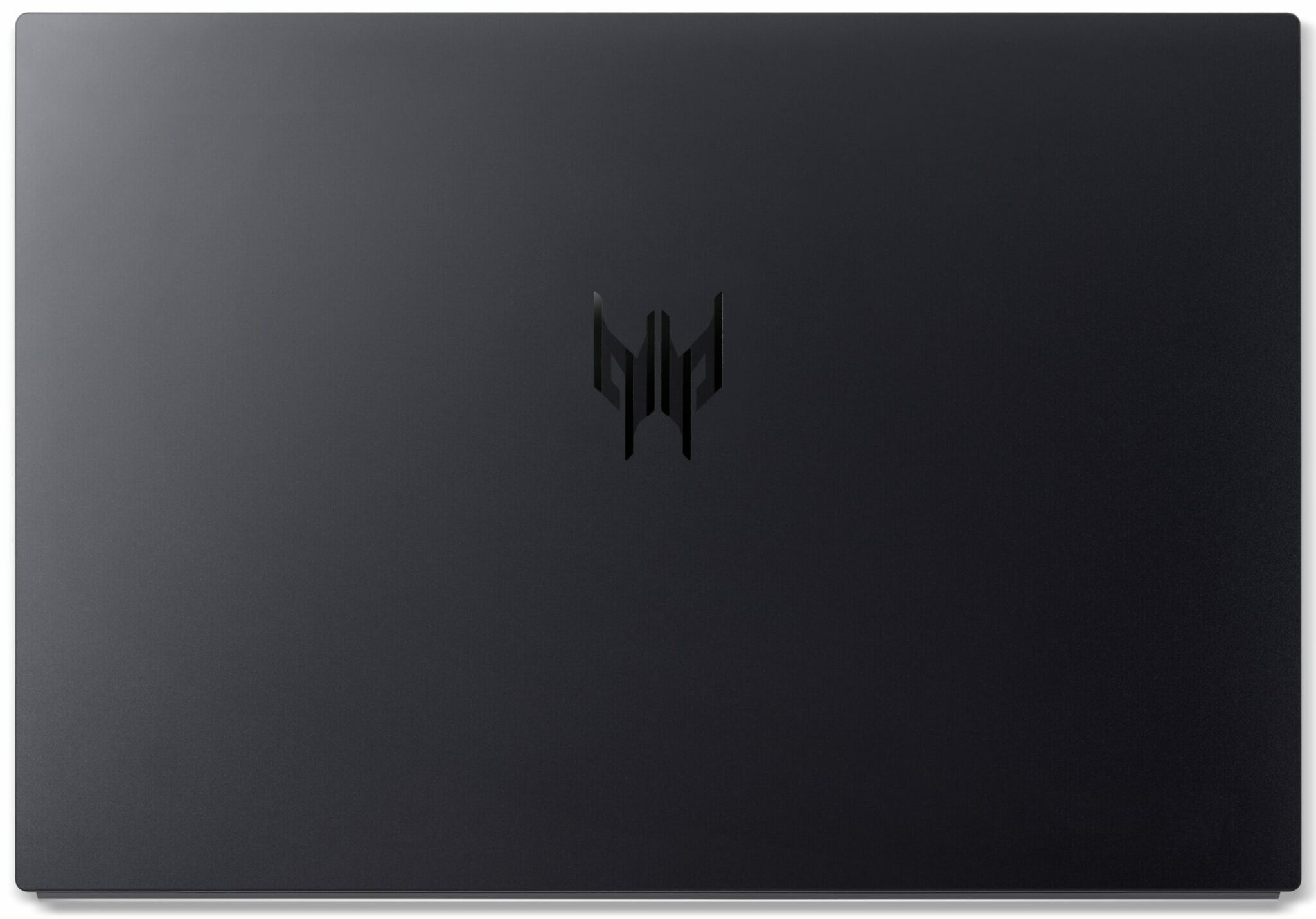
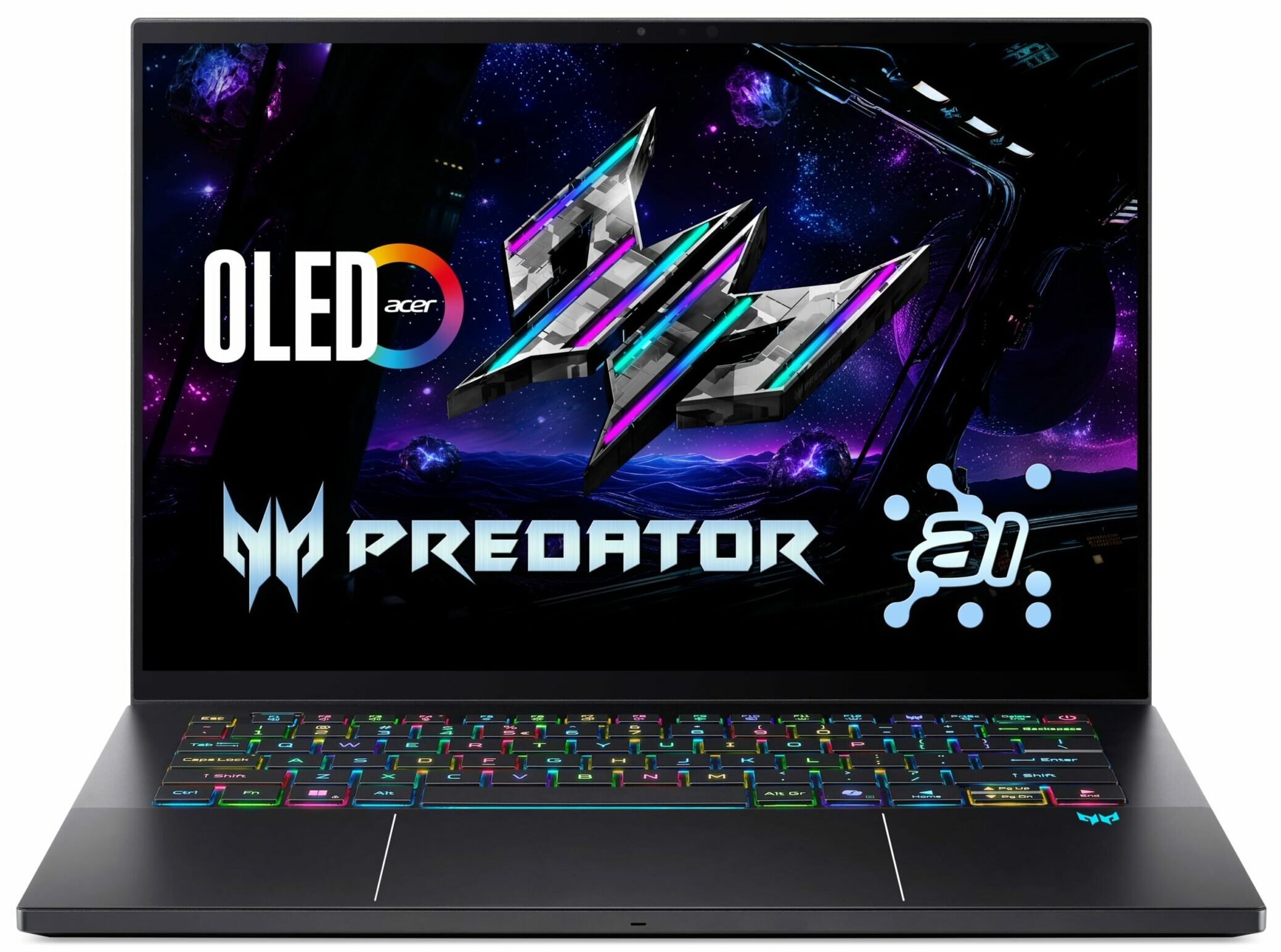
- Date Published: 20 Dec 2025
- Intel Core Ultra 9 288V
- NVIDIA GeForce RTX 5070 (Laptop, 8GB GDDR7)
- 14.5″, 2.8K (2880 x 1800), 120 Hz, OLED
- 1000GB SSD
- 32GB RAM
- 1.60 kg (3.5 lbs)
Review
Acer Predator Triton 14 AI (PT14-52T) in-depth review
In a world where gaming laptops often sacrifice portability for power, the Acer Predator Triton 14 AI (PT14-52T) flips the script with its sleek 14.5-inch design hiding RTX 4070-level performance and a vibrant 120Hz OLED screen - perfect for creators and gamers on the go. But with battery life that barely scrapes three hours and non-upgradeable RAM, is this dual-purpose beast truly worth the hype? Dive into our detailed review to uncover its strengths and weaknesses.You can check the prices and configurations in our Specs System: https://laptopmedia.com/series/acer-predator-triton-14-ai-pt14-52t-pt14-52tp/Specs, Drivers, What's in the boxDrivers All drivers and utilities for this notebook can be found here: https://www.acer.com/us-en/support/product-support/PT14-52T/[...]
Read the full review
Pros
- Incredible gaming performance for a 14-inch laptop
- Phenomenal thermal management keeps CPU and GPU cool
- Stunning 2.8K 120Hz OLED display with 100% DCI-P3
- Premium, compact, and lightweight aluminium build
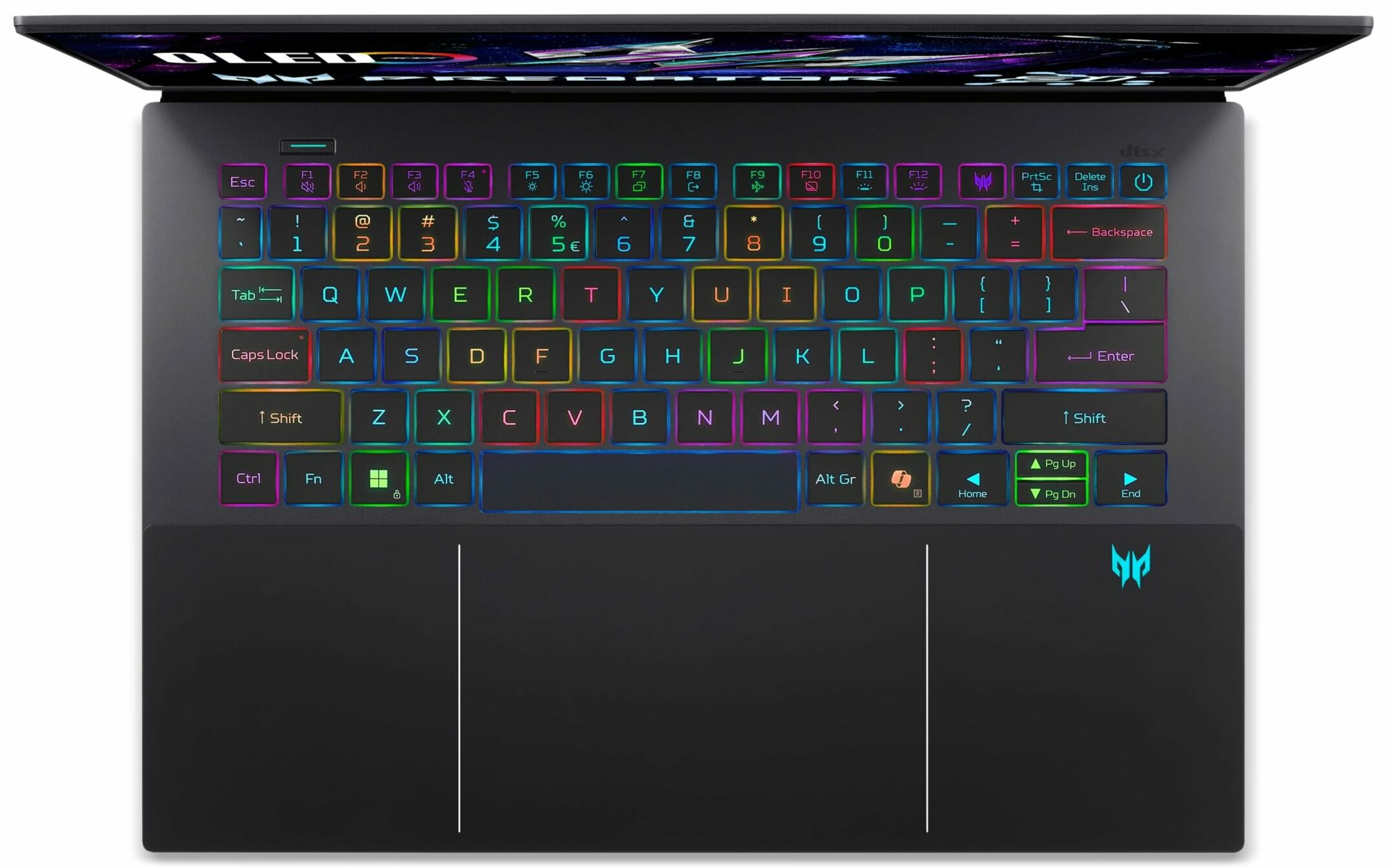
- Excellent keyboard with per-key RGB
- Future-proof connectivity with Wi-Fi 7 and Thunderbolt 4
Cons
- Extremely poor battery life (under 3 hours)
- Soldered RAM with no upgrade options
- Only one M.2 slot for storage
- Stylus only works on the trackpad, not the screen
Disassembly, maintenance and upgrade options
Before you start: Power the laptop off completely, unplug the charger, and hold the power button for a few seconds to discharge any residual power. Use a plastic pry tool, and avoid metal tools around the vents and fin stacks. Opening the bottom panelRemove the screws securing the bottom cover. Use a thin plastic pick to release the perimeter clips, then lift the panel away carefully. Once inside, disconnect the battery connector before touching the SSD or Wi-Fi module. Internal layout overviewThe internal layout is tidy and compact[...]
Read more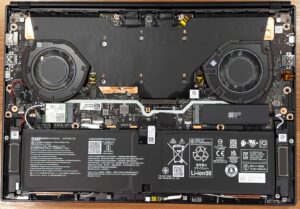


![[June 2026] Best-Selling Laptop Brands on Amazon Global – Apple’s Unrivaled Dominance in Units and Revenue](https://laptopmedia.com/wp-content/uploads/2026/07/GLOBAL-Best-Brands-400x225.jpg)
![[June 2026] Amazon Global: Top 10 Best-Selling Laptops – Apple’s New MacBook Neo Storms to #1, Reshaping the Market with Affordability](https://laptopmedia.com/wp-content/uploads/2026/07/Best-Selling-Laptops-GLOBAL-Top-10-400x225.jpg)
![[June 2026] Amazon Global: Top 10 Best-Selling Gaming Laptops – Acer’s Nitro V 16S AI Dominates Sales, While ASUS Leads Overall Revenue](https://laptopmedia.com/wp-content/uploads/2026/07/Best-Selling-Gaming-Laptops-GLOBAL-Top-10-400x225.jpg)
![[June 2026] Global Ranking of Best-Selling Laptop GPUs on Amazon – NVIDIA RTX 5060 is the Top-Selling Dedicated GPU](https://laptopmedia.com/wp-content/uploads/2026/07/Best-Selling-GPUs-GLOBAL-Top-10-400x225.jpg)
![[June 2026] Global Ranking of Best-Selling Laptop CPUs on Amazon – Apple M5 Dominates, AMD Ryzen 7 260 Gets Solid Premium Share](https://laptopmedia.com/wp-content/uploads/2026/07/Best-Selling-CPUs-GLOBAL-Top-10-400x225.jpg)