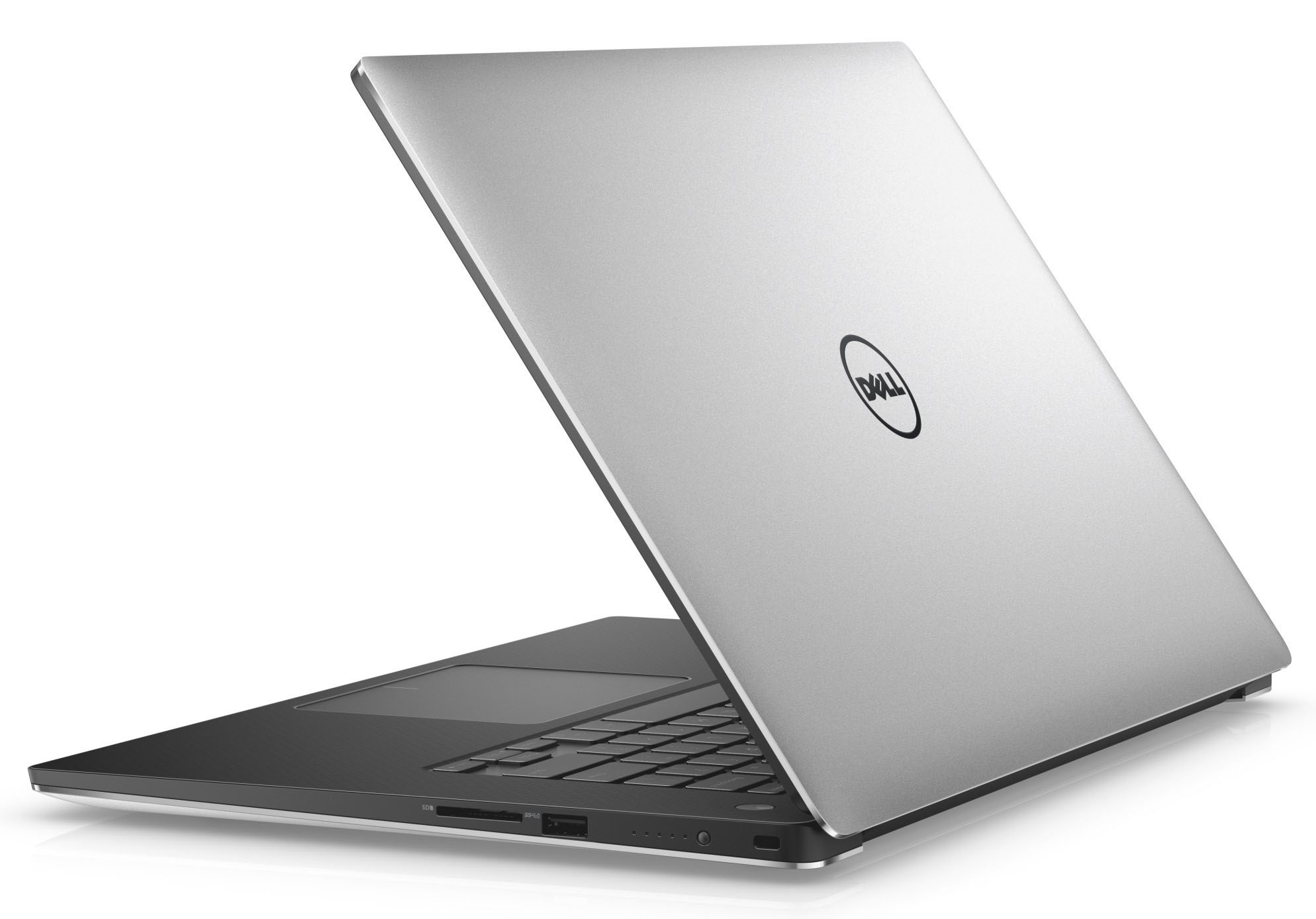
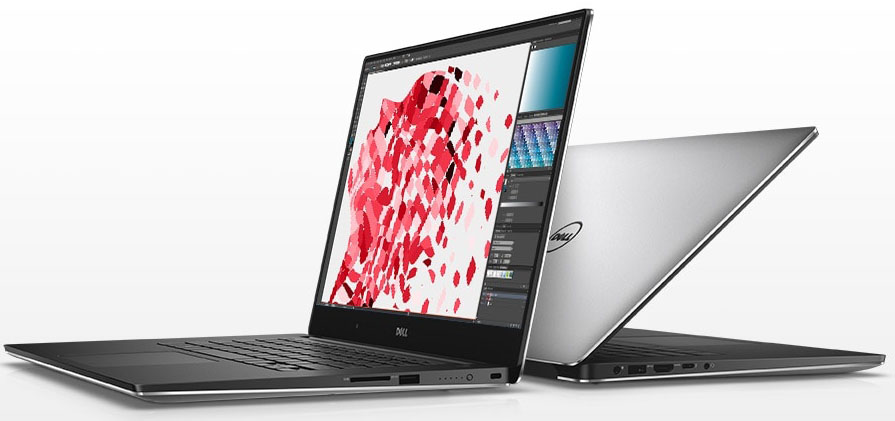
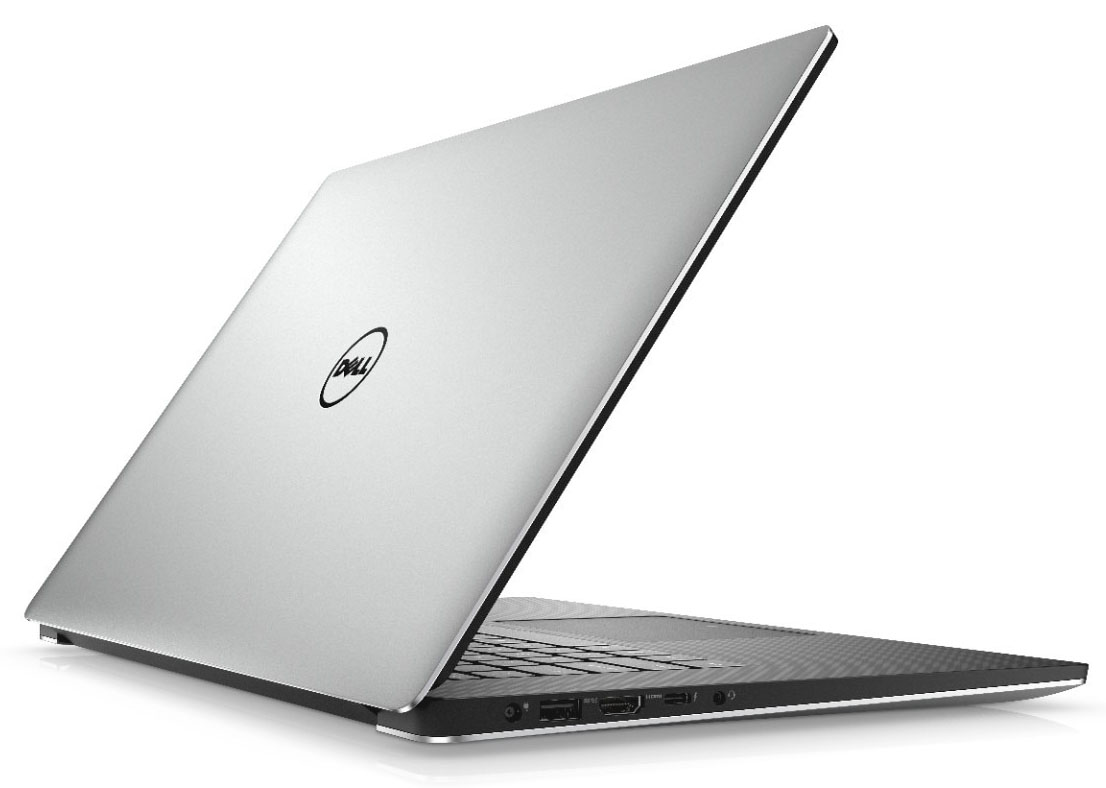
Dell Precision 15 5520
- Date Published: 16 Sep 2025
- Intel Xeon E3-1505M v6
- NVIDIA Quadro M1200 (4GB GDDR5)
- 15.6”, Full HD (1920 x 1080), IPS
- 512GB SSD
- 16GB RAM
- 1.78 kg (3.9 lbs)
Specs

- HDD/SSD
- 512GB SSD
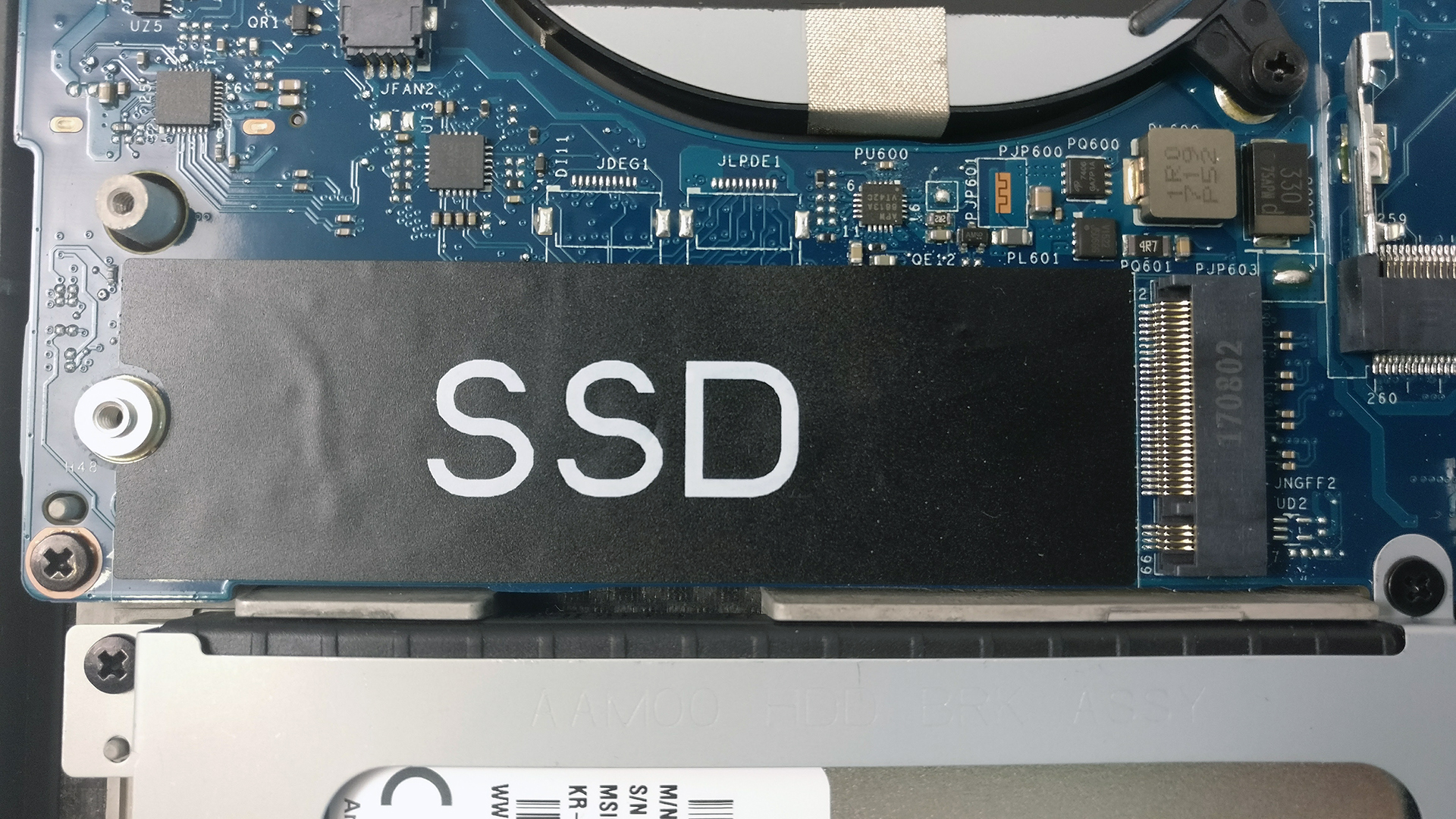
- M.2 Slot
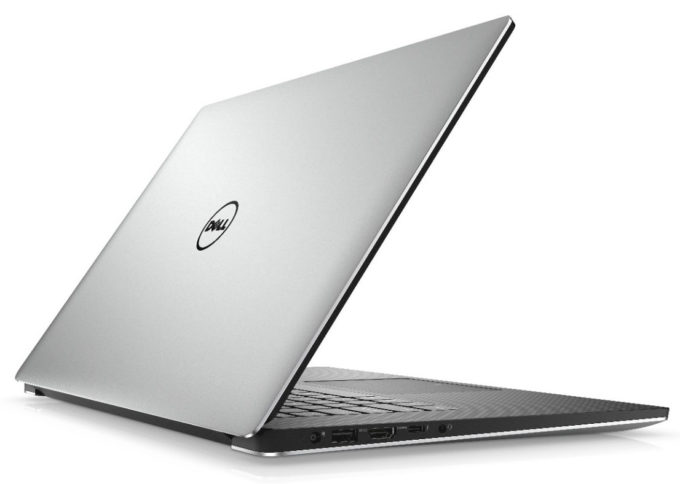
- M.2 PCIe NVMe SSD slot See photo
- RAM
- 16GB RAM
- OS
- Windows 10 Pro
- Body Material
- Aluminum, Carbon
- Dimensions
- 357 x 235 x 11.1 mm (14.06" x 9.25" x 0.44")
- Weight
- 1.78 kg (3.9 lbs)
- Ports and connectivity
- 2x USB Type-A
- 3.2 Gen 1 (5 Gbps)
- 1x USB Type-C
- 3.2 Gen 2 (10 Gbps), Thunderbolt 3
- HDMI
- Card Reader
- SD
- Ethernet LAN
- Wi-Fi
- 802.11ac
- Bluetooth
- 4.2
- Audio jack
- headphone/microphone
- Features
- Fingerprint reader
- Web camera
- Backlit keyboard
- Microphone
- Speakers
- Security Lock slot
- Battery-status button
Portability
Review
Dell Precision 15 5520 in-depth review
The XPS series from Dell have been praised for their extraordinary design, build quality paired with performance. This has been proven to be a successful approach to the premium business segment and looks like Dell wants to bring the same concept into its professional mobile workstations. With the Precision 5520 (and its predecessor, the 5510), it's clear to see that the lineup is receiving the XPS treatment and that's probably a good thing.Although the XPS 15 and the Precision 5520 look exactly the same, there are several key differences even in the design department. The XPS 15 remains as a slightly more portable option as the Precision 5520 sports a bit thicker chassis so a better cooling can be provided, especially since the laptop will have to handle long and heavy workloads. [...]
Read the full review
Pros
- Premium all-aluminum build with carbon fiber base
- Thin, light, portable chassis
- Good input devices
- Excellent IPS display (conditionally suitable for color-sensitive work) - high peak brightness, extremely high contrast, wide sRGB coverage
- The panel doesn't use PWM for regulating screen brightness
- Outstanding battery runtimes
Cons
- The cooling system can't withstand heavy workloads for long periods of time (near 100% CPU and GPU usage)
- Pricey


![[August 2026] Best-Selling Laptop Brands on Amazon Japan – Apple Dominates Market Share and Revenue Led by Strong Unit Sales](https://laptopmedia.com/wp-content/uploads/2026/09/CO.JP-Best-Brands-1-400x225.jpg)
![[August 2026] Best-Selling Laptop Brands on Amazon USA – Apple Dominates Market Revenue and Volume Despite Lower Model Diversity](https://laptopmedia.com/wp-content/uploads/2026/09/COM-Best-Brands-1-400x225.jpg)
![[August 2026] Amazon Germany: Top 8 Best-Selling Gaming Laptops – Acer Dominates the Market as the Premium Nitro V 17 AI Takes the #1 Spot](https://laptopmedia.com/wp-content/uploads/2026/09/Best-Selling-Gaming-Laptops-DE-Top-10-1-400x225.jpg)
![[August 2026] Best-Selling Laptop Brands on Amazon France – Apple Dominates Revenue Despite Lenovo and HP Leading in Catalog Breadth and Volume](https://laptopmedia.com/wp-content/uploads/2026/09/FR-Best-Brands-1-400x225.jpg)
![[August 2026] Amazon Italy: Top 10 Best-Selling Laptops – Apple MacBook Neo Claims the Crown as Budget and Mid-Range Windows Machines Dominate Volume](https://laptopmedia.com/wp-content/uploads/2026/09/Best-Selling-Laptops-IT-Top-10-400x225.jpg)