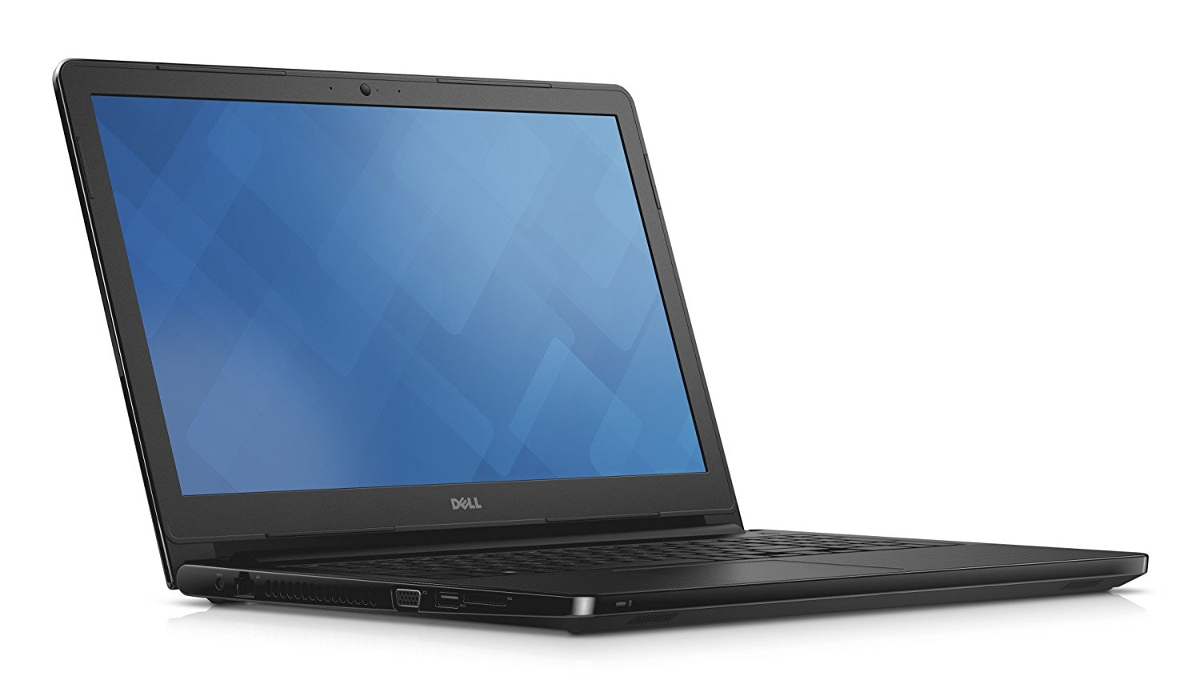
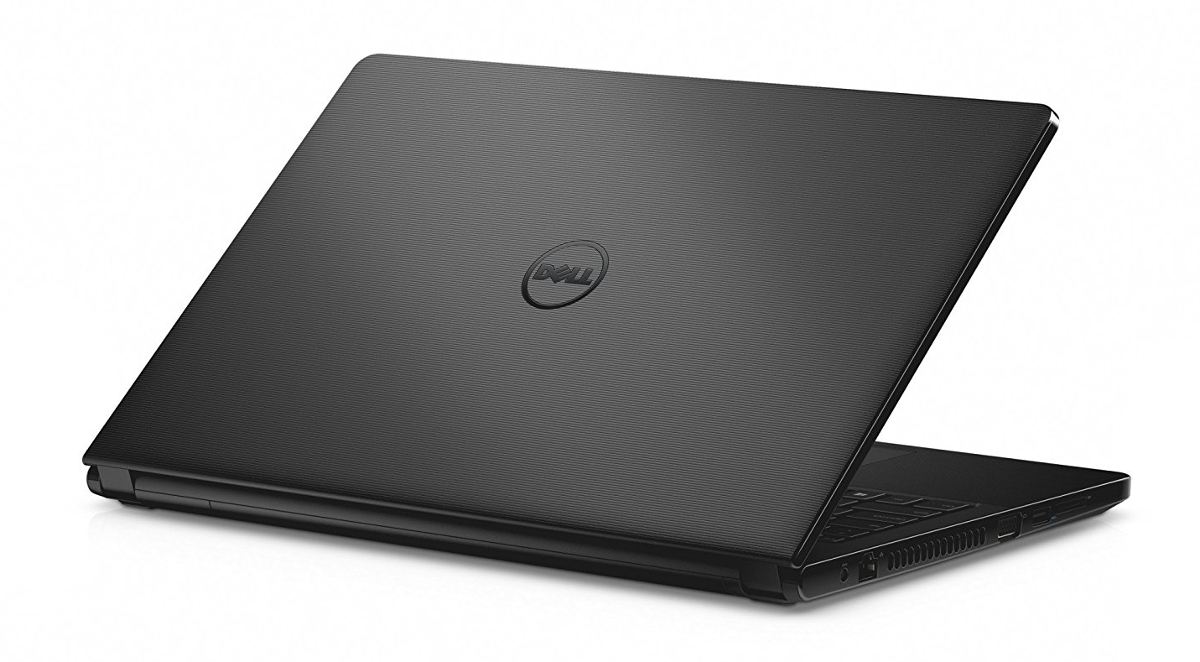
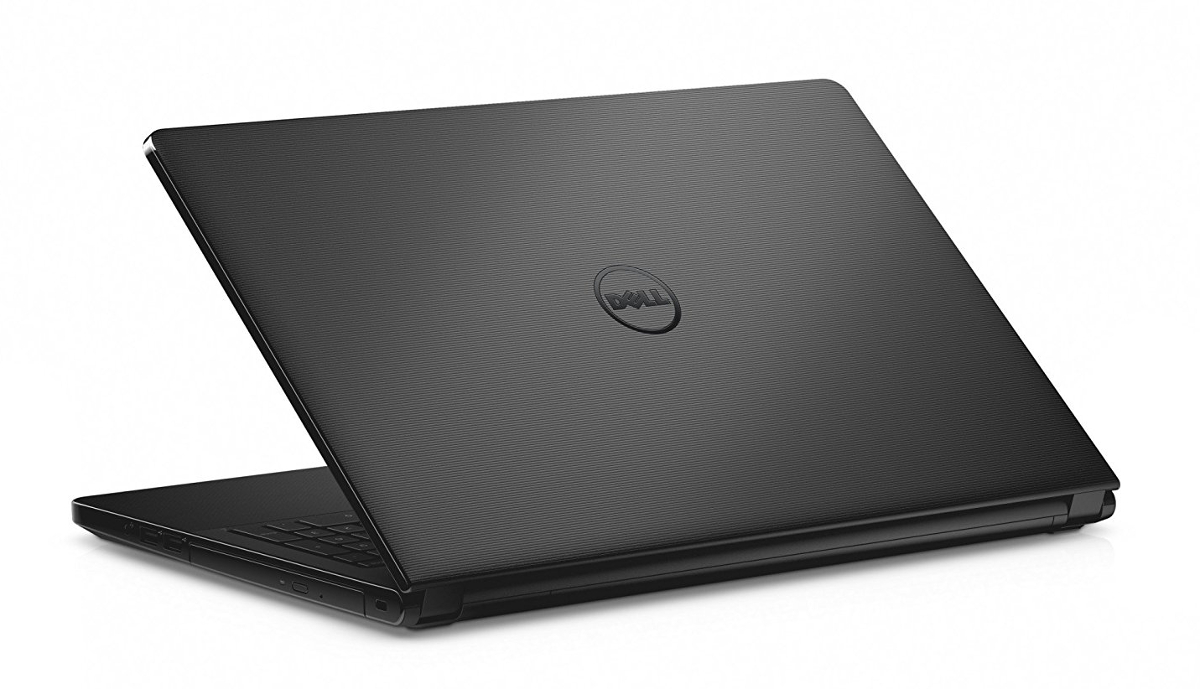
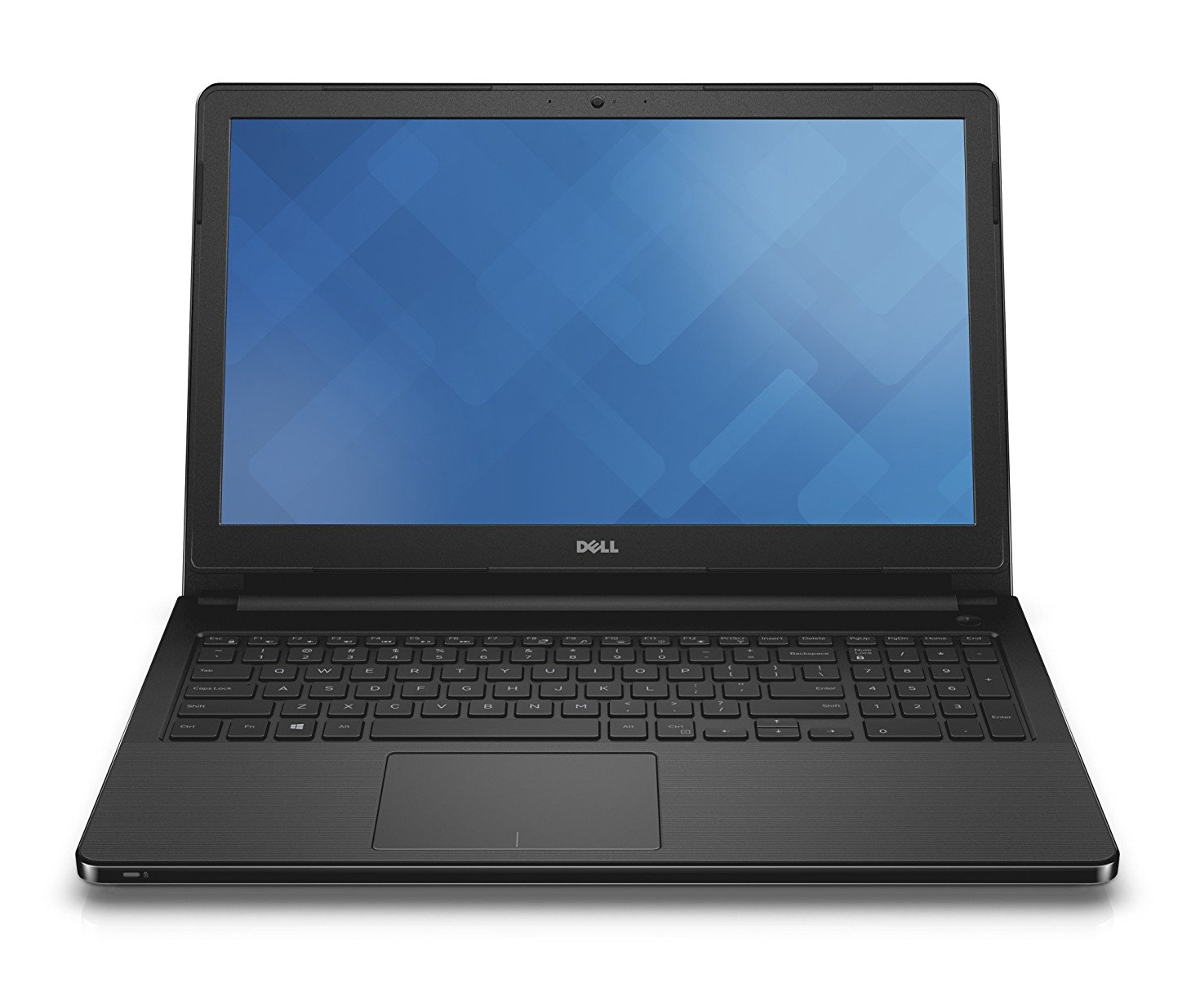
Dell Vostro 15 3568
- Date Published: 04 Oct 2025
- Intel Core i3-6006U
- Intel HD Graphics 520
- 15.6”, HD (1366 x 768), TN
- 500GB HDD
- 4GB RAM
- 2.18 kg (4.8 lbs)
Specs
- Display

- HDD/SSD
- 500GB HDD
- RAM
- 4GB RAM
- OS
- Windows 10 Home
- Body Material
- Plastic
- Dimensions
- 360 x 224 x 23.65 mm (14.17" x 8.82" x 0.93")
- Weight
- 2.18 kg (4.8 lbs)
- Ports and connectivity
- 1x USB Type-A
- 3.2 Gen 1 (5 Gbps)
- 2x USB Type-A
- 2.0
- HDMI
- Card Reader
- SD
- Ethernet LAN
- Wi-Fi
- 802.11ac
- Bluetooth
- 4.0
- Audio jack
- headphone/microphone
- Features
- Fingerprint reader
- Web camera
- Backlit keyboard
- Microphone
- Speakers
- Security Lock slot
Portability
Review
Dell Vostro 15 3568 in-depth review
Here we are with another alteration of the ultra-affordable Vostro laptops from Dell. Last time we reviewed one of these, the Vostro 3559 to be exact, and found quite a few flaws, despite the relatively low price. With the newly updated 3568, however, we hope there won't be so many shortcomings to be taken into consideration.One thing is for sure, though, the chassis is absolutely identical so we are bound to see some of the issues here as well. In any case, it's good to see the new Kaby Lake processors from Intel popping out in the entry-level segment of the market. The configuration we are currently testing features a Core i5-7200U CPU and a discrete graphics card from AMD - the Radeon R5 M420X for just around €400-450. Absurd, right? Well, there are a few trade-offs you have to [...]
Read the full review
Pros
- Considerably low price for a Core i5-7200U-powered laptop
- The touchpad seems nice
- Oustanding battery life
- The display is brighter than we expected (235 cd/m2)
Cons
- Inefficient GPU
- Poor build quality (flexible base, lid)
- Spongy keyboard
- The screen uses PWM from 0 to 99% brightness (the Health-Guard profile eliminates that)


![[June 2026] Best-Selling Laptop Brands on Amazon Global – Apple’s Unrivaled Dominance in Units and Revenue](https://laptopmedia.com/wp-content/uploads/2026/07/GLOBAL-Best-Brands-400x225.jpg)
![[June 2026] Amazon Global: Top 10 Best-Selling Laptops – Apple’s New MacBook Neo Storms to #1, Reshaping the Market with Affordability](https://laptopmedia.com/wp-content/uploads/2026/07/Best-Selling-Laptops-GLOBAL-Top-10-400x225.jpg)
![[June 2026] Amazon Global: Top 10 Best-Selling Gaming Laptops – Acer’s Nitro V 16S AI Dominates Sales, While ASUS Leads Overall Revenue](https://laptopmedia.com/wp-content/uploads/2026/07/Best-Selling-Gaming-Laptops-GLOBAL-Top-10-400x225.jpg)
![[June 2026] Global Ranking of Best-Selling Laptop GPUs on Amazon – NVIDIA RTX 5060 is the Top-Selling Dedicated GPU](https://laptopmedia.com/wp-content/uploads/2026/07/Best-Selling-GPUs-GLOBAL-Top-10-400x225.jpg)
![[June 2026] Global Ranking of Best-Selling Laptop CPUs on Amazon – Apple M5 Dominates, AMD Ryzen 7 260 Gets Solid Premium Share](https://laptopmedia.com/wp-content/uploads/2026/07/Best-Selling-CPUs-GLOBAL-Top-10-400x225.jpg)